Wort’s Causeway, Great Shelford, Cambridge, Cambridgeshire CB22 3FB
Beechwoods Nature Reserve
Broadleaf woodland
Place photograph
6.3
Wildland
1–2 hours
Time
Free
Cost
Peaceful
Feel
Why it's Wildland
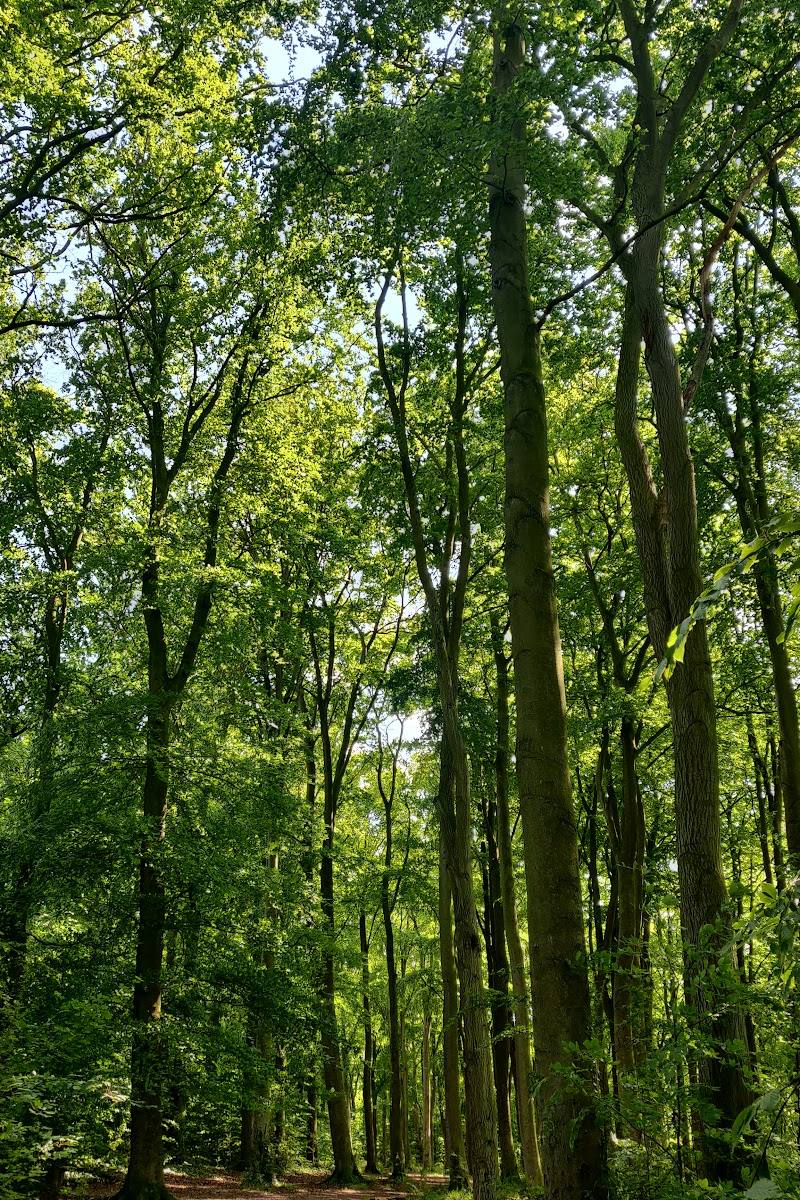
6.3Planted in the 1840s, Beechwoods is a compact reserve where mature beech trees shade visible medieval plough terraces. In spring, white helleborines flower on its dry chalky soil.
This is not ancient woodland: its original beeches were planted in the 1840s. What makes the small reserve worth seeking out is the contrast between those mature trees, medieval plough terraces beneath them and spring-flowering white helleborines—an orchid the Wildlife Trust describes as one of its most northerly outposts.
Peaceful · Secluded
Find your way
Open mapWort’s Causeway, Great Shelford, Cambridge, Cambridgeshire CB22 3FB
Opening map…
Know this place a little better?
The experience
Allow around 1–2 hours for an unhurried woodland visit. Explore the paths, look for the medieval plough terraces and, in spring, search beneath the beeches for white helleborines. The reserve has no café, shop or public toilet; bring supplies if you plan to linger.
Things to do
Walk among the mature beeches
Take a quiet stroll through the compact reserve, whose mature original trees make it feel more secluded than its size suggests.
Around 1 hour
Find the medieval plough terraces
Look beneath the trees for terraces left by medieval ploughing, a physical trace of the landscape before the wood was planted.
Look for white helleborines
Search the dry chalky soil beneath the beeches for this spring-flowering orchid. The Wildlife Trust describes the reserve as one of its most northerly outposts.
Watch for woodland birds
The reserve lists great spotted and green woodpeckers and nuthatches among its species. In years with a good beech-mast crop, large flocks of bramblings may gather.
Make a day of it
Quick escape · Around 1 hour
Quick woodland escape
- 01
Park in the layby on Worts Causeway and take care crossing the road to the wood.
- 02
Follow the paths through the mature beech trees.
- 03
Look for medieval plough terraces beneath the trees; in spring, search for white helleborines.
Verified history
Beechwoods was originally planted in the 1840s. Medieval plough terraces remain visible beneath the trees. A new area of broadleaved trees was planted west of the old wood in 1992. The reserve’s original beech trees are mature; the Wildlife Trust reports that beech-bark fungi and autumn gales have contributed to trees falling, with saplings growing in the gaps.
Hidden details
Medieval plough terraces beneath the beeches — The ground retains visible medieval plough terraces, easy to overlook while focusing on the mature trees.
A northerly outpost for white helleborines — These orchids thrive on the dry chalky soil and flower in spring before the beech leaves cast deep shade. The Wildlife Trust describes the reserve as one of their most northerly outposts.
Bramblings when beech mast is plentiful — In years with a good beech-mast crop, large flocks of bramblings gather to feed in the wood.
When to go
March · April · May · October · November · December · January · February · Any time; the reserve is open all day. Avoid high winds.
Spring is the time to look for white helleborines before the beech leaves cast deep shade. Autumn brings beech colour, and a good beech-mast crop can attract large flocks of bramblings.
Paths can become muddy after rain; walking boots or wellies are advised. The reserve may be dangerous in high winds because beech trees can shed branches. The layby is on a fast road with poor visibility.
What to look for
Look beneath the mature beeches for medieval plough terraces. In spring, search the dry chalky soil for white helleborines, which flower before the trees’ leaves cast deep shade. Watch for bramblings in years when beech mast is plentiful.
The story
1840s planting; medieval plough terraces.
Best time to go
Spring, when white helleborines flower before the beech canopy casts deep shade; autumn brings colour and, in good beech-mast years, bramblings.
Visit in spring to look for white helleborines flowering before the beech canopy deepens the shade. Autumn offers beech colour; in years with a good beech-mast crop, large flocks of bramblings may gather.
How long to spend
1–2 hours
Perfect for
Walkers · Wildlife lovers · Photographers · Families
Practical information
Opening & access
A Wildlife Trust reserve open at all times, with free entry. The entrance has kissing gates; access is difficult for pushchairs and wheelchair users. Take care crossing the road from the layby, where visibility is poor.
Parking
Free parking is available in a large layby on Worts Causeway, opposite the wood. The road is fast and visibility is poor; take care crossing. Bike racks are at the entrance.
Toilets
No public toilets.
Food & drink
No café, shop or visitor centre. Bring drinks and snacks for a longer visit.
Dogs
Dogs must be kept on a lead.
Accessibility
Kissing gates at the entrance make access difficult for pushchairs and wheelchair users. Paths can be muddy; walking boots or wellies are advised after rain. Avoid visiting in high winds because beech trees may shed branches.
Cost
Free
Gallery
Place photographs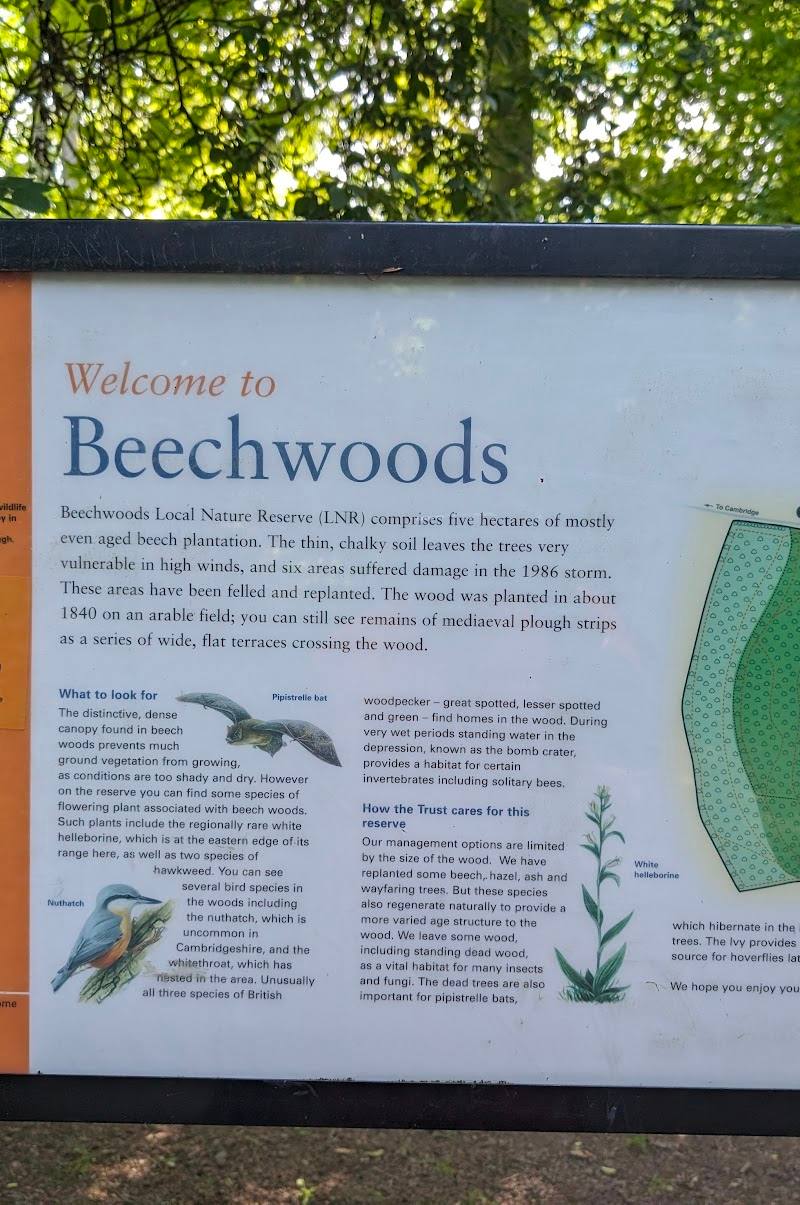
Keep exploring
Around Beechwoods Nature Reserve
Within 50 km · approximate straight-line distances
 Place photograph7.1
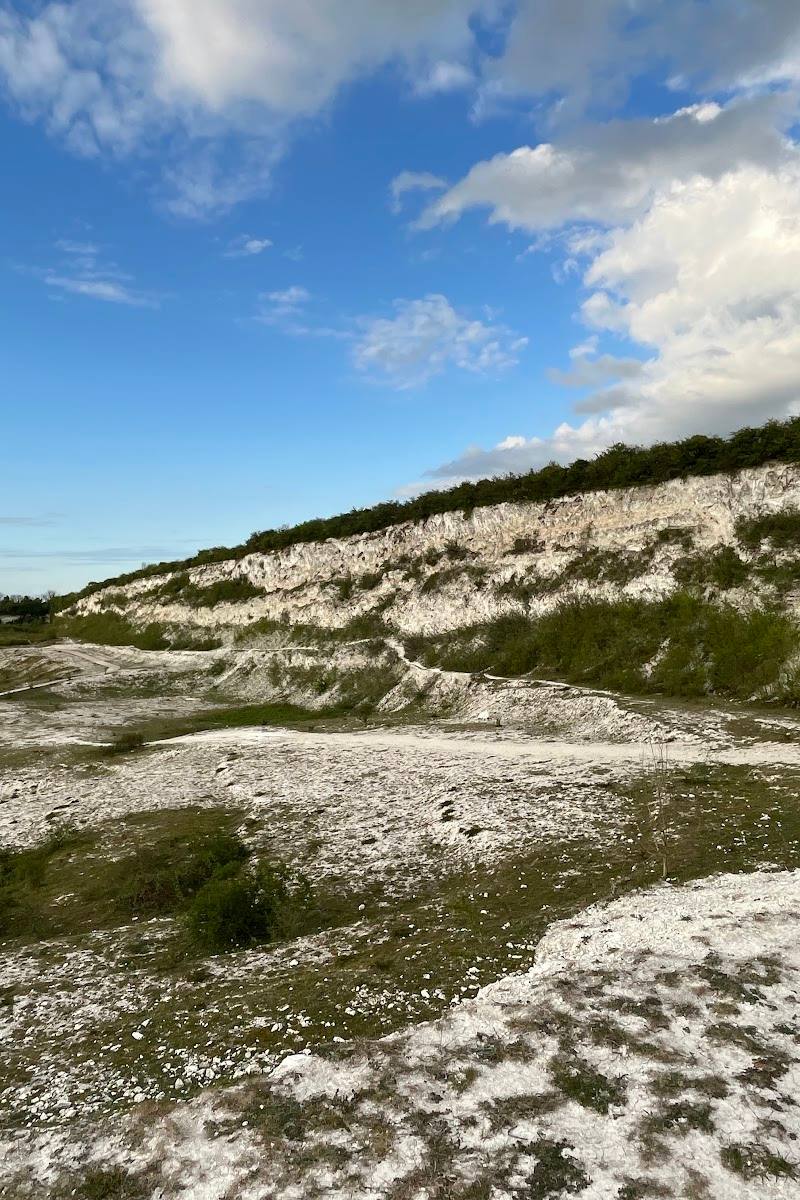
Cherry Hinton Chalk Pits
Fulbourn Road, Cambridge, Cambridgeshire CB1 8NQ
1.0 km away
 Place photograph5.2
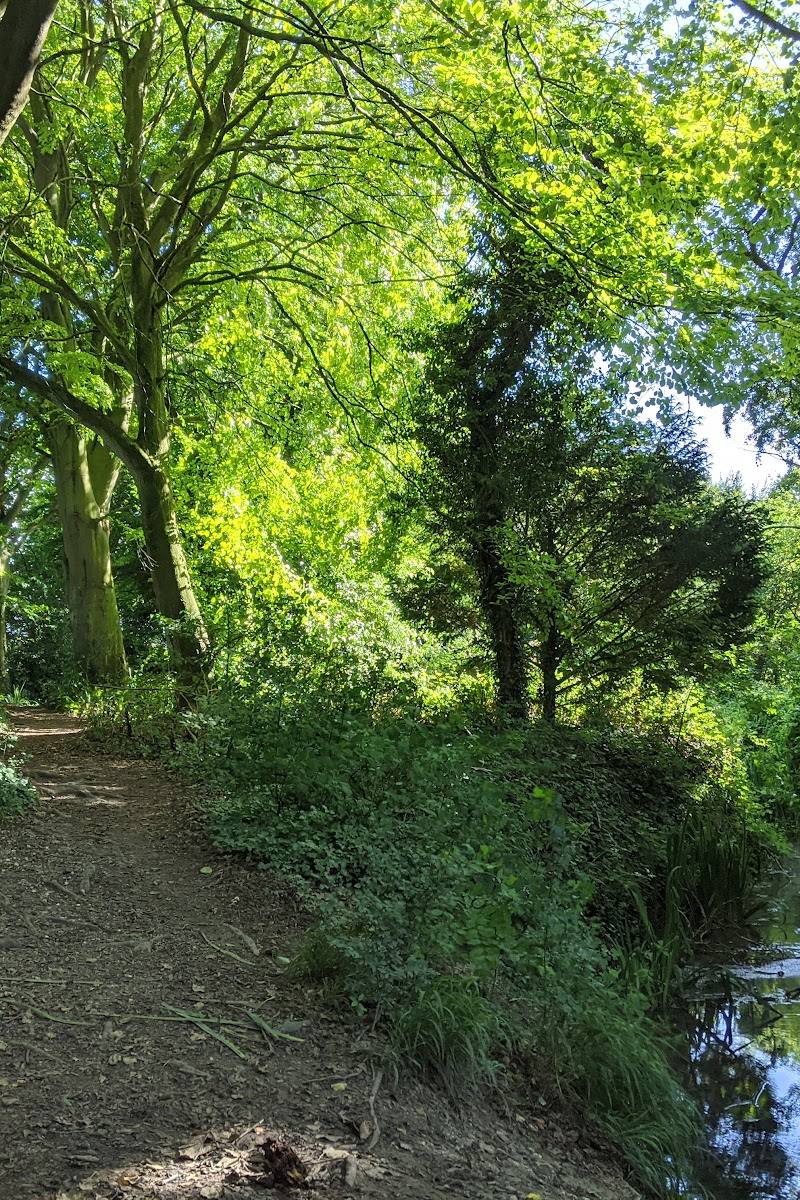
Hobson's Park Bird Reserve
Trumpington, on the southern outskirts of Cambridge
3.0 km away
 Place photograph8.0
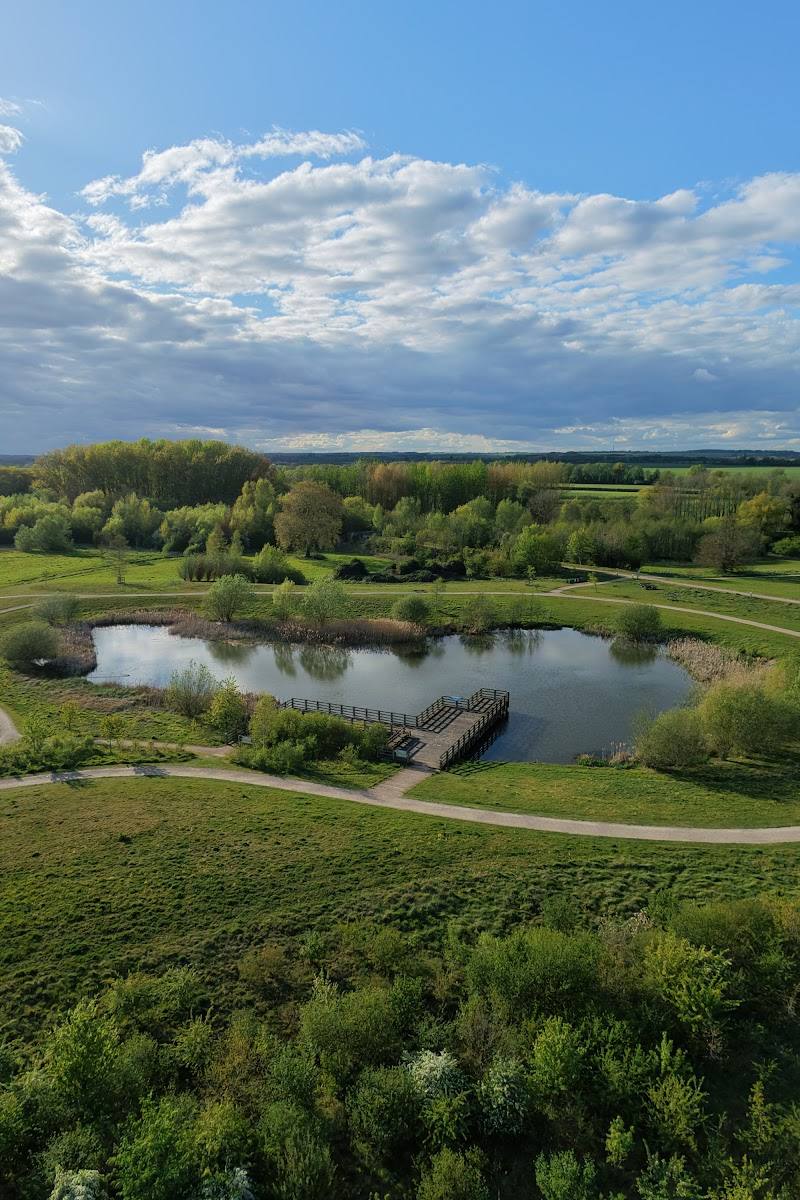
Fulbourn Fen
Stonebridge Lane, Fulbourn, near Cambridge, Cambridgeshire CB21 5BW
4.6 km away