Stonebridge Lane, Fulbourn, Cambridge, Cambridgeshire CB21 5BW
Fulbourn Fen
Mixed-habitat reserve
Place photograph
6.8
Wildland
1–2 hours
Time
Free
Cost
Peaceful
Feel
Why it's Wildland
6.8Ancient meadows shaped by chalk-rich water, with spring cowslips, early-summer orchids and the earthworks of a medieval manor.
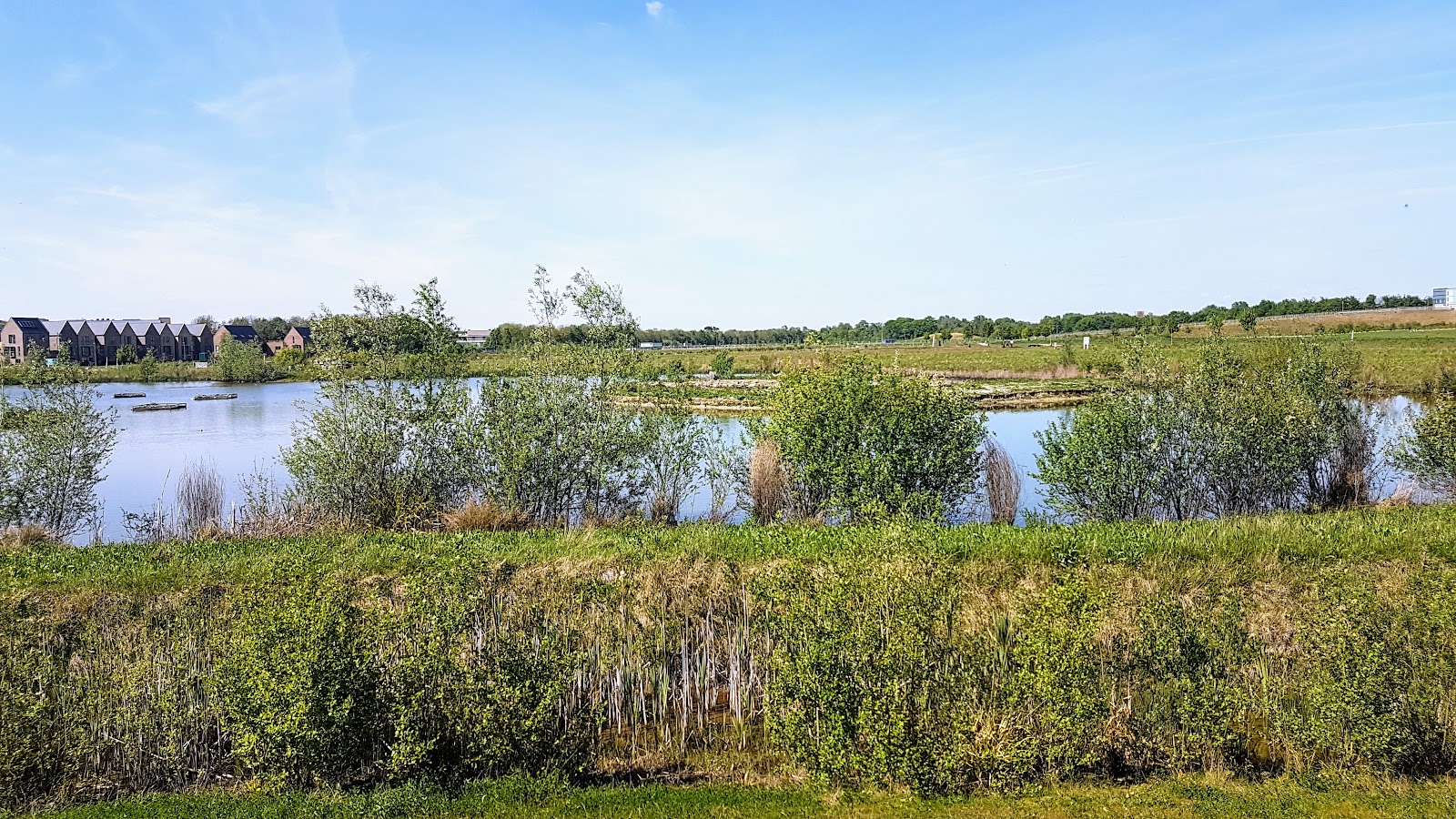
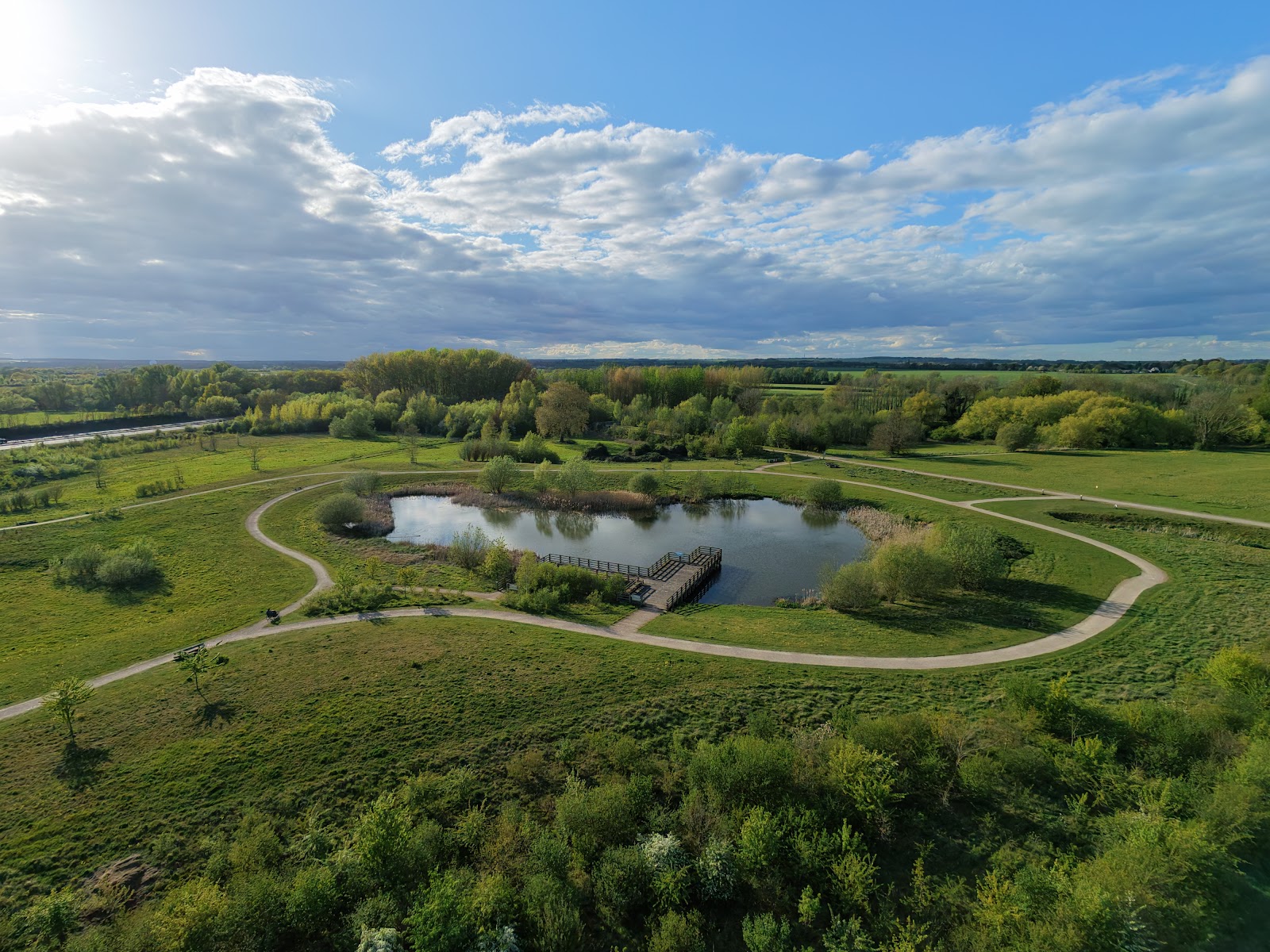
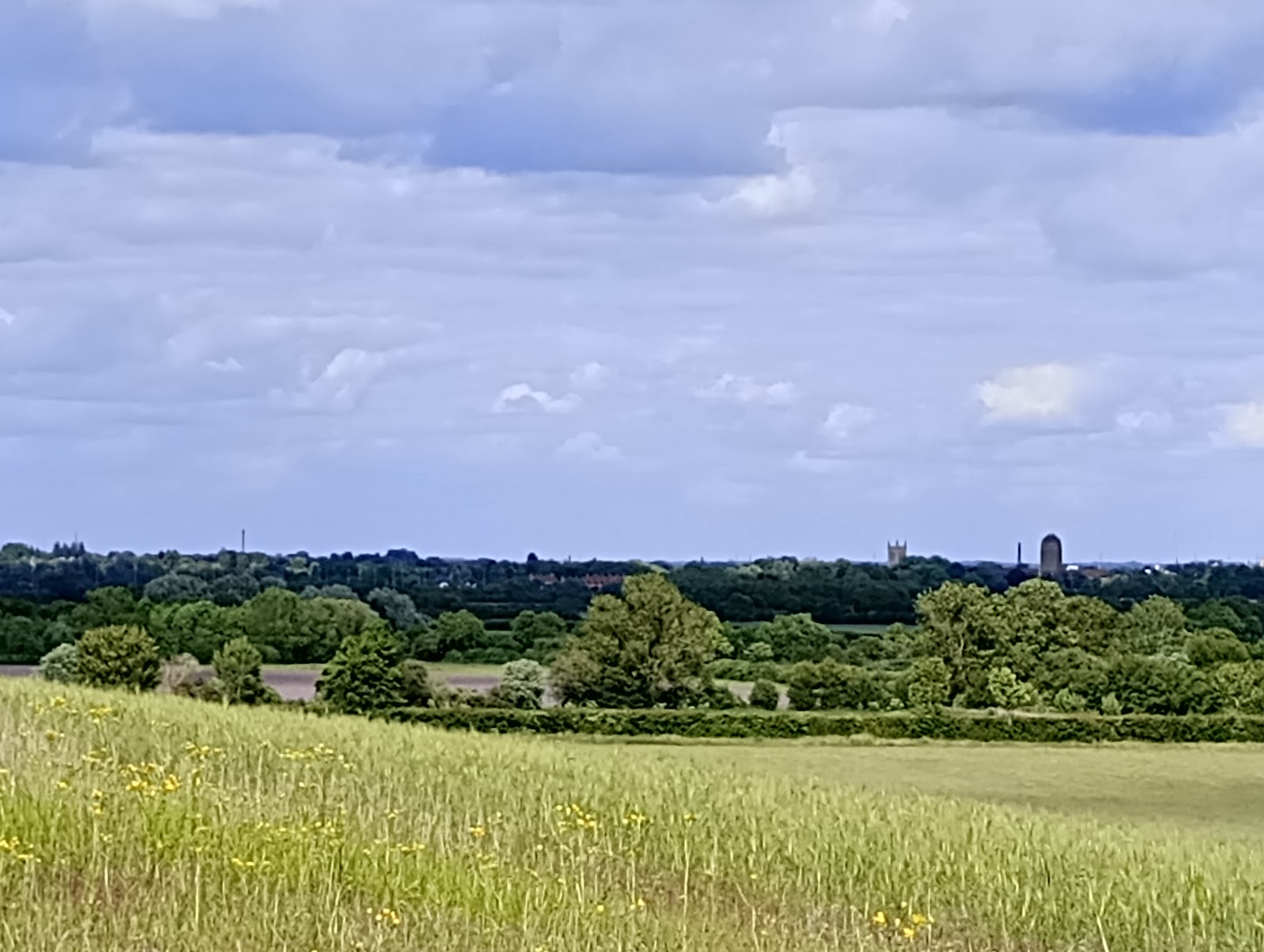
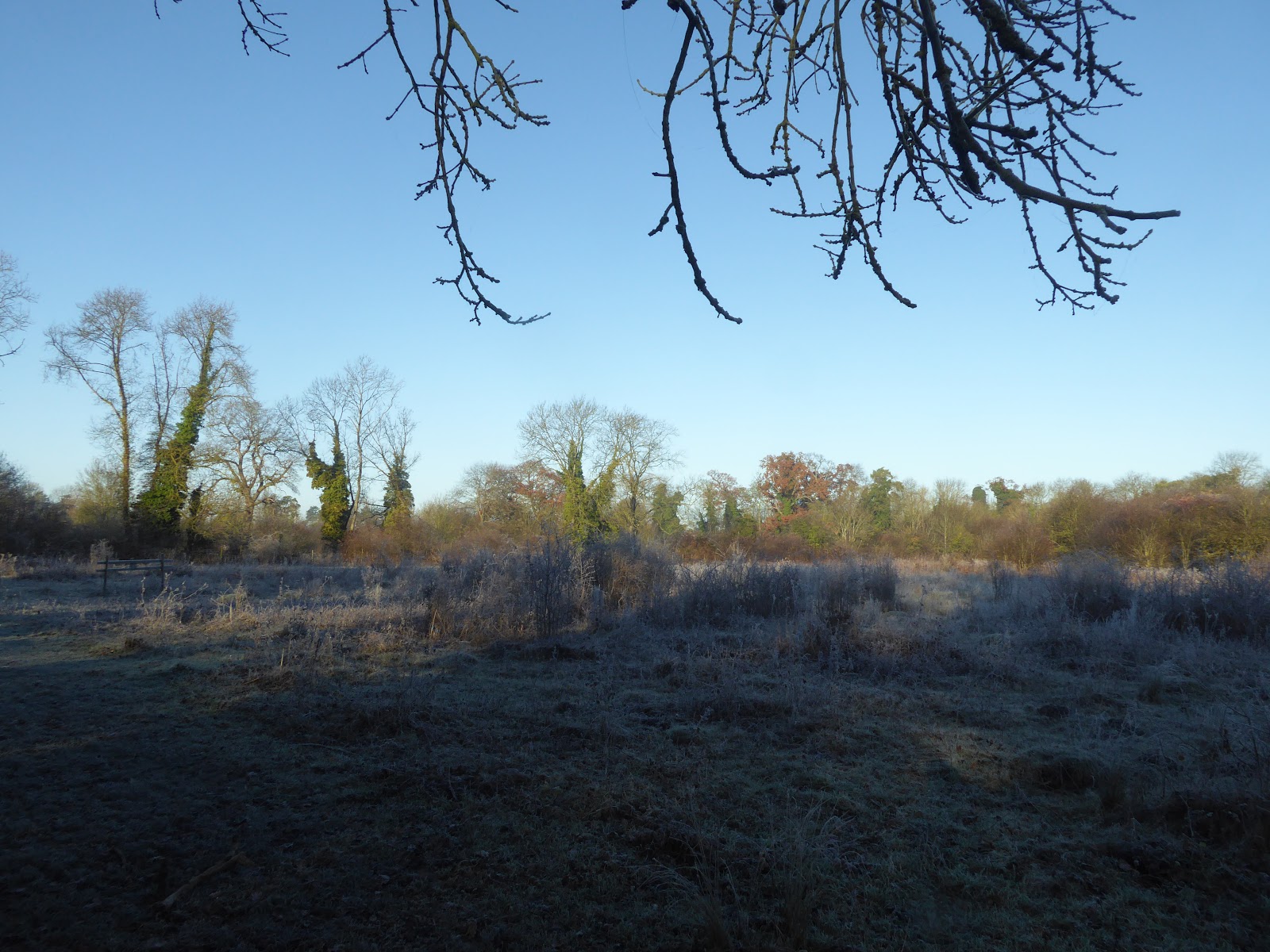
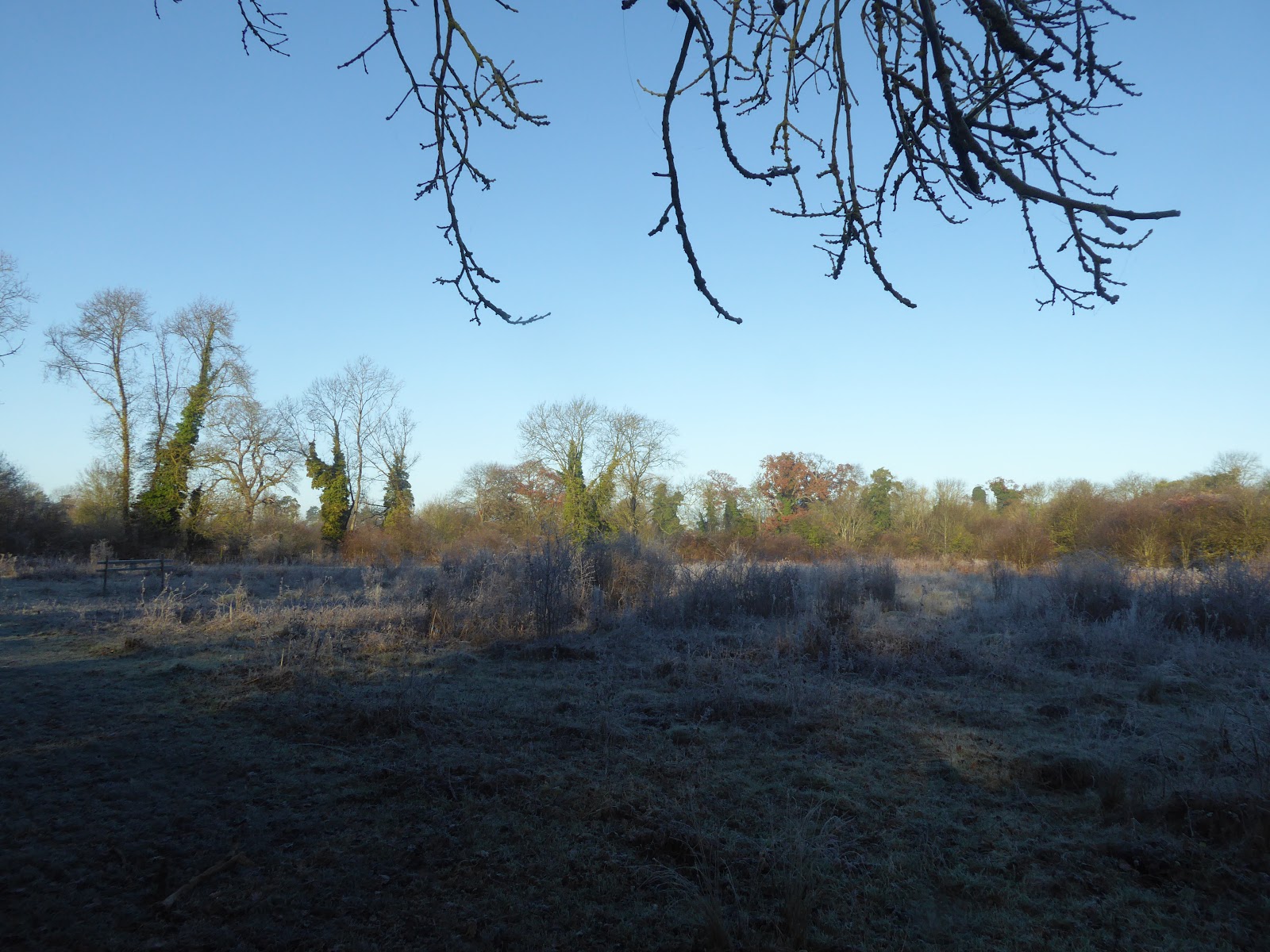
Fulbourn Fen earns its place for the variety packed into its old meadows: chalk grassland, wet fen, woodland, orchids and visible medieval earthworks. It is a small reserve with plenty to notice, though paths can be muddy and it is not suitable for wheelchairs or pushchairs.
Peaceful · Seasonal
Find your way
Open mapStonebridge Lane, Fulbourn, Cambridge, Cambridgeshire CB21 5BW
Opening map…
Know this place a little better?
The experience
Take a short walk through varied old meadows and woodland, looking for seasonal flowers, insects and the remains of the medieval manor. Allow for muddy paths and grazing animals.
Things to do
Look for cowslips in Ox Meadow
The Wildlife Trust describes cowslips carpeting this driest meadow in spring beneath two old oaks.
Find the medieval manor earthworks
Look for the defensive earthworks in Moat Meadow, a physical reminder of the medieval manor and the former village landscape.
Compare the dry meadow with East Fen
East Fen is the reserve’s wettest meadow. The Wildlife Trust describes rushes, water mint and orchid-rich ground there.
Watch the grassland and woodland for wildlife
The reserve account records lizards and grass snakes on summer tussocks, winter snipe in soft mud, and woodland birds including chiffchaff and great spotted woodpecker.
Make a day of it
Quick escape · About 30–60 minutes
A quick fen-and-meadow loop
- 01
Start from the reserve access point; confirm the current entrance and parking arrangements before setting out.
- 02
Follow the short circular walk described by AllTrails, allowing extra time if paths are muddy.
- 03
Look for the contrast between dry meadow and wetter fen, and check Moat Meadow for the medieval earthworks.
Half day · Around 1–2 hours
Make time for the reserve’s changing habitats
- 01
Walk the short circular route, taking it slowly rather than treating the reserve as a quick lap.
- 02
Pause in Ox Meadow to look for cowslips and chalk-grassland plants, then compare it with the wetter ground in East Fen.
- 03
Look for the medieval manor earthworks in Moat Meadow and watch for birds in the woodland and over the grassland.
- 04
Expect grazing sheep or cattle and check conditions if the ground has been wet.
Verified history
The Wildlife Trust identifies defensive earthworks in Moat Meadow as the remains of a medieval manor house and says the old village of Fulbourn once lay across much of the site. The supplied sources do not provide a date for the manor or a more detailed account of its history.
Hidden details
The manor’s earthworks in Moat Meadow — The defensive earthworks are a tangible trace of the medieval manor house and of the earlier village landscape described by the Wildlife Trust.
Orchids in the wettest meadow — The Wildlife Trust reports six orchid species recorded across the varied grassland and thousands flowering in East Fen in early summer. It names early marsh and southern marsh orchids among the species that thrive there.
Small rises and hollows left by the Ice Age — The Wildlife Trust says freezing and melting during the last Ice Age created humps and dips that add to the range of habitats.
When to go
· Daylight hours; no more specific time is verified.
The Wildlife Trust recommends spring and summer. Spring brings cowslips in Ox Meadow; orchids flower in spring and early summer, with the reserve’s annual count reporting thousands in East Fen.
Paths may be muddy. The reserve is not suitable for wheelchairs or pushchairs; check current conditions before visiting.
The route
- ascent
- 13 ft, according to AllTrails
- surface
- Not specified by the sources; muddy paths are reported.
- distance
- 1.4 miles (about 2.3 km), according to AllTrails
- duration
- 0.5–1 hour, according to AllTrails
- difficulty
- Easy, according to AllTrails
- route shape
- Loop
- start point
- Fulbourn Fen circular route; exact entrance not verified.
- parking start
- Wildlife Trust lists a small car park on Stonebridge Lane. Confirm the route start and current parking arrangements before visiting.
- Old meadows and woodland
- Seasonal flowers and insects
- Medieval manor earthworks in Moat Meadow
What to look for
- 01
Cowslips beneath the old oaks in Ox Meadow
- 02
anthills and chalk-grassland flowers
- 03
the defensive earthworks in Moat Meadow
- 04
orchids in East Fen
- 05
and the wet meadow’s rushes and water mint.
The story
Archaeology; medieval manor earthworks; former village landscape
Best time to go
Spring and summer; the Wildlife Trust identifies these as the best seasons.
Spring and early summer are strongest for flowers, including cowslips and orchids. The Wildlife Trust lists spring and summer as the best time to visit.
How long to spend
1–2 hours
Perfect for
Walkers · Wildlife lovers · Photographers · History lovers
Before you go
Address
Phone
Website
Listed hours
- Monday: Open 24 hours
- Tuesday: Open 24 hours
- Wednesday: Open 24 hours
- Thursday: Open 24 hours
- Friday: Open 24 hours
- Saturday: Open 24 hours
- Sunday: Open 24 hours
Check before visiting.
Google rating
Practical information
Opening & access
Wildlife Trust for Beds, Cambs & Northants lists the reserve as open during daylight hours. Entry is free. Check current conditions before travelling.
Check before visiting
Parking
Small car park on Stonebridge Lane, according to the Wildlife Trust. The supplied Google Maps pin is a main-place pin, not a verified entrance or parking location.
Toilets
Check before visiting
Check before visiting
Food & drink
Check before visiting
Check before visiting
Dogs
Dogs on a lead, according to the Wildlife Trust.
Accessibility
The Wildlife Trust says the reserve is not suitable for wheelchairs or pushchairs. Paths may be muddy; grazing animals are present.
Cost
Free
Water
Fen and wet meadows; no evidence supplied that swimming or paddling is permitted.
Gallery
Place photographsKeep exploring
Around Fulbourn Fen
Within 50 km · approximate straight-line distances
 Place photograph8.0
Fulbourn Fen
Stonebridge Lane, Fulbourn, near Cambridge, Cambridgeshire CB21 5BW
0.0 km away
 Place photograph7.1
Cherry Hinton Chalk Pits
Fulbourn Road, Cambridge, Cambridgeshire CB1 8NQ
4.5 km away
 Place photograph5.2
Bramblefields Local Nature Reserve
Laxton Way, northwest Cambridge, CB4 1FL
7.3 km away