Laxton Way, northwest Cambridge, CB4 1FL
Bramblefields Local Nature Reserve
Mixed-habitat reserve
Place photograph
5.2
Wildland
Under 1 hour
Time
Check
Cost
Peaceful
Feel
Why it's Wildland
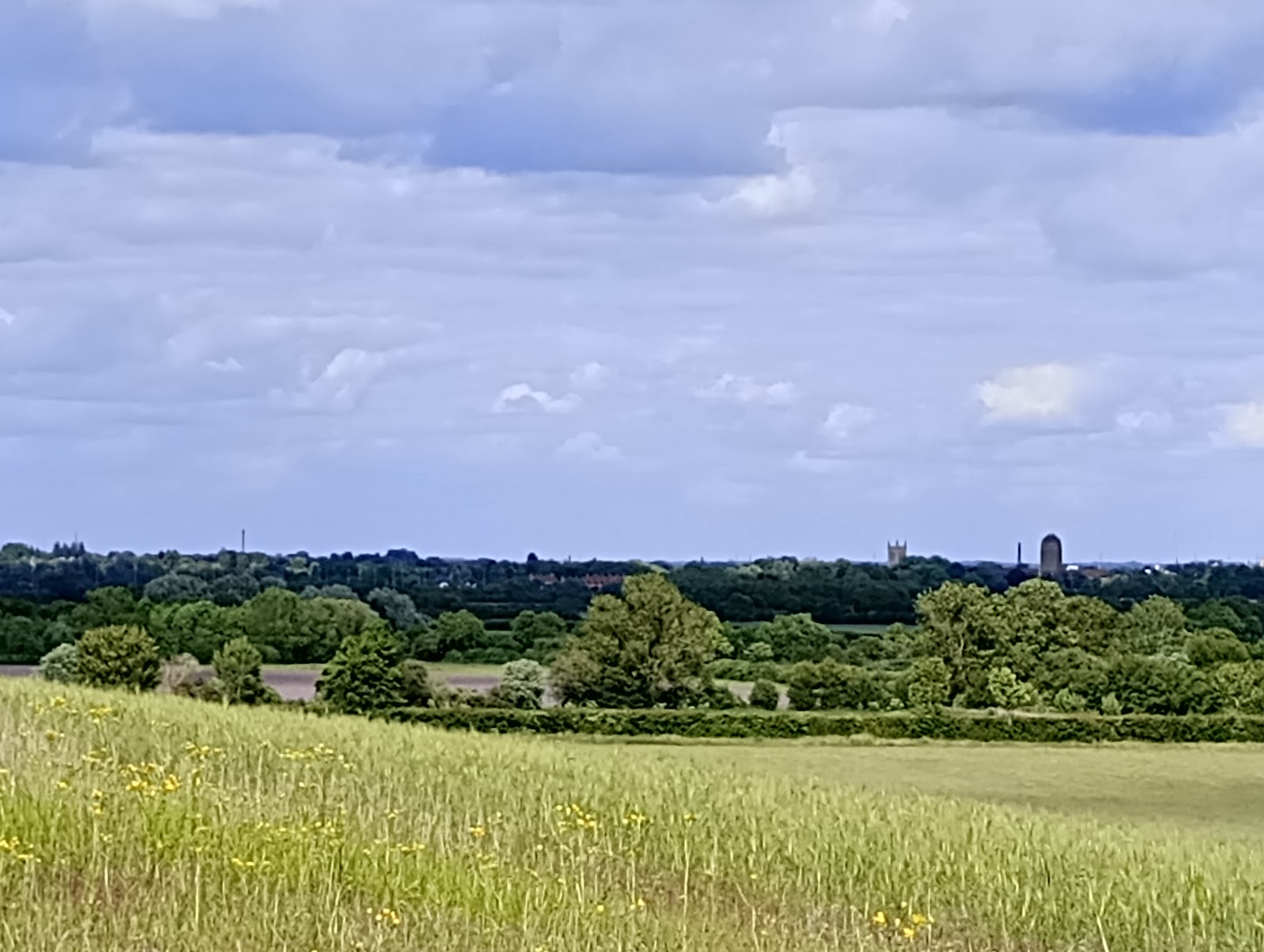
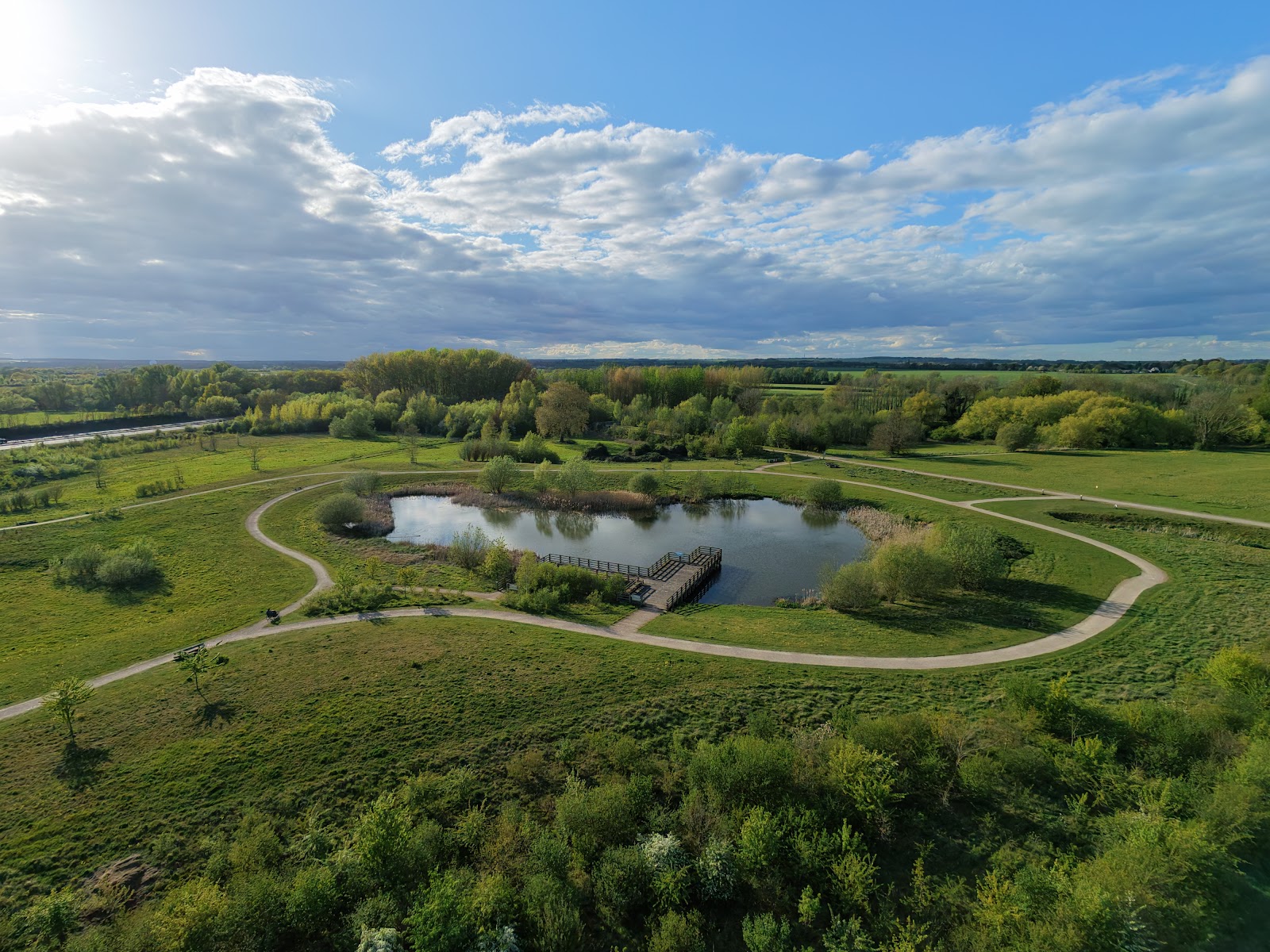
5.2A small urban nature reserve where former fen and farmland, later used as allotments, now support grassland, scrub, wetland and two ponds.
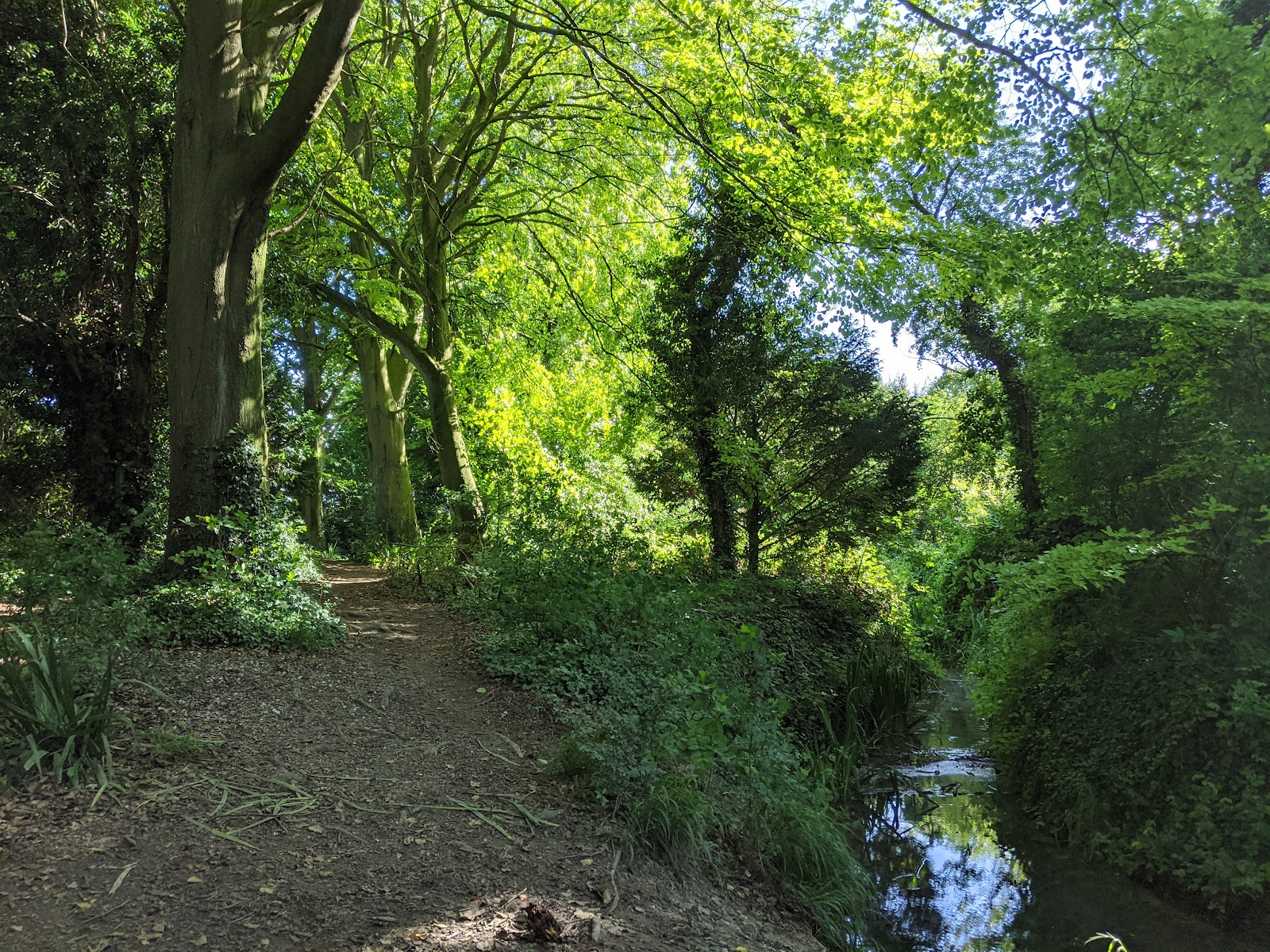
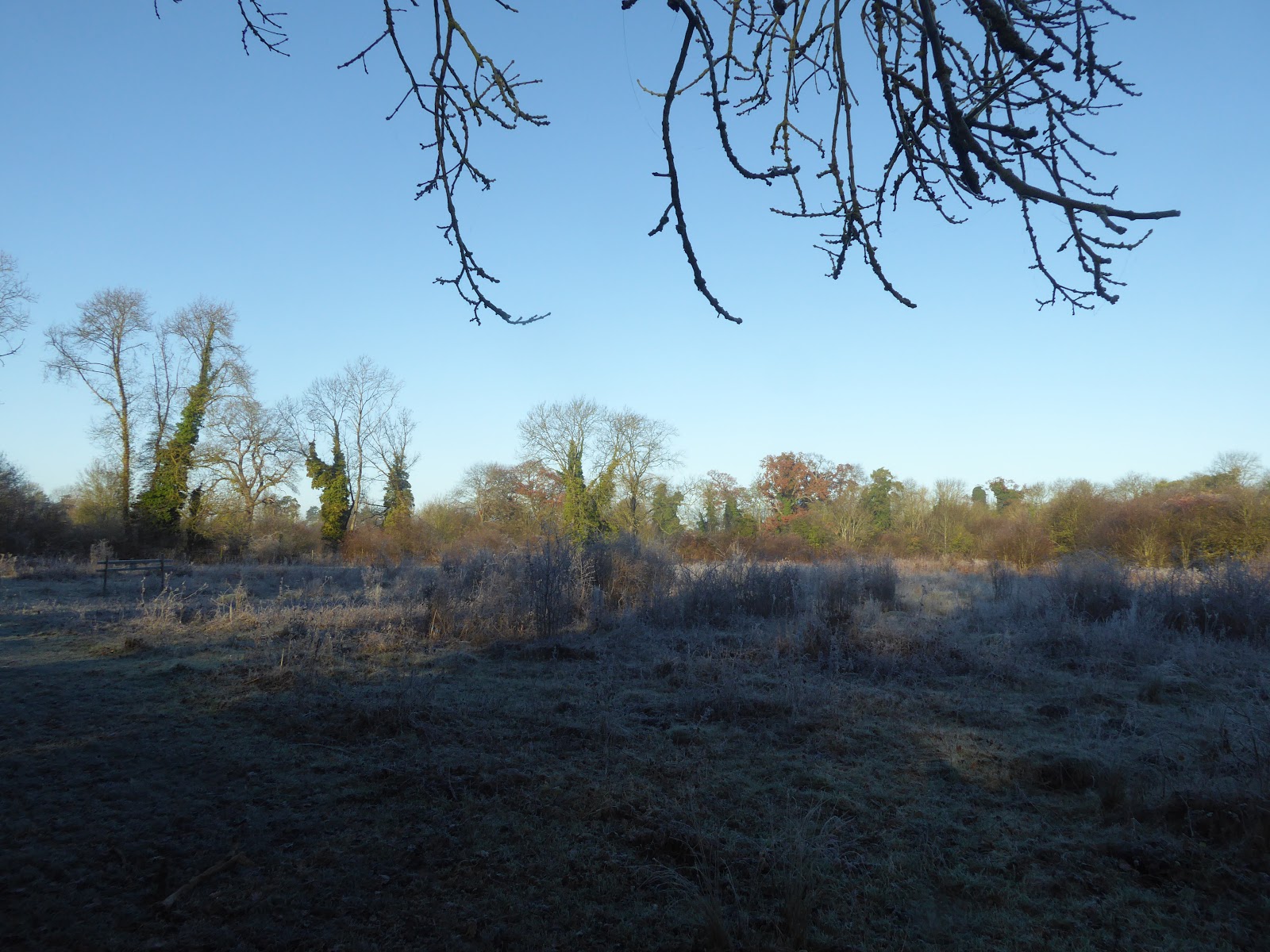
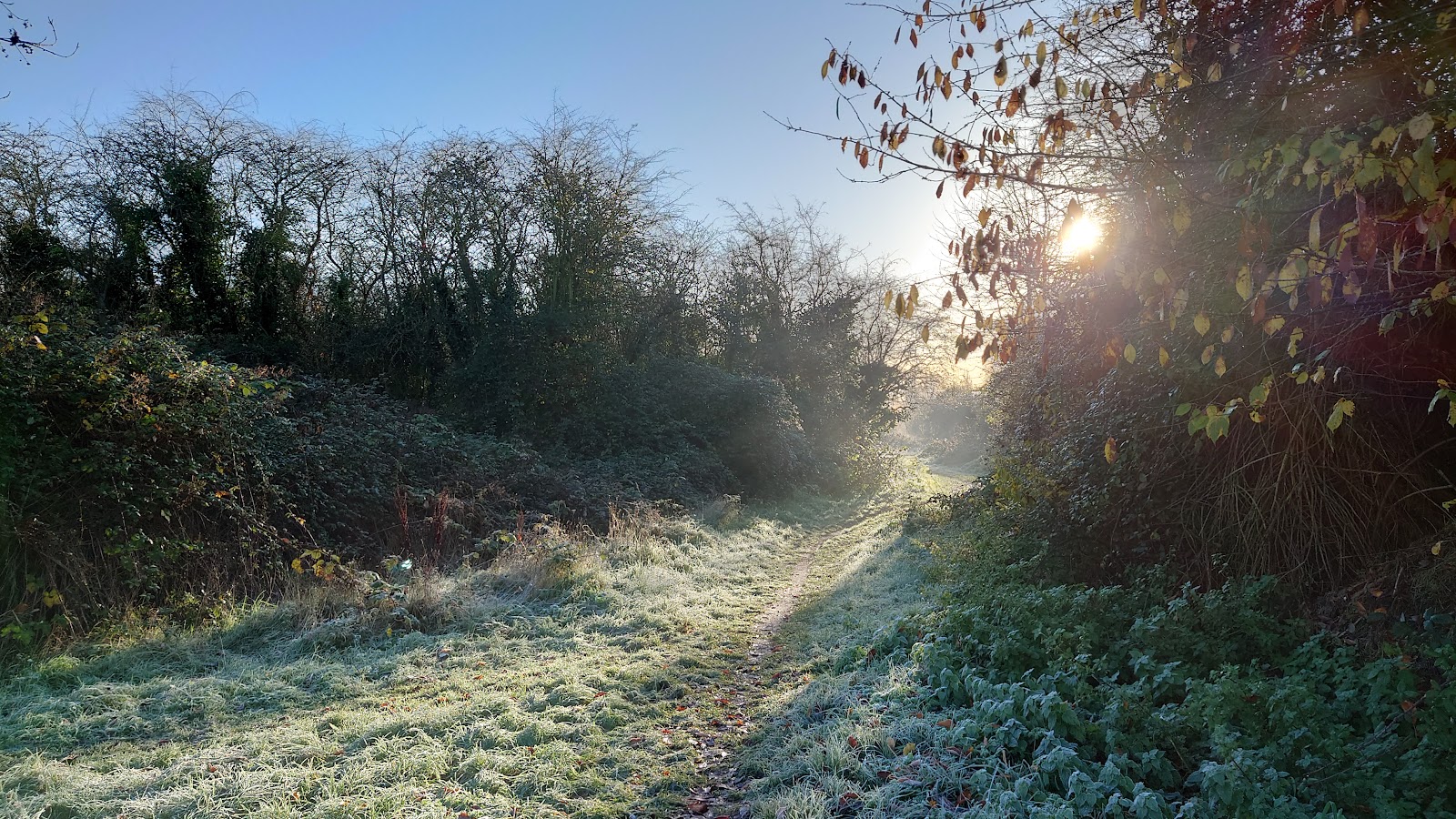
Bramblefields earns its place for the variety packed into a quiet two-hectare reserve: long grass, bramble and hawthorn, two managed ponds, and wildlife that changes with the seasons. It is a modest local nature walk, not a wilderness destination.
Peaceful
Find your way
Open mapLaxton Way, northwest Cambridge, CB4 1FL
Opening map…
Know this place a little better?
The experience
Take a quiet, unhurried walk through a small reserve of grassland, scrub and wetland. Notice how the habitats change around the ponds and bramble, and look for birds, insects and other wildlife; keep expectations in proportion to the site’s two-hectare scale.
Things to do
Walk through the reserve’s habitats
Explore the quiet grassland, scrub and wetland on a peaceful walk. The council describes flat terrain and good access throughout; no specific circuit or route length is published.
Watch the seasonal birdlife
Look and listen for birds among the bramble and hawthorn. The council names blackcaps and chiffchaffs in spring, and fieldfares and redwings in autumn.
Observe the two ponds
Pause by the small ponds, whose changing water levels support amphibians and insects. Swimming or paddling permission is not established.
Look for the pollinator habitat trial
Find the planted mound of recycled ceramics, which the council says has become a haven for solitary bees and bumblebees and is being monitored as a trial.
Make a day of it
Quick escape · Short visit; no published duration supplied
A quiet reserve wander
- 01
Enter from one of the access points listed by Cambridge City Council.
- 02
Follow the paths available on site through the grassland, scrub and wetland.
- 03
Pause by the ponds and look for birds and other wildlife; keep to marked paths and follow local signage.
Half day · No published duration supplied
Explore the habitats and wildlife
- 01
Take an unhurried walk through the reserve, noticing the changes between grassland, scrub and wetland.
- 02
Look for birds among the bramble and hawthorn, then spend time observing the ponds and their wildlife.
- 03
Look out for the planted recycled-ceramics mound, which the council says is being monitored as a habitat for solitary bees and bumblebees.
Verified history
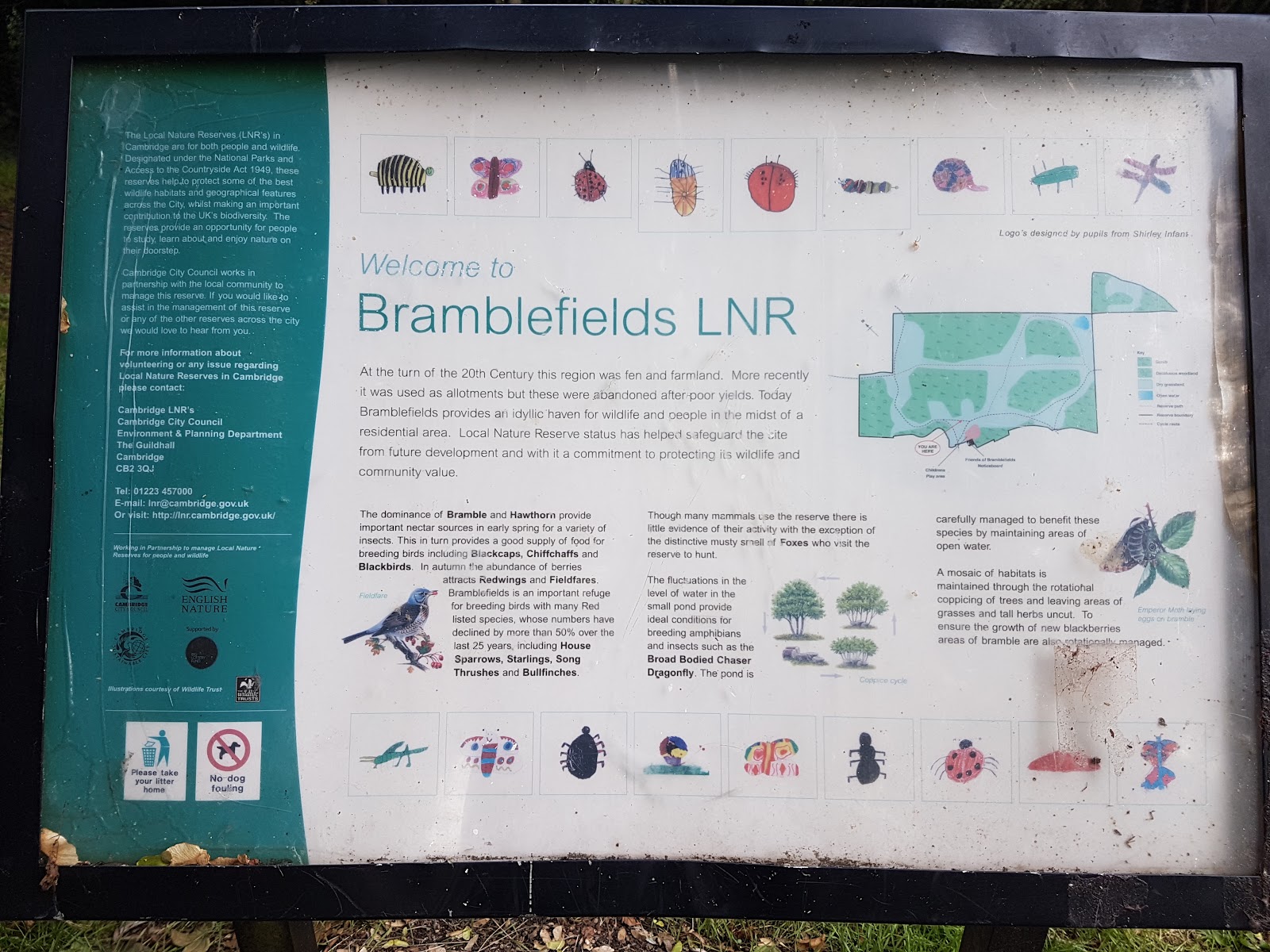
At the beginning of the 20th century, the site was fen and farmland; it was later used as allotments. Cambridge City Council now manages its habitats, including grassland, scrub and two ponds, for wildlife. The reserve covers about two hectares (five acres).
Hidden details
A changing bramble patch — The council rotates which areas of bramble are cropped each year to encourage new blackberry growth.
A habitat experiment made from recycled ceramics — A mound of recycled ceramics has been planted as a trial habitat for solitary bees and bumblebees; the council says it is monitoring how well it works.
When to go
· No specific time of day is recommended by the supplied source.
The council identifies spring as a time when blackcaps and chiffchaffs feed on insects around the bramble and hawthorn, and autumn as a time when fieldfares and redwings visit for berries.
No site-specific weather guidance is supplied. Check conditions before visiting.
What to look for
Look for the contrast between long grass, bramble and hawthorn, and the two ponds. The council also describes a mound of recycled ceramics planted as a trial habitat for solitary bees and bumblebees.
The story
Former fen and farmland; later used as allotments
Best time to go
Spring for blackcaps and chiffchaffs feeding among the bramble and hawthorn; autumn for fieldfares and redwings visiting for berries.
Spring for blackcaps and chiffchaffs; autumn for fieldfares and redwings feeding on berries. The council does not specify exact peak dates or times of day.
How long to spend
Under 1 hour
Perfect for
Walkers · Wildlife lovers · Families · Dogs
Practical information
Opening & access
Cambridge City Council lists entrances from Discovery Way, Laxton Way, Long Reach Road, Pippin Drive and Ribston Way. The reserve has flat terrain and good access throughout. Some on-street parking is nearby; the council encourages visitors to arrive on foot, by bike or by bus.
Parking
Some on-street parking nearby; the council encourages arriving on foot, by bike or by bus. Check before visiting for current parking details.
Check before visiting
Toilets
Check before visiting
Check before visiting
Food & drink
Check before visiting
Check before visiting
Dogs
The source row marks the reserve dog-friendly; check current signage and local guidance before visiting.
Check before visiting
Accessibility
The council describes flat terrain and good access throughout. Check before visiting for specific route or entrance details relevant to your needs.
Check before visiting
Cost
Check before visiting
Check before visiting
Water
Two small ponds
Gallery
Place photographs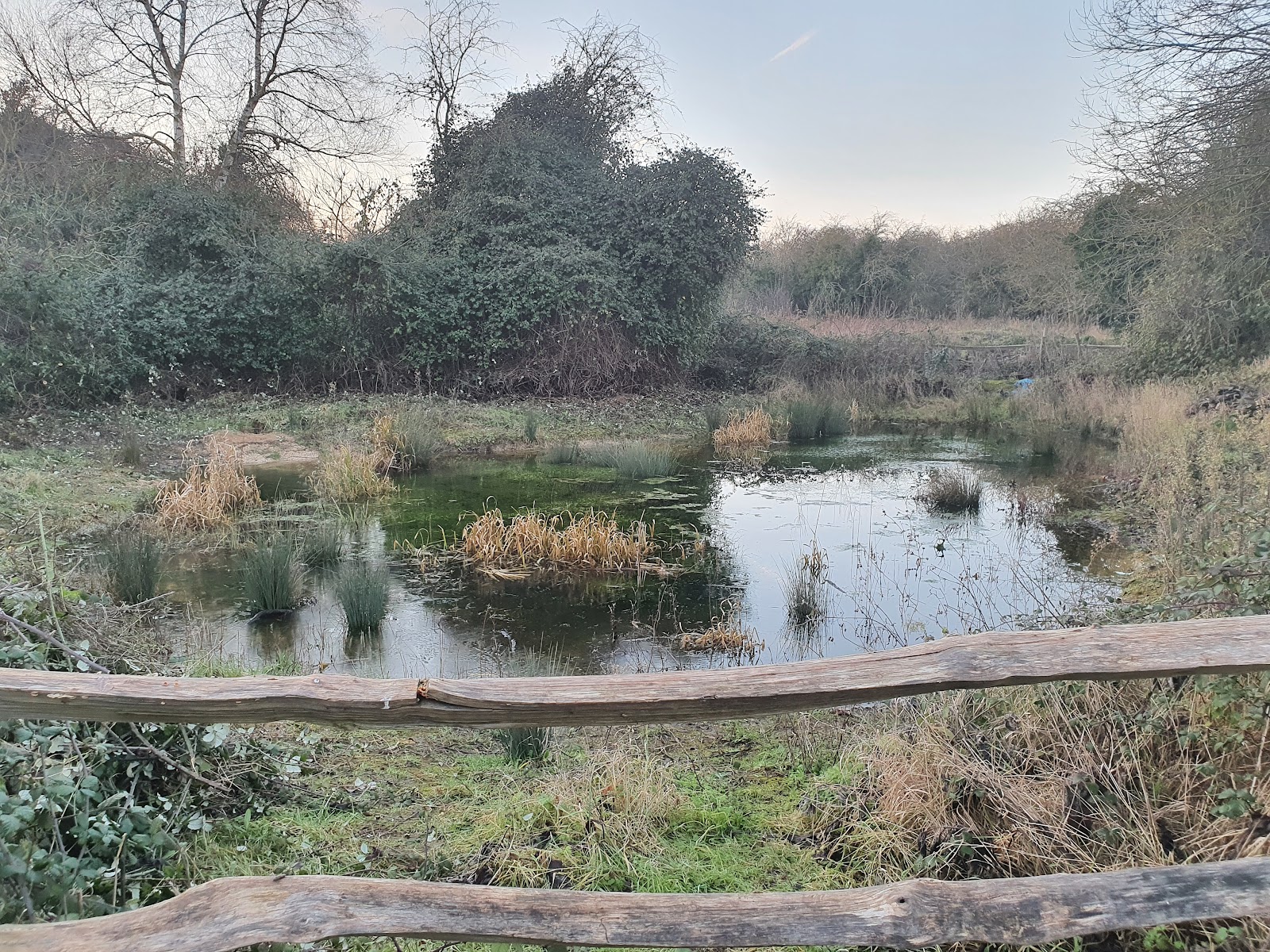
Keep exploring
Around Bramblefields Local Nature Reserve
Within 50 km · approximate straight-line distances
 Place photograph7.1
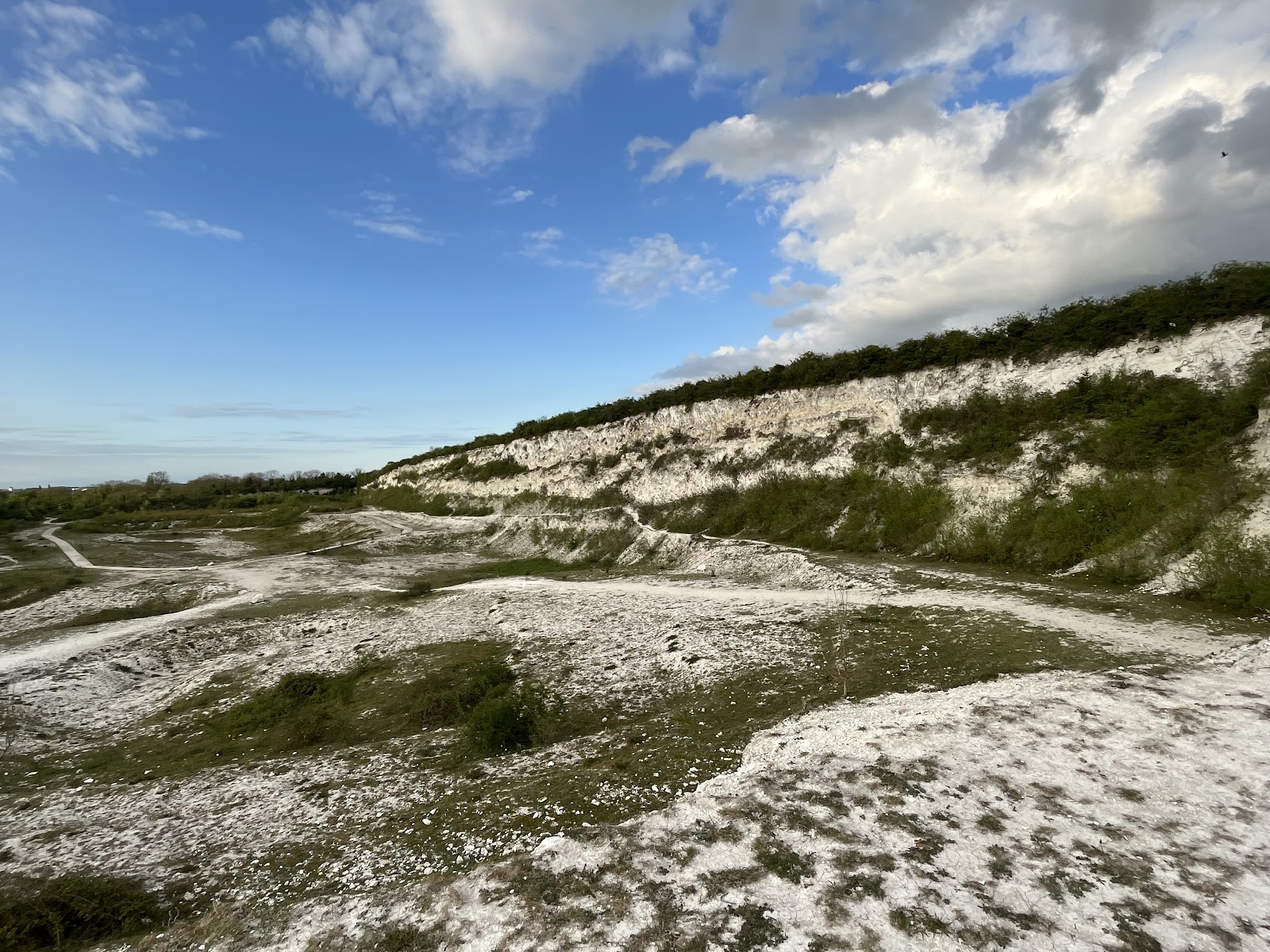
Cherry Hinton Chalk Pits
Fulbourn Road, Cambridge, Cambridgeshire CB1 8NQ
5.1 km away
 Place photograph5.2
Hobson's Park Bird Reserve
Trumpington, on the southern outskirts of Cambridge
6.3 km away