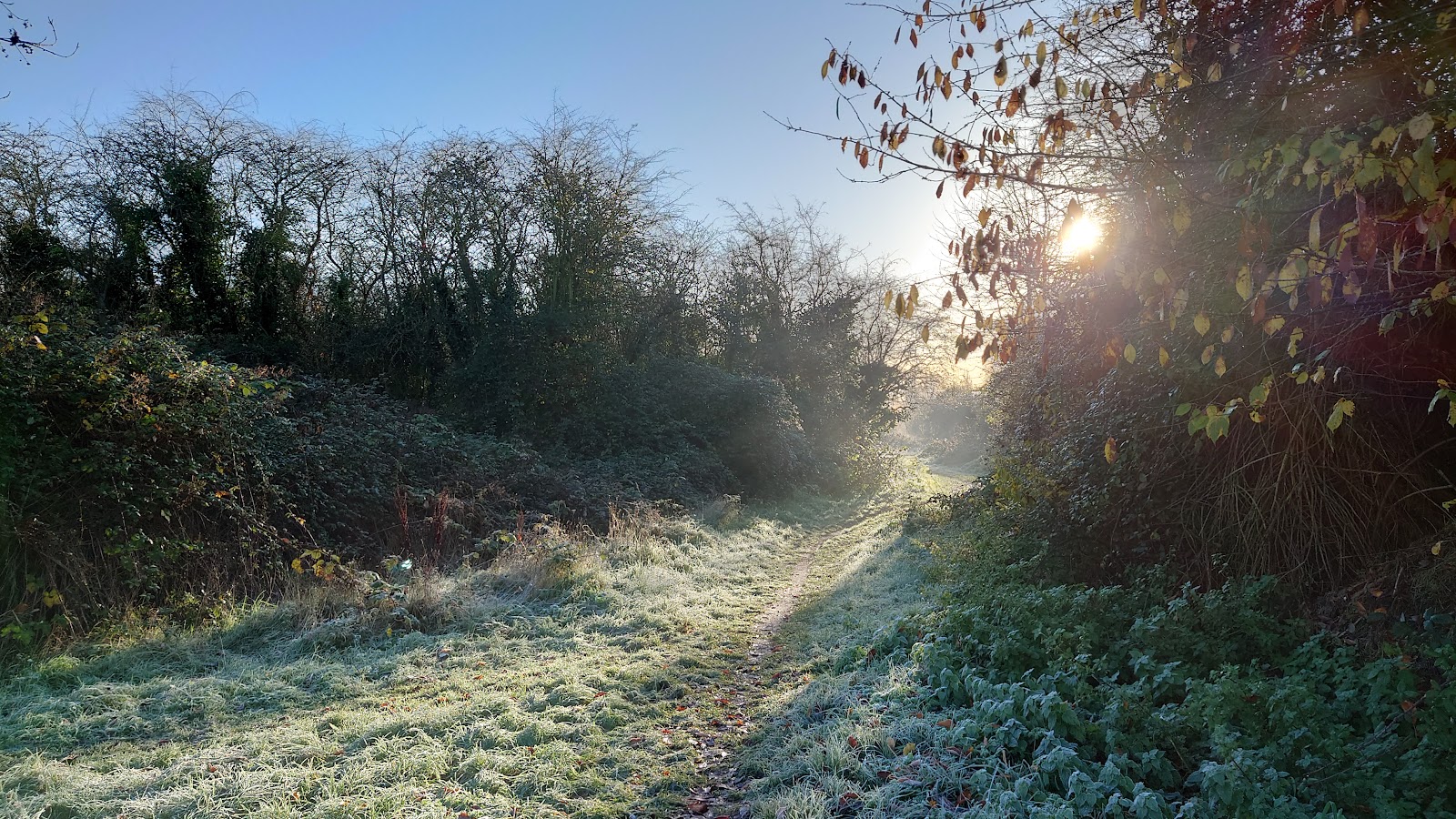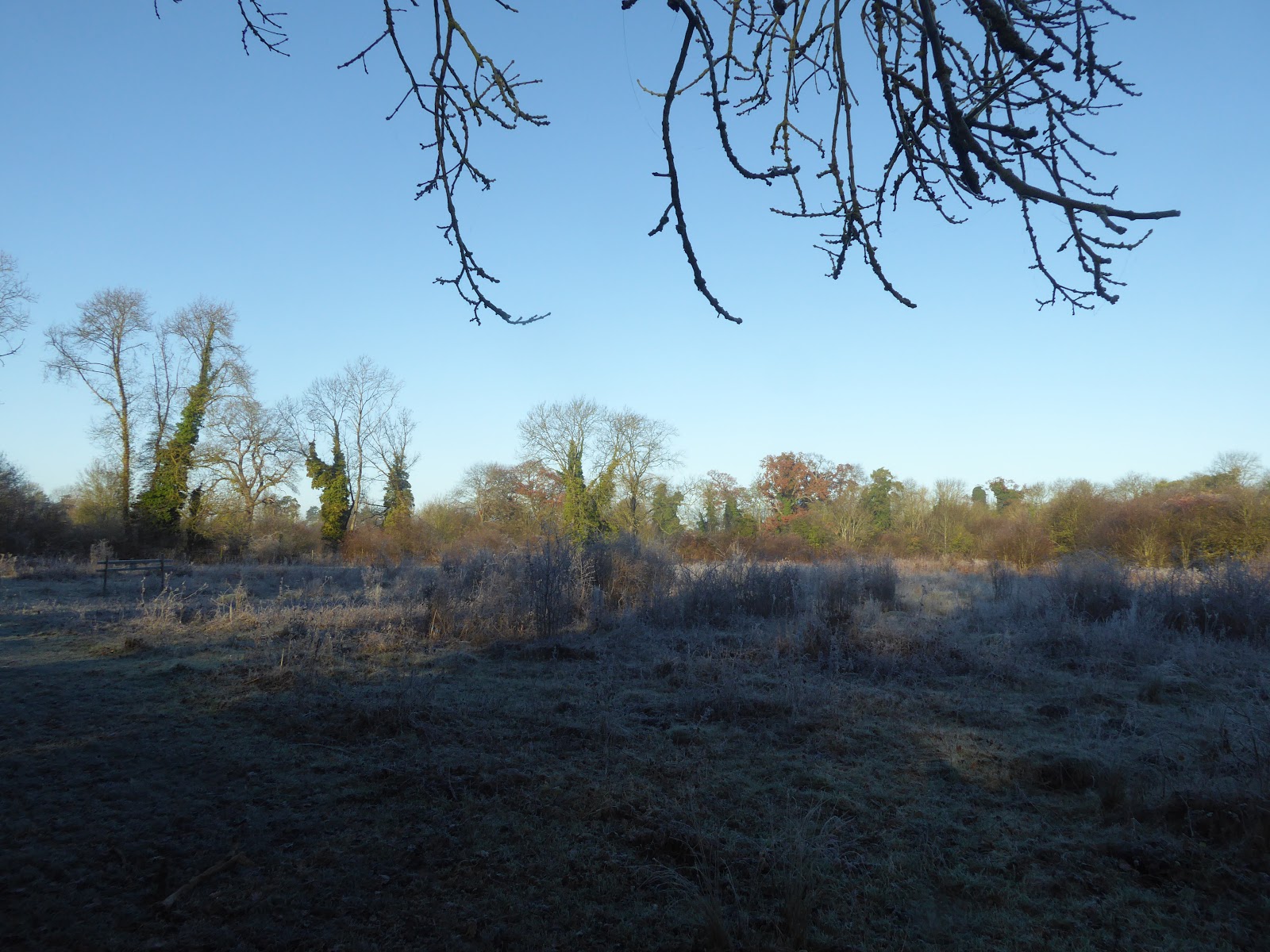
Trumpington, on the southern outskirts of Cambridge
Hobson's Park Bird Reserve
Mixed-habitat reserve
Place photograph
5.2
Wildland
1–2 hours
Time
Check
Cost
Peaceful
Feel
Why it's Wildland
5.2A young green corridor beside Hobson Brook, where reedy ponds and a small lake draw breeding and passage birds close to Cambridge’s Biomedical Campus.
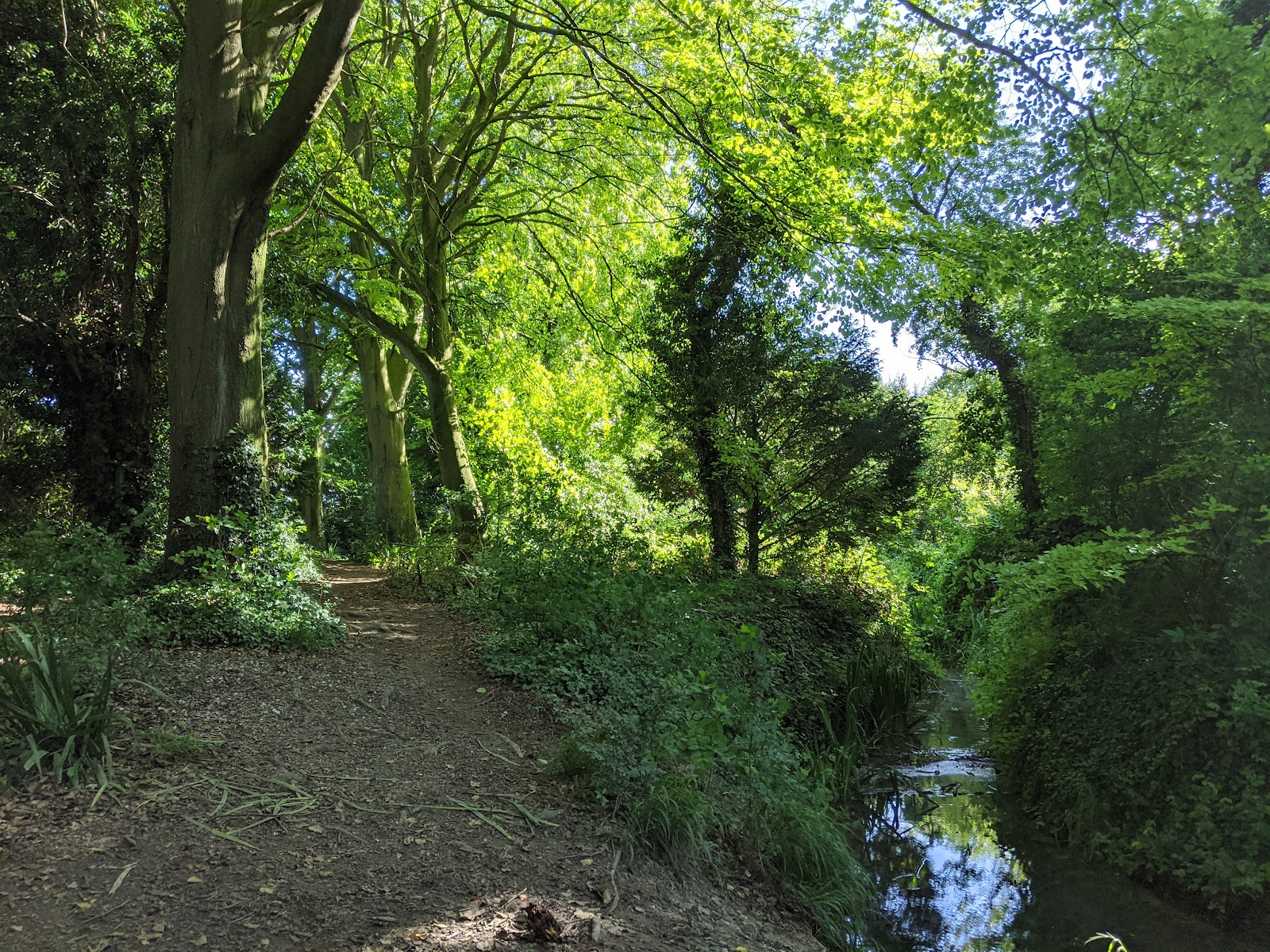
Hobson’s Park is a modest urban-edge green space rather than a remote reserve, but its mix of scrub, grassland, reed-fringed ponds and a lake offers rewarding birdwatching. Spring and autumn migration are the strongest reasons to visit; walk around the lake for wider views than the viewing screen currently provides.
Peaceful
Find your way
Open mapTrumpington, on the southern outskirts of Cambridge
Opening map…
Know this place a little better?
The experience
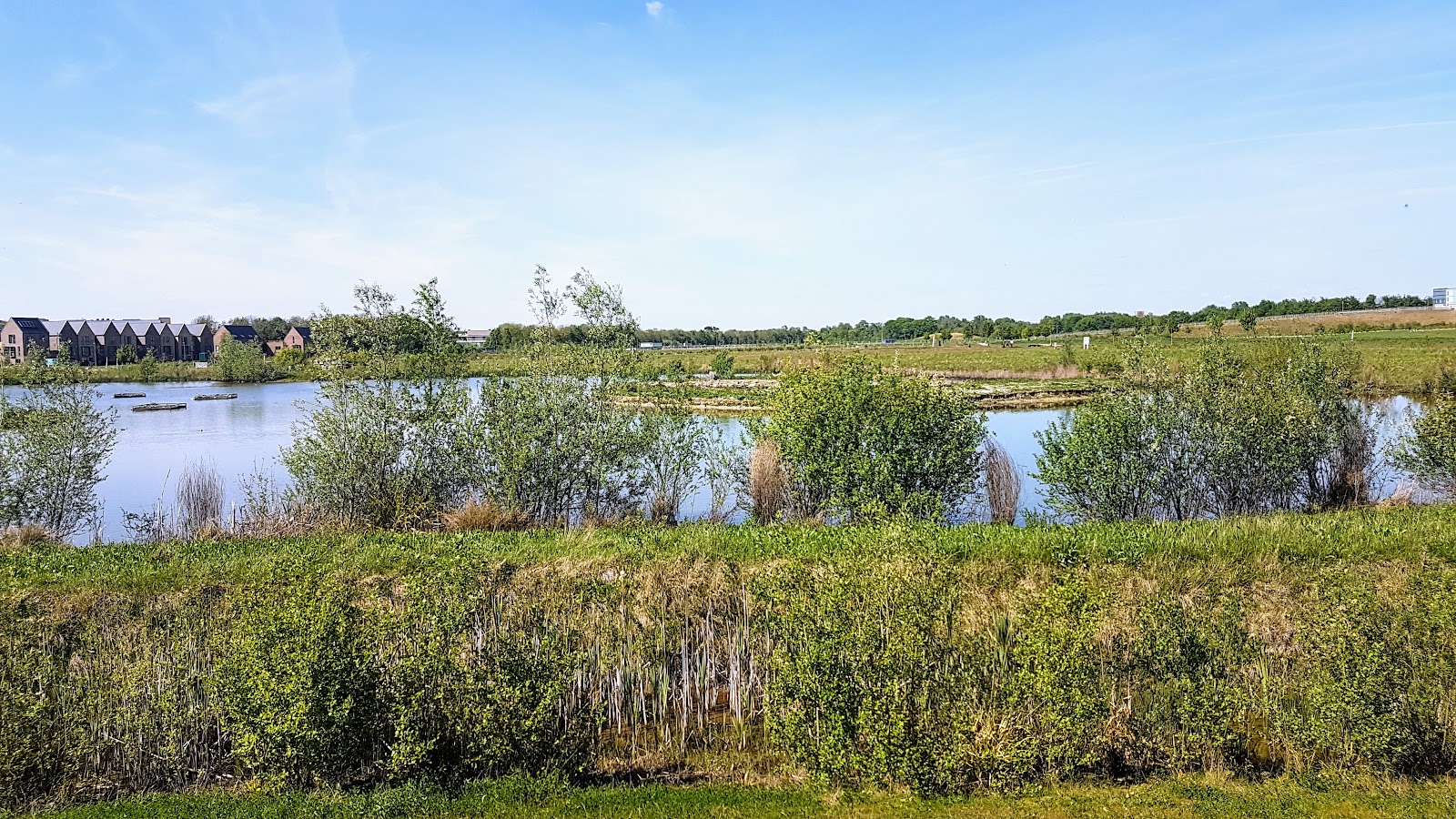
Allow about an hour to walk the park on foot and look across its lake, island, reedbeds and grassland. For the best view of the lake, walk around it rather than relying on the small viewing screen, which may be partly screened by growing trees.
Things to do
Walk around the lake
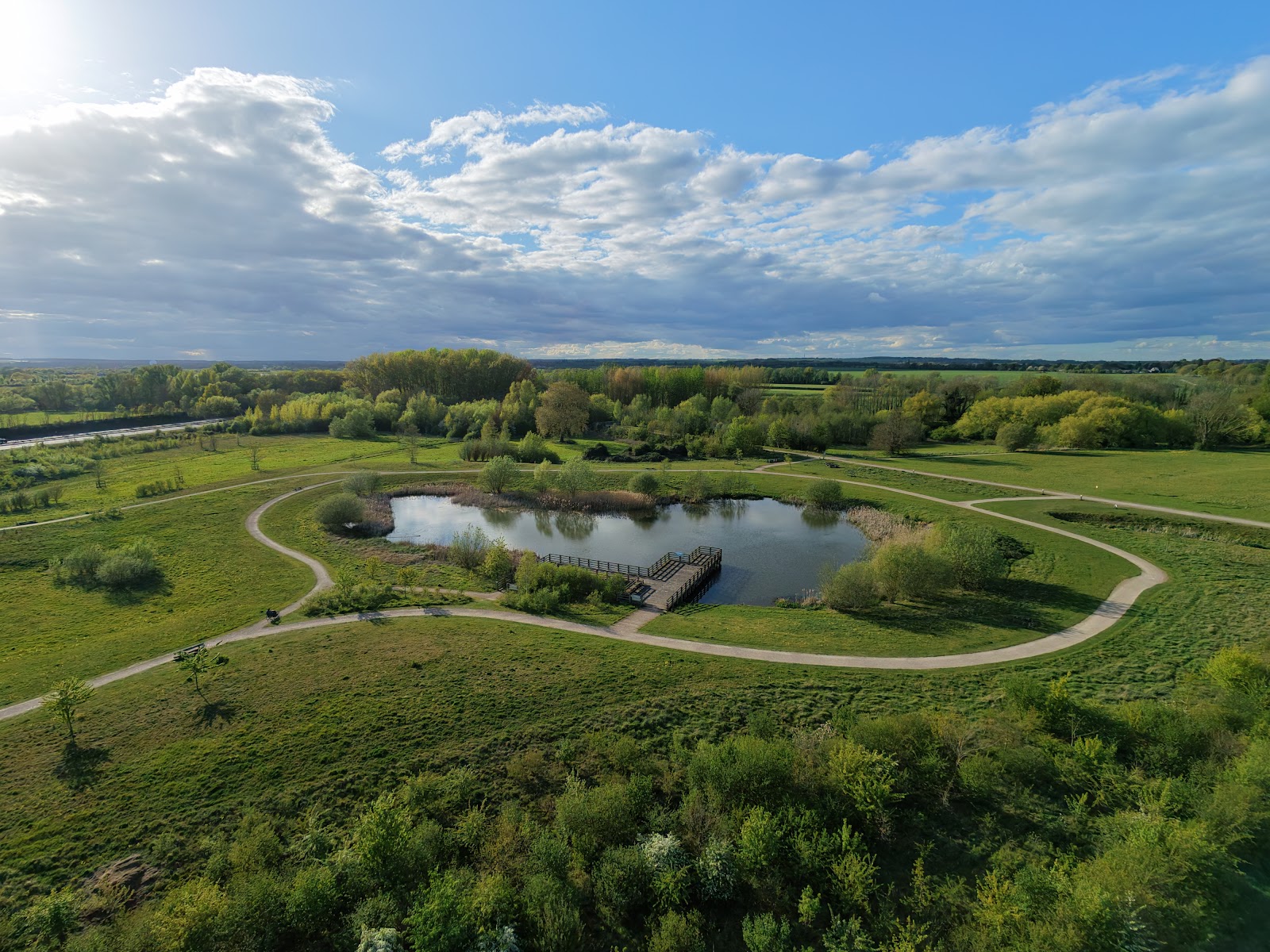
Walk around the small lake to see more of its surface and island; the birding guide notes that trees growing in front of the viewing screen can restrict the view.
Part of an hour-long visit
Look for breeding grassland birds
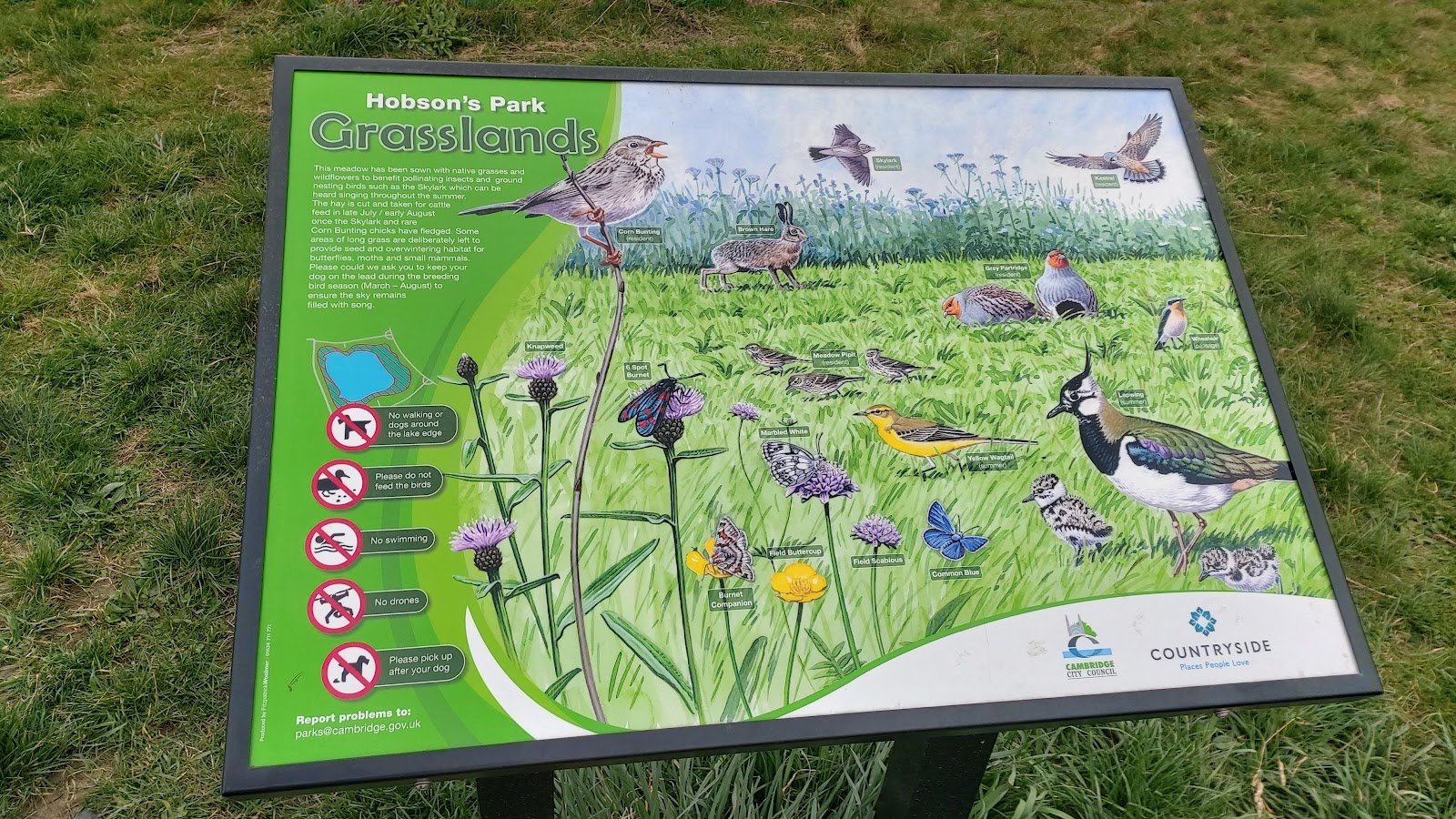
Watch and listen across the grasslands and scrub for corn bunting, lesser whitethroat, yellowhammer and skylark, which are reported as breeding at the park.
Check the ponds and lake during migration
Scan the water and reedbeds for passage birds. Spring and autumn are identified as the best birding seasons; common pochard and winter thrushes are noted in winter.
Watch for butterflies
Keep an eye out for butterflies while walking through the park; the birding guide also notes the site for butterfly watching.
Make a day of it
Quick escape · About 1 hour
A circuit for birds
- 01
Explore the park on foot, following the narrow paths around its lake and ponds.
- 02
Walk around the lake for a wider view than the small viewing screen may offer.
- 03
Pause to scan the grassland, scrub, reedbeds and water for birds; allow extra time if you want to watch carefully.
Hidden details
A viewing screen with a changing view — There is a small viewing screen by the lake, but the source notes that growing trees in front of it can obstruct the view. Walking around the lake is suggested for a fuller look.
Rare visitors have been recorded — The birding guide lists past rarities including Eurasian wryneck, white stork, garganey, Arctic tern and short-eared owl. These are occasional records, not birds to expect on every visit.
When to go
· No specific time of day is evidenced; spring and autumn migration are the recommended birding periods.
The source identifies spring and autumn migration as the best birding seasons. It also reports breeding corn buntings, lesser whitethroats and yellowhammers, and winter records of common pochard and winter thrushes.
The birding guide describes conditions as flat, wet or dry. No further weather guidance is available.
The route
- surface
- Narrow trail; detailed surface information not supplied
- duration
- About 1 hour to explore properly
- difficulty
- Easy
- route shape
- Circular trail reported
- start point
- Hobson's Park, on the southern outskirts of Cambridge; exact start point not specified
- parking start
- Driving is not ideal. The source suggests hospital car parking or parking in Trumpington and walking; verify current arrangements.
- Small lake with an island
- Reeded ponds and reedbeds
- Grassland and rough scrub
- Reported breeding corn bunting, lesser whitethroat and yellowhammer
- Spring and autumn passage birding
What to look for
- 01
Scan the grassland for skylarks and breeding corn buntings, lesser whitethroats and yellowhammers. Check the lake and reeded ponds for waterbirds
- 02
winter can bring common pochard and winter thrushes. Butterflies are also noted at the park.
Best time to go
Spring and autumn, especially during migration; winter can also bring pochard and winter thrushes.
Visit during spring or autumn migration for the best chance of seeing passage birds. Spring is also a good time to look for breeding corn buntings, lesser whitethroats and yellowhammers.
How long to spend
1–2 hours
Perfect for
Birdwatchers · Wildlife lovers · Walkers · Cyclists
Practical information
Opening & access
A small park and birding area accessible on foot or by bicycle from Cambridge or Trumpington. The source recommends allowing about an hour to explore.
Parking
Driving is not ideal. The source mentions hospital parking or parking in Trumpington followed by a walk; check current arrangements before setting out.
Check before visiting
Toilets
Check before visiting
Check before visiting
Food & drink
Check before visiting
Check before visiting
Dogs
Check before visiting
Check before visiting
Accessibility
The birding source describes a flat, easy but narrow trail and access on foot or by bicycle. Step-free access and wheelchair suitability are not confirmed; check before visiting.
Check before visiting
Cost
Check before visiting
Check before visiting
Water
Small lake, reeded ponds and Hobson Brook. No swimming or paddling permission is evidenced.
Gallery
Place photographs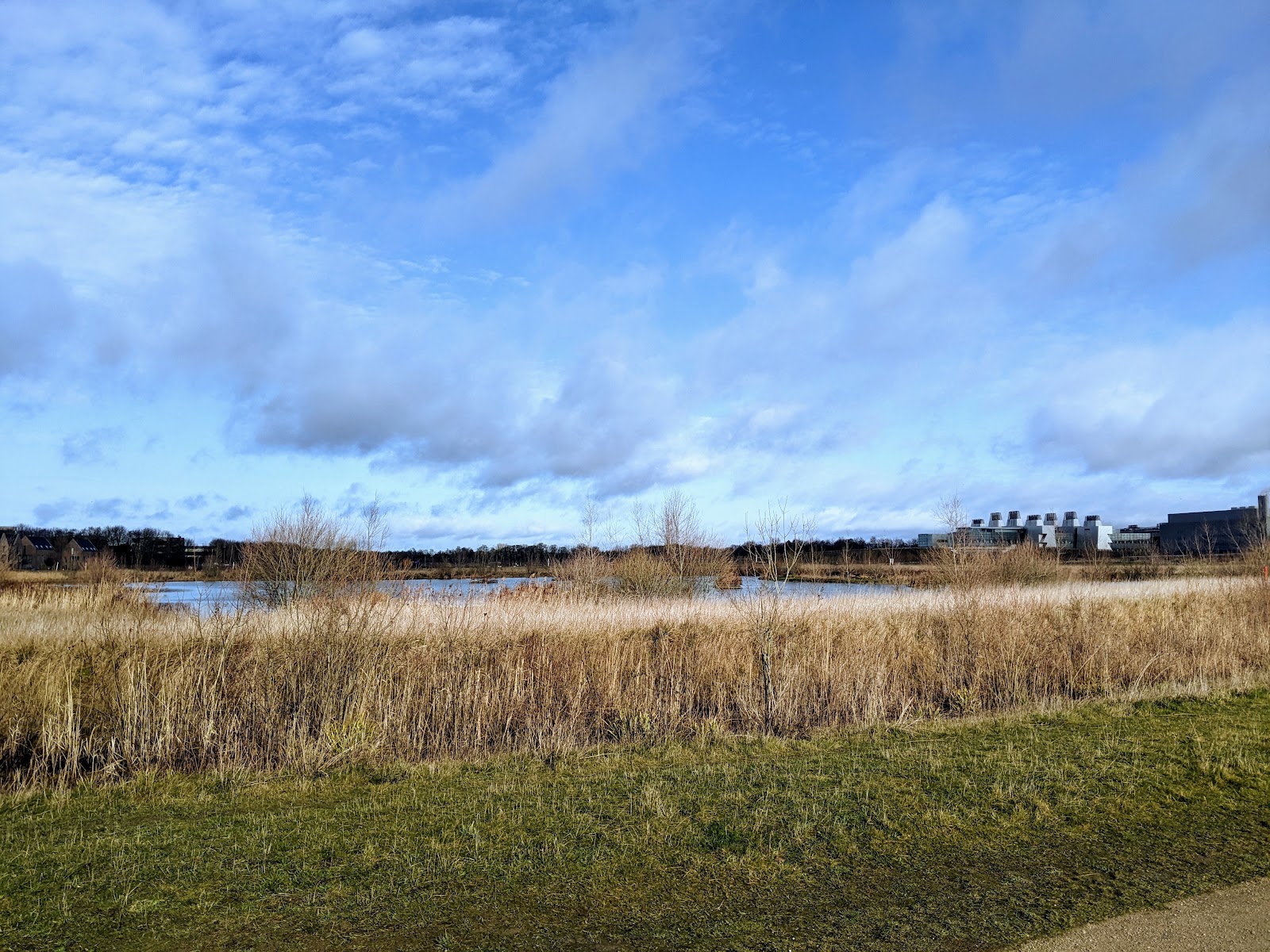
Keep exploring
Around Hobson's Park Bird Reserve
Within 50 km · approximate straight-line distances
 Place photograph7.1
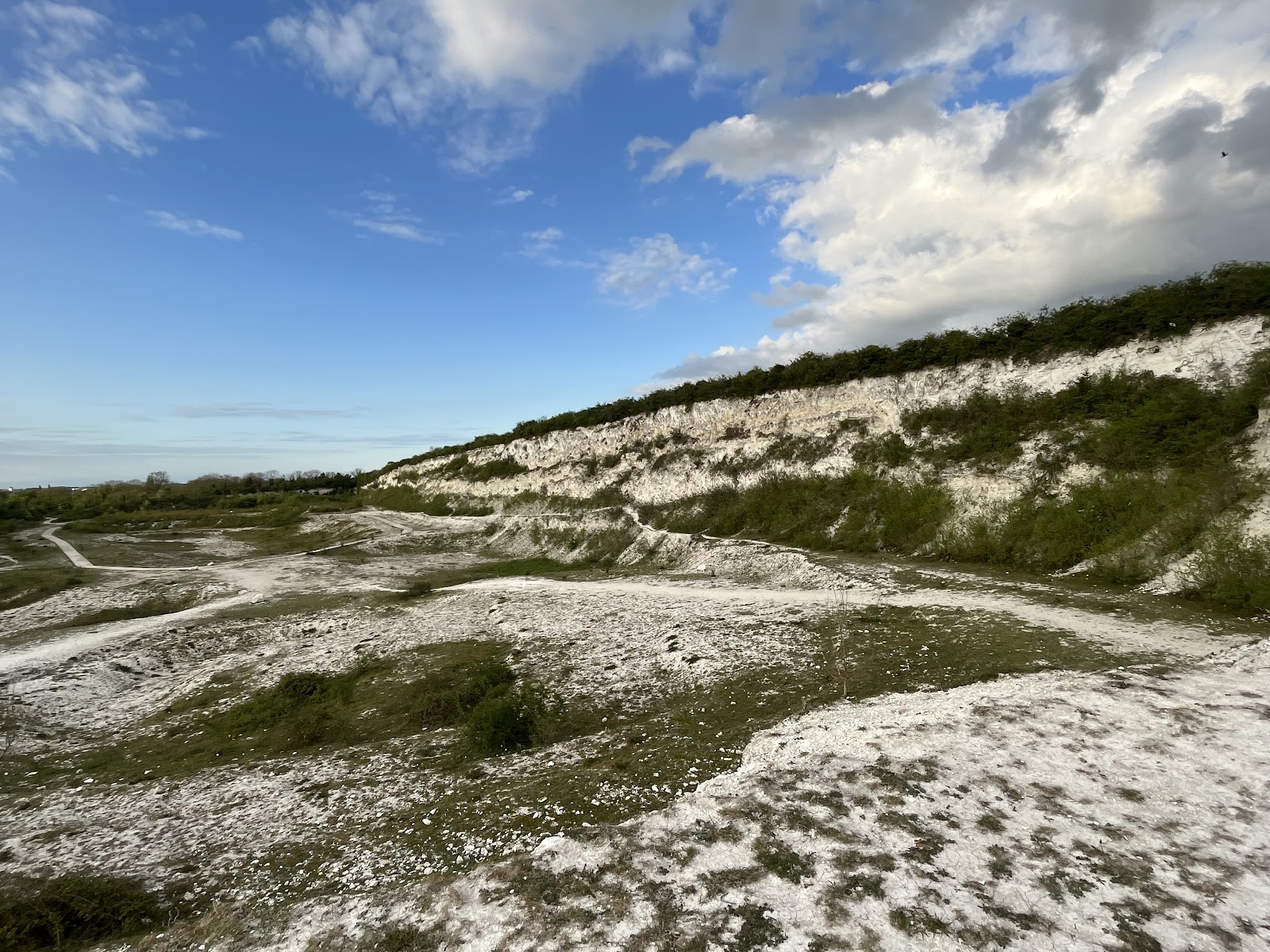
Cherry Hinton Chalk Pits
Fulbourn Road, Cambridge, Cambridgeshire CB1 8NQ
3.1 km away
 Place photograph5.4
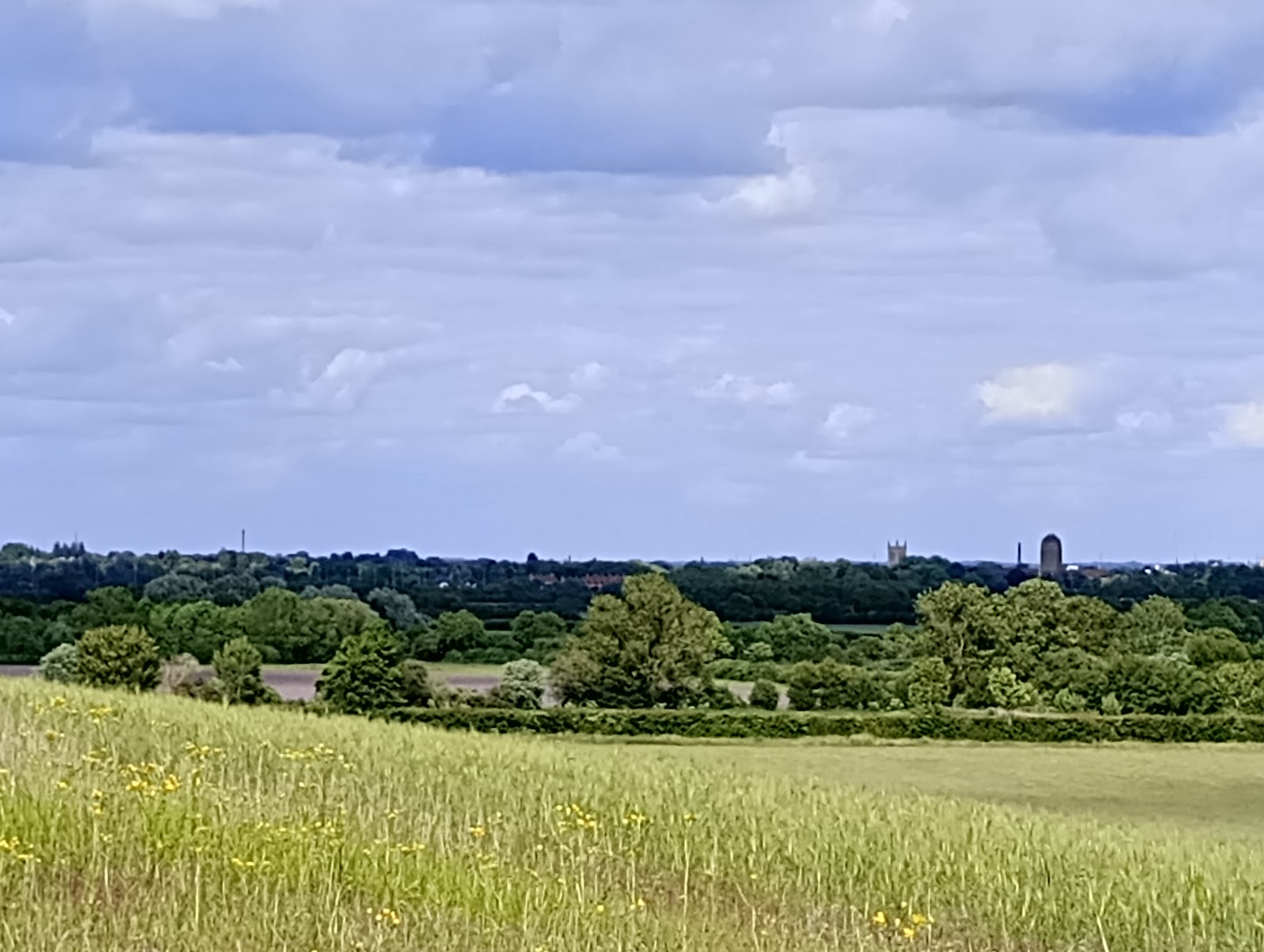
Coton Countryside Reserve
Grantchester Road, near Coton, west of Cambridge
5.3 km away