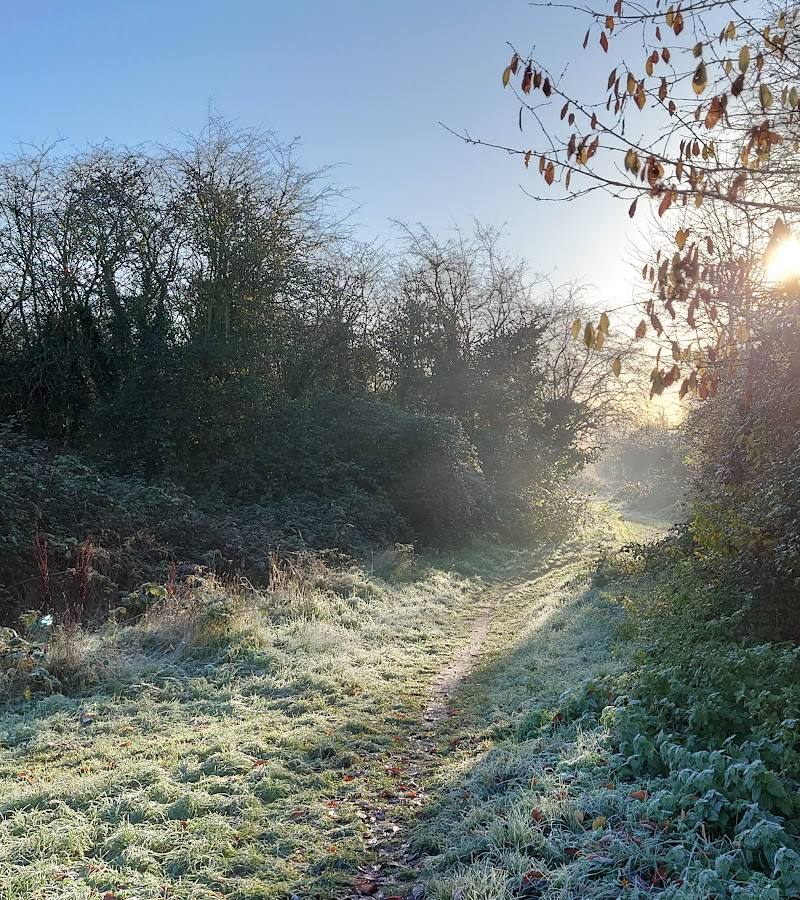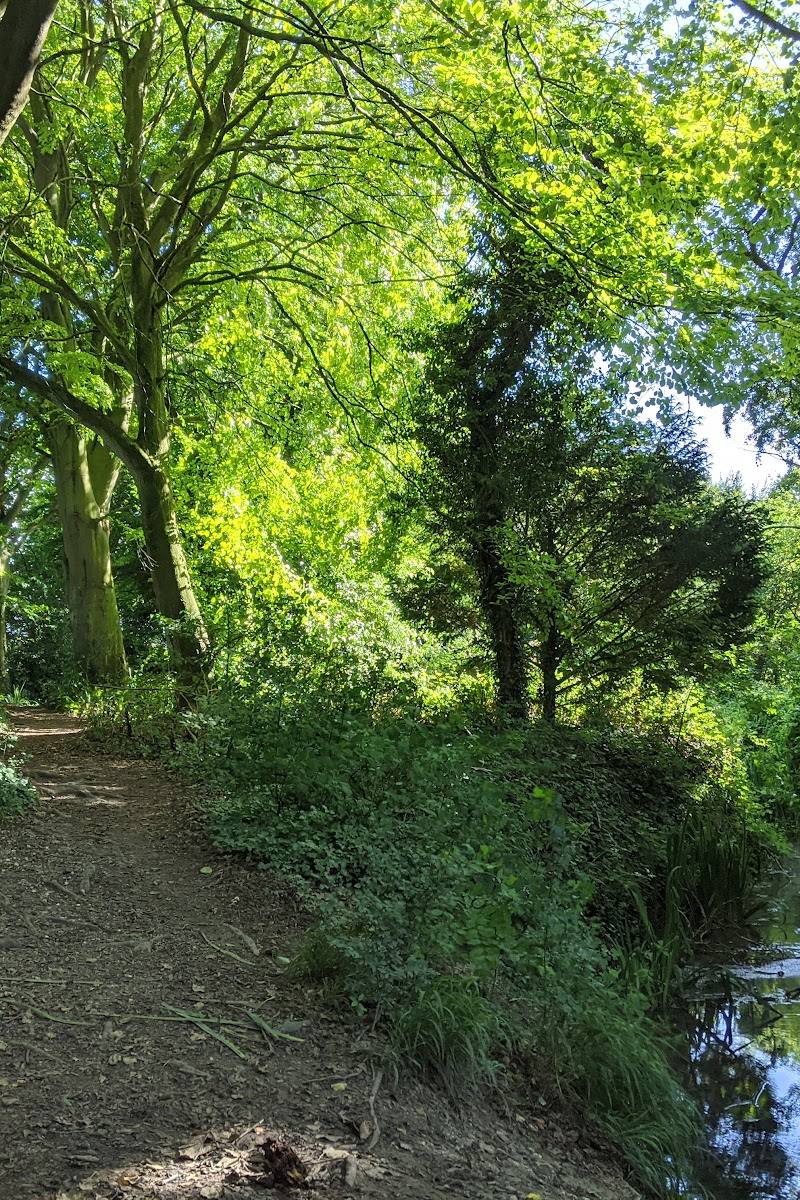
Off Granham’s Road, Great Shelford, Cambridgeshire CB22 5LQ
Nine Wells
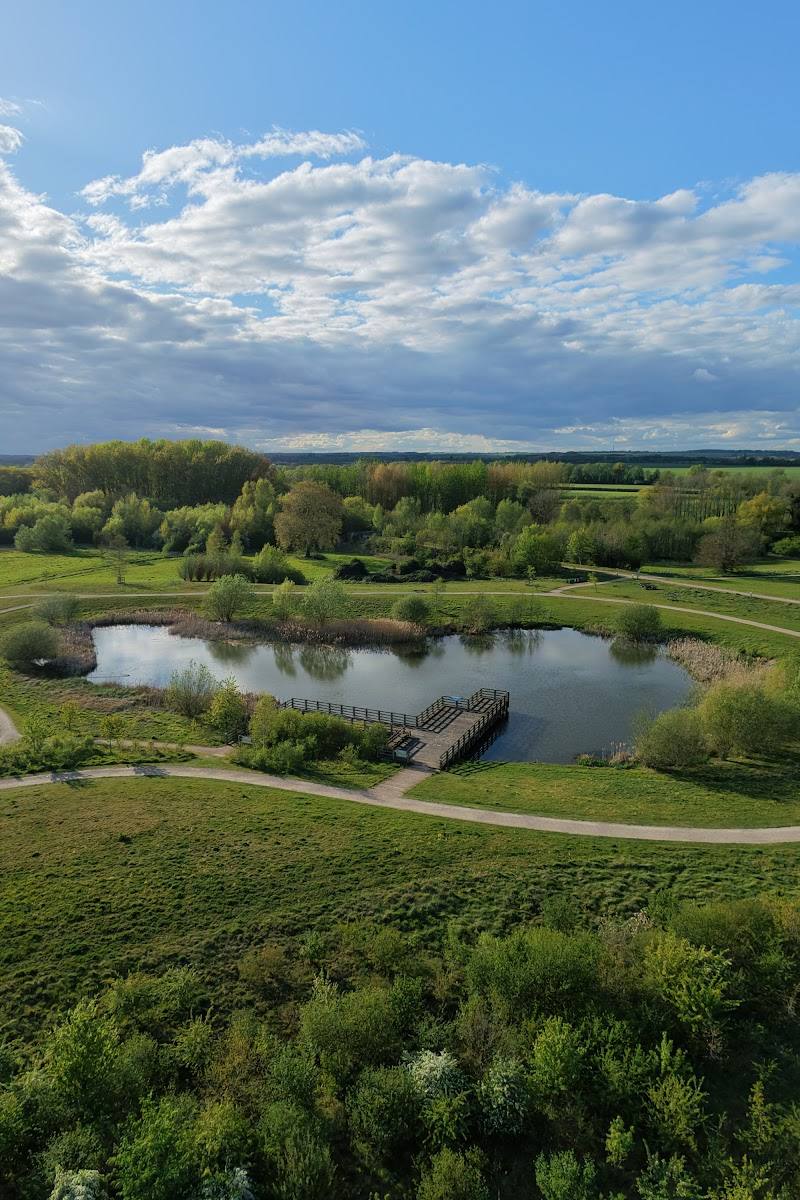
Mixed-habitat reserve
Place photograph
6.2
Wildland
Check before visiting
Time
Check
Cost
Peaceful
Feel
Why it's Wildland
6.2Nine chalk springs give this small reserve its name and feed Hobson’s Conduit, the waterway that carries their flow towards Cambridge.
Nine Wells earns its place for the unusual meeting of chalk springs, wildlife-rich scrub and a tangible link to Cambridge’s historic water supply. It is a modest reserve rather than a destination for a long day out, but the springs give this quiet green space a story that continues into the city.
Peaceful
Find your way
Open mapOff Granham’s Road, Great Shelford, Cambridgeshire CB22 5LQ
Opening map…
Know this place a little better?
The experience
Explore the reserve’s mix of woodland, scrub and water, then follow the story of the chalk springs into Cambridge through Hobson’s Conduit. No measured route or visit duration is published, so check access and allow time according to your plans.
Things to do
Find the chalk springs
The reserve’s name refers to its nine chalk springs, which are the source of the Hobson’s Conduit waterway.
Look for summer dragonflies and butterflies
Cambridge City Council says dragonflies and butterflies feed and shelter in the open grassland areas during summer.
Watch the hedgerows in autumn
Redwings feed in the reserve’s hedgerows in autumn. Other birds listed as regular visitors include grey partridges, yellowhammers, skylarks and linnets.
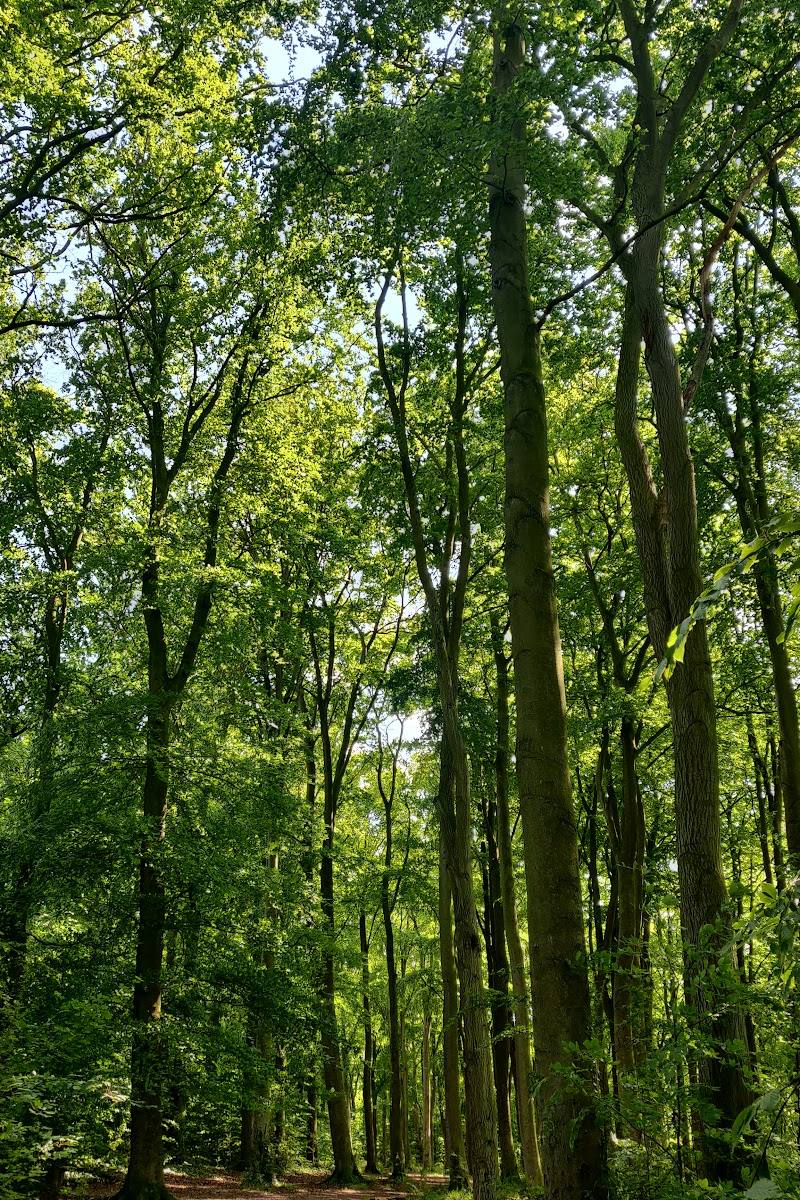
Notice the mature beech and spindle
The woodland has mature beech trees; older, sprawling spindle shrubs create conditions that support invertebrates, including spindle ermine moth larvae.
Make a day of it
Quick escape · No visit duration is published; allow time to explore and check before visiting.
Meet the springs
- 01
Reach the reserve on foot using an access point identified by Cambridge City Council.
- 02
Explore the mix of woodland, scrub and water.
- 03
Look for the chalk springs that give Nine Wells its name and feed Hobson’s Conduit.
Half day · No route distance or duration is published; check before setting out.
Follow the water story towards Cambridge
- 01
Begin at Nine Wells and learn how its springs feed Hobson’s Conduit.
- 02
Follow the wider waterway story towards Cambridge; a suggested walking trail to Cambridge Market Square has been described by Cambridge Past, Present & Future.
- 03
Check the route and current access details before setting out.
Verified history
Nine Wells’ chalk springs feed Hobson’s Conduit, a waterway flowing through Cambridge. In the 17th century, Thomas Hobson and others concerned about insanitary water in the King’s Ditch funded and implemented the channelling of fresh water from the springs into the city to flush out the ditch. Later, runnels and underground pipes carried water to places around Cambridge. An obelisk at Nine Wells commemorates people connected with this work.
Hidden details
A former SSSI and a lost invertebrate community — Nine Wells was once a Site of Special Scientific Interest because it supported rare freshwater invertebrates. Cambridge City Council says they were lost during the 1976 drought and that reintroduction is a long-term aim.
The water story reaches the city centre — Hobson’s Conduit is more than a stream from the reserve: Cambridge Past, Present & Future describes its branches, channels and pipes as part of Cambridge’s historic water supply. A suggested walking trail has linked Nine Wells with Cambridge Market Square.
When to go
June · July · August · September · October · No particular time of day is identified by the supplied sources.
Summer brings dragonflies, butterflies and nesting reed warblers; redwings feed in the hedgerows during autumn. These are seasonal wildlife opportunities, not guarantees.
No site-specific weather or path-condition information is provided. Check conditions before visiting.
Worth pairing with
Hobson’s Conduit towards Cambridge Market Square
Pair the reserve with the wider waterway story. Cambridge Past, Present & Future describes a suggested walking trail from Nine Wells to Cambridge Market Square; verify the route and access before setting out.
What to look for
- 01
Look for the chalk springs and their watercourses
- 02
mature beech trees
- 03
older, sprawling spindle shrubs
- 04
and birds using the reserve, including summer reed warblers and autumn redwings. The site’s name refers to its nine springs.
The story
Hobson’s Conduit and Cambridge’s historic water supply
Best time to go
Summer for dragonflies, butterflies and nesting reed warblers; autumn for redwings in the hedgerows. Visiting wildlife varies.
Summer is the strongest season for dragonflies, butterflies and nesting reed warblers. In autumn, look for redwings feeding in the hedgerows.
How long to spend
Check before visiting; no visit duration is published.
Perfect for
Walkers · Wildlife lovers · History lovers
Practical information
Opening & access
Cambridge City Council says the reserve can be reached on foot from Granham’s Road, by a permissive path from Foster Road, or via the cycle path between Shelford and Addenbrooke’s. There is no road access to the reserve.
Parking
There is no road access to the reserve. Parking information is not published; check before visiting.
Check before visiting
Toilets
Check before visiting
Check before visiting
Food & drink
Check before visiting
Check before visiting
Dogs
The source row marks the place dog-friendly; confirm current rules and signage before visiting.
Accessibility
Access is described via footpaths and a cycle path; surface, gradients and step-free suitability are not specified. Check before visiting.
Check before visiting
Cost
Check before visiting
Check before visiting
Water
Chalk springs and watercourses; swimming or paddling permission is not established.
Gallery
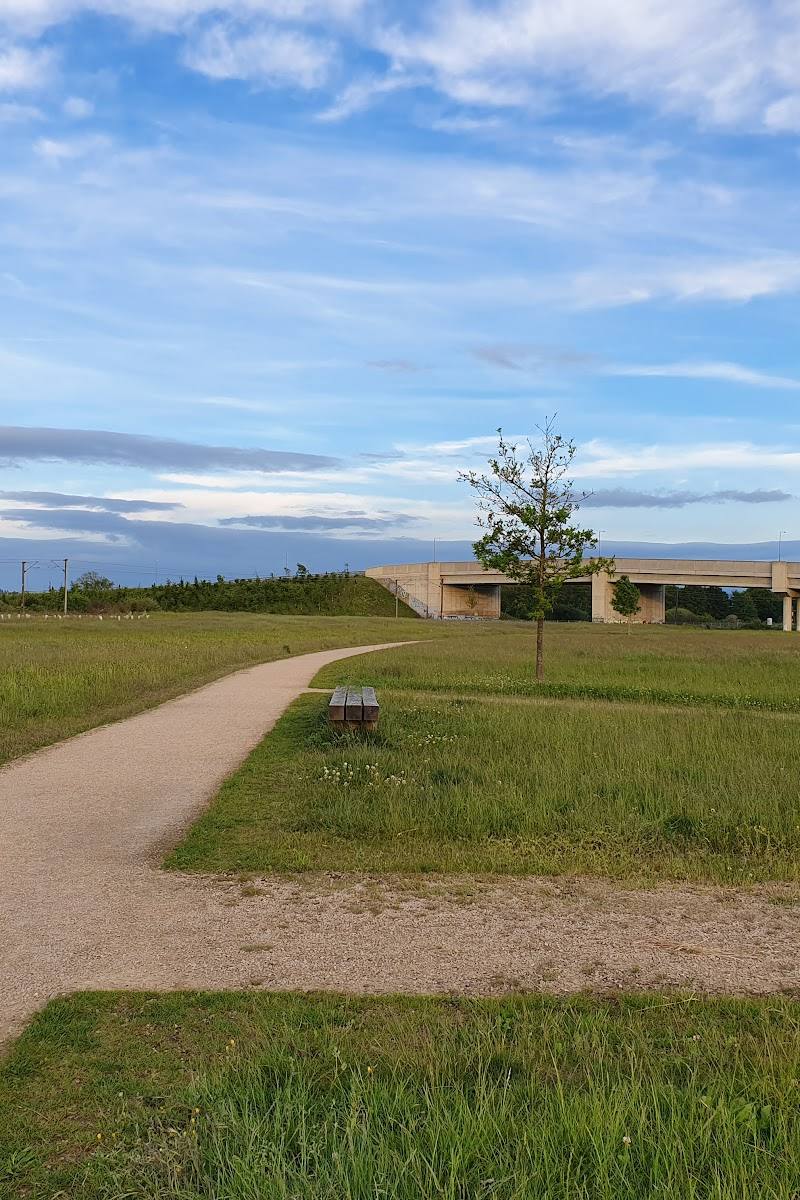
Place photographs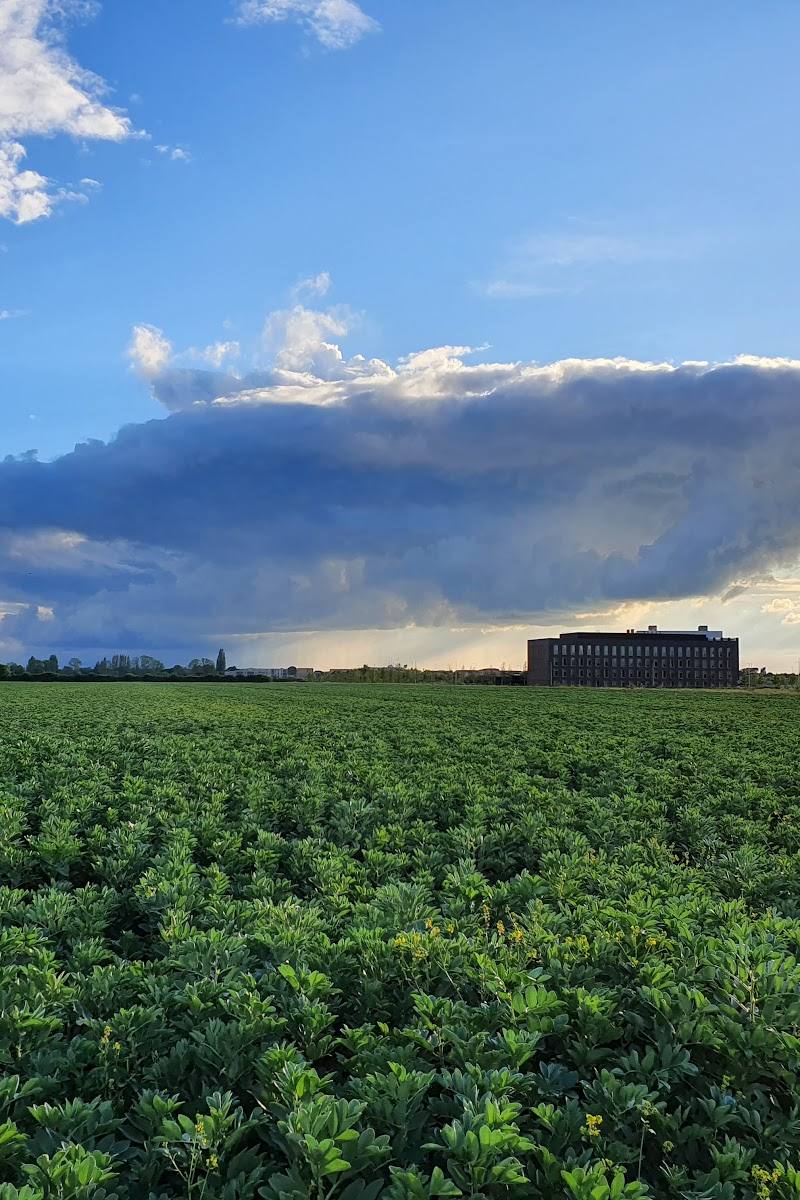
Keep exploring
Around Nine Wells
Within 50 km · approximate straight-line distances
 Place photograph5.2
Hobson's Park Bird Reserve
Trumpington, on the southern outskirts of Cambridge
0.7 km away
 Place photograph7.1
Cherry Hinton Chalk Pits
Fulbourn Road, Cambridge, Cambridgeshire CB1 8NQ
2.8 km away
 Place photograph5.4
Coton Countryside Reserve
Grantchester Road, near Coton, west of Cambridge
5.9 km away