Fulbourn Road, Cambridge, Cambridgeshire CB1 8NQ
Cherry Hinton Chalk Pits
Mixed-habitat reserve
Place photograph
7.1
Wildland
1–2 hours
Time
Free
Cost
Atmospheric
Feel
Why it's Wildland
7.1A former chalk quarry where exposed white cliffs frame a rare chalk-grassland habitat on Cambridge’s edge.
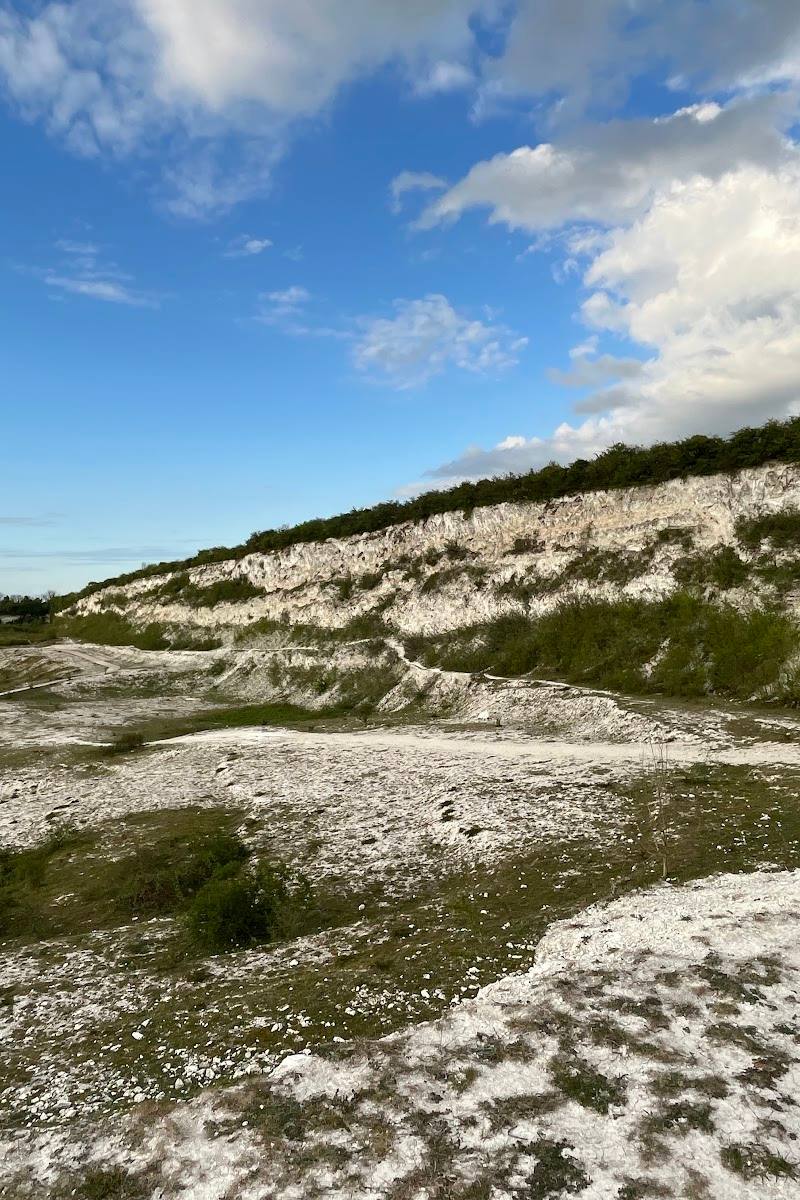
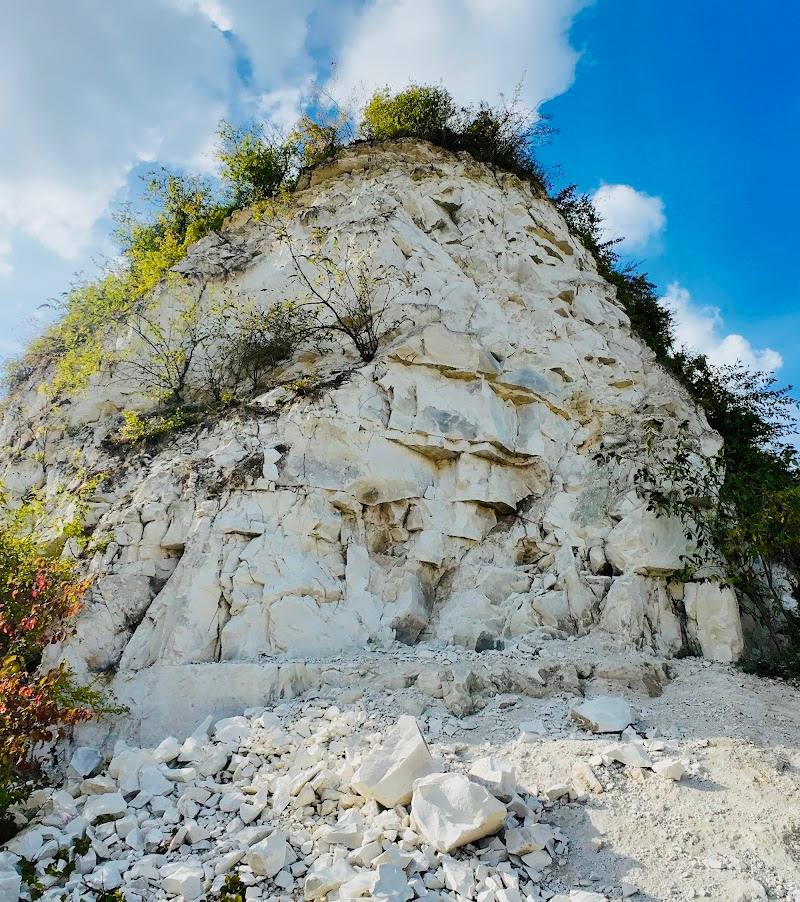
The chalk-pit setting gives this small reserve a striking sense of place, but its real distinction is ecological: the quarried ground has become habitat for rare plants, insects and more than 60 bird species. The rare moon carrot grows here, and the cliffs catch the late-afternoon sun.
Atmospheric · Wild
Find your way
Open mapFulbourn Road, Cambridge, Cambridgeshire CB1 8NQ
Opening map…
Know this place a little better?
The experience
Explore part of a former chalk quarry reclaimed by wildlife. Take the level, surfaced path around part of East Pit where suitable, look for chalk-loving wildflowers, and enjoy the contrast between the pale cliffs and scrub. Stay clear of cliff bases and do not climb the cliffs.
Things to do
Take in the East Pit chalk cliffs
Explore the former quarry setting and notice how its steep chalk cliffs contrast with the vegetation reclaimed at their base. Do not climb the cliffs or linger below them because of the falling-rock risk.
Check before visiting
Look for chalk-grassland flowers
The Wildlife Trust names milkwort, common thyme and kidney vetch among the wildflowers thriving on the exposed chalk.
Watch for birds around the scrub and cliffs
The reserve’s scrub habitat and cliffs provide nesting and feeding sites for more than 60 bird species.
Find out about the rare moon carrot
This rare plant grows at Cherry Hinton Chalk Pits and, according to the Wildlife Trust, only two other locations in the country.
Make a day of it
Quick escape · Under 1 hour
Quick Escape: the chalk-pit view
- 01
Use the Fulbourn Road lay-by opposite the public house.
- 02
Explore the accessible level, surfaced path around part of East Pit if conditions and access suit.
- 03
Pause to take in the chalk cliffs and look for chalk-grassland plants.
- 04
Keep clear of the cliff bases and do not climb the cliffs.
Half day · 2–3 hours
Make a half day of it: explore the reserve slowly
- 01
Allow time to explore the reserve on foot; the supplied Trip.com listing recommends 2–3 hours for sightseeing.
- 02
Follow the paths around the parts of East Pit open to visitors, using the level, surfaced section where appropriate.
- 03
Look for milkwort, common thyme and kidney vetch, and watch for birds around the scrub and cliffs.
- 04
Finish with a closer look at the quarry landscape, staying well away from cliff bases.
Verified history
East Pit was quarried for hard chalk used in building Cambridge University colleges and for lime used in cement. It was worked until the early 1980s. In 2009, the base was reprofiled, breaking up much of the solid chalk surface and allowing wildflowers and grasses to colonise the exposed ground.
Hidden details
A rare plant with very few known sites — The Wildlife Trust says moon carrot grows here and at only two other locations in the country: Beachy Head in East Sussex and Knocking Hoe in Bedfordshire.
Look for the quarry’s afterlife in the exposed chalk — The 2009 reprofiling of the pit floor broke up a solid chalk surface, helping wildflowers and grasses establish on the newly exposed ground.
When to go
April · May · June · July · Late afternoon for the cliffs’ light; spring–summer for the Wildlife Trust’s recommended visiting season.
The Wildlife Trust recommends spring–summer. It records chalk-grassland flowers at the reserve and notes that the cliffs glow in late-afternoon sun. Exact peak flowering dates are not given.
Check conditions before visiting. The reserve has steep slopes and steps in parts; the surfaced path covers only part of East Pit. Keep away from the cliff bases because rocks may fall.
Worth pairing with
Cherry Hinton Hall and the chalk pits
A supplied local route page describes a three-mile circular trip that can be walked or cycled and links Cherryhinton Hall with the chalk pits. Check the route details before setting out.
What to look for
Look for chalk-loving wildflowers including milkwort, common thyme and kidney vetch. The rare moon carrot grows at this site. Scrub and cliffs provide nesting and feeding habitat for more than 60 bird species. Keep away from cliff bases.
The story
Chalk quarrying and lime production
Best time to go
Spring–summer, as recommended by the Wildlife Trust; wildflowers and wildlife are key reasons to visit.
The Wildlife Trust recommends spring–summer. Late afternoon can bring out the colour of the chalk cliffs, according to the reserve information.
How long to spend
1–2 hours
Perfect for
Walkers · Wildlife lovers · Photographers · Families · Dogs
Practical information
Opening & access
Wildlife Trust reserve, open at all times with no entry fee. Park in the lay-by opposite the public house on Fulbourn Road. Keep away from cliff bases and do not climb the cliffs because rocks may fall.
Parking
Park in the lay-by opposite the public house on Fulbourn Road.
Toilets
Check before visiting
Check before visiting
Food & drink
Check before visiting
Check before visiting
Dogs
Dogs must be kept on a lead.
Accessibility
Steep slopes and steps in parts. East Pit has a level, surfaced path around part of the site; this does not mean the whole reserve is step-free.
Cost
Free
Gallery
Place photographs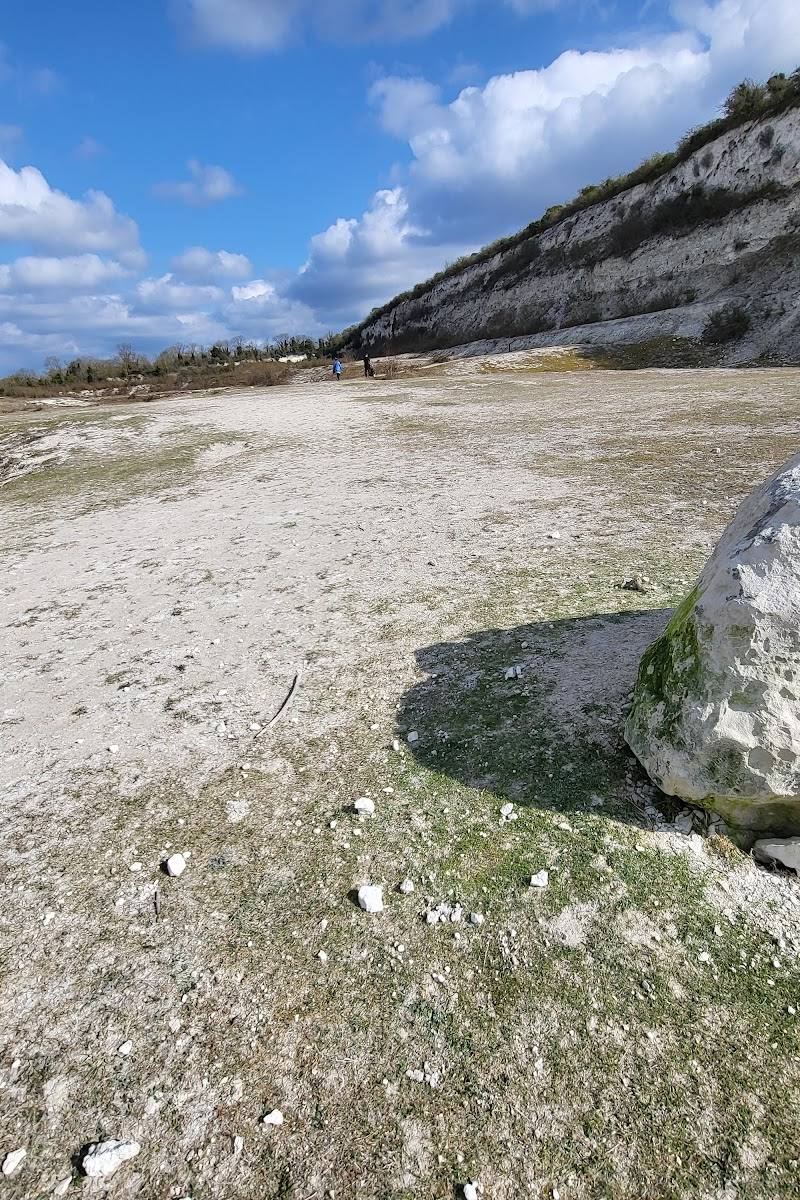
Keep exploring
Around Cherry Hinton Chalk Pits
Within 50 km · approximate straight-line distances
 Place photograph5.2
Hobson's Park Bird Reserve
Trumpington, on the southern outskirts of Cambridge
3.1 km away
 Place photograph8.0
Fulbourn Fen
Stonebridge Lane, Fulbourn, near Cambridge, Cambridgeshire CB21 5BW
4.5 km away