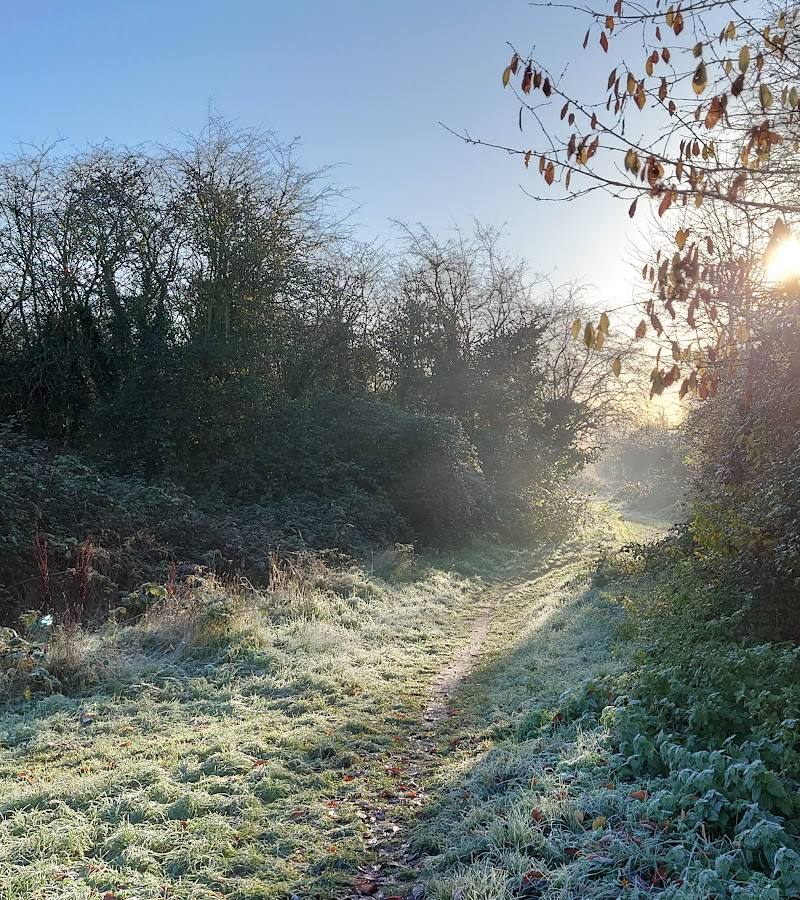
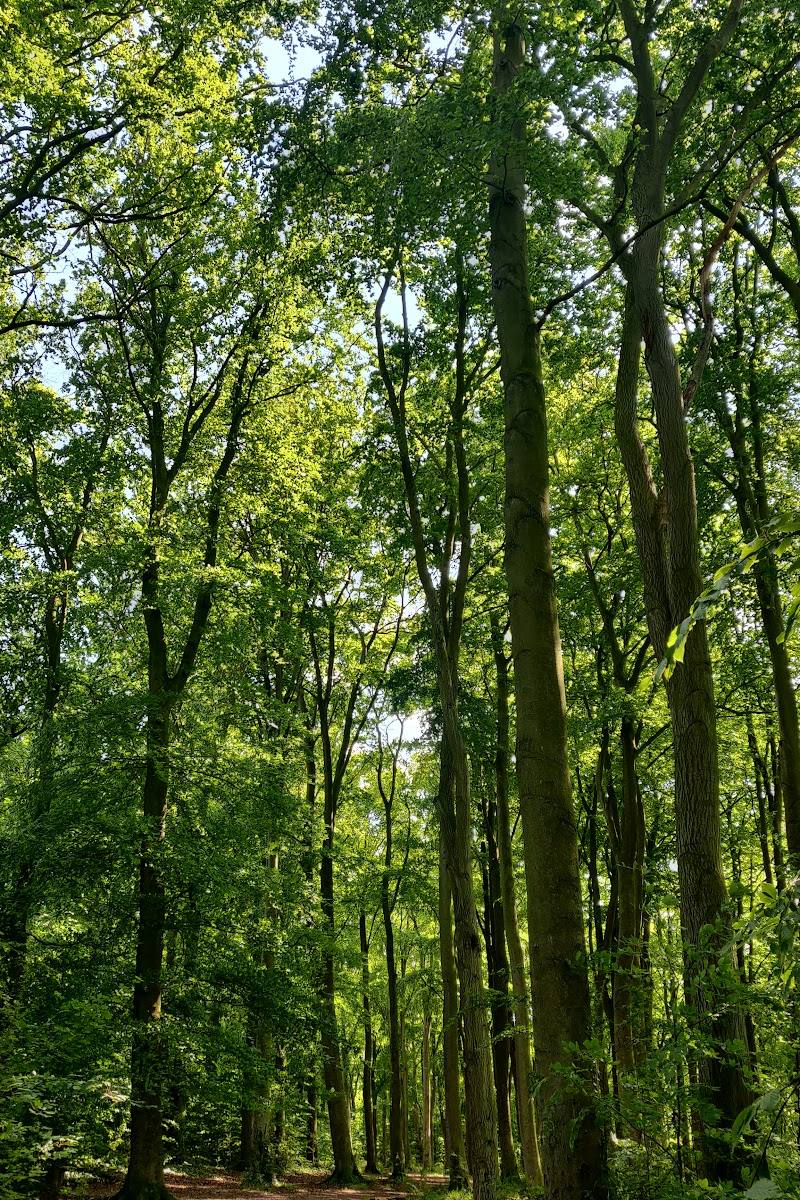
Lammas Land, Cambridge CB2, on the west bank of the River Cam
Paradise Local Nature Reserve
Mixed-habitat reserve
Place photograph
6.6
Wildland
Check before visiting
Time
Check
Cost
Peaceful
Feel
Why it's Wildland
6.6A small marsh sits within a rare wet woodland on the Cam, where willow and alder create a damp, shifting habitat. The reserve’s historic butterbur stand is recorded in documents dating back to the 1600s.
Paradise earns its place for a specific and uncommon character: wet woodland beside the River Cam, a marsh managed for open water, and a butterbur stand documented since the 1600s. It is a compact nature escape with details to seek out, rather than a generic city green space.
Peaceful · Seasonal
Find your way
Open mapLammas Land, Cambridge CB2, on the west bank of the River Cam
Opening map…
Know this place a little better?
The experience
Explore a small marsh within wet woodland on the River Cam. Look for willow and alder, the historic butterbur stand, and seasonal birdlife. The riverside path can flood in winter; the rear boardwalk offers an alternative route when it does.
Things to do
Walk through the wet woodland
Explore the wooded area around the small marsh and notice the willow and alder canopy.
Find the historic butterbur stand
Look for the stand at the lower end of the reserve. Cambridge City Council says it is mentioned in documents dating back to the 1600s, and its pink flower spikes appear before the leaves in early spring.
Watch and listen for wildlife
Check the marsh for water rail, moorhen and migrating geese. In warmer months, listen for chiffchaffs and willow warblers; in summer, look for the rare musk beetle on willow trees.
Make a day of it
Quick escape · Check before visiting
Quick Escape: wet woodland and marsh
- 01
Enter from Owlstone Road or Lammas Land.
- 02
Follow the riverside path through the wooded reserve towards the marsh.
- 03
Look for willow and alder, then check the marsh for waterfowl.
- 04
If the riverside path is flooded, use the rear boardwalk where accessible.
Verified history
Cambridge City Council states that the reserve’s butterbur stand at its lower end is mentioned in documents dating back to the 1600s. The council describes Paradise as one of the few wet woodland sites along the Cam.
Hidden details
The old butterbur stand — At the lower end of the reserve, look for the butterbur stand documented from the 1600s. Its pink flower spikes appear before the leaves in early spring.
A rare beetle in the willow — The reserve’s willow trees are home to the rare musk beetle. The adult is described by Cambridge City Council as metallic blue-green with long antennae.
A woodland allowed to change — The council allows natural processes in the wet woodland, including willows splitting, falling and regrowing. This creates nesting holes and shelter for invertebrates, bats and birds.
When to go
Early spring · Warmer months · Summer · Check before visiting
Early spring brings the butterbur’s pink flower spikes before its leaves. Chiffchaffs and willow warblers are often heard in warmer months, and the rare musk beetle may be found on willow trees in summer.
The riverside path is prone to flooding in winter. Cambridge City Council says rear boardwalks allow access when flooding occurs.
What to look for
- 01
The historic butterbur stand at the lower end of the reserve
- 02
willow and alder canopy
- 03
water rail, moorhen or migrating geese around open water
- 04
and, in summer, the metallic blue-green rare musk beetle on willow trees.
The story
A historic butterbur stand is mentioned in documents dating back to the 1600s.
Best time to go
Early spring for the butterbur flower spikes; warmer months for the calls of chiffchaffs and willow warblers and the chance of spotting the rare musk beetle.
Early spring is the standout period for the butterbur’s pink flower spikes, which appear before its leaves. In warmer months, listen for chiffchaffs and willow warblers.
How long to spend
Check before visiting
Perfect for
Walkers · Wildlife lovers · Photographers · Families
Practical information
Opening & access
Cambridge City Council lists entrances from Owlstone Road and Lammas Land. The riverside path is prone to flooding in winter; rear boardwalks provide an alternative when flooding occurs.
Parking
Lammas Land car park is next to the reserve. Check current details before travelling.
Check before visiting
Toilets
Toilet facilities are listed by Cambridge City Council at Lammas Land.
Food & drink
A café is listed at Lammas Land.
Dogs
Check current reserve signage and council guidance before visiting with a dog.
Check before visiting
Accessibility
The rear boardwalk is wide enough for wheelchairs and prams. The riverside path is prone to flooding in winter; check conditions before visiting.
Check before visiting
Cost
Check before visiting
Check before visiting
Water
River Cam and small marsh; no swimming or paddling permission evidenced.
Gallery
Place photographsKeep exploring
Around Paradise Local Nature Reserve
Within 50 km · approximate straight-line distances
 Place photograph5.2
Hobson's Park Bird Reserve
Trumpington, on the southern outskirts of Cambridge
2.8 km away
 Place photograph5.4
Coton Countryside Reserve
Grantchester Road, near Coton, west of Cambridge
3.2 km away
 Place photograph7.1
Cherry Hinton Chalk Pits
Fulbourn Road, Cambridge, Cambridgeshire CB1 8NQ
4.1 km away