Grantchester Road, Trumpington, Cambridge, CB2 9LH
Trumpington Meadows
Mixed-habitat reserve
Place photograph
7.1
Wildland
1–2 hours
Time
Check
Cost
Peaceful
Feel
Why it's Wildland
7.1A broad sweep of flower-rich meadow and riverside landscape on Cambridge’s edge, where today’s nature reserve overlays traces of Roman and Saxon settlement, coprolite digging and a former prisoner-of-war camp.
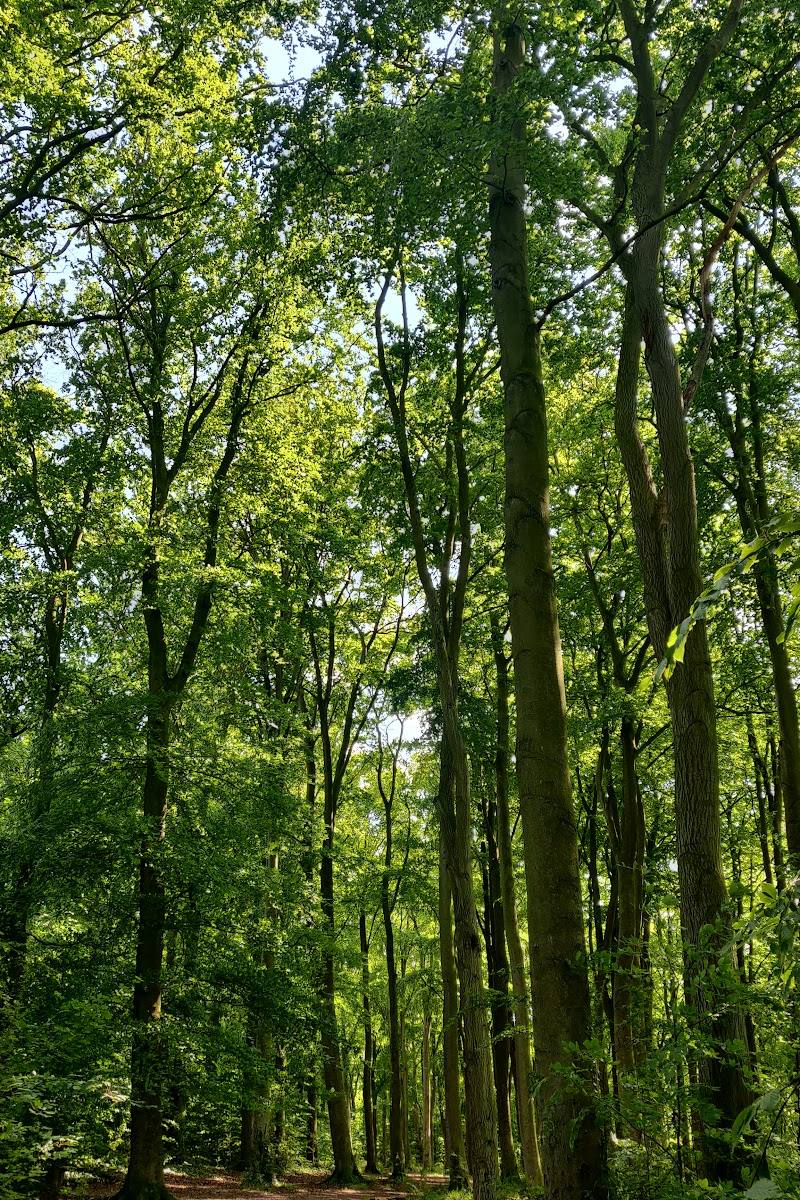
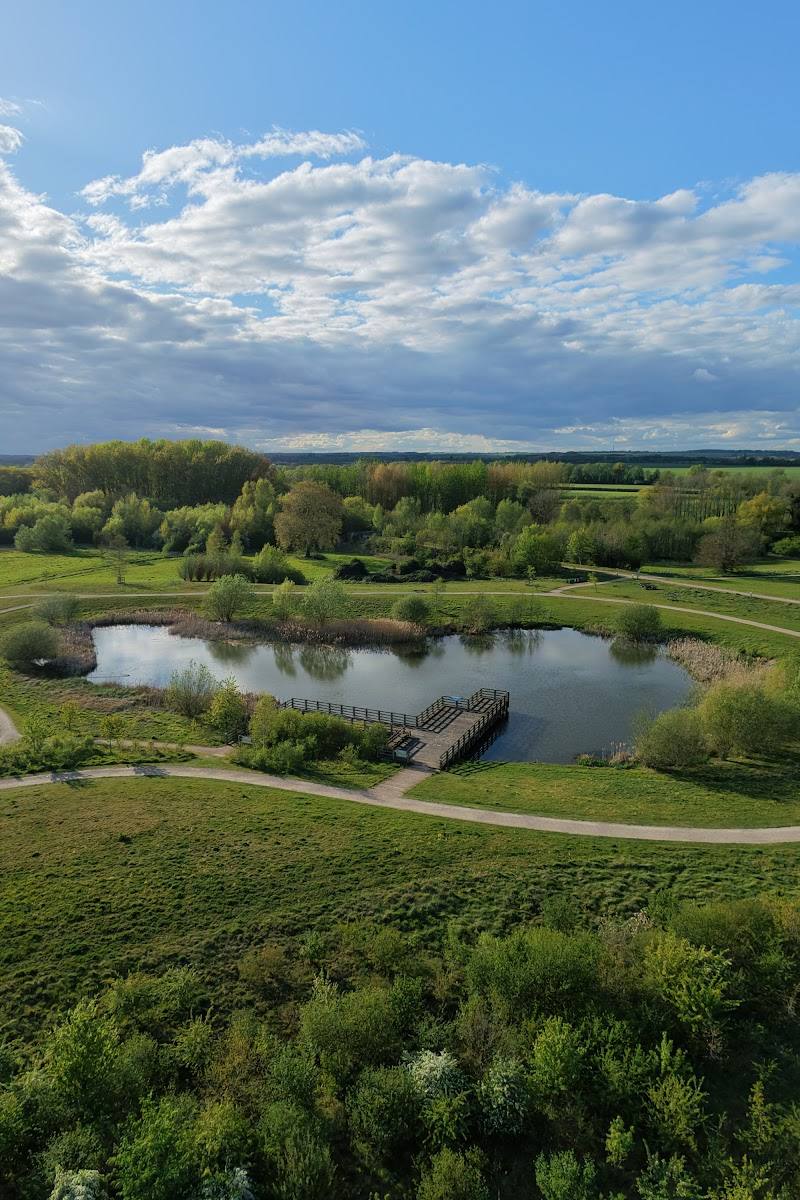
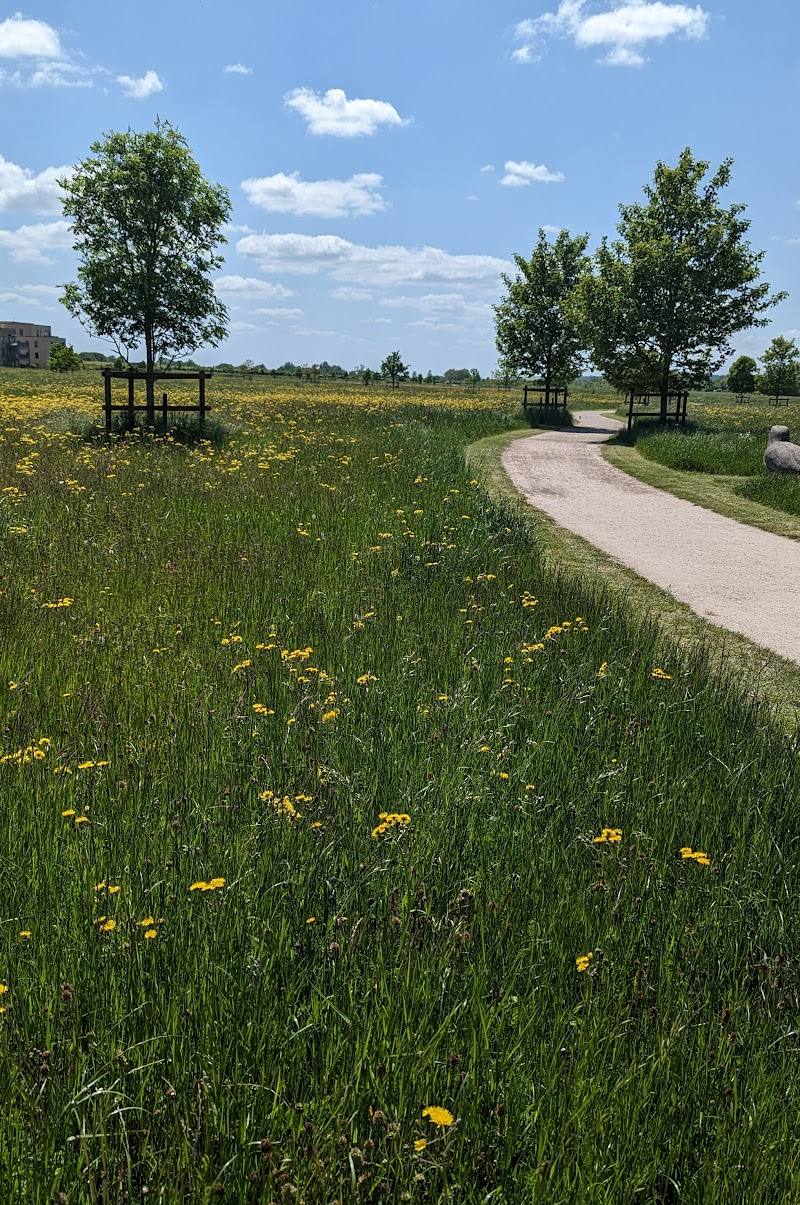
Trumpington Meadows earns its place for the contrast: a spacious, wildlife-rich landscape of meadows, woodland and River Cam banks set beside Cambridge. In summer, flowers such as knapweed, field scabious and ox-eye daisy bring colour, while hand-carved nature sculptures and layers of human history give the walk details beyond the scenery.
Peaceful · Family-buzz
Find your way
Open mapGrantchester Road, Trumpington, Cambridge, CB2 9LH
Opening map…
Know this place a little better?
The experience
Take an easy wander through meadow, woodland and riverside habitats. Follow the wide paths, pause at the interpretation features and hand-carved sculptures, and look for seasonal wildflowers, butterflies and river life. Keep to paths across the meadows.
Things to do
Walk through the flower-rich meadows
Follow the reserve paths through open meadows. In summer, look for knapweed, field scabious, bird’s-foot trefoil, ox-eye daisy and salad burnet. Keep to paths and do not cut across the meadows.
Look for wildlife along the river
Walk beside the River Cam and watch for butterflies, dragonflies and damselflies. The Wildlife Trust also recommends looking out for otters; sightings are not guaranteed.
Find the hand-carved nature sculptures
Look out for the reserve’s hand-carved nature sculptures and interpretation features as you explore.
Explore the reserve’s mix of habitats
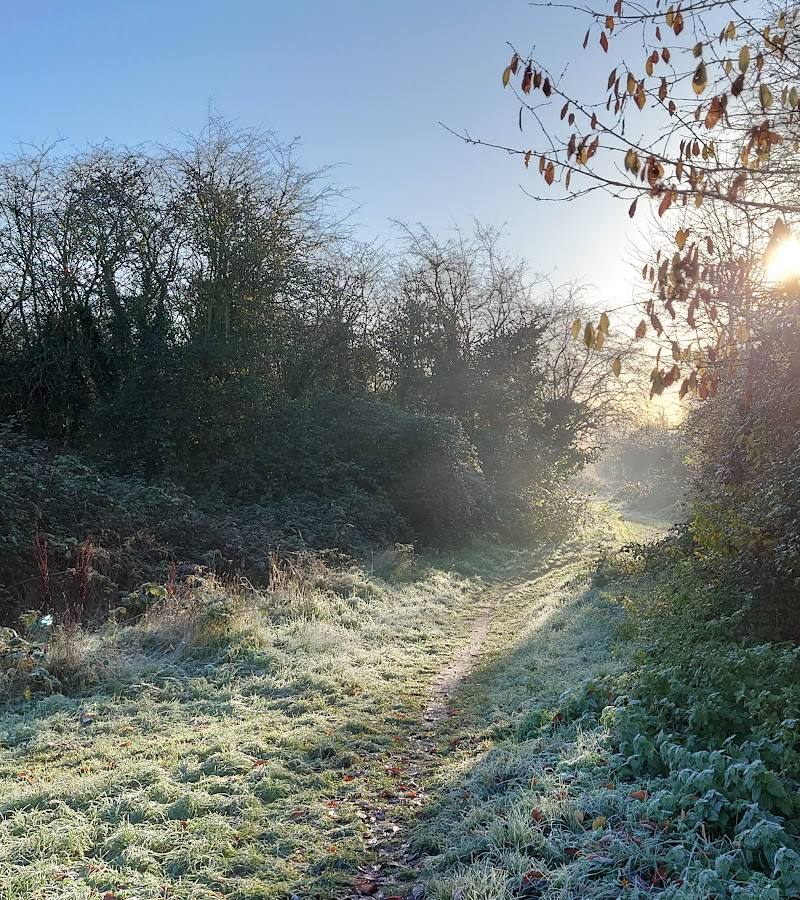
Use the wide pathways to experience the reserve’s meadows, woodland, hedgerow and riverside landscape. Riverside paths may be wet in winter.
Make a day of it
Quick escape · 1–2 hours
A riverside and meadow sampler
- 01
Start from a suitable reserve access point and follow the wide pathways.
- 02
Combine a stretch beside the River Cam with a wander through the flower-rich meadows.
- 03
Pause at interpretation features or a hand-carved nature sculpture before returning by the reserve paths.
Half day · Half day
Make a half day of the reserve
- 01
Allow time to explore more than one of the reserve’s habitats: riverside, meadow, woodland and hedgerow.
- 02
Take a slower wildlife-watching walk, looking for summer flowers, butterflies and dragonflies or damselflies along the river.
- 03
Include the reserve’s interpretation features, garden or allotments where accessible, and keep to marked paths across the meadows.
Verified history
The Wildlife Trust says Trumpington Meadows has been occupied for centuries, with Roman and Saxon settlements, a plant-breeding facility, a prisoner-of-war camp, coprolite pits and arable fields among its past uses. The source does not provide dates or further detail for these episodes.
Hidden details
A landscape shaped by more than farming — The reserve’s present-day meadows overlay a varied human history that includes Roman and Saxon settlements, coprolite pits and a prisoner-of-war camp. The supplied source does not locate these remains on a visitor route, so treat them as landscape history rather than features you can expect to see.
Look closely at the meadow flowers — The Wildlife Trust names knapweed, field scabious, bird’s-foot trefoil, ox-eye daisy and salad burnet among the summer flowers. Keep to the paths while looking.
When to go
· No specific time of day is recommended by the supplied sources.
The reserve is open throughout the year, but the Wildlife Trust describes the flowering meadows as spectacular in summer. Riverside paths may be wet in winter.
Riverside paths may be wet in winter. Check conditions before setting out.
What to look for
- 01
In summer, look for knapweed, field scabious, bird’s-foot trefoil, ox-eye daisy and salad burnet. Watch for butterflies over the meadow flowers and dragonflies or damselflies by the river
- 02
the reserve also suggests looking out for otters.
The story
Roman and Saxon settlement, plant breeding, coprolite pits, prisoner-of-war camp and arable farming.
Best time to go
Open all year. Summer is the standout season for flowering meadows; riverside paths may be wet in winter.
Summer is best for the reserve’s flowering meadows. The Wildlife Trust lists the reserve as worth visiting throughout the year; choose a dry spell if you want to avoid wet winter riverside paths.
How long to spend
1–2 hours
Perfect for
Walkers · Families · Wildlife lovers · Photographers · Dogs
Practical information
Opening & access
Wildlife Trust BCN reserve, open all year. Wide, accessible pathways are provided throughout. Keep to paths and follow on-site signs, including dog-control and grazing-animal guidance.
Parking
Parking is available at Trumpington Park + Ride or Byron’s Pool car park. The reserve is also accessible by bike or public transport.
Toilets
Check before visiting
Check before visiting
Food & drink
Check before visiting
Check before visiting
Dogs
Dogs must be under effective control and on a lead in some areas; follow reserve signs.
Accessibility
The Wildlife Trust describes wide, accessible pathways throughout the reserve. Riverside paths may be wet in winter; check current conditions and route suitability before visiting.
Check before visiting
Cost
Check before visiting
Check before visiting
Water
River Cam
Gallery
Place photographs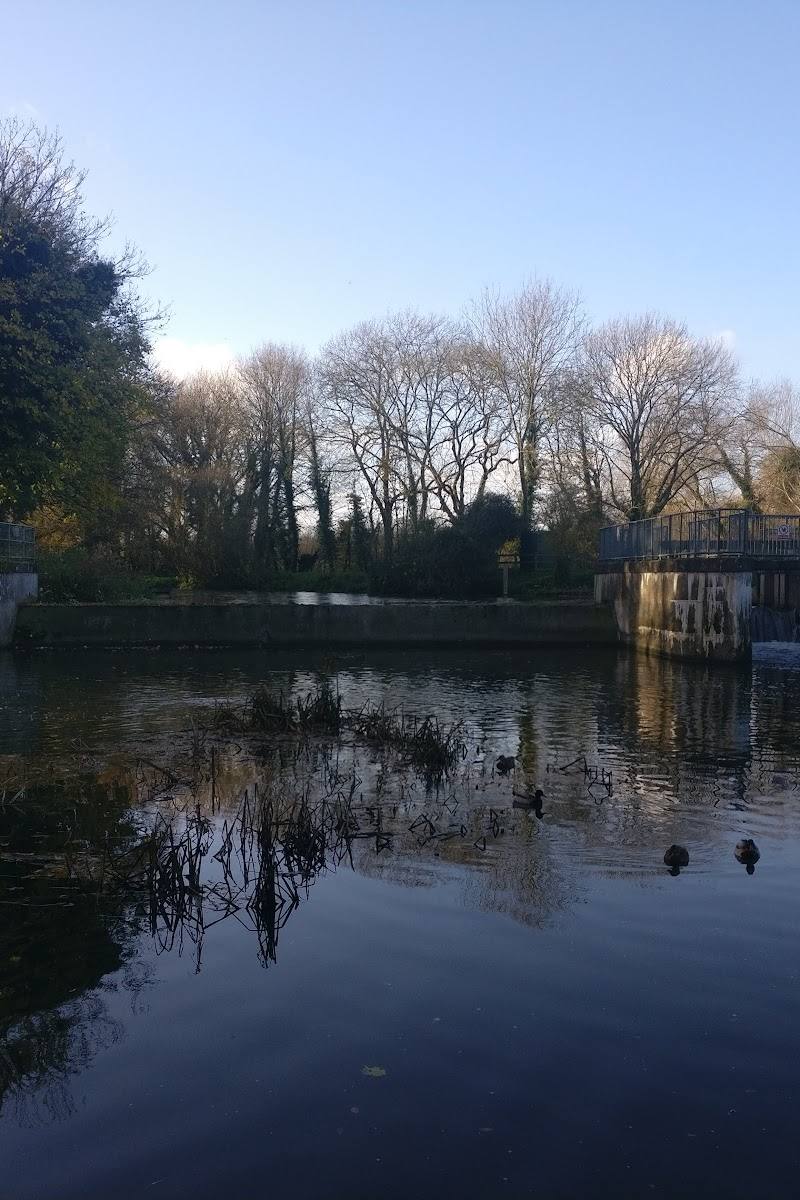
Keep exploring
Around Trumpington Meadows
Within 50 km · approximate straight-line distances
 Place photograph5.2
Hobson's Park Bird Reserve
Trumpington, on the southern outskirts of Cambridge
1.6 km away
 Place photograph5.4
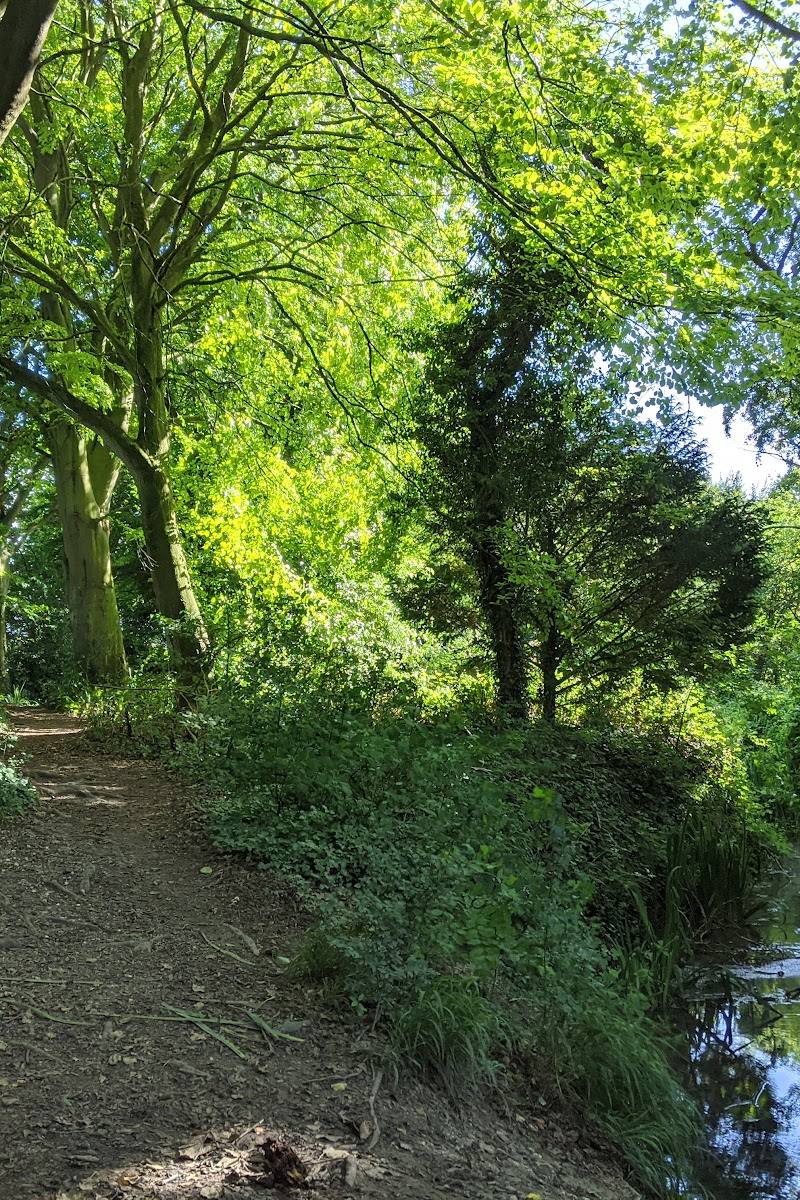
Coton Countryside Reserve
Grantchester Road, near Coton, west of Cambridge
3.9 km away
 Place photograph7.1
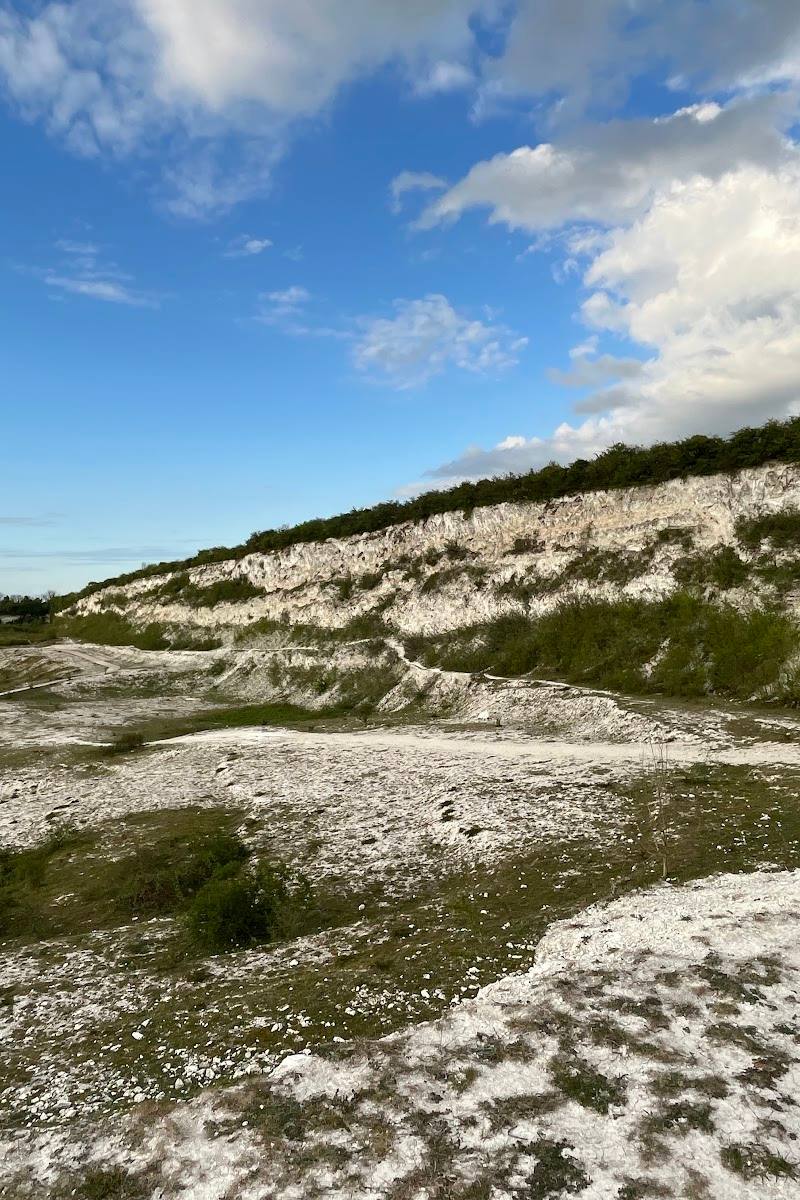
Cherry Hinton Chalk Pits
Fulbourn Road, Cambridge, Cambridgeshire CB1 8NQ
4.4 km away