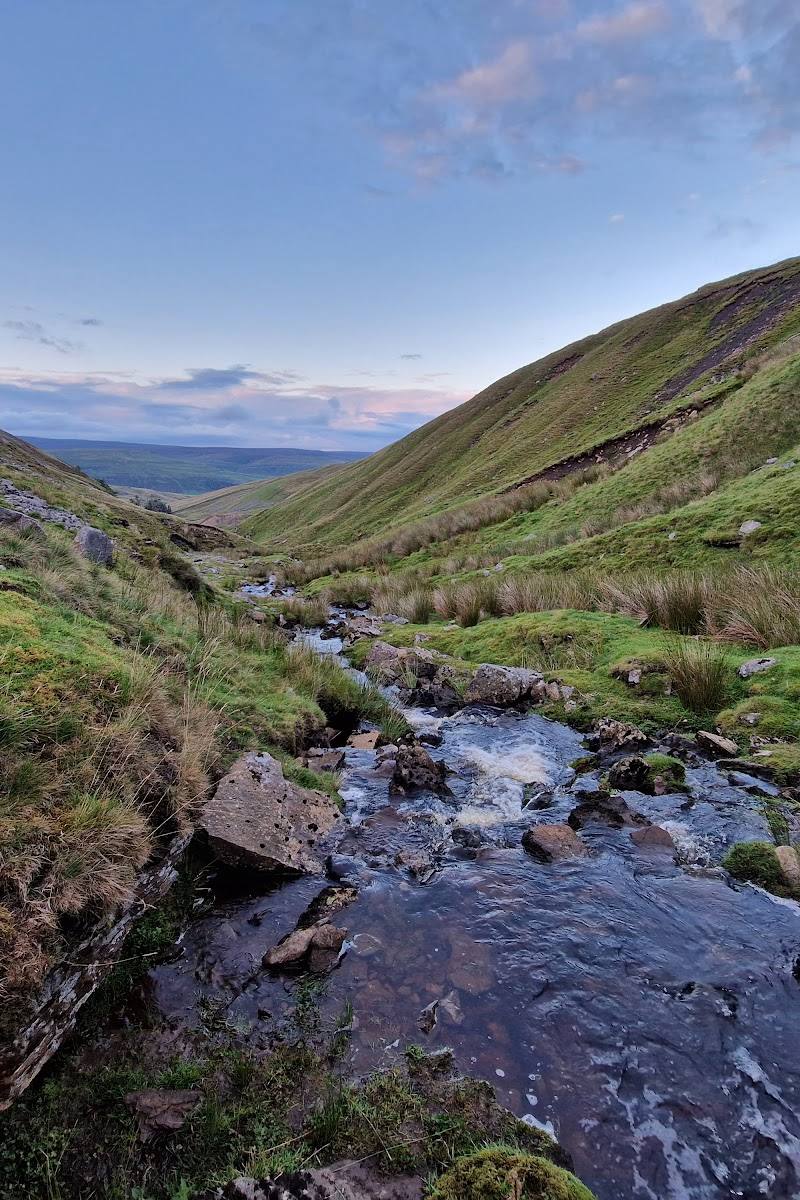
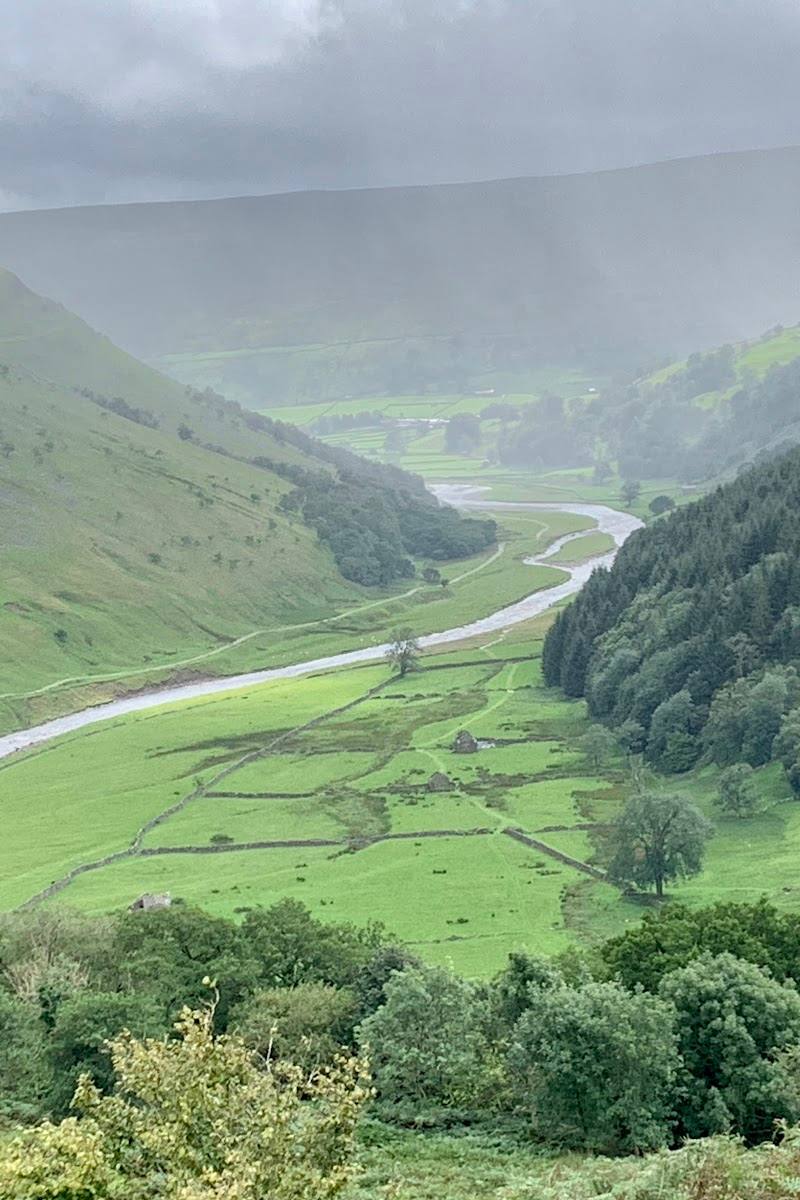
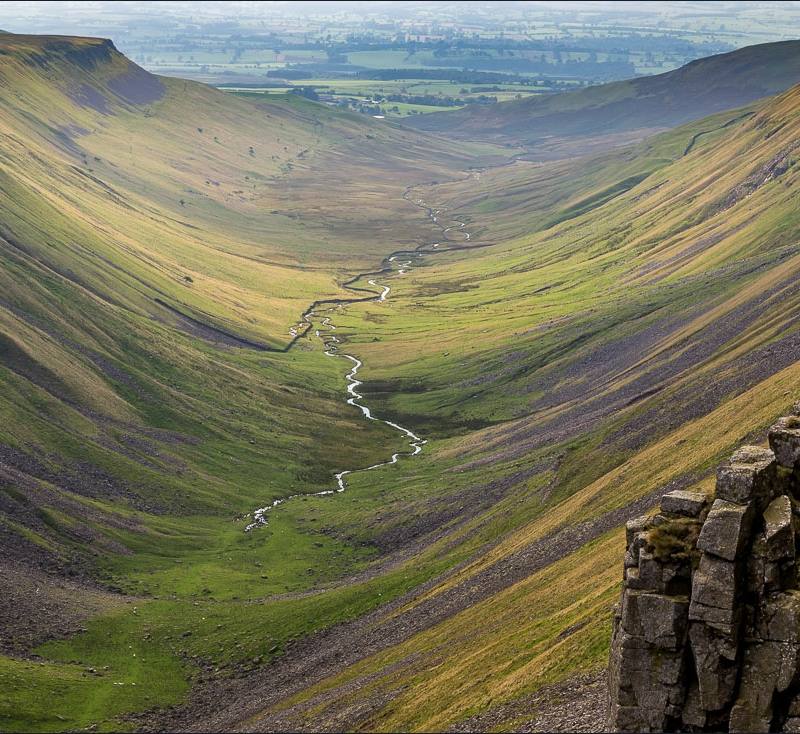
Near Kirkby Stephen, Cumbria, in the Eden Valley. The reserve has entrances at Smardale, Newbiggin-on-Lune and Waitby Greenriggs.
Smardale Gill Nature Reserve
Mixed-habitat reserve
Place photograph
7.2
Wildland
2–3 hours for the reserve visit described by Tripadvisor
Time
Donation
Cost
Peaceful
Feel
Why it's Wildland
7.2A disused railway threads through wooded gills, flower-rich limestone grassland and open Eden Valley scenery, with the Smardale Gill Viaduct as its dramatic industrial landmark. The reserve is also one of only two sites in England where the Scotch argus butterfly is found.
The appeal here is the unusual meeting of wildflower-rich limestone grassland, steep wooded slopes and railway history. Follow the old trackbed through a landscape where a rare butterfly and a striking viaduct share the scene.
Peaceful · Secluded · Atmospheric · Wild
Find your way
Open mapNear Kirkby Stephen, Cumbria, in the Eden Valley. The reserve has entrances at Smardale, Newbiggin-on-Lune and Waitby Greenriggs.
Opening map…
Know this place a little better?
The experience
Walk sections of the former railway through wooded cuttings and flower-rich grassland, look for wildlife and railway remains, and take in the viaduct and open valley views. The Trust lists several route options, from a 4.8 km return walk to Smardale Gill Viaduct to an 11.4 km return route to Newbiggin-on-Lune.
Things to do
Walk to Smardale Gill Viaduct
Follow the reserve route along the former railway to the viaduct, through a landscape of wooded slopes, limestone grassland and open countryside. The Trust lists this as a 4.8 km return route.
Allow 2–3 hours for a visit; route duration varies.
Look for the Scotch argus butterfly
Smardale Gill is one of only two sites in England where the Scotch argus butterfly is found. The Trust recommends visiting from April to August; sightings are not guaranteed.
Explore the former railway landscape
Notice the disused railway features along the reserve’s trackbed, including cuttings and embankments, and consider how the old line shapes the route through the landscape.
Search the grasslands for wildflowers
The Trust highlights orchids and other unusual plants in the species-rich grassland. In spring, look for bluebells, primrose and early purple orchid; flowers vary through the season.
Take in the changing views along the route
The reserve shifts from steep wooded slopes and enclosed railway cuttings to open views across rolling countryside, particularly around the viaduct.
Make a day of it
Quick escape · Allow about 2–3 hours for the reserve visit; the Trust lists the Smardale Gill Viaduct route as 4.8 km return.
Quick escape: walk to the viaduct
- 01
Start from the Smardale entrance and follow the reserve route towards Smardale Gill Viaduct.
- 02
Enjoy the changing views between wooded slopes, railway features and open countryside.
- 03
Return by the same route; check route conditions and access before setting out.
Half day · Half day
Make a half day of it: explore the old railway reserve
- 01
Choose one of the Trust’s listed routes: to Smardale Gill Viaduct, Waitby Greenriggs or Newbiggin-on-Lune.
- 02
Pause to look for wildflowers, butterflies and birds in the grassland and wooded slopes.
- 03
Take time to notice the disused railway features and the contrast between enclosed cuttings and open valley views.
Verified history
The reserve incorporates an 8 km section of a disused railway line that once ran from Tebay to Darlington. Its railway industrial archaeology remains part of the experience, with the Smardale Gill Viaduct among the route’s prominent features.
Hidden details
A rare butterfly stronghold — Smardale Gill is one of only two sites in England where the Scotch argus butterfly is found. Look for butterflies in the reserve’s grassland in season, but sightings are never guaranteed.
More than one reserve entrance — The Trust describes three separate reserves in the wider Smardale area: Smardale, Newbiggin-on-Lune and Waitby Greenriggs. Each offers a different route into the former railway landscape; check the relevant access and parking details before choosing a start.
When to go
April · May · June · July · August · Choose a clear, settled part of the day for walking and views; the supplied sources do not specify an ideal time of day.
Cumbria Wildlife Trust recommends April to August. Spring brings bluebells, primroses and early purple orchids; summer offers further wildflowers and the opportunity to look for the Scotch argus butterfly.
The route includes natural paths and exposed countryside; AllTrails advises appropriate footwear and care on rougher sections, especially in wet conditions. Check conditions before visiting.
The route
- stiles
- AllTrails notes stiles on its circular route; other routes may differ.
- surface
- Natural and disused railway paths; some rougher sections are reported on the AllTrails circular route.
- distance
- 4.8 km / 3 miles return to Smardale Gill Viaduct from the Smardale entrance; other routes are listed by the Trust.
- duration
- Tripadvisor describes a typical reserve visit as 2–3 hours; route timings vary.
- difficulty
- Not formally graded by the supplied reserve source. AllTrails rates its 4.2-mile circular route as easy; route conditions and accessibility vary.
- waymarking
- Information boards are reported in the source row; route waymarking details are not specified by the supplied sources.
- route shape
- The Trust lists return routes to the viaduct, Waitby Greenriggs and Newbiggin-on-Lune. AllTrails also describes a 4.2-mile circular route from Newbiggin-on-Lune.
- start point
- Smardale car park entrance, grid reference NY 742 083, or other reserve entrances as described by Cumbria Wildlife Trust.
- parking start
- Cumbria Wildlife Trust lists a car park at Smardale and roadside parking at Newbiggin-on-Lune and Waitby Greenriggs. Check current arrangements before setting out.
- shorter alternative
- Walk part of the former trackbed from the Smardale entrance and turn back when you have reached a suitable point; confirm access and conditions locally.
- Smardale Gill Viaduct
- Wooded slopes and enclosed railway cuttings
- Species-rich limestone grassland and seasonal wildflowers
- Open views across rolling countryside
- Railway industrial archaeology
What to look for
Look for the Smardale Gill Viaduct, railway cuttings and embankments, species-rich limestone grassland, spring orchids and bluebells, and butterflies including the Scotch argus. The reserve’s wooded slopes contrast with open views across rolling countryside.
The story
Industry, Archaeology
Best time to go
April to August for spring flowers, orchids and butterflies; the Scotch argus is a summer highlight.
April to August is the Trust’s recommended visiting period. Spring brings bluebells, primroses and early purple orchids; summer brings orchids and the chance to look for the Scotch argus butterfly. Check local conditions before travelling.
How long to spend
2–3 hours for the reserve visit described by Tripadvisor; longer routes are available.
Perfect for
Walkers · Wildlife lovers · Photographers · Families · Dogs
Practical information
Opening & access
Cumbria Wildlife Trust lists the reserve as open all year. There are several entrances and routes; check current access and route conditions before travelling. Dogs must be kept on a lead. The route to Newbiggin-on-Lune is described as wheelchair- and pushchair-accessible from the car park; accessibility elsewhere varies.
Check before visiting
Parking
Cumbria Wildlife Trust lists a car park at Smardale and roadside parking at Newbiggin-on-Lune and Waitby Greenriggs. Check current parking arrangements before setting out.
Check before visiting
Toilets
No toilets listed in the supplied source row; check before visiting.
Check before visiting
Food & drink
No café listed in the supplied source row; check before visiting.
Check before visiting
Dogs
Dogs must be kept on a lead, according to Cumbria Wildlife Trust.
Accessibility
Access varies by route. The Trust describes a wheelchair- and pushchair-accessible surface from the Smardale car park towards Newbiggin-on-Lune, with ramps at both ends and benches as far as the limestone quarry. Other paths may be less suitable; check conditions and route details before visiting.
Check before visiting
Cost
Donation
Water
River
Gallery
Place photographsKeep exploring
Around Smardale Gill Nature Reserve
Within 50 km · approximate straight-line distances

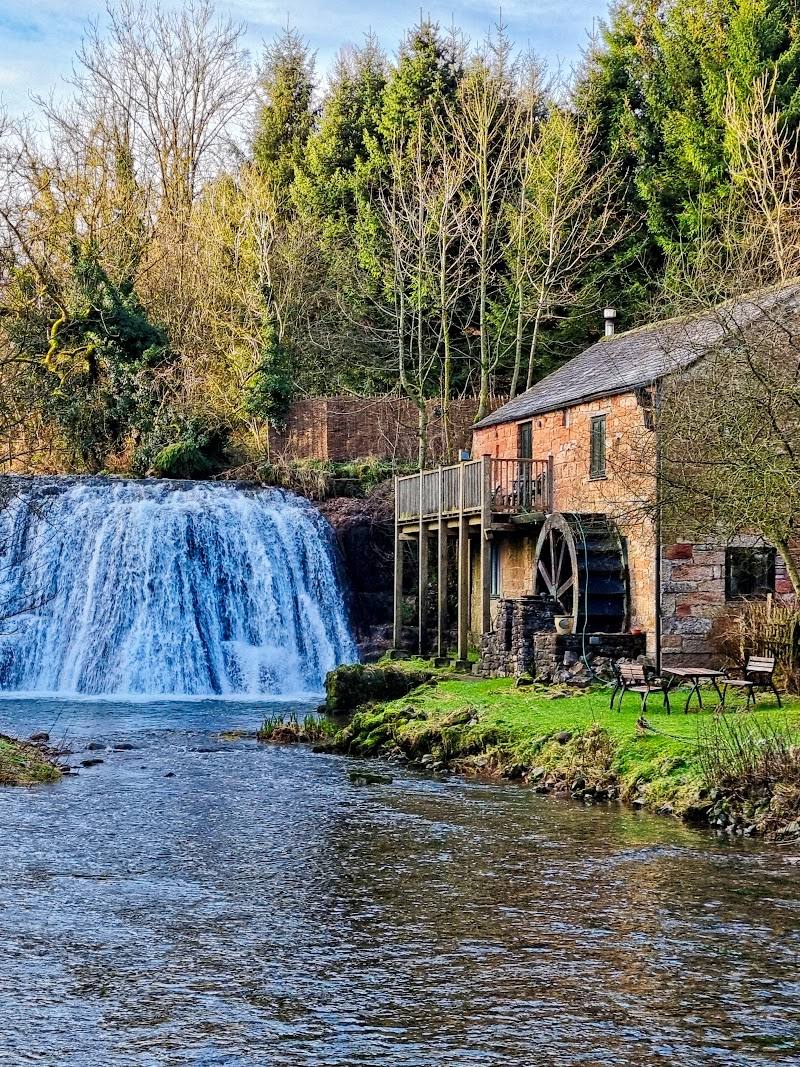
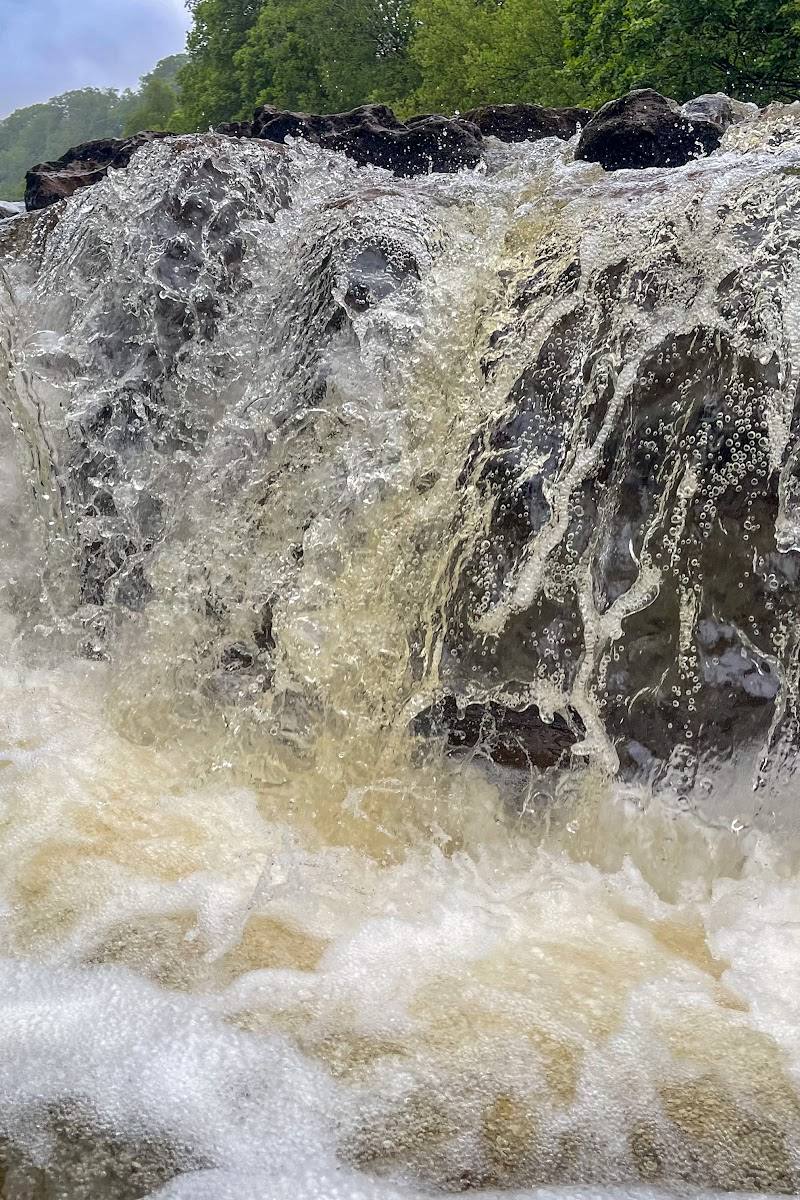 Place photograph5.0
Wain Wath Force
Wain Wath Force, beside the B6270 near Keld, Swaledale, North Yorkshire
15.7 km away
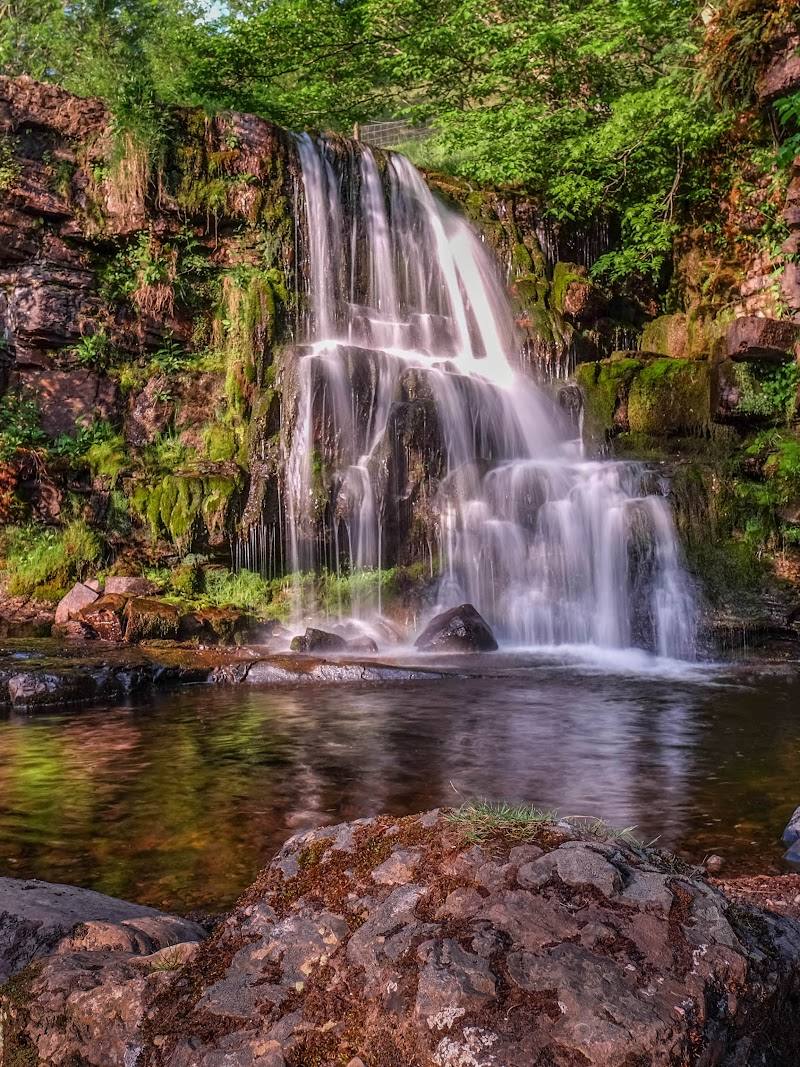
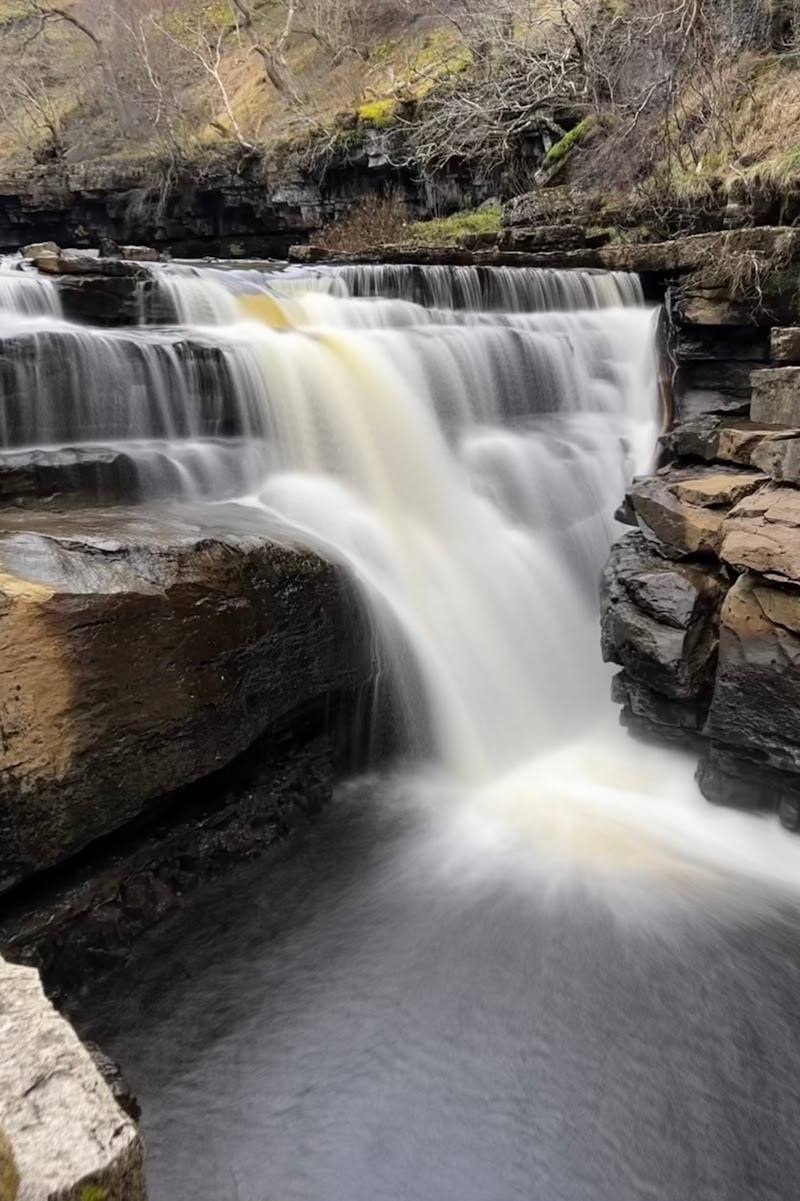 Place photograph8.5
Kisdon Force
River Swale, 500 metres downstream from Keld, Swaledale, North Yorkshire
17.2 km away