Holme Dunes Visitor Centre, Broadwater Road, Hunstanton, Norfolk PE36 6LQ
Holme Dunes
Mixed-habitat reserve
Place photograph
6.5
Wildland
Half day
Time
Paid
Cost
Big-sky
Feel
Why it's Wildland
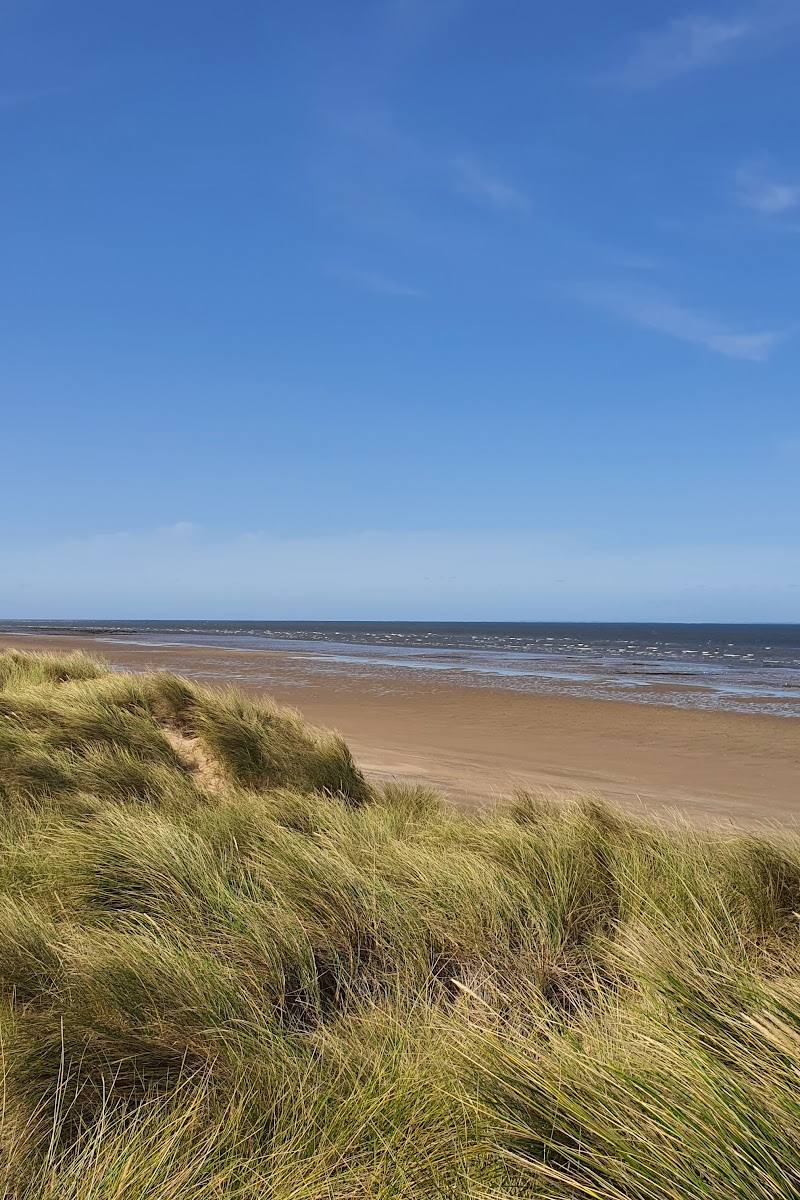
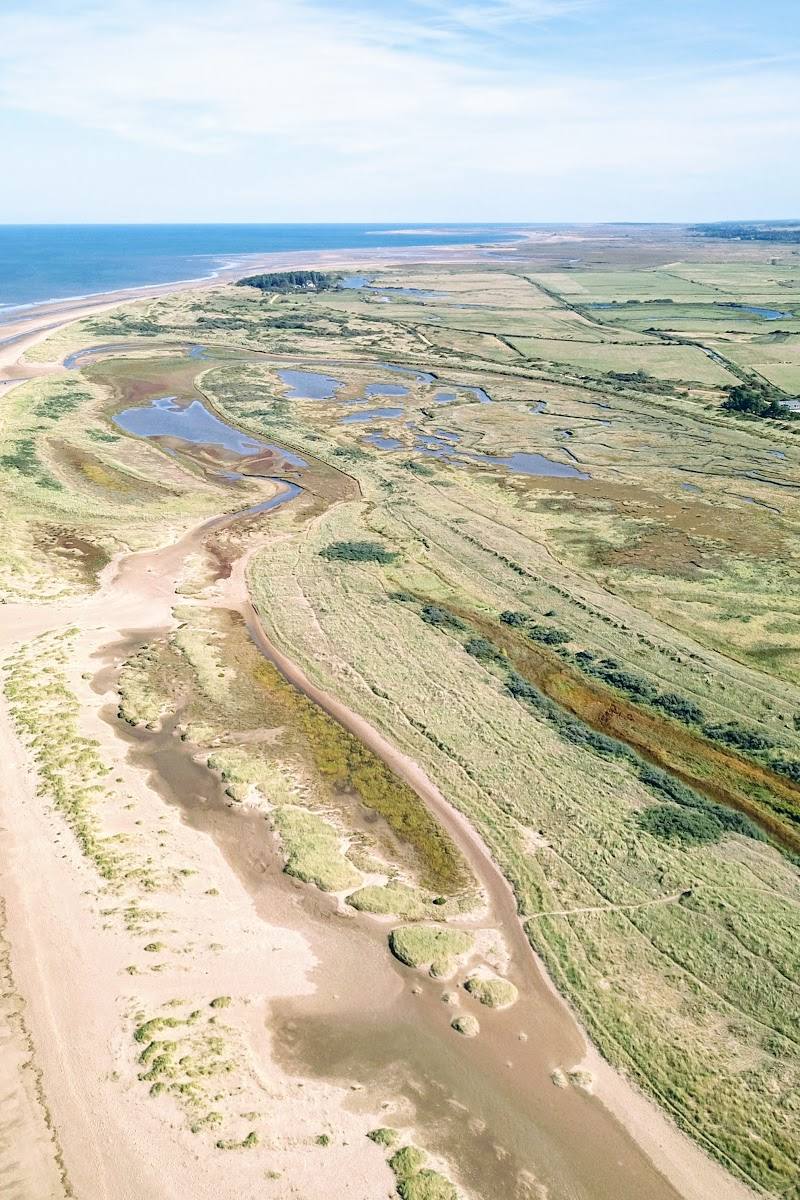
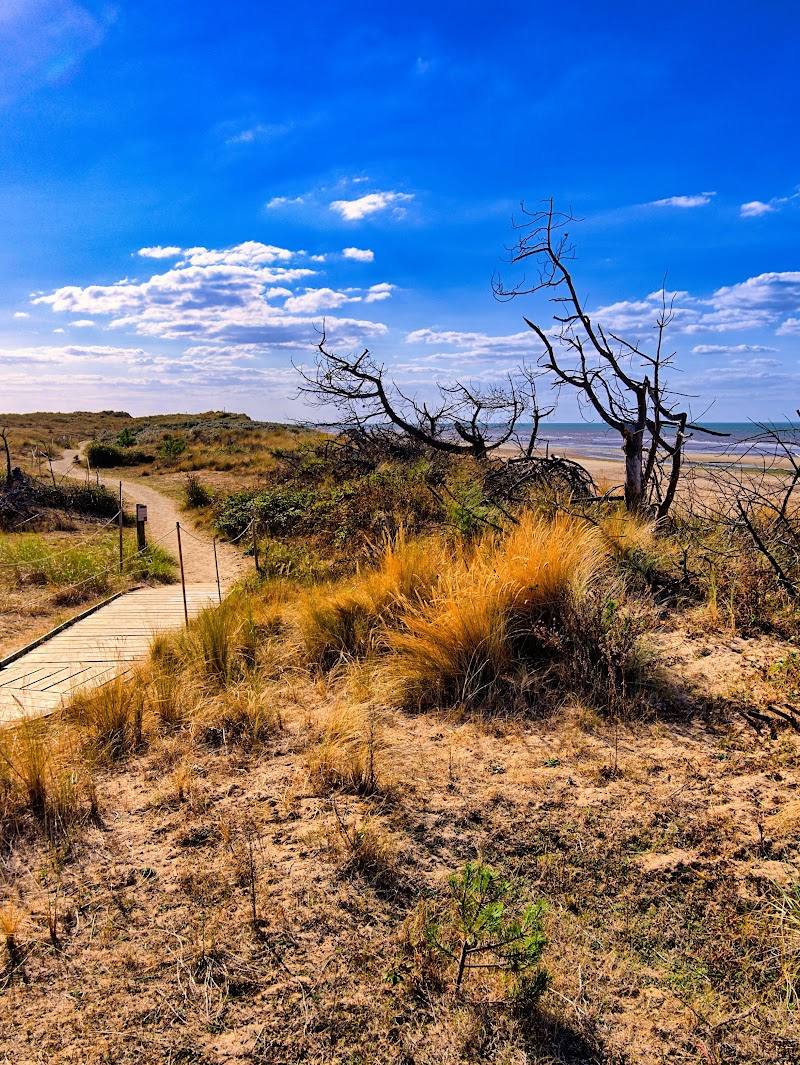
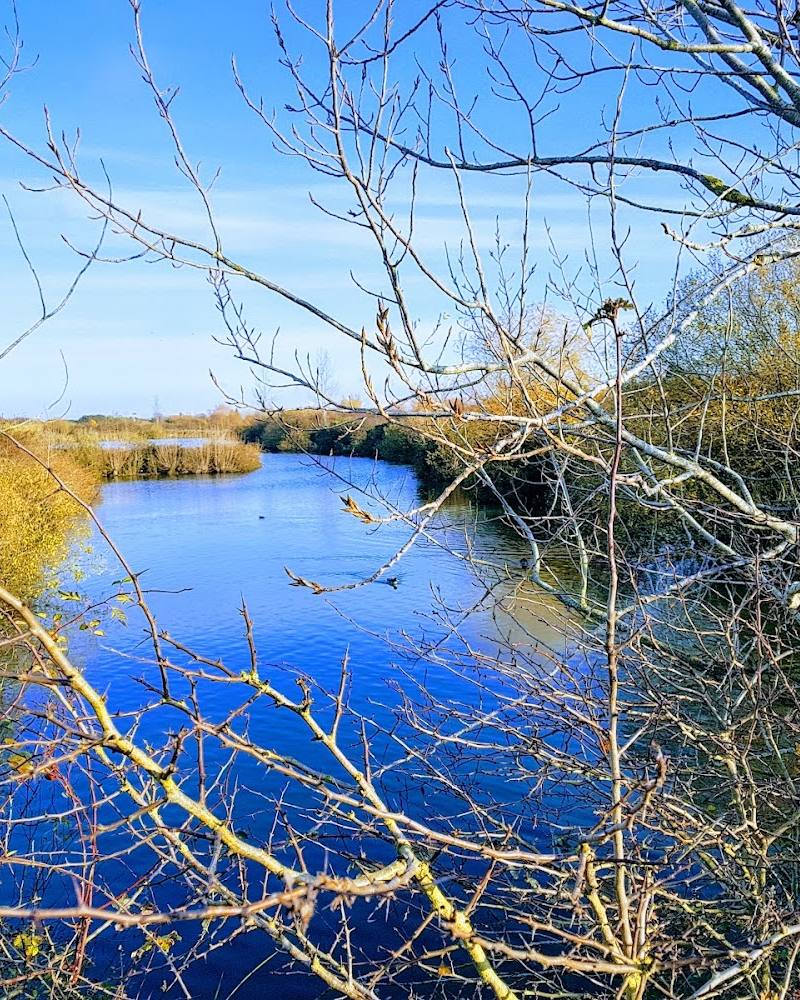
6.5Between The Wash and the North Sea, Holme Dunes brings together a wide, shifting coastal landscape of dunes, marshland and open skies. It is a place to watch for migrating birds, take a bracing walk and explore a reserve recognised for its wildlife.
This is more than a beach-side stop: the meeting of The Wash and the North Sea creates a varied coastal reserve with migrating birds, wildflowers and nationally important habitat for natterjack toads. Its visitor centre also makes a practical starting point for a day outdoors.
Big-sky · Wild · Peaceful
Find your way
Open mapHolme Dunes Visitor Centre, Broadwater Road, Hunstanton, Norfolk PE36 6LQ
Opening map…
Know this place a little better?
The experience
Begin at the visitor centre, then explore the reserve’s coastal landscape on foot and spend time watching for birds and wildflowers. The landscape is exposed, so check conditions and current reserve guidance before setting out.
Things to do
Watch for migrating birds
Holme Dunes is described as a strong place to see migrating birds. Bring binoculars if you have them and allow time to scan the coastal landscape.
Allow time to stop and watch
Explore the coastal reserve on foot
Take a bracing walk through the reserve’s coastal landscape. Check current route conditions and follow any signs or temporary restrictions.
Look for wildflowers
Wildflowers are among the reserve’s highlighted interests. Look carefully as you explore, while staying on permitted routes and respecting any protected areas.
Pause at the visitor centre
Use the centre as a base for your visit, with a café serving food and drinks and a shop selling nature books, gifts and wildlife accessories.
Make a day of it
Quick escape · 1–2 hours
Quick coastal escape
- 01
Start at the visitor centre and check current reserve guidance.
- 02
Take a short walk into the coastal landscape and pause to watch for birds.
- 03
Return to the centre for a drink or a look around the nature shop.
Half day · Half day
Make a half day of it
- 01
Begin with a wildlife stop at the visitor centre.
- 02
Spend longer exploring the reserve on foot, watching for birds and wildflowers.
- 03
Return for lunch, cream tea or a hot drink at the centre café.
Verified history
The available sources describe Holme Dunes as rich in human history but do not provide specific historical events, dates or people to recount.
Hidden details
A nationally important toad habitat — Holme Dunes is identified as a nationally important site for the natterjack toad. This is a reason to tread carefully and obey reserve signs; a sighting is not guaranteed.
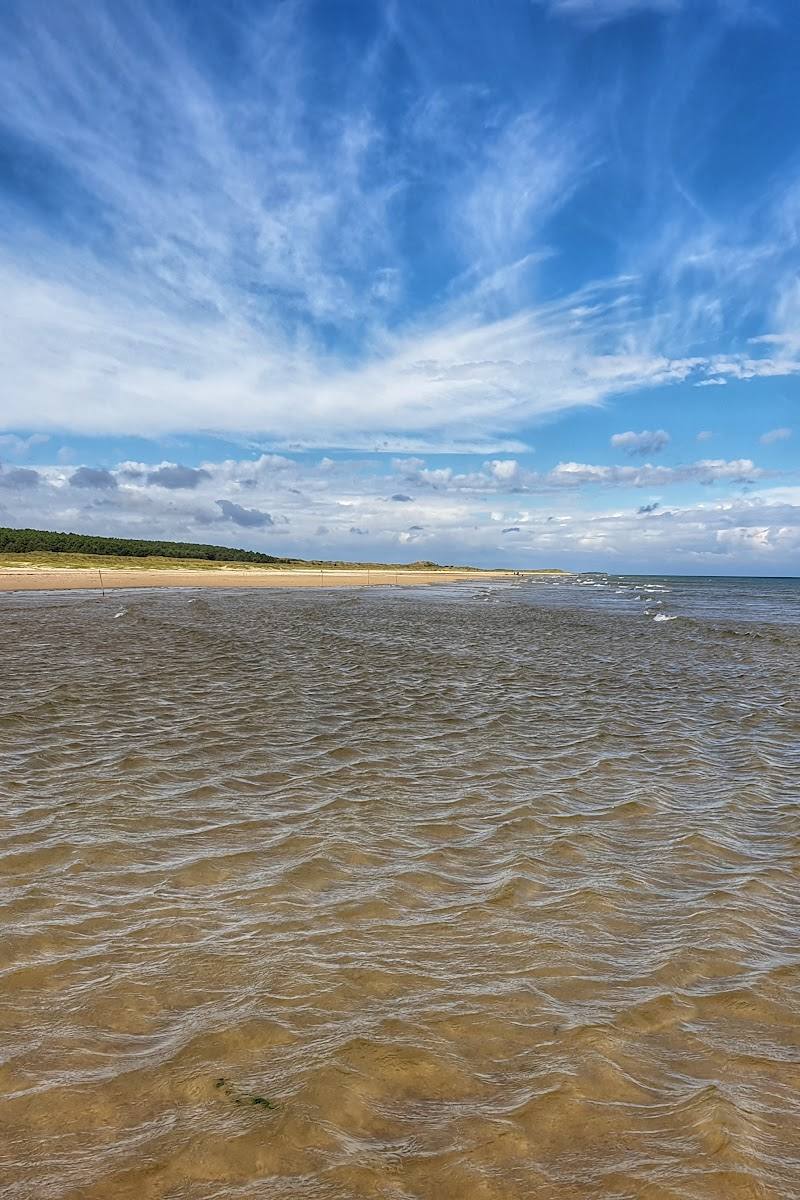
Where two seas meet — The reserve sits where The Wash meets the North Sea, a coastal setting associated with migrating birds and wide, open views.
When to go
March · April · May · September · October · Early morning for a quieter visit and time to watch for birds.
The reserve highlights migrating birds and wildflowers. Spring and autumn are sensible seasons to plan around migration, but the supplied sources do not specify peak dates or guarantee sightings.
This is an exposed coastal setting. Expect bracing conditions and check the forecast and reserve notices before setting out.
What to look for
Watch for migrating birds and wildflowers, and look for the varied habitats where dunes meet marshland. The reserve is nationally important for natterjack toads, though sightings are not guaranteed.
The story
Archaeology
Best time to go
Spring and autumn are especially compelling for migration and wildflowers; summer brings seasonal measures to protect beach-nesting birds. Check reserve notices before visiting.
Try an early morning for a quieter visit and time to watch for birds. Spring and autumn are useful seasons to look for migration; check reserve notices for seasonal access measures.
How long to spend
Half day
Perfect for
Birdwatchers · Wildlife lovers · Walkers · Families · Photographers
Before you go
Address
Phone
Website
Listed hours
- Monday: 10am-5pm
- Tuesday: 10am-5pm
- Wednesday: 10am-5pm
- Thursday: 10am-5pm
- Friday: 10am-5pm
- Saturday: 10am-5pm
- Sunday: 10am-5pm
Check before visiting.
Google rating
Practical information
Opening & access
The reserve is reached via Broadwater Road and a gravel track to the car park beside the visitor centre. Entry and parking charges apply to non-members; check current arrangements before travelling. Follow reserve signs, keep dogs on leads when requested, and stay outside any cordoned-off areas.
Check before visiting
Parking
NWT car park beside the visitor centre. The source lists free parking and entry for members and children, and charges for non-members; check current rates and any booking requirements before travelling.
Check before visiting
Toilets
Unisex wheelchair-accessible toilets are available during visitor-centre opening hours.
Food & drink
The visitor-centre café serves hot and cold drinks, soups, cakes, cream teas and lunches, with vegetarian and vegan options.
Dogs
Dogs are not permitted inside the visitor centre except assistance dogs. Leash hooks are provided outside; on the reserve, follow signs and keep dogs on leads when requested to protect nesting birds.
Accessibility
The source row reports a wheelchair-accessible car park and entrance. The visitor centre has wheelchair-accessible toilets. Natural terrain may limit access around the reserve; check with Norfolk Wildlife Trust about specific route requirements.
Check before visiting
Cost
Paid
Water
Sea, Estuary, Marsh
Gallery
Place photographsKeep exploring
Around Holme Dunes
Within 50 km · approximate straight-line distances
 Place photograph6.6
NWT Holme Dunes Nature Reserve
Broadwater Road, Hunstanton, Norfolk, PE36 6LQ
1.1 km away
 Place photograph8.1
RSPB Titchwell Marsh
Main Road, Titchwell, near King’s Lynn, Norfolk PE31 8BB
3.8 km away
 Place photograph6.8
Creake Abbey
Burnham Road, North Creake, near Fakenham, Norfolk NR21 9LF
15.1 km away