Main Road, Titchwell, near King’s Lynn, Norfolk PE31 8BB
RSPB Titchwell Marsh
Mixed-habitat reserve
Place photograph
8.1
Wildland
Half day
Time
Check
Cost
Wild
Feel
Why it's Wildland
8.1A short walk carries you from woodland glades and the visitor centre into a shifting coastal mosaic of lagoons, reedbeds and saltmarsh, ending at a broad, undeveloped beach. The reserve is an important stop for resident and migrating birds.
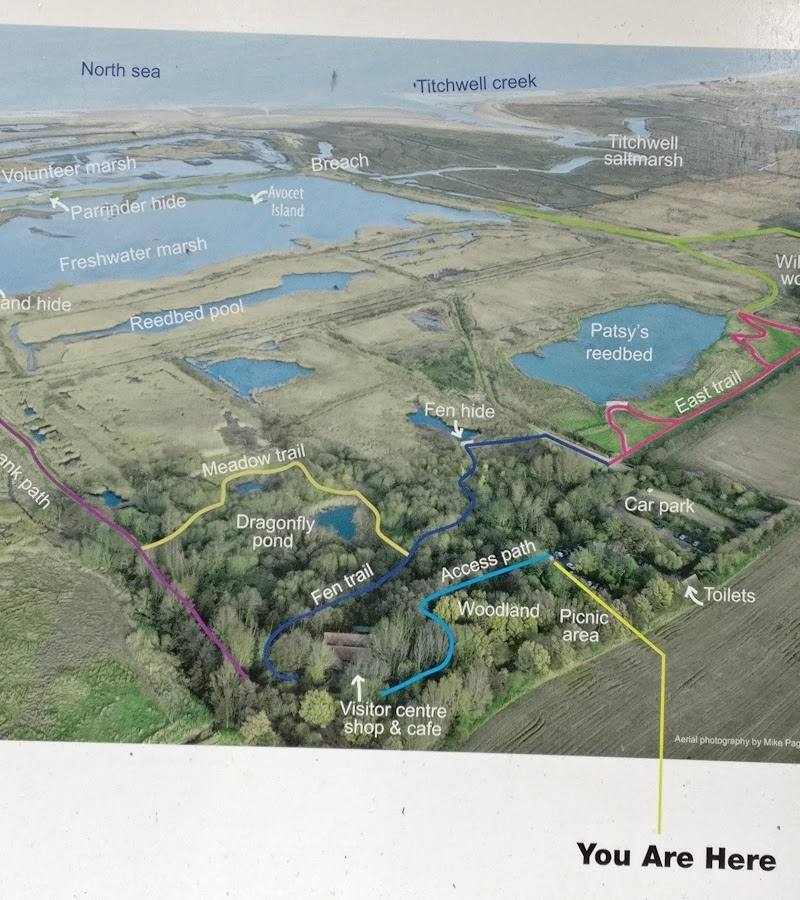
Titchwell earns its place through the way its habitats unfold: freshwater lagoons, reedbeds and saltmarsh lead out towards the open North Sea and a wide sandy beach. The birdlife is the draw, but the changing coastal landscape gives the visit its sense of scale.
Wild · Big-sky · Peaceful
Find your way
Open mapMain Road, Titchwell, near King’s Lynn, Norfolk PE31 8BB
Opening map…
Know this place a little better?
The experience
Follow the reserve paths from the visitor centre through lagoons, reedbeds and saltmarsh, watching the pools and skies for birds. Continue towards the beach if conditions and current access allow. Allow time to pause at the hides and viewing points.
Things to do
Watch the lagoons from a hide
Settle at a Parrinder Hide and scan the freshwater and saltwater views for avocets, waders and other birds. Both hides are described by RSPB as level and accessible.
Allow time to watch and wait
Follow the West Bank towards the beach
Walk out through the reserve’s reedbeds, saltmarsh and lagoons towards its wide, undeveloped beach. Check trail and beach conditions before setting out.
Look for marsh harriers over the reedbeds
Watch above the reedbeds and open marsh for birds of prey; RSPB specifically identifies marsh harriers as part of the reserve’s wildlife.
Take the East Trail for quieter pool views
The RSPB describes the East Trail as a quieter route with outlooks over pools used by wildlife. Check current access arrangements before visiting.
Make a day of it
Quick escape · 1–2 hours
Quick Escape: lagoons and bird hides
- 01
Start at the car park and visitor centre; check current trail access and conditions.
- 02
Follow an open trail to a viewing point or Parrinder Hide and spend time scanning the lagoons for birds.
- 03
Return the same way, or continue towards the beach only if time and current conditions allow.
Half day · Half day
Make a half day of it: marsh to beach
- 01
Begin at the visitor centre and café, checking opening details before arrival.
- 02
Take the West Bank path through reedbeds, saltmarsh and freshwater lagoons, pausing at accessible viewing points and hides.
- 03
Continue towards the wide sandy beach, then retrace your route to the car park.
- 04
Keep time for a second, quieter look across the pools before leaving.
Verified history
The RSPB says remnants of prehistoric times and of a period when the Norfolk coast formed part of Britain’s sea defences can still be seen sporadically across the reserve. The supplied sources do not give dates or identify particular surviving structures.
Hidden details
Look for traces of the old coastal defences — The RSPB notes that remnants associated with Britain’s sea defences occur sporadically across the reserve. The source does not specify their exact locations, so keep an eye out rather than expecting a particular structure.
When to go
March · April · May · September · October · November · Choose a calm, clear period when you can take time at the hides and viewing points; exact best hours are not established by the supplied sources.
The supplied sources highlight spring and autumn migration, and note that many birds spend winter at Titchwell. Wildlife and sightings vary with season and conditions.
Coastal weather and conditions can change. Check the forecast and current reserve information before travelling; no specific weather guidance is supplied.
What to look for
Scan the lagoons and mud for avocets and waders, and look skyward for marsh harriers. The RSPB also highlights Bearded Tits among the reserve’s characteristic birds. Notice the transition from freshwater pools to saltmarsh and open beach.
The story
Coastal landscape; the reserve source notes sporadic remnants of prehistoric times and Britain’s coastal defences.
Best time to go
Year-round; spring and autumn are notable for migrating birds, while many birds also spend winter here.
Spring and autumn bring migration; winter is also worthwhile, when many birds spend the season here. Check current sightings and reserve conditions before setting out.
How long to spend
Half day
Perfect for
Birdwatchers · Wildlife lovers · Walkers · Photographers · Families
Before you go
Address
Phone
Website
Listed hours
- Monday: 9:30am-4:30pm
- Tuesday: 9:30am-4:30pm
- Wednesday: 9:30am-4:30pm
- Thursday: 9:30am-4:30pm
- Friday: 9:30am-4:30pm
- Saturday: 9:30am-4:30pm
- Sunday: 9:30am-4:30pm
Check before visiting.
Google rating
Practical information
Opening & access
RSPB reserve on the north Norfolk coast, with trails through woodland glades, reedbeds, saltmarsh and freshwater lagoons to a wide sandy beach. Check current opening and admission details before visiting.
Check before visiting
Parking
Car park with 115 spaces, including 8 Blue Badge spaces; bonded-gravel surface. No overnight parking or camping. Check current arrangements before travelling.
Check before visiting
Toilets
Accessible toilets in the car park; the RSPB source lists them as open daily 9am–5pm, except Christmas Day and Boxing Day. Check before visiting.
Check before visiting
Food & drink
Visitor centre and café are listed by RSPB; check current opening and availability before visiting.
Check before visiting
Dogs
Dogs on leads are welcome on the West Bank Path and beach. Dogs are not permitted on Fen, East, Meadow or Autumn Trails, except assistance dogs. Follow current reserve signage.
Accessibility
RSPB describes trails as mostly flat, with boardwalks and rolled sand and gravel, and wide enough for pushchairs. Viewing points have ramp or slope access; both Parrinder Hides are described as level and accessible. Conditions and access may vary; check before visiting.
Check before visiting
Cost
Check before visiting
Check before visiting
Water
Freshwater lagoons, saltmarsh, reedbeds and sea-facing beach. No swimming or paddling permission evidenced; do not assume these activities are allowed.
Gallery
Place photographs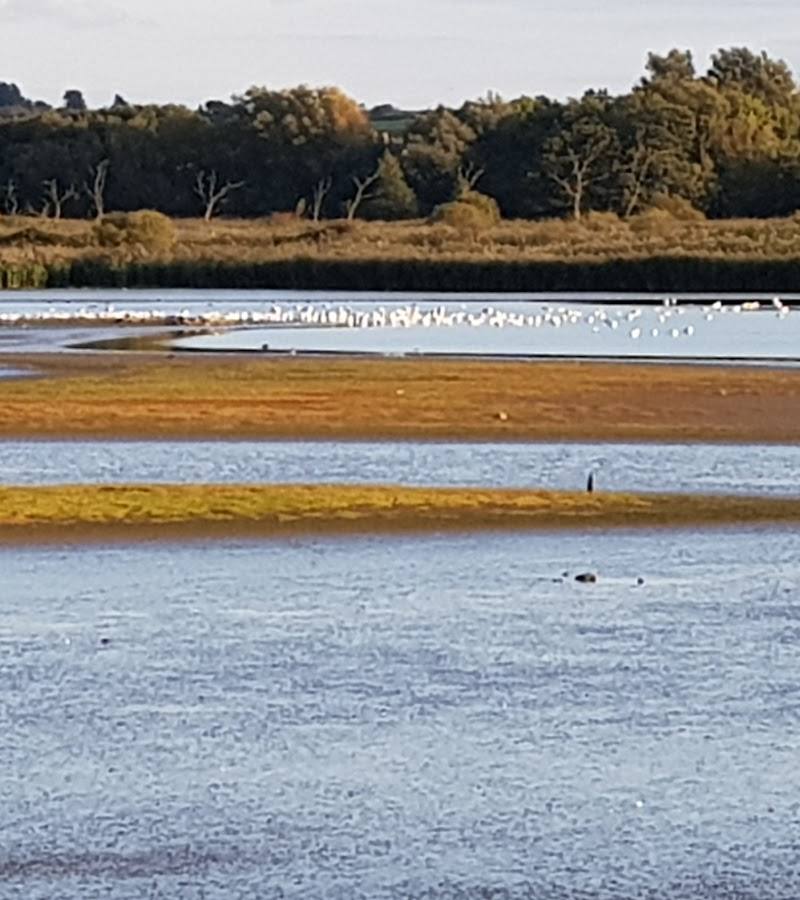
Keep exploring
Around RSPB Titchwell Marsh
Within 50 km · approximate straight-line distances
 Place photograph6.8
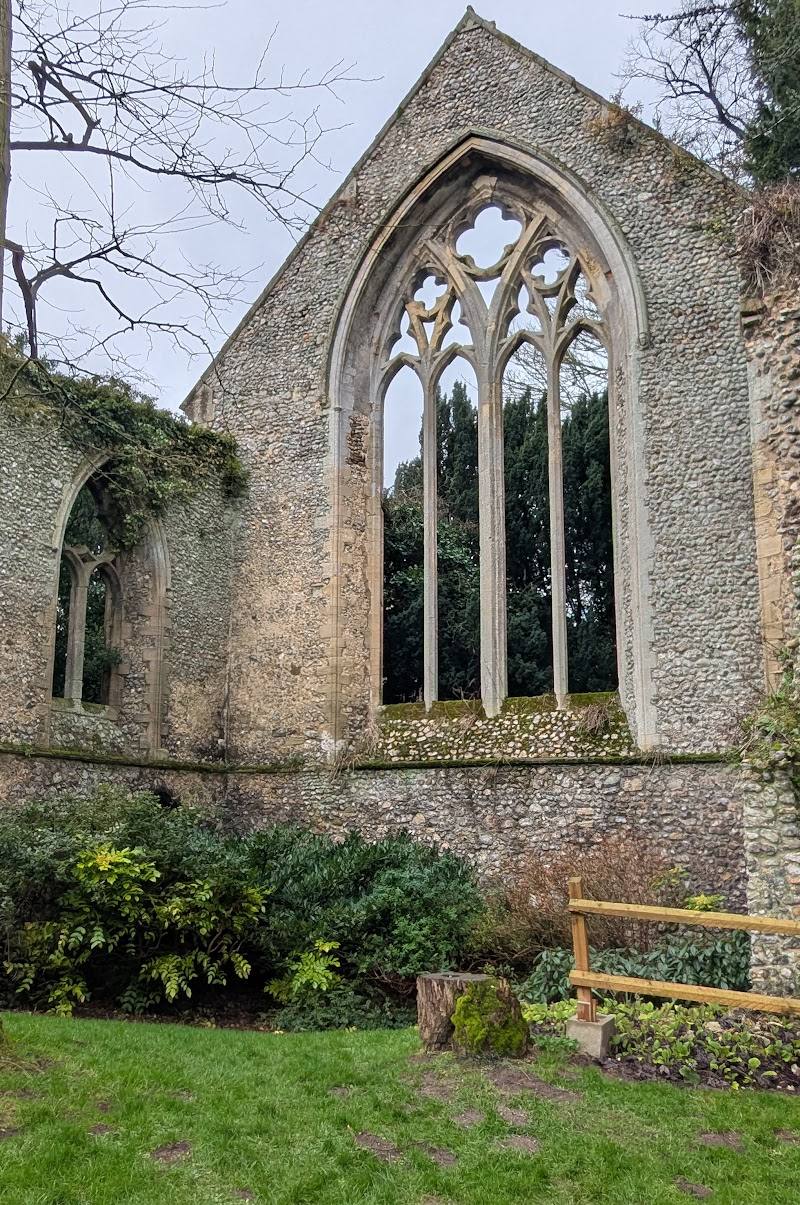
Creake Abbey
Burnham Road, North Creake, near Fakenham, Norfolk NR21 9LF
11.3 km away
 Source image8.1
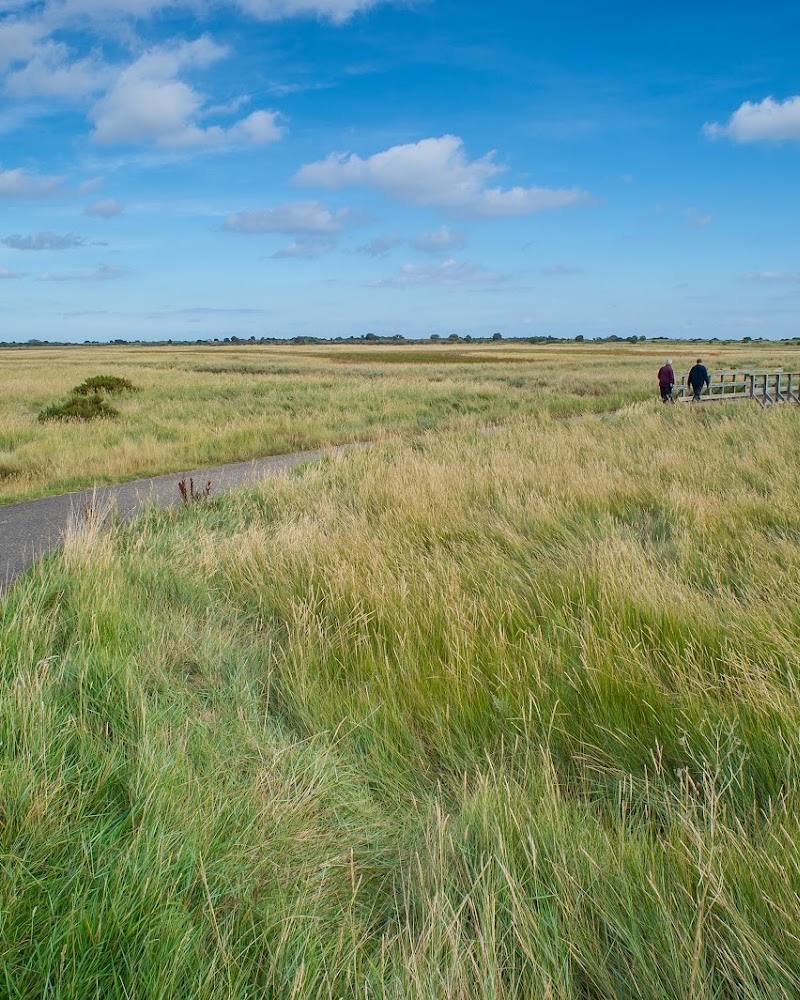
Gibraltar Point National Nature Reserve
Gibraltar Road, Skegness, Lincolnshire PE24 4SU
23.9 km away
 Source image8.1
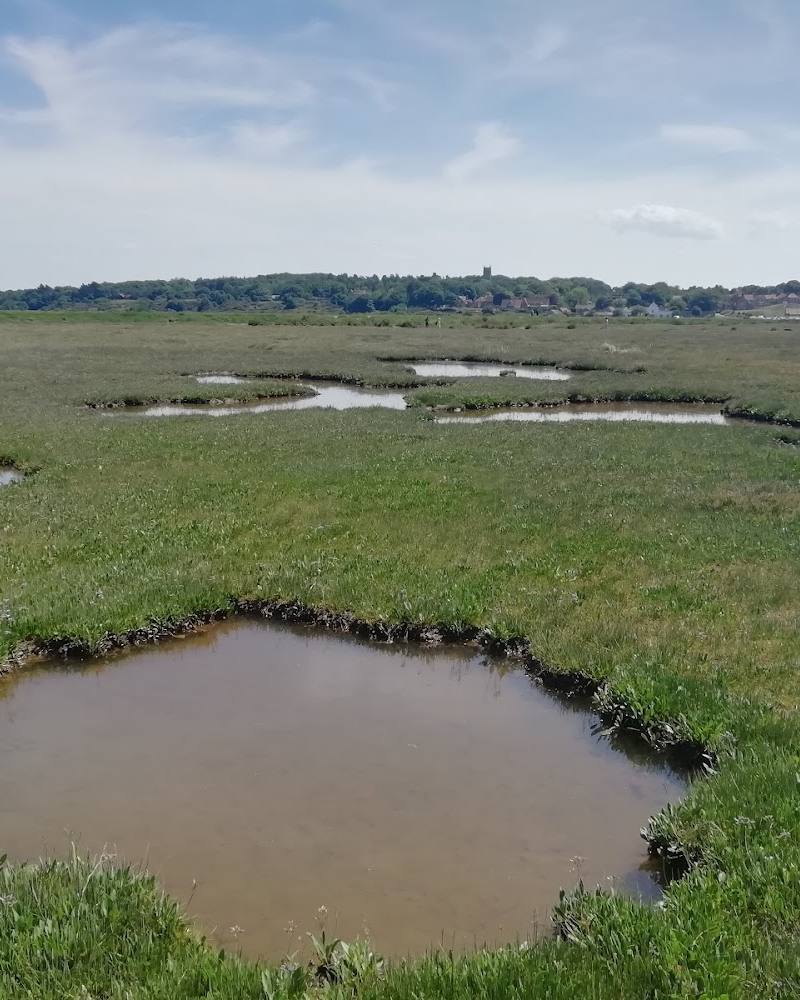
Blakeney National Nature Reserve
Morston Road, near Holt, Norfolk NR25 7BH
27.2 km away