Burnham Road, North Creake, near Fakenham, Norfolk NR21 9LF
Creake Abbey
Monastic ruins
Place photograph
6.8
Wildland
1–2 hours
Time
Free
Cost
Atmospheric
Feel
Why it's Wildland
6.8A flint-walled Augustinian abbey church, diminished by fire and plague before its closure in 1506.
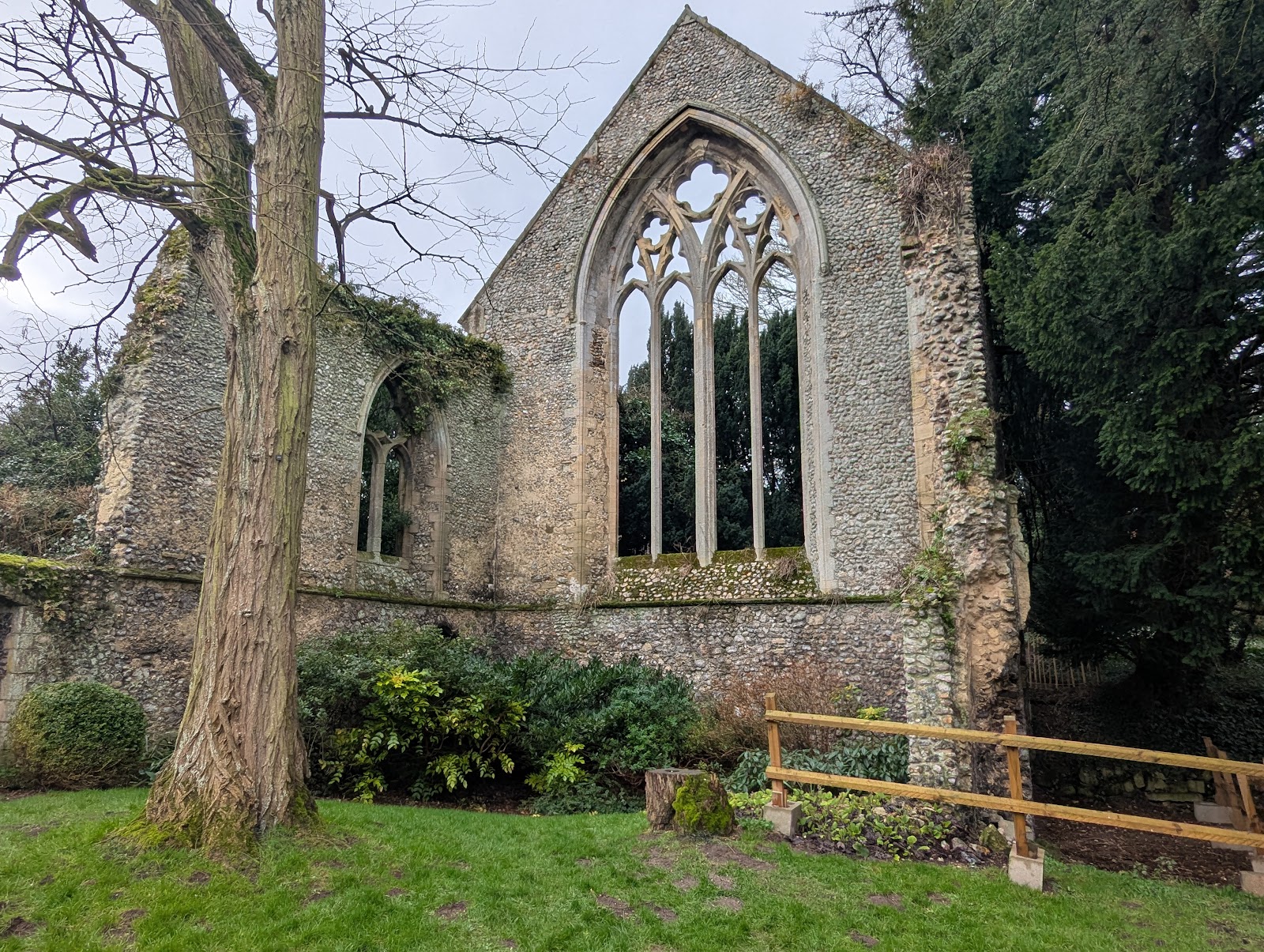
Creake Abbey is more than a picturesque ruin: its blocked arches and surviving chancel bays make the story of fire, decline and monastic closure visible in the fabric. Its quiet countryside setting and neighbouring courtyard give a short visit room to unfold into a longer stop.
Atmospheric · Historic
Find your way
Open mapBurnham Road, North Creake, near Fakenham, Norfolk NR21 9LF
Opening map…
Know this place a little better?
The experience
Explore the surviving church remains at an unhurried pace, looking closely at the flint walls, blocked arches and chancel bays. Pair the visit with the neighbouring courtyard café or shops if they are open.
Things to do
Read the abbey church’s surviving form
Look for the surviving chancel bays and the carved window and doorway details identified in the visitor information.
Allow time to explore; exact duration not specified.
Look for the blocked arches and windows
English Heritage says the church was drastically reduced after a devastating 15th-century fire, with arches and windows blocked. These alterations make the building’s change over time visible.
Visit the neighbouring courtyard
The courtyard has a café, locally owned shops and services. Check the café and shop opening hours before setting out; they are not open every day.
Make a day of it
Quick escape · Allow around an hour; visitor duration is not specified by the source.
Quick Escape: read the abbey ruins
- 01
Use the main drive and follow the left fork signposted “Abbey Ruins” towards the grassed parking area.
- 02
Enter through the gate and take a slow look around the surviving church remains.
- 03
Notice the chancel bays, carved details and blocked arches and windows.
Half day · Half day; exact visit durations are not specified.
Make a half day of it: ruins and courtyard
- 01
Explore the abbey ruins and look for the surviving chancel bays and blocked arches.
- 02
Continue to the neighbouring courtyard for its café and locally owned shops, checking opening hours in advance.
- 03
If your visit coincides with the first Saturday of most months, check whether the farmers’ market is taking place.
Verified history
Creake Abbey was an Augustinian abbey. English Heritage describes a devastating 15th-century fire that led to the church being drastically reduced, with arches and windows blocked. Plague later struck; the last abbot died alone, and the abbey closed in 1506. The surviving chancel bays and carved details offer physical evidence of the church that remains.
Hidden details
Blocked arches and windows — Look for the blocked openings: English Heritage links them to the drastic reduction of the church after a 15th-century fire.
Surviving chancel bays — The chancel bays are among the surviving features noted in the supplied description of the abbey remains.
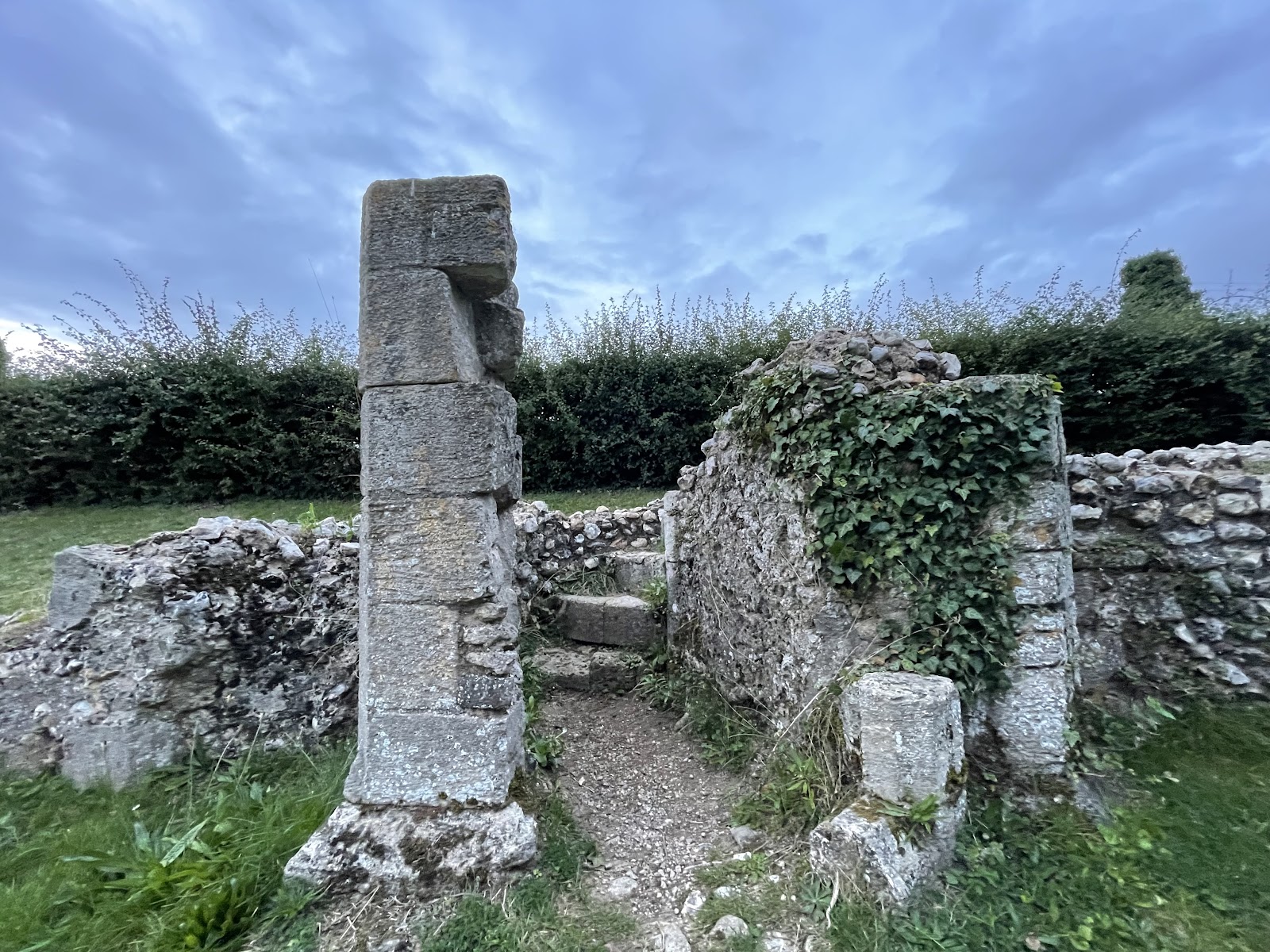
Carved window and doorway details — The supplied description identifies carved details among the surviving features; inspect the stonework from a safe position and do not climb the ruins.
When to go
· Daylight; the supplied English Heritage information gives no more specific preferred time.
English Heritage says the site is open at reasonable times during daylight hours. No seasonal highlight is established by the supplied sources.
Uneven surfaces are noted. Check conditions before visiting, particularly after wet weather.
Worth pairing with
Creake Abbey courtyard café and shops
A convenient same-site addition to the abbey visit. The café and locally owned shops are not open every day, so check hours before travelling.
Creake Abbey Farmers’ Market
The official site describes a farmers’ market on the first Saturday of the month, excluding January. Confirm the current date and details before planning around it.
Castle Acre
English Heritage suggests Castle Acre, 20 miles south, for a broader North Norfolk history day, including its priory, castle and Bailey Gate.
What to look for
Look for the surviving chancel bays, carved window and doorway details, and arches and windows blocked after the abbey was reduced following a 15th-century fire.
The story
Monastic history
Best time to go
Daylight visits are possible throughout the year; choose a dry day for easier footing on uneven surfaces.
Visit in daylight, as the ruins are open at reasonable times during daylight hours. A dry day may make the uneven surfaces easier to negotiate.
How long to spend
1–2 hours
Perfect for
History lovers · Photographers · Solo · Couples
Before you go
Address
Phone
Website
Listed hours
- Monday: Open 24 hours
- Tuesday: Open 24 hours
- Wednesday: Open 24 hours
- Thursday: Open 24 hours
- Friday: Open 24 hours
- Saturday: Open 24 hours
- Sunday: Open 24 hours
Check before visiting.
Google rating
Practical information
Opening & access
English Heritage says the ruins are free to visit and open at reasonable times during daylight hours. Access is through a gate described as suitable for wheelchair users. Check current conditions before travelling.
Check before visiting
Parking
English Heritage identifies a grassed parking area, reached by taking the left fork on the main drive signposted “Abbey Ruins”.
Toilets
Accessible toilets are in the neighbouring courtyard, according to English Heritage.
Food & drink
A café is in the neighbouring courtyard; check its opening hours, as it is not open every day.
Check before visiting
Dogs
Dogs on leads are welcome, according to English Heritage.
Accessibility
English Heritage says the abbey is reached through a gate suitable for wheelchair users. The site has uneven surfaces and falling-masonry hazards; wheelchair access beyond the gate and path conditions are not specified.
Cost
Free
Gallery
Place photographs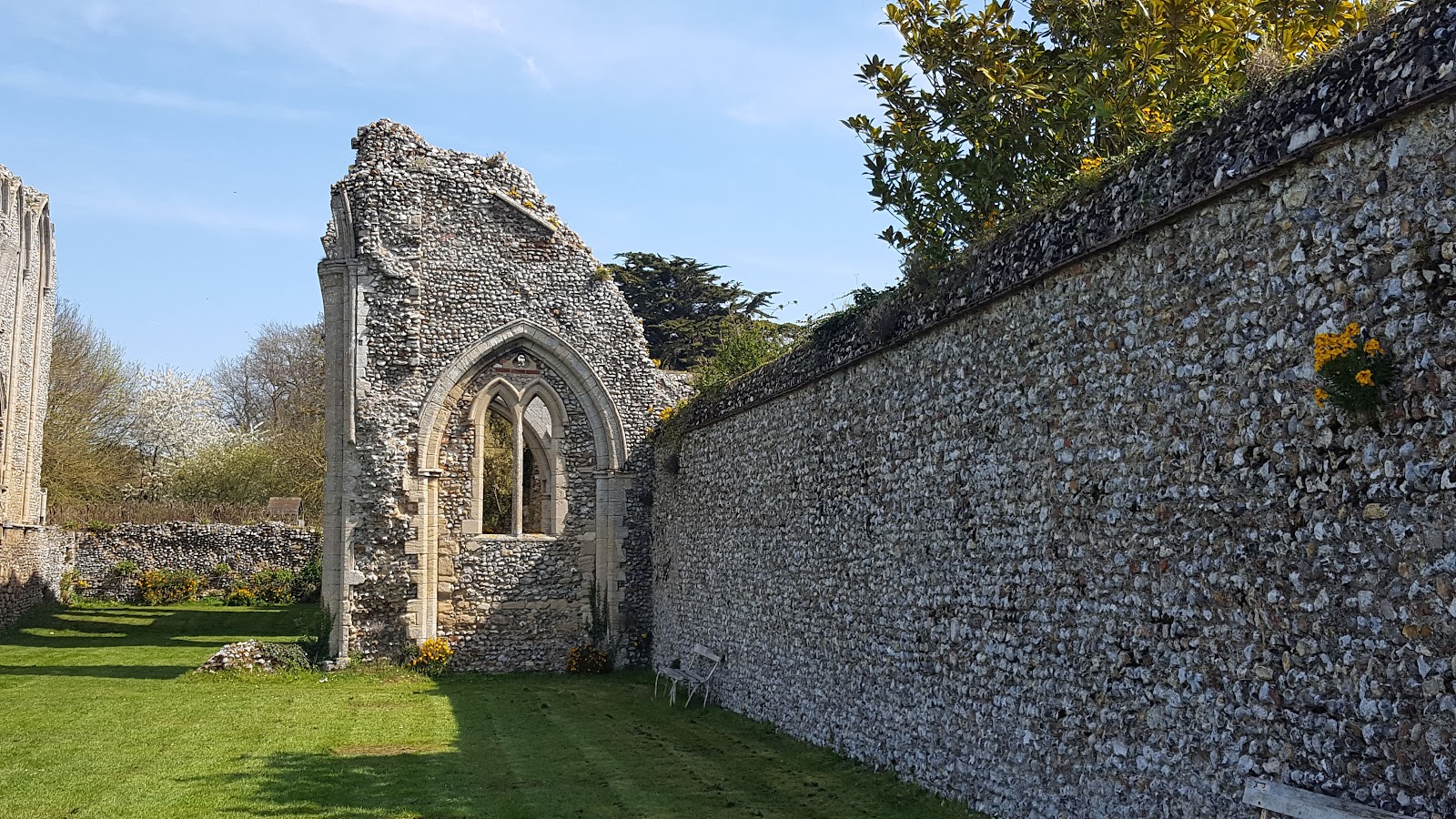
Keep exploring
Around Creake Abbey
Within 50 km · approximate straight-line distances
 Source image8.1
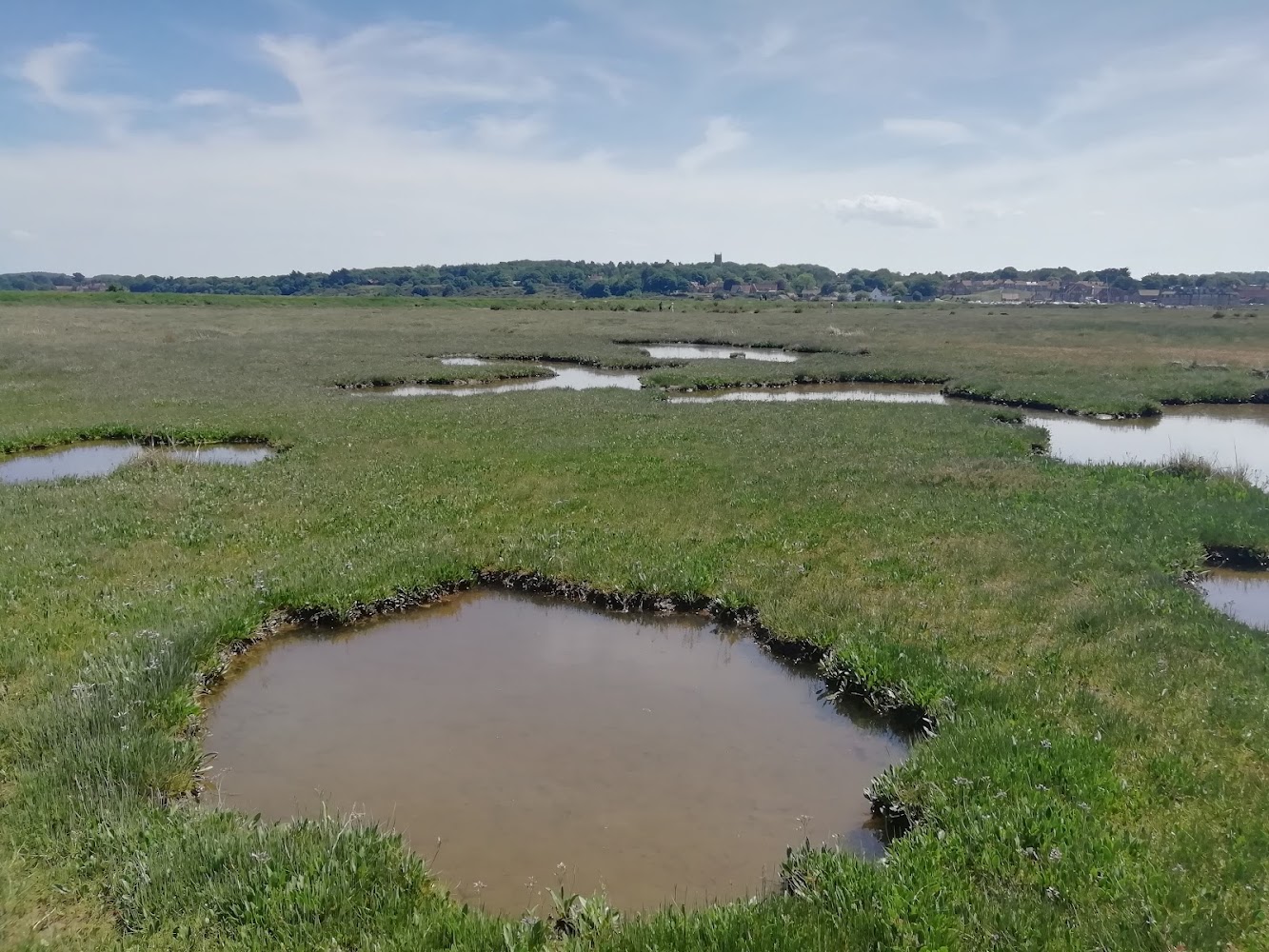
Blakeney National Nature Reserve
Morston Road, near Holt, Norfolk NR25 7BH
17.4 km away

 Place photograph7.9
Castle Acre Priory
Priory Road, Castle Acre, King's Lynn, Norfolk, PE32 2AA
25.0 km away
 Place photograph7.2
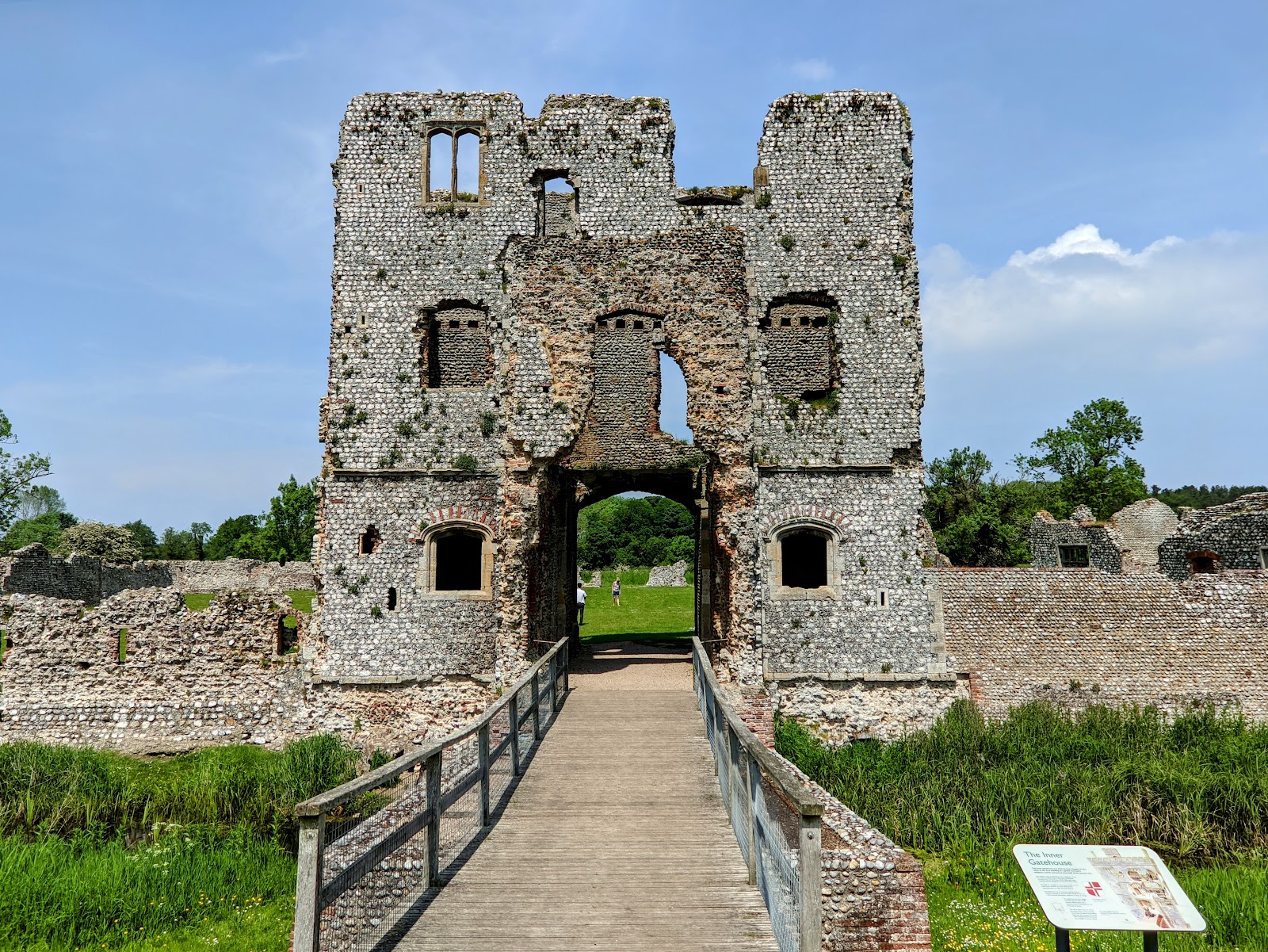
Baconsthorpe Castle
Castle Lane, Baconsthorpe, near Holt, Norfolk NR25 6LL
26.4 km away