Beach Road, Snettisham, King's Lynn, Norfolk PE31 7RA
RSPB Snettisham
Mixed-habitat reserve
Source image
8.2
Wildland
1–2 hours for a reserve visit
Time
Check
Cost
Wild
Feel
Why it's Wildland
8.2On the edge of The Wash, Snettisham’s lagoons, saltmarsh and mudflats become a stage for great flocks of waders—and, in winter, pink-footed geese lifting into the dawn sky.
Snettisham earns its place for wildlife on a genuinely immense scale: at the right tide, knot, dunlin and oystercatchers rise from the mudflats in swirling flocks, while winter mornings can bring thousands of pink-footed geese overhead. These spectacles are seasonal and tide-dependent, so timing matters as much as the walk.
Wild · Big-sky · Dramatic · Seasonal
Find your way
Open mapBeach Road, Snettisham, King's Lynn, Norfolk PE31 7RA
Opening map…
Know this place a little better?
The experience
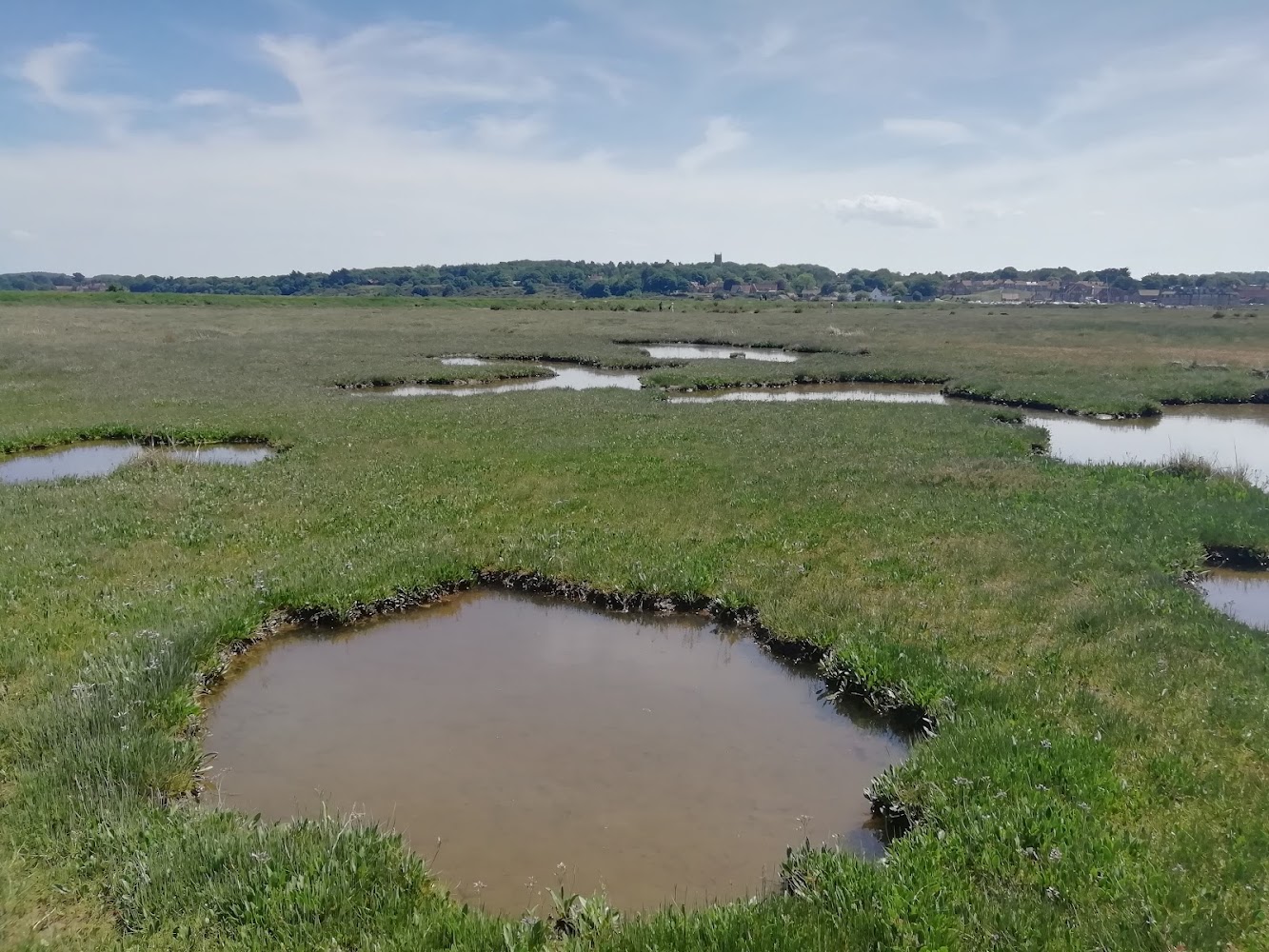
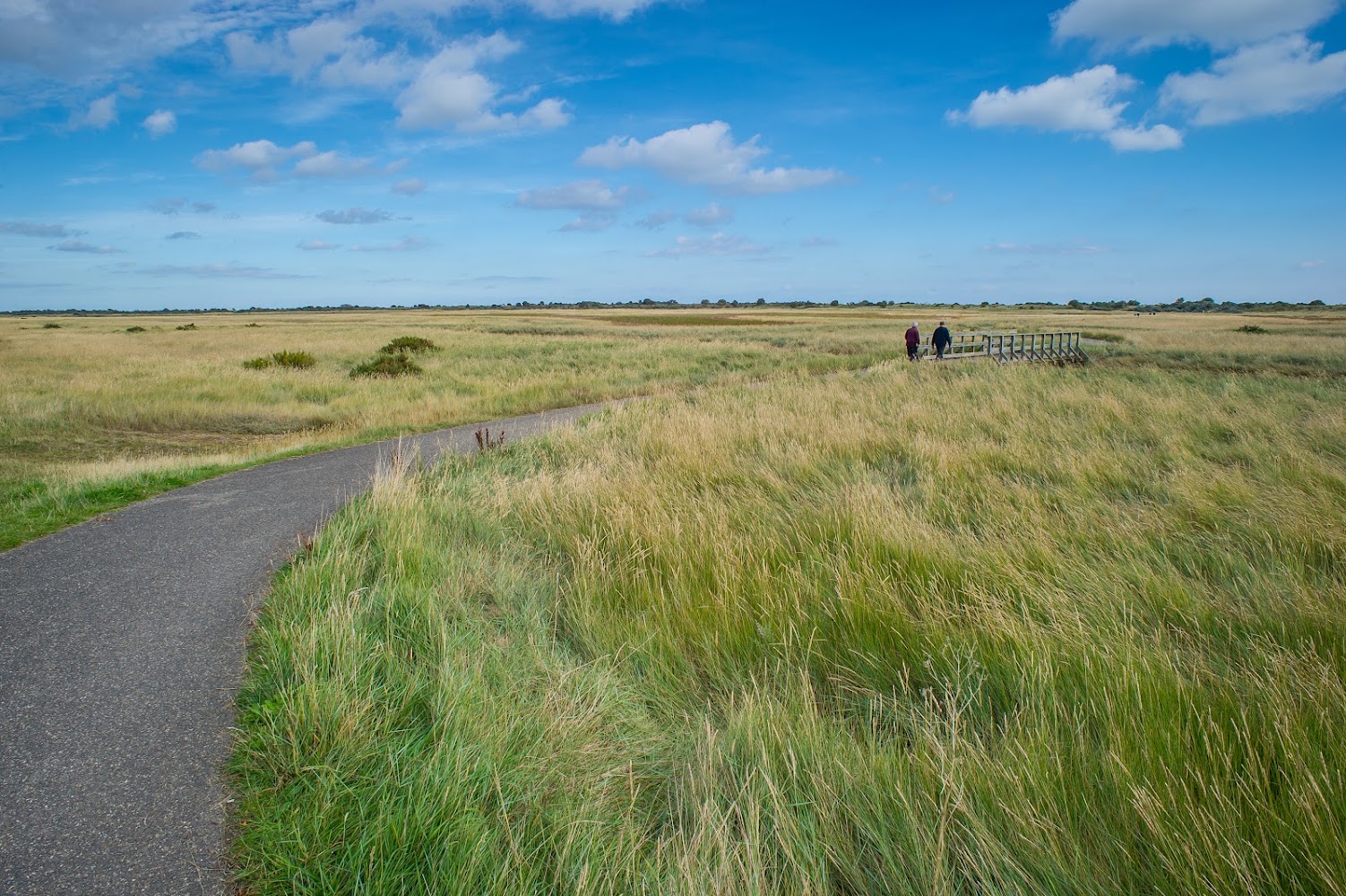
Follow a signposted reserve trail through a coastal landscape of lagoons, saltmarsh and mudflats. The draw is the wildlife: seasonal wader roosts and winter geese, with the most dramatic displays depending on tide and date.
Things to do
Watch the whirling wader spectacle
At selected dates and incoming tides, rising water pushes roosting knot, dunlin and oystercatchers closer to shore. Large flocks may take to the air together. The RSPB warns that this spectacle does not happen every day; check its dates and times rather than expecting it on any visit.
Allow time for the scheduled event; check the RSPB guide
Look for pink-footed geese at first light
In winter, up to 30,000 pink-footed geese gather on The Wash. At first light, watch for skeins lifting and heading inland to feed.
Early morning; check conditions and seasonal information
Explore a signposted reserve trail
Choose from three signposted trails of different lengths across a mix of flat and undulating ground. Surfaces and access vary; the car-park approach includes steps and uneven gravel and sand.
Scan the lagoons, saltmarsh and mudflats
Take time to look across the reserve’s brackish lagoons, saltmarsh and broad mudflats, watching for waterbirds and changes in the tide.
Make a day of it
Quick escape · About 1–2 hours
Quick Escape: the tide-side wildlife walk
- 01
Check the RSPB spectacle dates and times first if you are visiting for a major bird display.
- 02
Park in the reserve-marked bays at the end of the access road and follow one of the signposted trails towards the hides and shore.
- 03
Pause to scan the lagoons and mudflats; if the timing and tide are right, watch for waders gathering and lifting together.
- 04
Return by a signposted trail, allowing extra time for uneven surfaces and the stepped approach.
Half day · Half day
Make a Half Day of It: reserve trails and Snettisham village
- 01
Start with an early reserve visit, timed to the RSPB’s published spectacle schedule or, in winter, first light for geese.
- 02
Choose among the reserve’s three signposted trails, adjusting your route to conditions and the wildlife you encounter.
- 03
After the reserve, head into Snettisham village for a café or a meal; the supplied local guide names The Old Store, The Granary and the Rose & Crown, but check current opening and availability.
- 04
If time allows, visit St Mary’s Church in the village; check access and opening before setting out.
Hidden details
The tide is part of the spectacle — The large wader displays depend on the incoming tide pushing birds towards the shore, and the RSPB says the event does not happen every day. Check the selected spectacle dates and times before travelling.
A winter dawn soundscape — The RSPB describes the calls of pink-footed geese carrying across The Wash as the birds lift in close formations at first light.
When to go
September · October · November · December · January · February · First light for winter geese; for waders, follow the RSPB’s selected spectacle times and tide guidance.
The RSPB identifies late summer to early winter for large wader roosts and winter for pink-footed geese. The largest wader displays depend on high spring tides and selected dates; sightings are not guaranteed.
Coastal conditions can be exposed. The supplied evidence describes uneven compacted gravel and sand and trails with flat and undulating sections; check current conditions and dress for weather and mud.
Worth pairing with
Snettisham village
A practical post-visit pairing for refreshments. A local guide names The Old Store, The Granary and the Rose & Crown; verify current opening, service and availability before travelling.
St Mary’s Church, Snettisham
The local guide describes a fourteenth-century church with a 172-foot spire and stained glass. Check current opening and access before visiting.
What to look for
- 01
Look across the mudflats for knot, dunlin and oystercatchers gathering as the tide advances
- 02
watch for the sudden lift and turning movement of a large flock. In winter, scan the dawn sky for pink-footed geese in V-shaped skeins.
Best time to go
Late summer to early winter for the wader roost and tide-dependent 'whirling wader' spectacle; winter for pink-footed geese. Check RSPB spectacle dates and times before visiting.
For the whirling wader spectacle, use the RSPB’s selected dates and times and plan around the incoming tide. For pink-footed geese, choose a winter first-light visit. Neither spectacle is guaranteed outside the dates identified by the RSPB.
How long to spend
1–2 hours for a reserve visit; allow longer for trails and wildlife watching.
Perfect for
Wildlife lovers · Photographers · Walkers · Families
Before you go
Address
Phone
Website
Listed hours
- Monday: Open 24 hours
- Tuesday: Open 24 hours
- Wednesday: Open 24 hours
- Thursday: Open 24 hours
- Friday: Open 24 hours
- Saturday: Open 24 hours
- Sunday: Open 24 hours
Check before visiting.
Google rating
Practical information
Opening & access
RSPB visitor reserve with three signposted trails. The approach from the car park includes 53 steps, width restrictions and uneven compacted gravel and sand. Check the RSPB reserve information and spectacle dates before travelling.
Check before visiting
Parking
80 marked reserve bays at the end of the access road, shared with a local angling club. Use the reserve-marked bays only. Parking machine and app available; RSPB members must still obtain a free ticket. Height barrier 2.1m; no alternative parking for tall vehicles. No overnight parking or camping.
Toilets
Accessible waterless, chemical-free toilet in the main car park; RSPB states it is open 24 hours. No baby-changing or changing facilities.
Food & drink
Check before visiting; no on-site café or food provision is confirmed in the supplied evidence.
Check before visiting
Dogs
Google source data says dogs are allowed, but reserve-specific restrictions are not established in the supplied official evidence. Check current RSPB rules before visiting.
Check before visiting
Accessibility
The car park toilet is described as accessible. The route from the car park to the reserve has 53 steps, width restrictions and uneven compacted gravel and sand. Part of the Loop trail between the special-access parking area and Shore hide is a concrete path adapted for wheelchair users and visitors with access needs. Contact RSPB/Titchwell Marsh at least five working days ahead about a limited accessibility parking permit.
Cost
Paid parking may apply; RSPB members can obtain a free parking ticket. Check current charges before visiting.
Check before visiting
Water
Estuary, saltmarsh, brackish lagoons and mudflats. Water activities are not verified; do not assume swimming or paddling is permitted.
Gallery
Place photographsKeep exploring
Around RSPB Snettisham
Within 50 km · approximate straight-line distances
 Place photograph6.8
Creake Abbey
Burnham Road, North Creake, near Fakenham, Norfolk NR21 9LF
21.5 km away
 Place photograph7.9
Castle Acre Priory
Priory Road, Castle Acre, King's Lynn, Norfolk, PE32 2AA
24.3 km away
 Source image8.1
Gibraltar Point National Nature Reserve
Gibraltar Road, Skegness, Lincolnshire PE24 4SU
27.2 km away
 Place photograph5.2
Church Farm – Stow Bardolph
Lynn Road, Stow Bardolph, King's Lynn, Norfolk PE34 3HT
27.5 km away