8.3
Wildland
Half day
Time
Check
Cost
Big-sky
Feel
Why it's Wildland
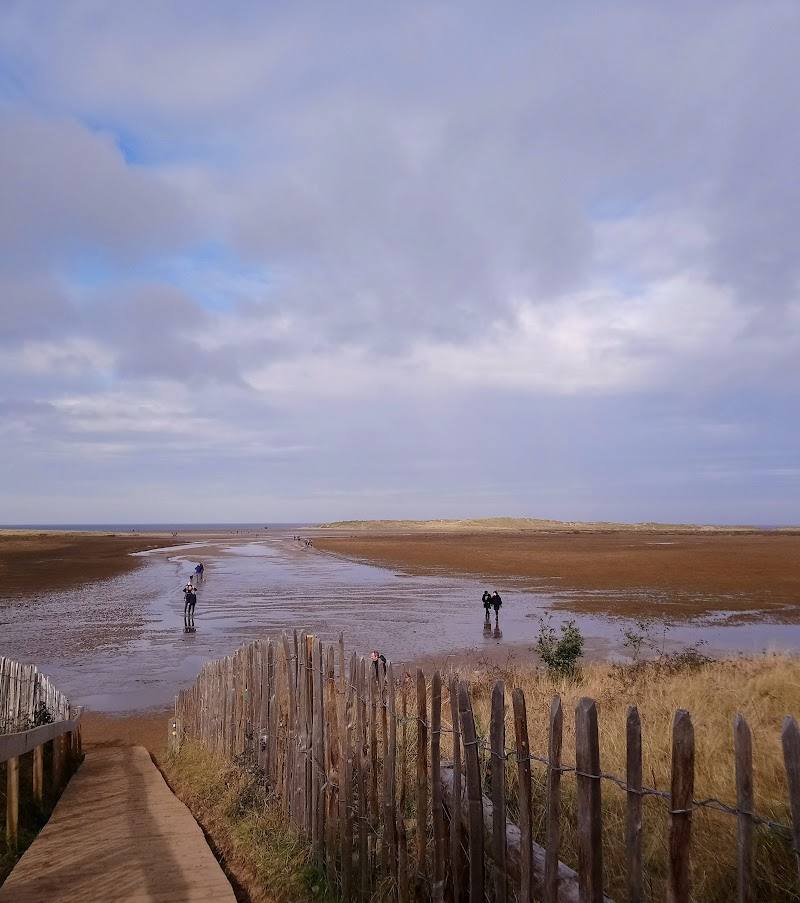
8.3A vast North Sea beach backed by dunes, saltmarsh and pinewoods, where the landscape is continually reshaped by the tides.
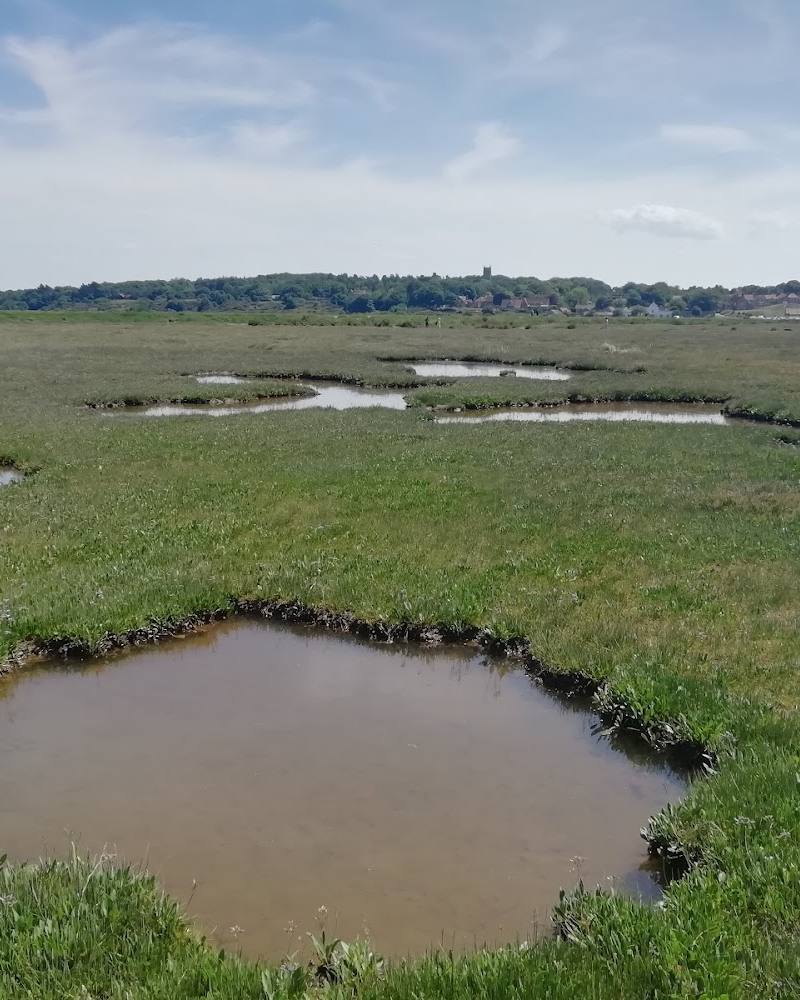
Holkham is more than a broad sandy shore: the beach opens into a large reserve of dunes, grazing marsh, saltmarsh and pinewoods. Its changing tide lines and far-reaching skies make the landscape itself the main event.
Big-sky · Wild · Remote
Find your way
Open mapHolkham, near Wells-next-the-Sea, Norfolk
Opening map…
Know this place a little better?
The experience
Start with the wide beach and its shifting tidelines, then explore the reserve’s distinct coastal habitats. Allow time to notice how the dunes, marshes and pines change the feel of the landscape as you move away from the shore.
Things to do
Walk the open beach
Take in the broad sandy shore and follow the tideline, where the North Sea leaves changing deposits of sand, shingle and shells.
Check before visiting
Explore the reserve’s coastal habitats
Look beyond the beach to the dunes, saltmarsh, grazing marsh and pinewoods that form part of the wider reserve.
Check before visiting
Visit Salts Hole
Find out about this small pool’s place in the former tidal landscape: the reserve describes it as one of the main inlets when tidal waters passed through the marshes.
Make a day of it
Quick escape · 1–2 hours
Quick Escape: beach and big skies
- 01
Start at the beach access point and walk out onto the open sand.
- 02
Follow the tideline for a short stretch, noticing the sand, shingle and shells brought in by the North Sea.
- 03
Turn back when you have had your fill of the open views; check tides and access guidance before your visit.
Half day · Half day
Make a Half Day of It: beach, dunes and reserve habitats
- 01
Begin with a walk across the beach and along the tideline.
- 02
Continue to explore the changing coastal scenery, from dunes and pinewoods to saltmarsh and grazing marsh.
- 03
Use the official reserve information to choose a suitable area to explore and check current visitor arrangements before you go.
Verified history
Holkham’s coastal landscape has changed with the tides. The reserve describes how the North Sea brings sand, shingle, shells and plant seeds into Holkham Bay. The pinewoods known as Holkham Meals were planted in the late 1800s to stabilise the sand dunes and prevent sand blowing onto reclaimed arable land. Salts Hole was once one of the main inlets through the marshes.
Hidden details
The pines are planted, not natural — The Holkham Meals pinewoods were planted in the late 1800s to stabilise the dunes and protect reclaimed arable land from drifting sand.
Salts Hole’s former role — This small pool marks a place where tidal waters once passed through the marshes; it was one of the main inlets in that former landscape.
When to go
· Choose a clear, calm period for open views; check tide and weather conditions before visiting.
The supplied sources describe the reserve’s habitats and coastal processes but do not establish particular best months or seasonal wildlife peaks.
This is an exposed coastal setting. Check the forecast, tide conditions and current reserve guidance before visiting.
What to look for
- 01
Notice the changing line of sand, shingle and shells left by the North Sea
- 02
listen for wind in the dunes and pines
- 03
look for the contrast between open beach, saltmarsh and grazing marsh. The pinewoods known as Holkham Meals were planted in the late 1800s to stabilise the dunes.
The story
Coastal landscape shaped by tides; the Holkham pinewoods were planted in the late 19th century to stabilise dunes.
Best time to go
Check current reserve guidance for seasonal wildlife information; the beach and reserve offer changing coastal scenery throughout the year.
Choose a clear, calm day for expansive views and an unhurried walk. Check tide conditions and current reserve guidance before setting out.
How long to spend
Half day
Perfect for
Walkers · Photographers · Wildlife lovers · Dogs
Before you go
Practical information
Opening & access
Public destination; check the official visitor information for current access and visitor arrangements.
Check before visiting
Parking
Check before visiting.
Check before visiting
Toilets
Check before visiting.
Check before visiting
Food & drink
Check before visiting.
Check before visiting
Dogs
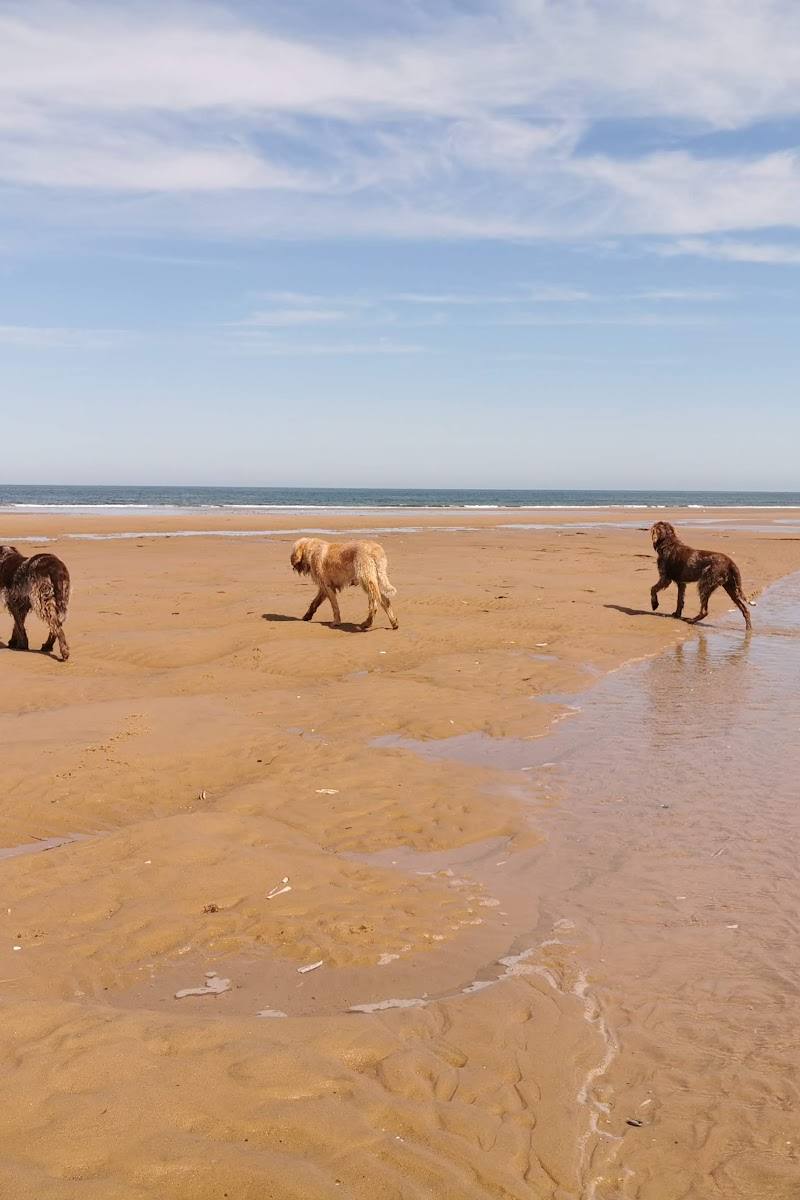
Dogs are welcome year-round. In certain areas, dogs must be on leads from 1 April to 30 August to protect ground-nesting birds; check the reserve’s current guidance and signage.
Check before visiting
Accessibility
Check before visiting.
Check before visiting
Cost
Check before visiting
Check before visiting
Water
Sea
Gallery
Place photographs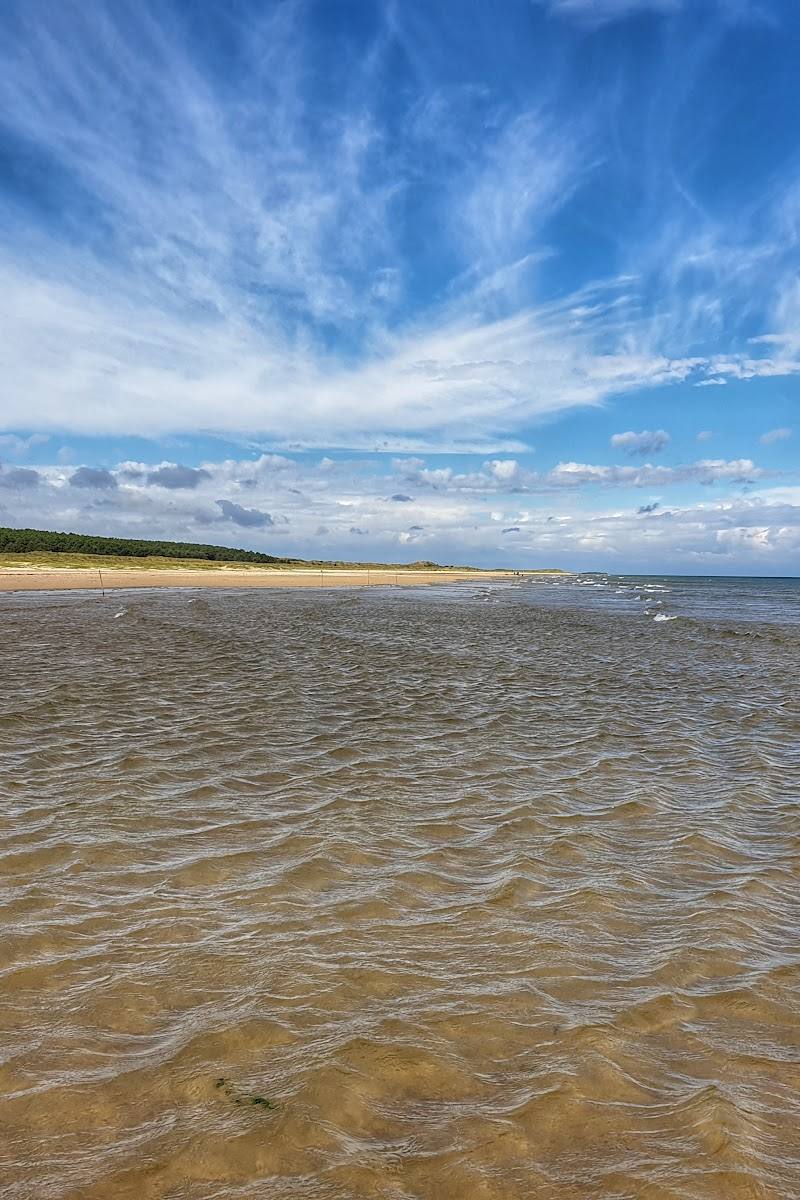
Keep exploring
Around Holkham Beach
Within 50 km · approximate straight-line distances
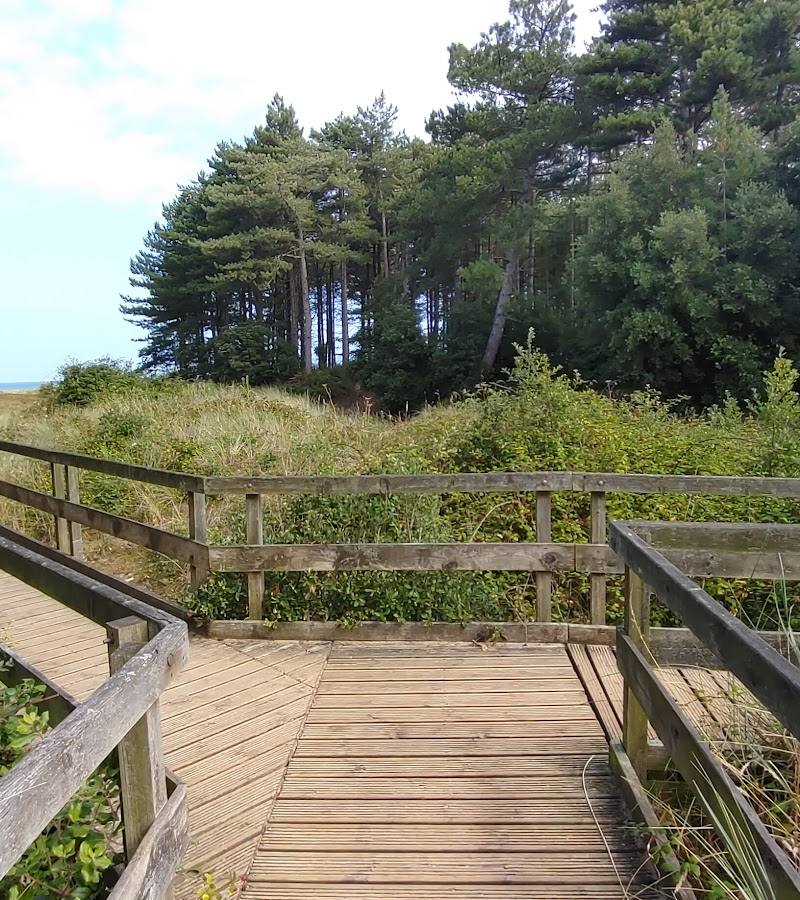
 Place photograph6.8
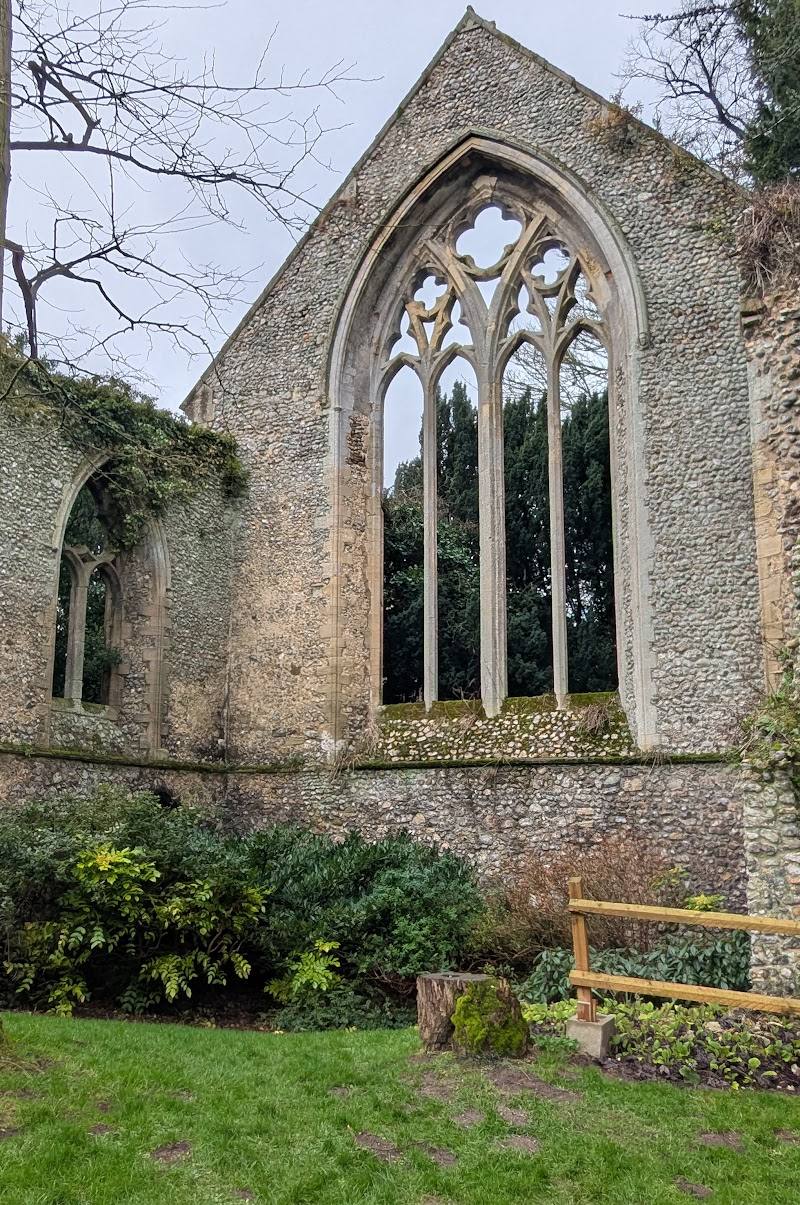
Creake Abbey
Burnham Road, North Creake, near Fakenham, Norfolk NR21 9LF
6.6 km away
 Place photograph8.6
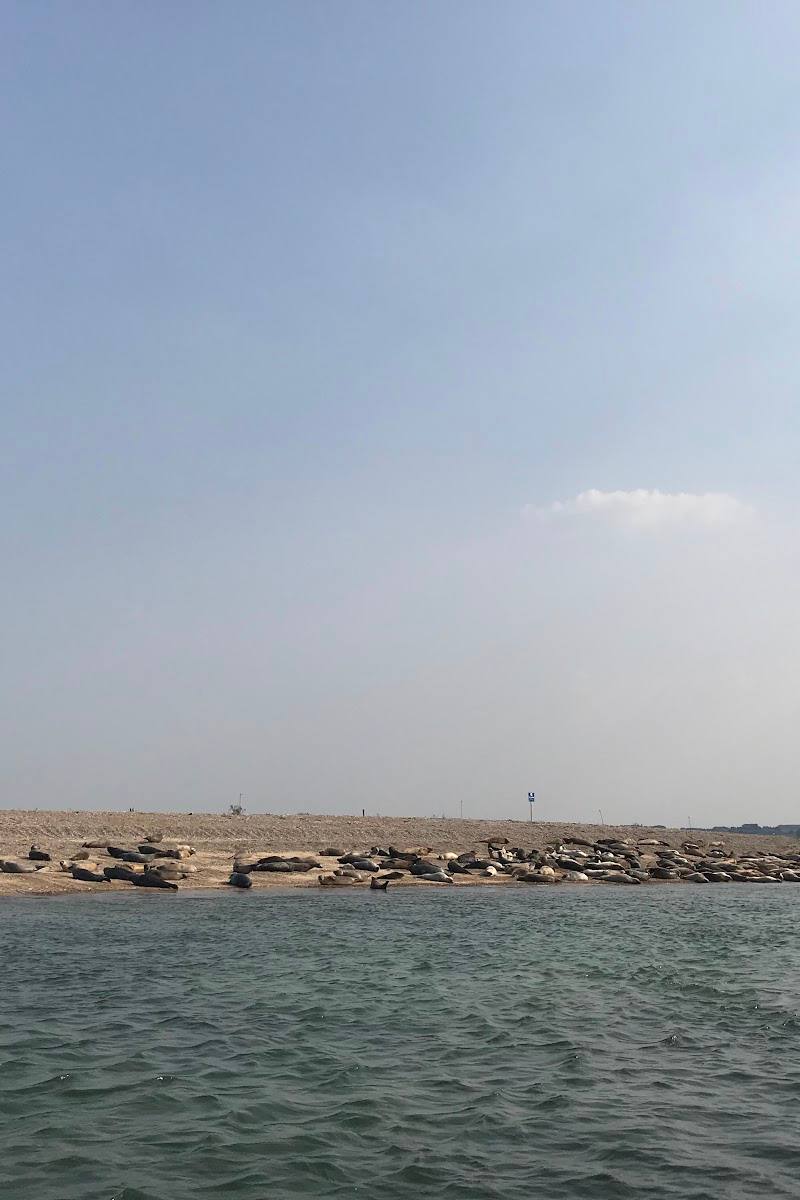
Blakeney Point
North Norfolk coast, near Blakeney and Morston, Norfolk
10.9 km away
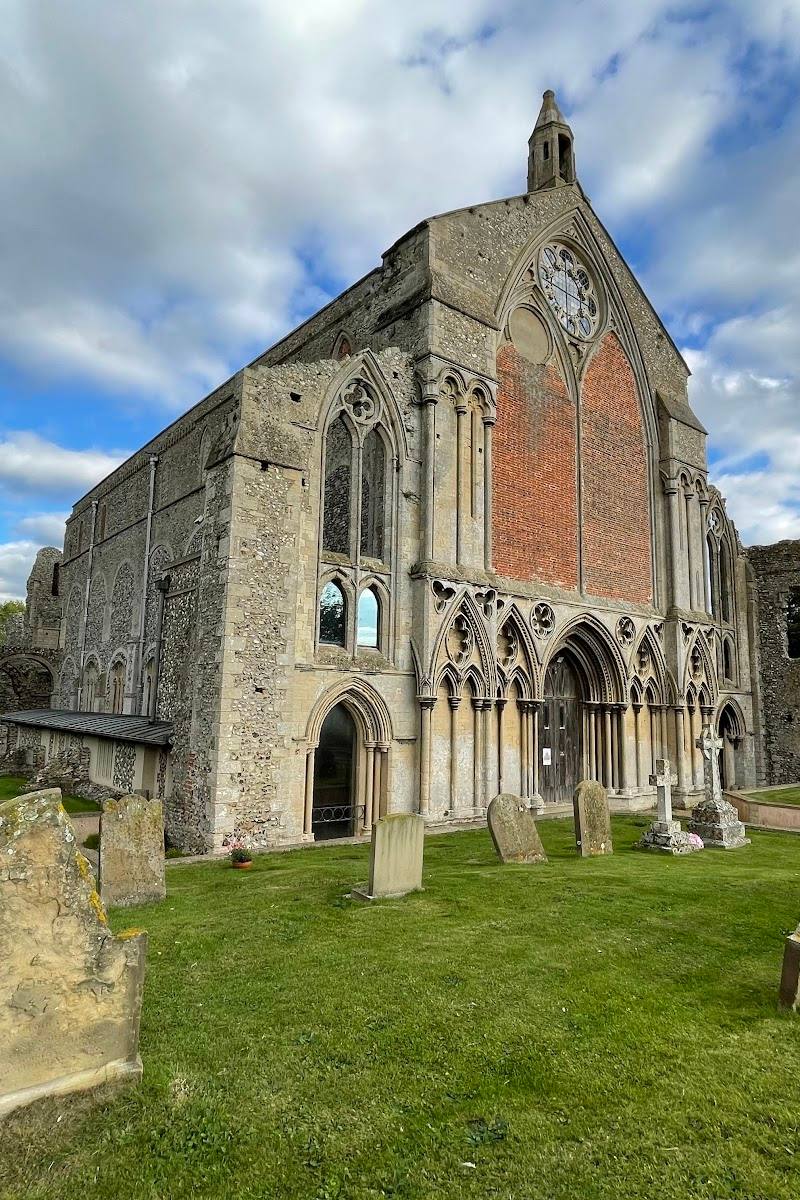
 Place photograph8.1
RSPB Titchwell Marsh
Main Road, Titchwell, near King’s Lynn, Norfolk PE31 8BB
13.2 km away