Heysham, Morecambe, Lancashire
Heysham Moss Nature Reserve
Mixed-habitat reserve
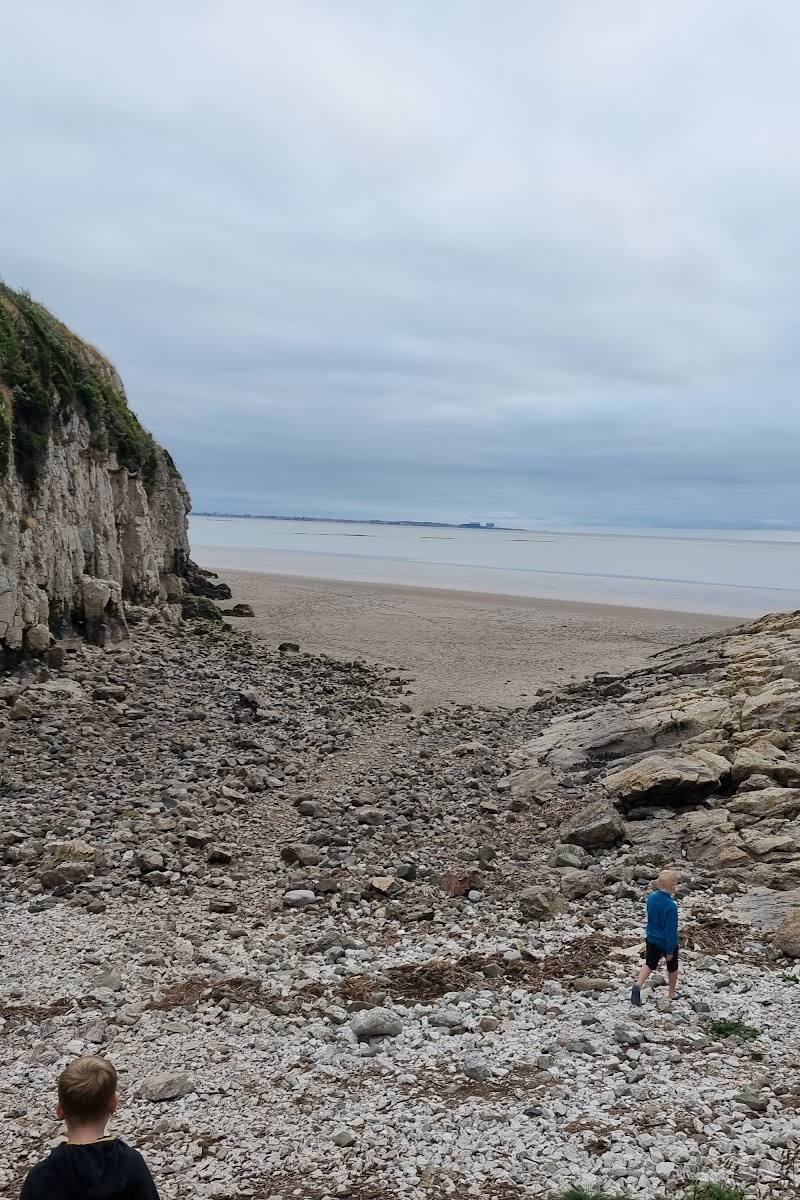
Place photograph
5.8
Wildland
1–2 hours
Time
Check
Cost
Peaceful
Feel
Why it's Wildland
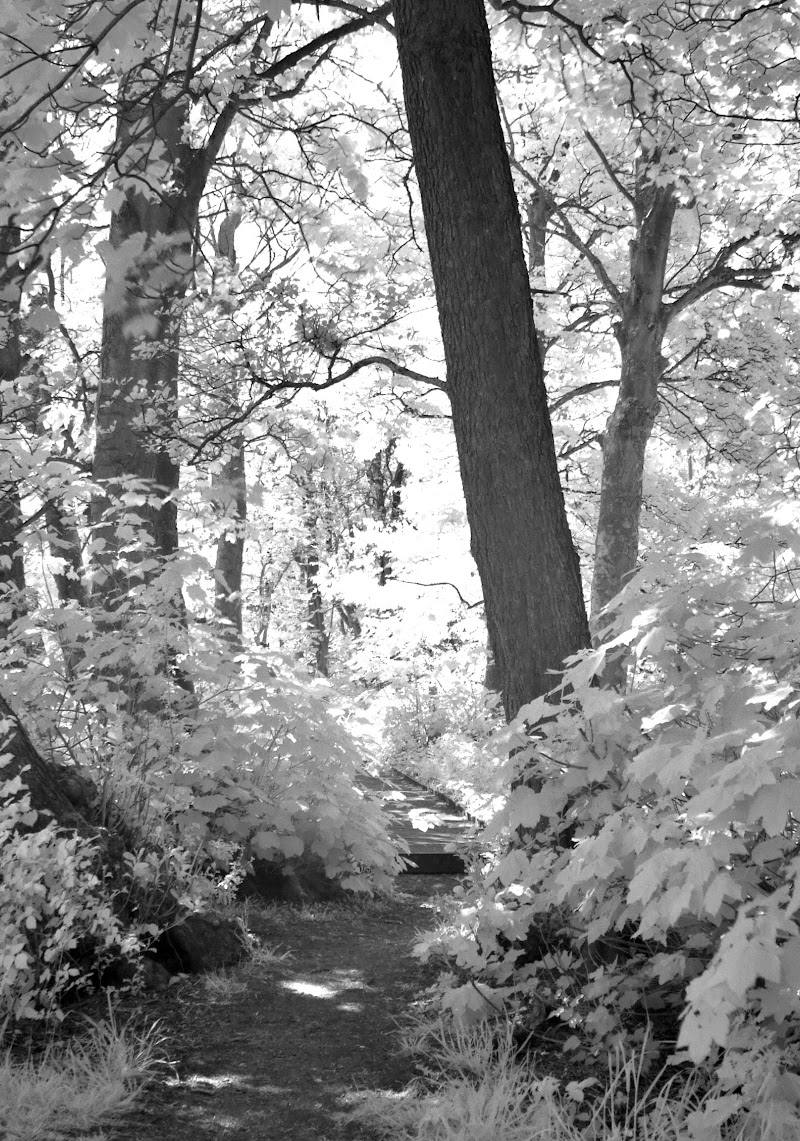
5.8A small reserve with a lively natural calendar: spring migrants and breeding birds give way to autumn thrushes, while reedbed, grassland and wetland support orchids, butterflies and 14 recorded dragonfly species.
This is more than a quiet patch of green: the mix of reedbed, grassland and wetland draws migrating and breeding birds, bee orchids, butterflies and dragonflies. Its strongest appeal is close observation across the seasons, rather than a long or dramatic walk.
Peaceful · Wild
Find your way
Open mapHeysham, Morecambe, Lancashire
Opening map…
Know this place a little better?
The experience
Allow around 1–2 hours for a gentle exploration of the reserve’s footpaths. Take time to watch for birds and insects, and look closely for wildflowers. This is a wildlife visit, not a swimming destination; check access and current site information before setting out.
Things to do
Watch for migrating birds
April and May are peak months for migrating birds at the reserve. The Lancashire Wildlife Trust notes spring arrivals including willow warblers and has recorded rare migrant species in previous years.
Allow time to pause and observe
Look for bee orchids and other wildflowers
Search the grassland and shrub habitats for bee orchids and yellow-wort. The official reserve page describes wildflowers alongside gorse and hawthorn.
Watch for butterflies and dragonflies
On a sunny visit, look for butterflies and day-flying moths around flowering vegetation. The reserve is home to 14 recorded dragonfly species.
Look for wintering birds
The Lancashire Wildlife Trust says water rails, snipe and woodcock patrol the water’s edge in winter.
Make a day of it
Quick escape · 1–2 hours
A wildlife-focused reserve walk
- 01
Check that Heysham Nature Reserve is the intended destination; the supplied listing title and coordinates do not match the official source location.
- 02
If driving, check the car park’s current seasonal opening hours before travelling.
- 03
Follow the reserve’s footpaths, pausing to look for birds, wildflowers, butterflies and dragonflies.
- 04
Keep to the paths and observe the reserve’s no-dogs rule.
Hidden details
A notable migrant-bird record — The reserve page lists past records of unusual visitors including wryneck, night heron, bee-eater, serin and woodchat shrike. These are historical records, not promises of sightings.
Fourteen dragonfly species — The Lancashire Wildlife Trust reports 14 dragonfly species at the reserve—a useful reason to slow down around its wetland habitats in warmer months.
When to go
April · May · Choose a time when you can walk slowly and pause to watch wildlife; no specific time of day is evidenced.
The reserve is described as worth visiting year-round. April and May are peak migration months; spring and summer bring breeding birds, wildflowers and active insects, while winter is noted for water rails, snipe and woodcock.
The supplied source row warns that natural paths may be difficult for visitors with mobility issues. Check current path and weather conditions before visiting.
What to look for
- 01
Look for bee orchids and yellow-wort among the wildflowers, butterflies and day-flying moths on sunny days, and dragonflies around wet habitats. The reserve has recorded 14 dragonfly species. In spring, watch for migrating willow warblers
- 02
in winter, look for water rails, snipe and woodcock.
Best time to go
Year-round. April and May are peak months for migrating birds; spring and summer bring breeding birds and wildflowers, while winter is noted for water rails, snipe and woodcock.
April and May are peak months for migrating birds. Spring and summer bring breeding birds and wildflowers; winter offers the chance to look for water rails, snipe and woodcock.
How long to spend
1–2 hours
Perfect for
Walkers · Wildlife lovers · Photographers · Families
Practical information
Opening & access
The Lancashire Wildlife Trust says Heysham Nature Reserve is accessible on foot at all times. Its car park has seasonal hours. The supplied coordinates and title say Heysham Moss, while the official reserve source describes Heysham Nature Reserve at a different map reference; check the destination before setting out.
Check before visiting
Parking
The official reserve page reports an on-site car park open 7am–7pm April to October and 7am–4pm November to March. Check current details before visiting.
Check before visiting
Toilets
Check before visiting.
Check before visiting
Food & drink
Check before visiting.
Check before visiting
Dogs
No dogs on the nature reserve, according to the Lancashire Wildlife Trust. The Trust identifies an adjoining landscape strip where dogs may be walked; follow the on-site map and signage.
Accessibility
The official source confirms footpaths but does not provide accessibility specifications. The supplied row says paths are natural and may be difficult for visitors with mobility issues; check current conditions before visiting.
Check before visiting
Cost
Check before visiting
Check before visiting
Water
Wetland; water is present, but no swimming or paddling permission is evidenced.
Gallery
Place photographsKeep exploring
Around Heysham Moss Nature Reserve
Within 50 km · approximate straight-line distances

 Place photograph8.5
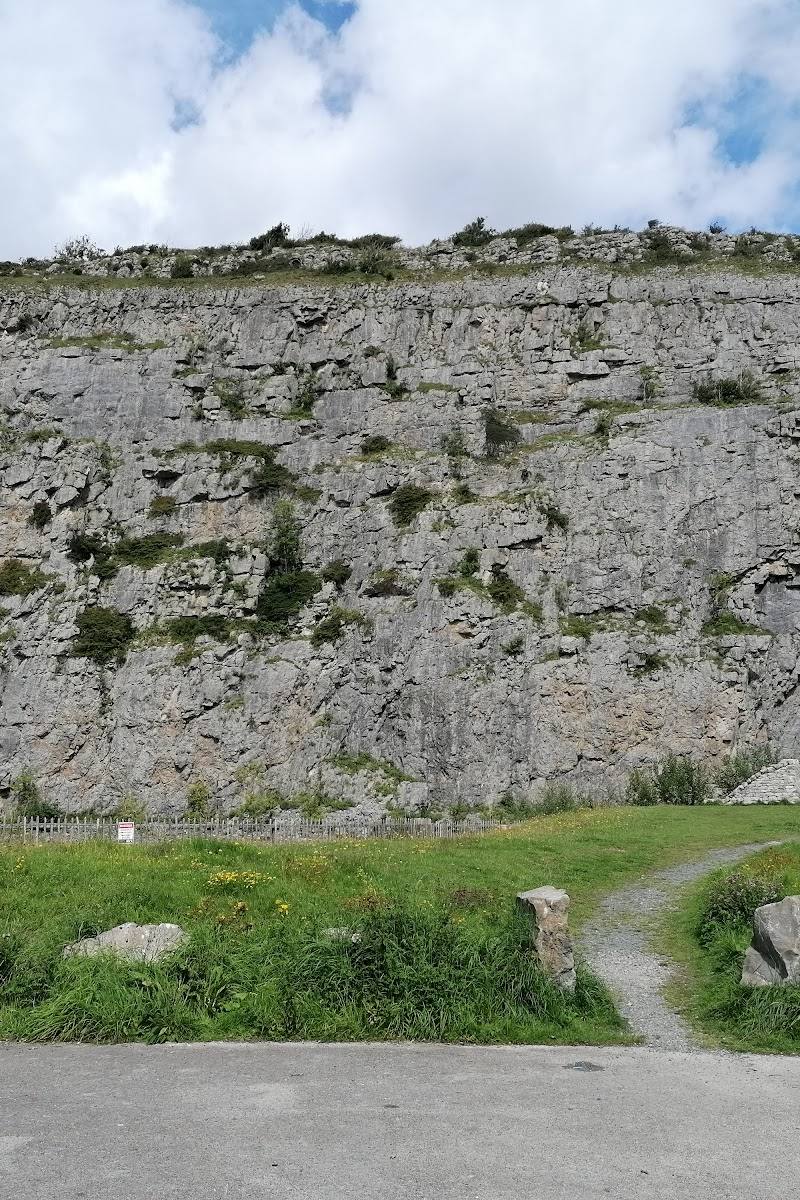
Warton Crag Local Nature Reserve
Crag Road, Warton, near Carnforth, Lancashire
13.2 km away
 Place photograph7.4
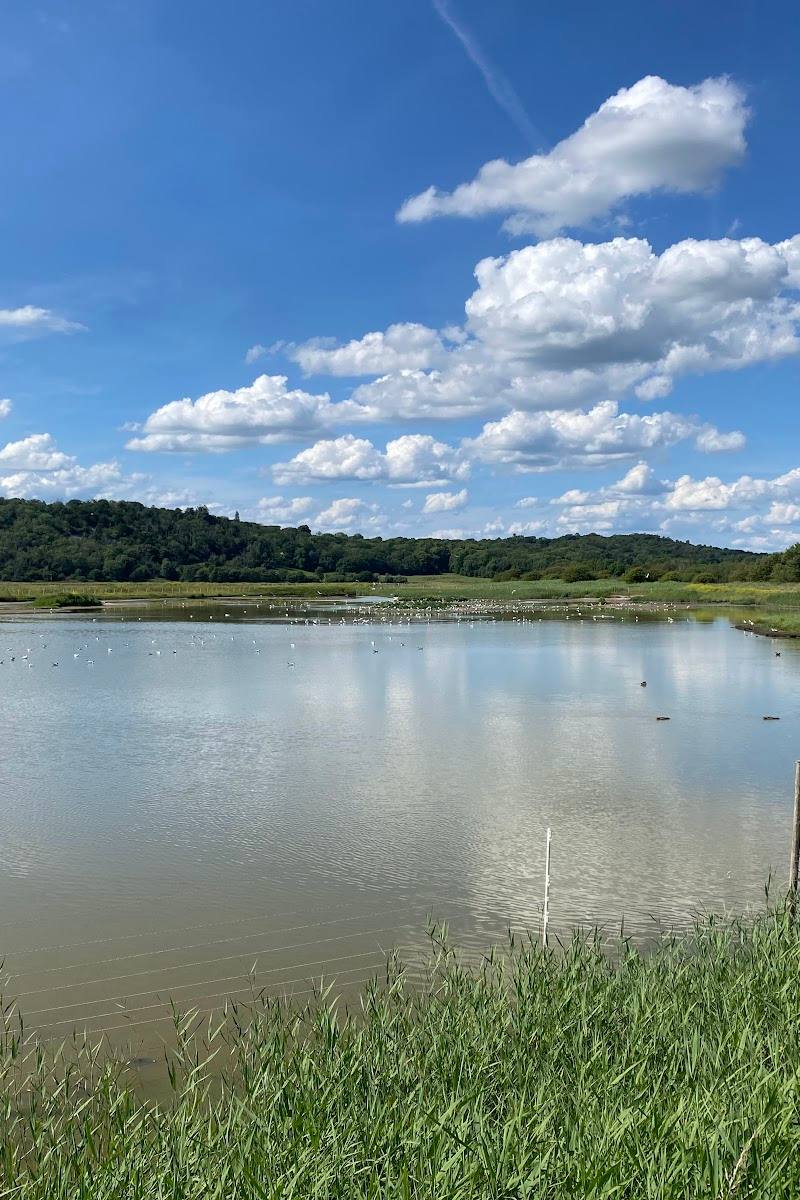
Arnside & Silverdale
Arnside and Silverdale, on the Lancashire–Cumbria border
14.6 km away


