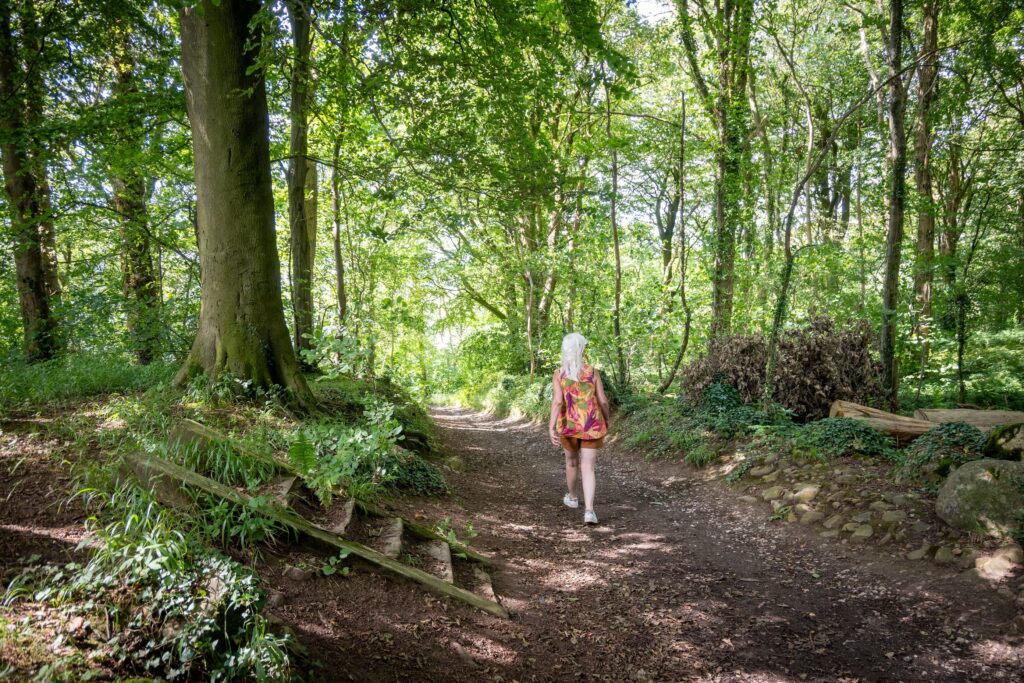
Between Yealand Conyers and Warton, Arnside & Silverdale, Lancashire
Hyning Scout Wood
Ancient woodland
Place photograph
7.4
Wildland
1–2 hours
Time
Check
Cost
Peaceful
Feel
Why it's Wildland
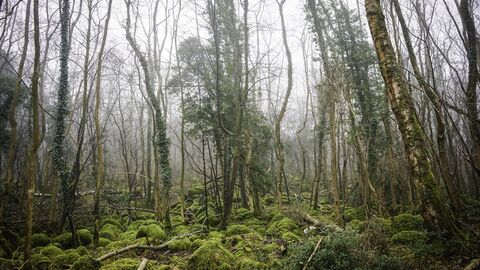
7.4Beneath mature beech and sweet chestnut, Hyning Scout Wood grows across limestone pavement left by glacial ice. A restored lime kiln offers a glimpse of the area's industrial past among the woodland and stone.
This is more than a quiet patch of trees: ancient woodland meets glacial limestone pavement, and a restored lime kiln brings a human story into the landscape. A short visit can take in giant trees, rocky ground and the chance of bluebells, rare ferns or roe deer.
Peaceful · Secluded · Ancient-feeling
Find your way
Open mapBetween Yealand Conyers and Warton, Arnside & Silverdale, Lancashire
Opening map…
The experience
Allow 1–2 hours for a quiet woodland visit. Follow the circular route beneath mature beech and sweet chestnut, look for limestone pavement and the restored lime kiln, and keep an eye out for bluebells, rare ferns and roe deer. Terrain can be rugged and slippery when wet.
Things to do
Walk the woodland circular route
Take the circular route beneath the shading canopy of giant beech and sweet chestnut trees. Public access points are along Hyning Road.
1–2 hours
Find the restored lime kiln
Look for the sympathetically restored lime kiln, part of the area's limestone heritage project. The source does not specify its precise position within the wood.
Look closely at the limestone pavement
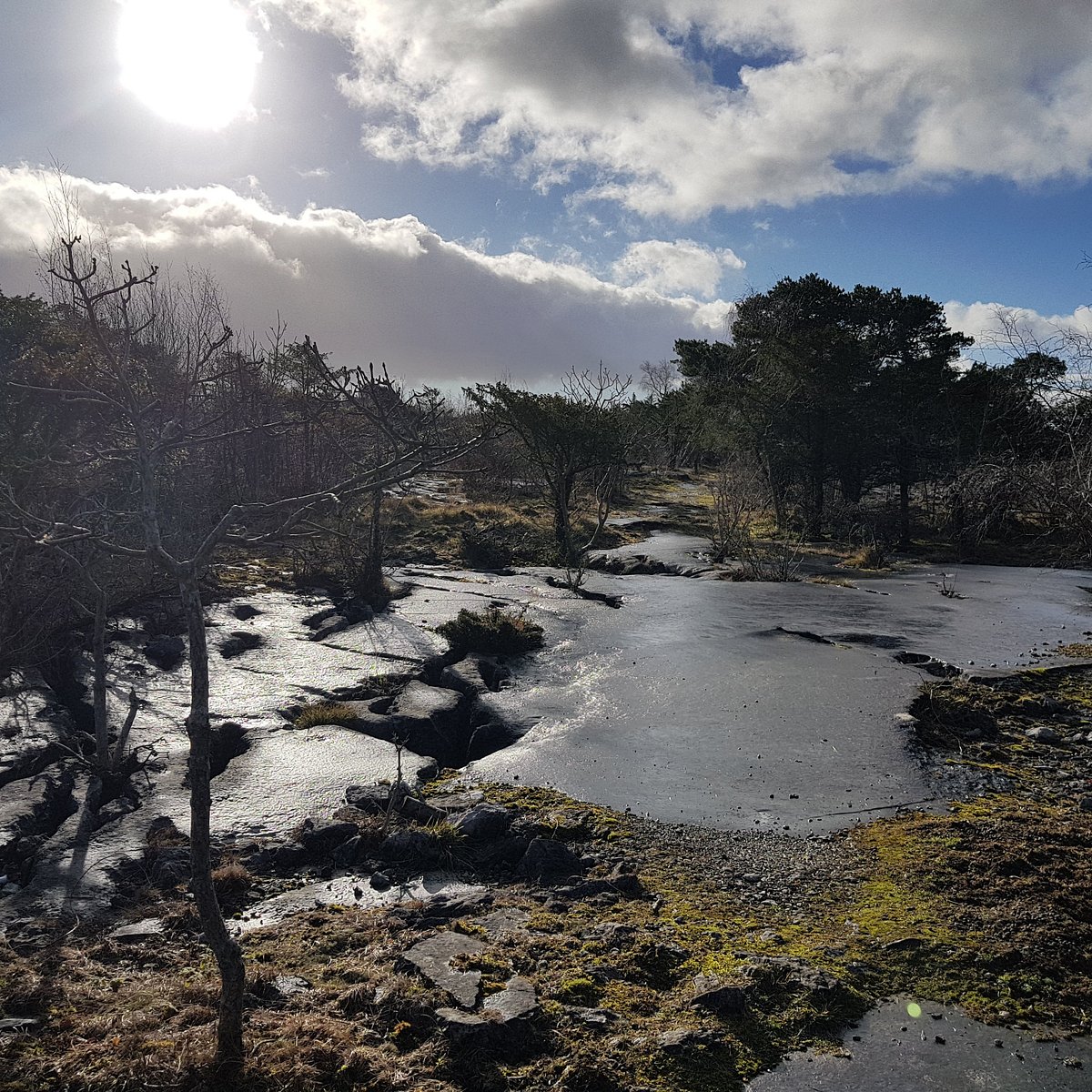
Notice the limestone pavement and scattered boulders left by glacial ice. Take care: some areas are rugged and slippery when wet.
Look for spring flowers and ferns
Bluebells and rare ferns are among the plants visitors may see; the Woodland Trust also notes spring flowers and early purple orchid imagery on its wood page.
Watch for roe deer
Roe deer are among the wildlife visitors may encounter. Keep dogs under control to help protect wildlife.
Make a day of it
Quick escape · 1–2 hours
The woodland and lime kiln
- 01
Enter from a public access point along Hyning Road.
- 02
Follow the circular route beneath the mature beech and sweet chestnut trees.
- 03
Look out for limestone pavement and the restored lime kiln.
- 04
Watch and listen for roe deer and woodland birds; in spring, look for bluebells and rare ferns.
Half day · Half day
Woodland walk with a Warton pub stop
- 01
Explore the wood's circular route and its limestone pavement and restored lime kiln.
- 02
After the walk, consider a pub stop in Warton; confirm current options and opening times before setting out.
Verified history
Hyning Scout Wood lies on limestone pavement dating to glacial times, with large boulders scattered through the wood as remnants of glacial ice. A lime kiln has been restored as part of the Arnside & Silverdale National Landscape's Limestone Heritage project. The Woodland Trust describes the southern part as semi-natural ancient woodland and says the wood is designated a Biological Heritage Site. The supplied sources do not document the estate ownership and timber-and-game history asserted in the source-row description, so those claims are not repeated as verified history.
Hidden details
The limestone beneath the trees — Look for the woodland's limestone pavement and scattered boulders: the Woodland Trust identifies them as features shaped by glacial ice. Some ground is rugged and slippery when wet.
The restored lime kiln — The kiln connects the walk to the area's industrial limestone heritage; it was restored as part of a National Landscape project.
When to go
April · May · September · October · No source-specific time-of-day recommendation; check current conditions before visiting.
Spring is noted for bluebells, rare ferns and other woodland flowers; autumn brings leaf colour. The supplied sources do not establish exact peak weeks.
Some areas are rugged and slippery when wet. Wear footwear suitable for uneven woodland ground and check conditions before visiting.
Worth pairing with
Warton pubs
The National Landscape visitor information notes several pubs in Warton, which could complement a woodland walk. Check current venues and opening times before travelling.
Carnforth cafes
The visitor information notes cafes in Carnforth. Consider pairing one with the wood, but check current options and opening times before travelling.
What to look for
Notice how the limestone pavement's clints and grikes shape the woodland floor, look for the restored lime kiln, and scan the canopy for mature sweet chestnut and beech. Bluebells, rare ferns and roe deer are among the wildlife and plants to look out for.
The story
Limestone heritage and historic lime burning
Best time to go
Spring for bluebells and other woodland flowers; autumn for changing leaf colour. Exact peak weeks vary.
Spring is the best bet for bluebells and other woodland flowers; autumn brings changing leaf colour. Visit after wet weather with care, as some ground can be slippery.
How long to spend
1–2 hours
Perfect for
Walkers · Wildlife lovers · Photographers · Families · Dogs
Practical information
Opening & access
Public access from several points along Hyning Road. The Woodland Trust lists limited parking near the southern entrance; paths include rugged, slippery sections when wet. Check before visiting.
Check before visiting
Parking
Limited parking by the southern entrance on Hyning Road, near the track known as Donkey Lane. Check availability and current access before travelling.
Check before visiting
Toilets
No public toilets near the wood; the nearest are in Carnforth.
Food & drink
Several pubs are in Warton; cafes are available in Carnforth. Check opening before travelling.
Check before visiting
Dogs
Dogs are allowed and must be kept under control to protect wildlife.
Accessibility
Not suitable for wheelchairs. Much of the wood is level, but some areas are rugged and can be slippery when wet.
Cost
Check before visiting
Check before visiting
Gallery
Place photographsKeep exploring
Around Hyning Scout Wood
Within 50 km · approximate straight-line distances