Morecambe Bay, Lancashire and Cumbria
RSPB Morecambe Bay
Estuary
Place photograph
6.3
Wildland
Time
Check
Cost
Big-sky
Feel
Why it's Wildland
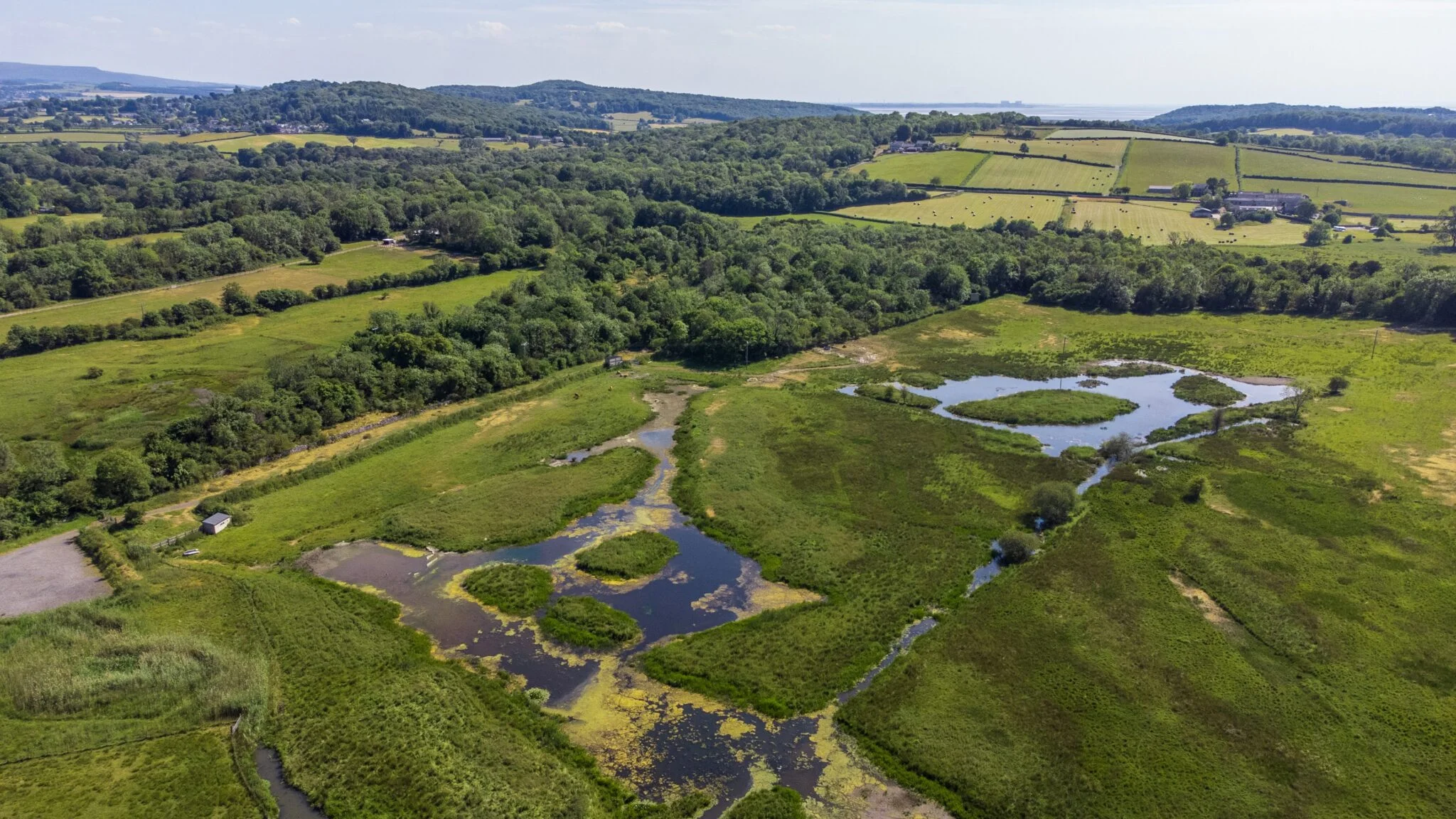
6.3A shifting landscape of mudflats, saltmarsh and feeding birds — but this record needs a precise destination.
Morecambe Bay has the scale and wildlife to justify a journey: exposed feeding grounds, flocks of waterbirds and views across an enormous tidal landscape. What is missing here is a reliably identified place to arrive, rather than a reason to go.
Big-sky · Wild
Find your way
Open mapMorecambe Bay, Lancashire and Cumbria
Opening map…
Know this place a little better?
The experience
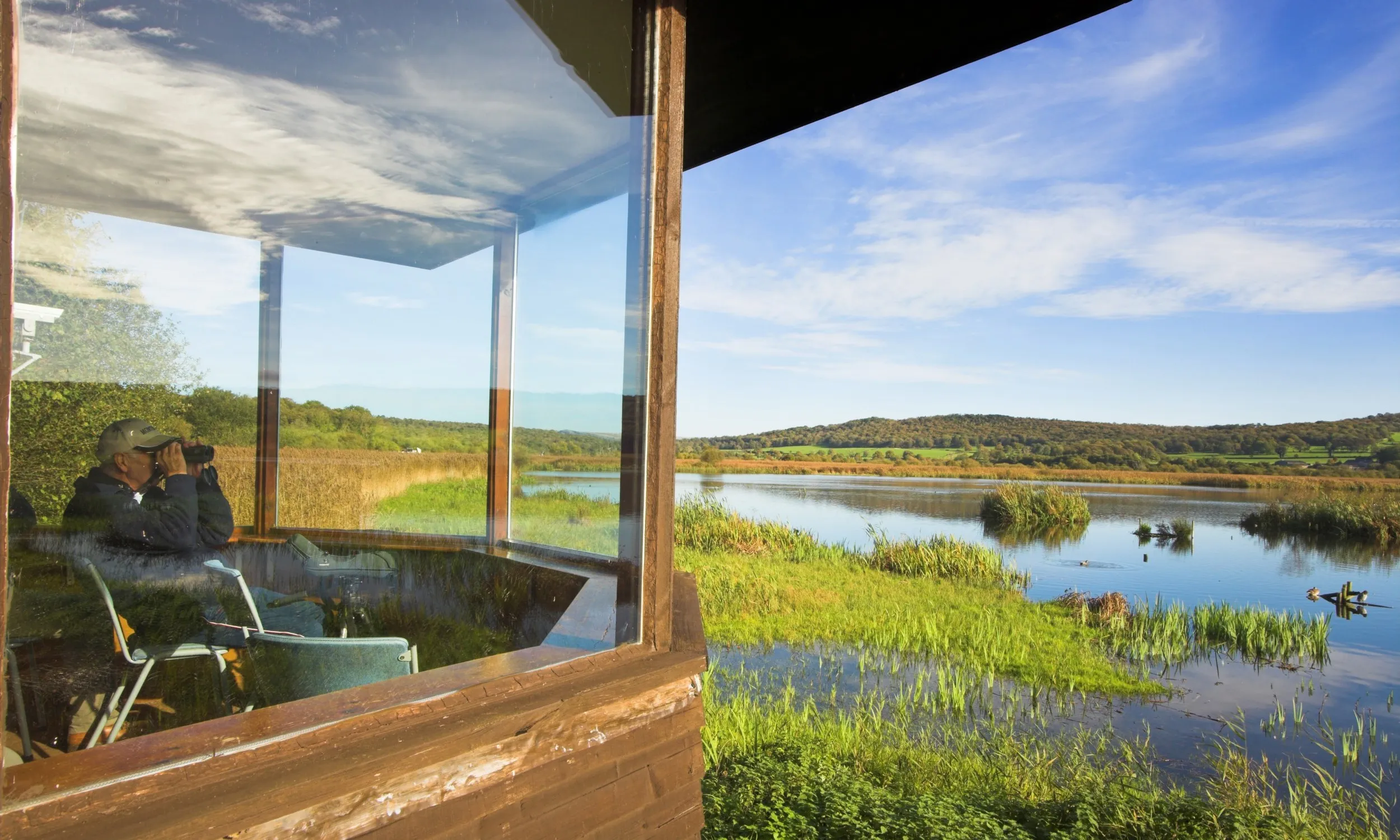
Birdwatching is the strongest supported reason to visit the bay. The supplied research distinguishes Leighton Moss's reedbeds from the coastal lagoons and saltmarsh hides. These should not be merged into an unnamed waterside stop with assumed facilities.
Hidden details
The coastal hides are separate from the visitor centre — RSPB identifies a Saltmarsh car park for the Allen and Eric Morecambe Hides a mile from the Leighton Moss visitor centre. This distinction matters: visitor-centre facilities should not automatically be assigned to a coastal viewing stop.
When to go
· Check the chosen reserve's current guidance; no site-specific optimum is established.
The source row identifies spring and autumn passage and wintering birds. The supplied regional research supports the importance of the bay's waterbird feeding grounds, but does not establish precise peak months for this location.
This is a tidal landscape, despite the source row's negative tidal-access flag. Follow local warnings and confirmed paths. The local tourism source states that crossing the sands requires an experienced, knowledgeable guide.
Worth pairing with
RSPB Leighton Moss
A separately identified option for reedbed wildlife, including Bitterns, Marsh Harriers and Bearded Tits. Confirm whether the imported record duplicates part of this reserve before treating it as an additional stop.
Heysham Head
A wider-bay pairing with views, the ruins of St Patrick's Chapel and rock-cut graves. It adds a tangible heritage contrast to birdwatching, though journey planning depends on resolving the main destination.
What to look for
- 01
Across the bay, look for oystercatchers, curlews, lapwings and avocets feeding on exposed sands and mudflats. Sightings vary
- 02
these are regional possibilities, not promises at the supplied pin.
Best time to go
Spring and autumn for passage birds; winter for overwintering waterbirds.
The source row recommends spring and autumn migration periods and notes wintering birds. Choose a confirmed viewing site before planning around tides; no site-specific viewing timetable is established here.
Perfect for
Wildlife lovers · Photographers
Practical information
Opening & access
Check before visiting. The supplied name describes a broad area rather than a confirmed entrance. RSPB information identifies Leighton Moss and separate saltmarsh hides, but does not establish which site this record represents. Do not attempt an independent crossing of the bay's sands.
Check before visiting
Parking
Check before visiting. The source row reports nearby parking, but no car park is reliably tied to this record. Do not assume Leighton Moss visitor-centre parking serves the supplied pin.
Check before visiting
Toilets
Check before visiting. Toilets are reported in the source row, but their location is unconfirmed.
Check before visiting
Food & drink
Check before visiting. The source row's claim of no dedicated café cannot be applied to the wider RSPB reserve complex.
Check before visiting
Dogs
Check before visiting. Do not rely on the source row's general dog-friendly flag: RSPB restricts dogs on main reserve footpaths at Leighton Moss.
Check before visiting
Accessibility
Check before visiting. The source row gives conflicting accessibility information. RSPB publishes detailed access information for Leighton Moss, but this record's exact visitor site is unresolved.
Check before visiting
Cost
Check before visiting
Check before visiting
Water
Estuary
Gallery
Place photographs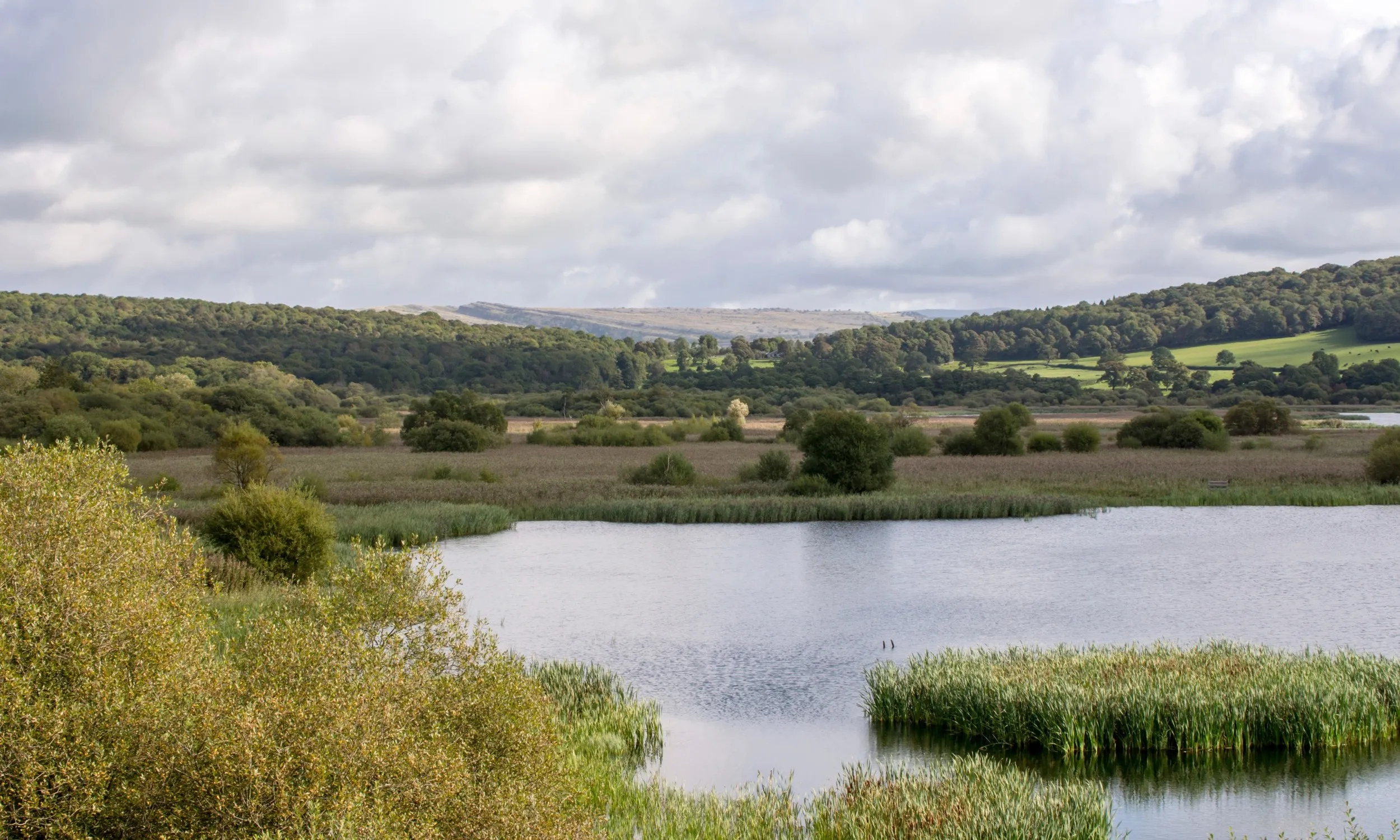
Keep exploring
Around RSPB Morecambe Bay
Within 50 km · approximate straight-line distances