Between Silverdale and the Yealands, Lancashire
Gait Barrows National Nature Reserve
Mixed-habitat reserve
Place photograph
8.9
Wildland
Half day
Time
Donation
Cost
Peaceful
Feel
Why it's Wildland
8.9Open limestone pavement, deep yew woodland and the wetlands of Hawes Water meet in one of Britain’s most important limestone landscapes.
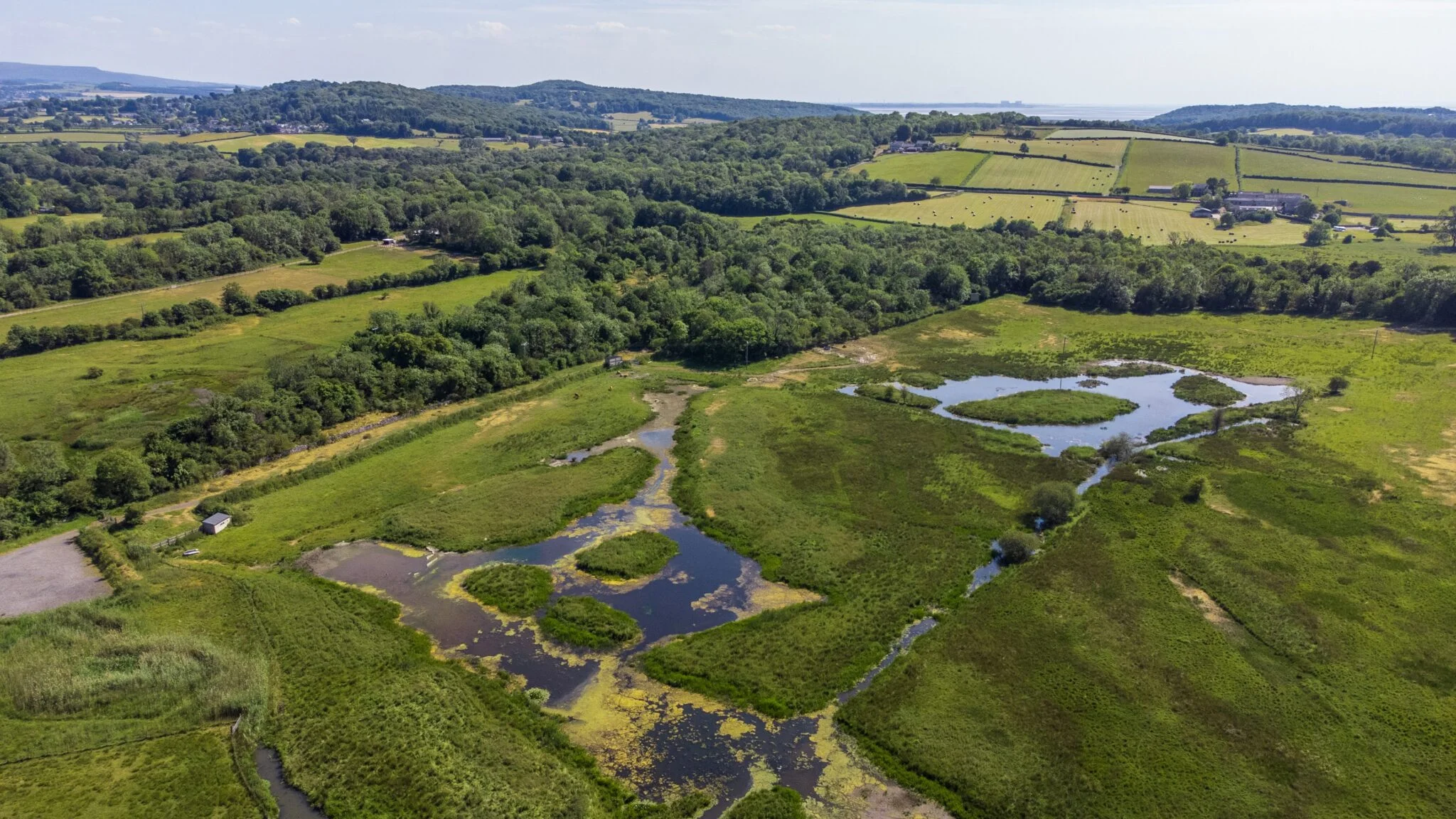
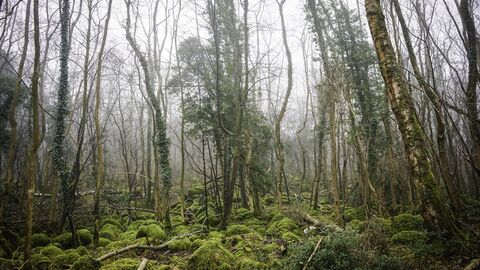
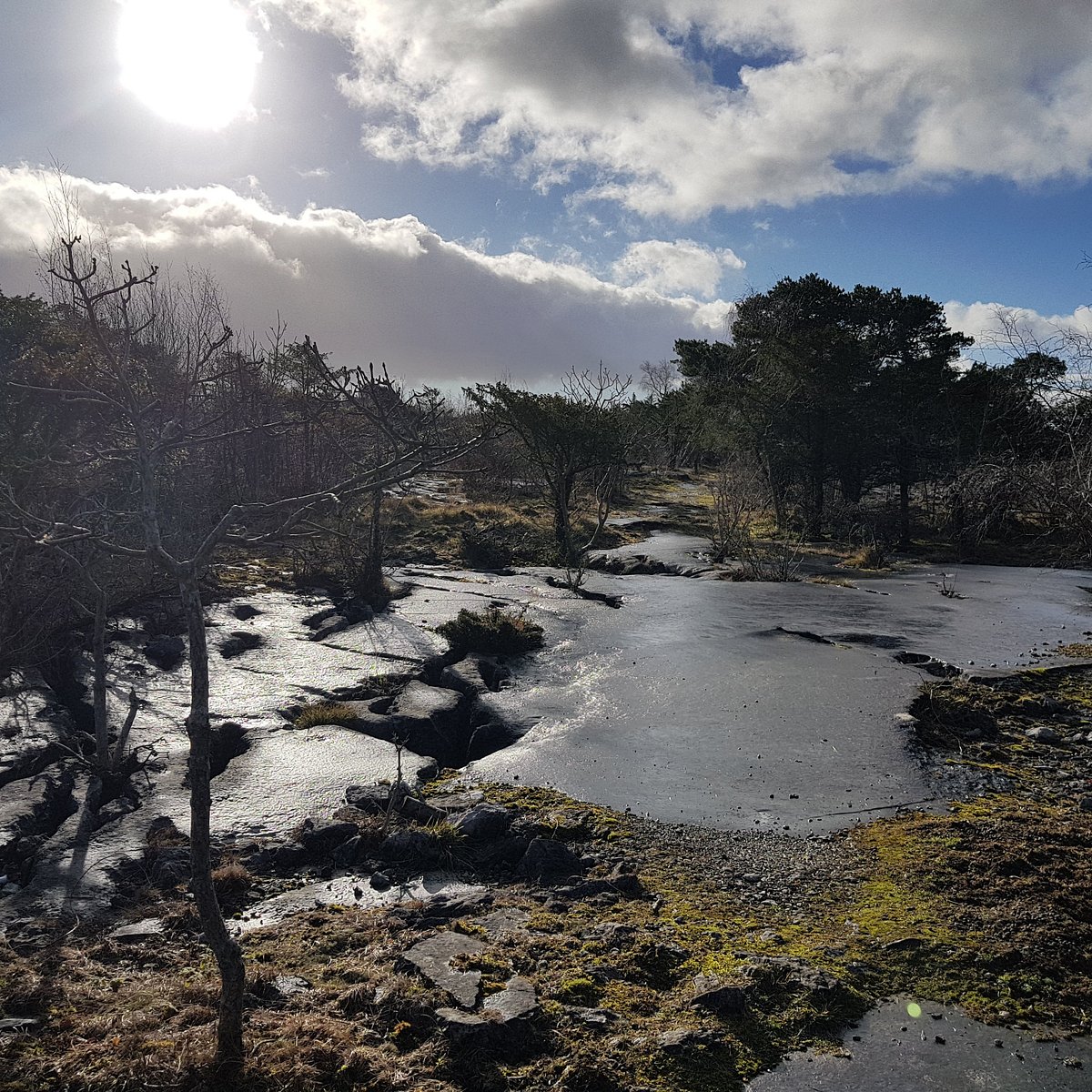
The contrast is the draw: exposed limestone, ancient ash and yew, then damp fen and open water. Rare wildlife and three waymarked trails give this compact landscape real depth, without needing to turn it into a long-distance walk.
Peaceful · Ancient-feeling · Wild
Find your way
Open mapBetween Silverdale and the Yealands, Lancashire
Opening map…
The experience
Use the waymarked trails to explore the limestone and woodland, then make time for Hawes Water and its wetland margins. Pause for ancient trees, flowering plants and birds rather than chasing distance. A half day gives the changing habitats room to register.
Things to do
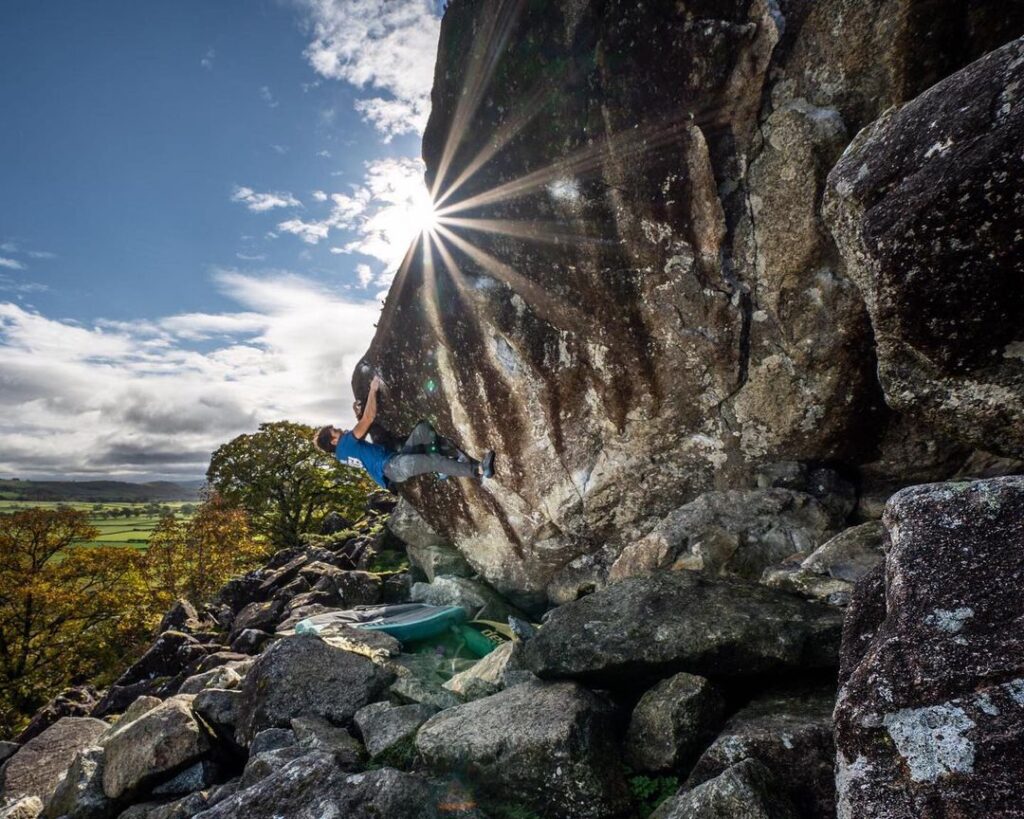
Explore the limestone habitat mosaic
Use the three waymarked nature trails to experience the changes between open limestone pavement, woodland and damp fen. Choose your route from on-site information rather than assuming all trails form one circuit.
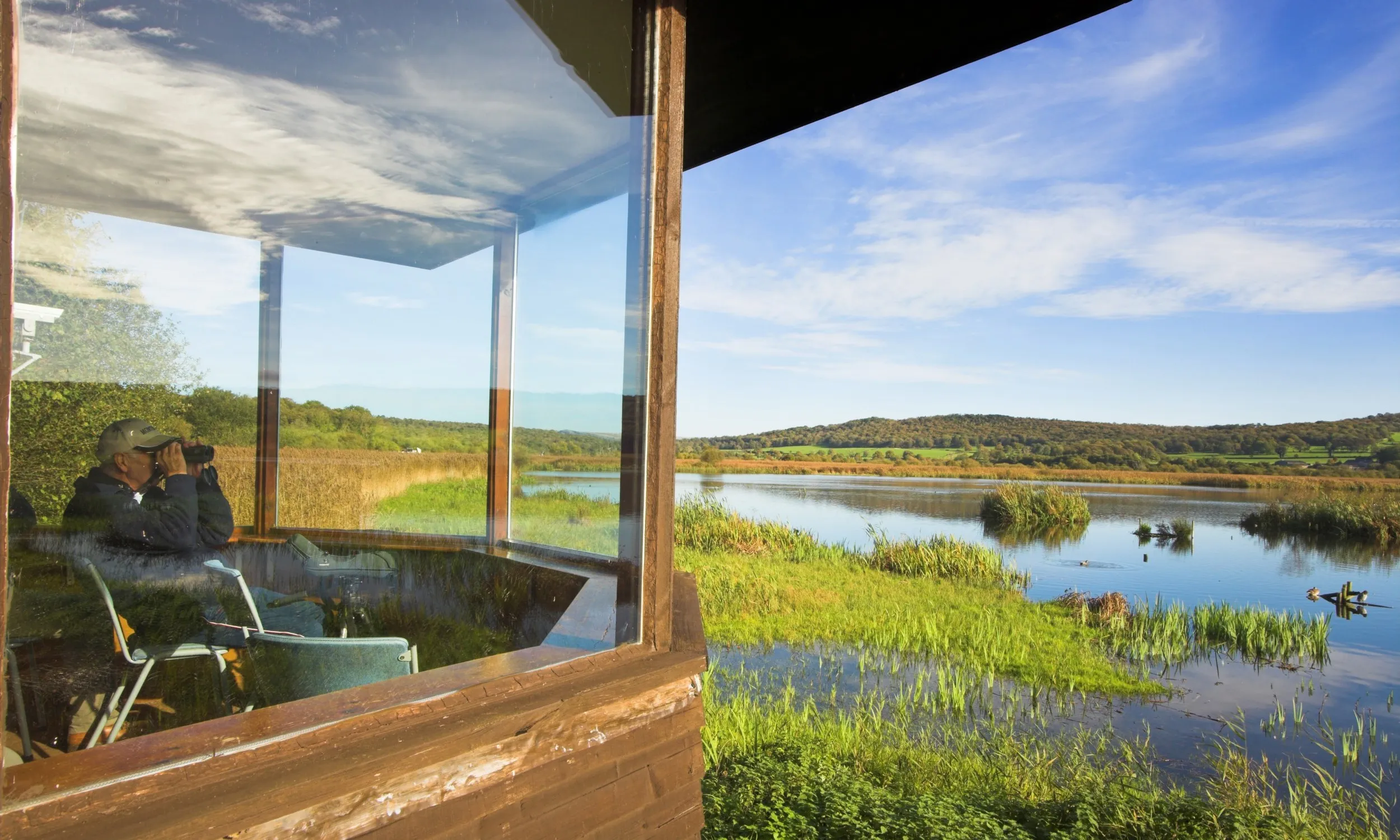
Watch the wetlands around Hawes Water
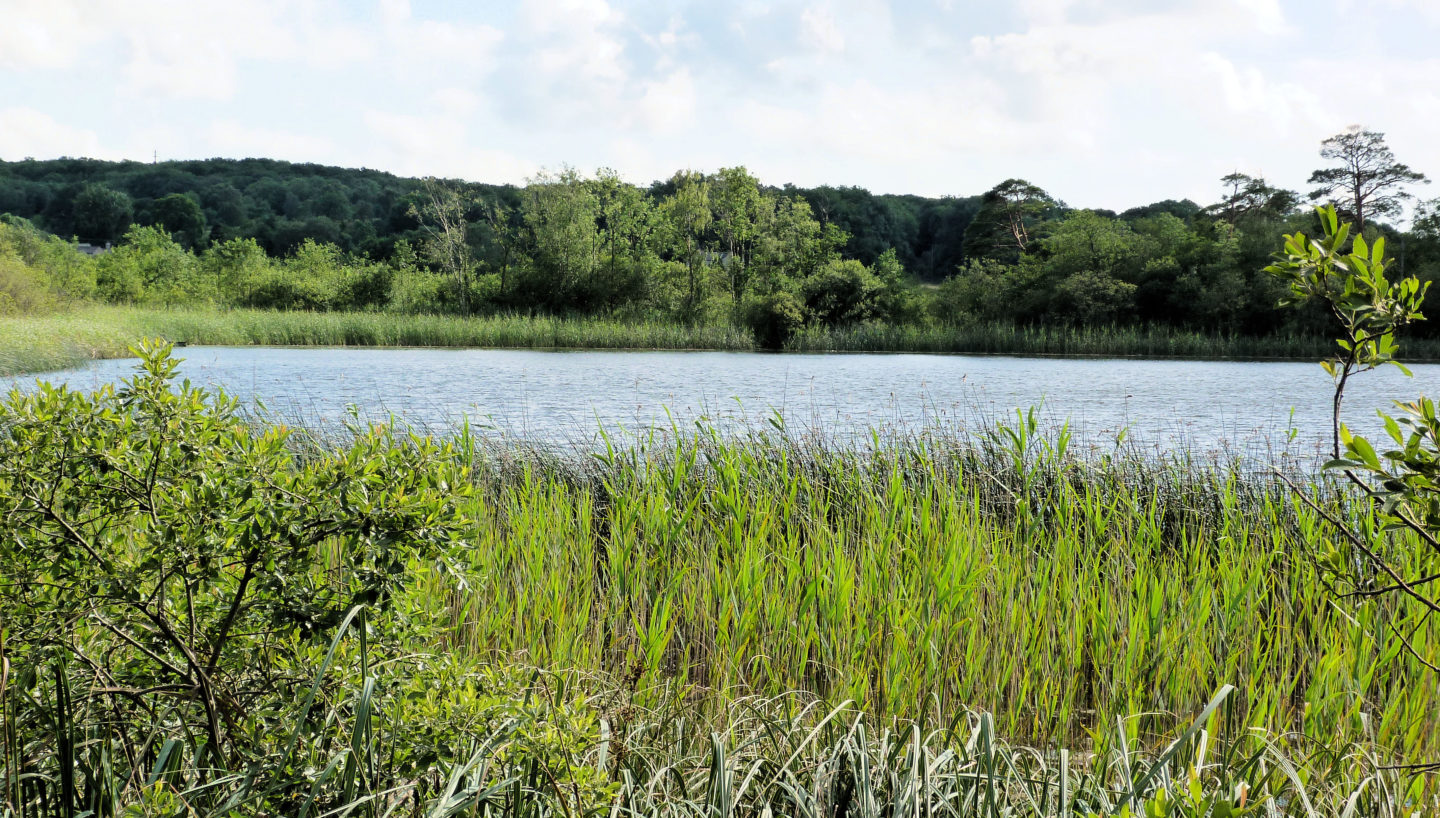
Spend time beside the lake looking and listening for wetland birds. Reed warbler, water rail, teal, bittern and marsh harrier are recorded in the reserve’s visitor information, but none is a promised sighting. Swimming, fishing and boating are prohibited.
Look closely at the woodland plants and trees
Look for ancient ash and yew, with angular Solomon’s seal, dark-red helleborine and common spotted orchid among the plants listed for the reserve. Observe from existing paths and leave plants undisturbed.
Notice the restored reserve buildings
Look for the Summerhouse and Cow Barn, both highlighted by the National Landscape as recently restored features. Interior access and opening arrangements are not established by the supplied evidence.
Make a day of it
Quick escape · Allow 1–2 hours; suggested visit time, not a measured route
Quick escape — Hawes Water at walking pace
- 01
Use the public right of way towards Hawes Water from Challan Hall or Moss Lane.
- 02
Pause at the lake and wetland margins to watch for birds; benches are available near Hawes Water.
- 03
Return by the same public route, allowing for gates and variable path condition.
Half day · Half day
Half day — limestone, yews and water
- 01
Start at the reserve car park and use the on-site waymarking to choose a nature trail.
- 02
Explore the limestone pavement and woodland, looking for ancient ash and yew without leaving the paths to seek rare plants.
- 03
Include Hawes Water and its surrounding wetlands, and look for the restored Summerhouse and Cow Barn as your chosen paths allow.
- 04
Bring a picnic and leave time for quiet wildlife watching; take all rubbish away.
Full Wildland day · Full day; suggested itinerary
Full day — two reserves, different perspectives
- 01
Spend the morning exploring Gait Barrows’ limestone, woodland and Hawes Water.
- 02
Break at RSPB Leighton Moss Café, checking current opening times before travelling.
- 03
Continue the nature-focused day at nearby Leighton Moss. Check its current admission arrangements and trail access separately; the supplied walking guide identifies it as a short walk from Gait Barrows.
Verified history
Gait Barrows became a National Nature Reserve in 1977, but the protected landscape grew in stages: Thrang Wood joined in 1999, Hawes Water in 2002 and Hawes Water Moss in 2005. Together they brought the reserve to 122 hectares, protecting the transition from exposed limestone and woodland to lake and peatland. Natural England’s stated ambition is to restore the natural processes that allow these habitats to blend into one another. Native-breed cattle and ponies help maintain the grazed meadows — a visible reminder that this wildlife-rich landscape is actively cared for.
Hidden details
A remarkable moth tally — Around 800 moth species have been recorded here, including silky wainscot and red-necked footman. That is a measure of the reserve’s habitat richness, not a promise of daytime sightings or an invitation to visit after dark.
Small species underpin the big reputation — The National Landscape singles out the tiny narrow-mouthed whorl snail and the rare moss Scorpidium turgiscens. These are part of the conservation story rather than targets to search for off-path.
When to go
April · May · June · Daylight; no specific best hour is established by the supplied evidence.
Spring and early summer are recommended for flowering plants; the source row specifies April–June.
Rocky sections and variable inclines require care. Bad weather can erode channels in hoggin paths, including the wheelchair-accessible approach to Hawes Water. Download visitor information before arrival because mobile coverage is poor.
Worth pairing with
RSPB Leighton Moss and café
A worthwhile second nature stop, identified by the walking guide as a short walk away. Its café is named in the National Landscape’s visitor information. Check current admission, café hours and access before combining the two.
Arnside
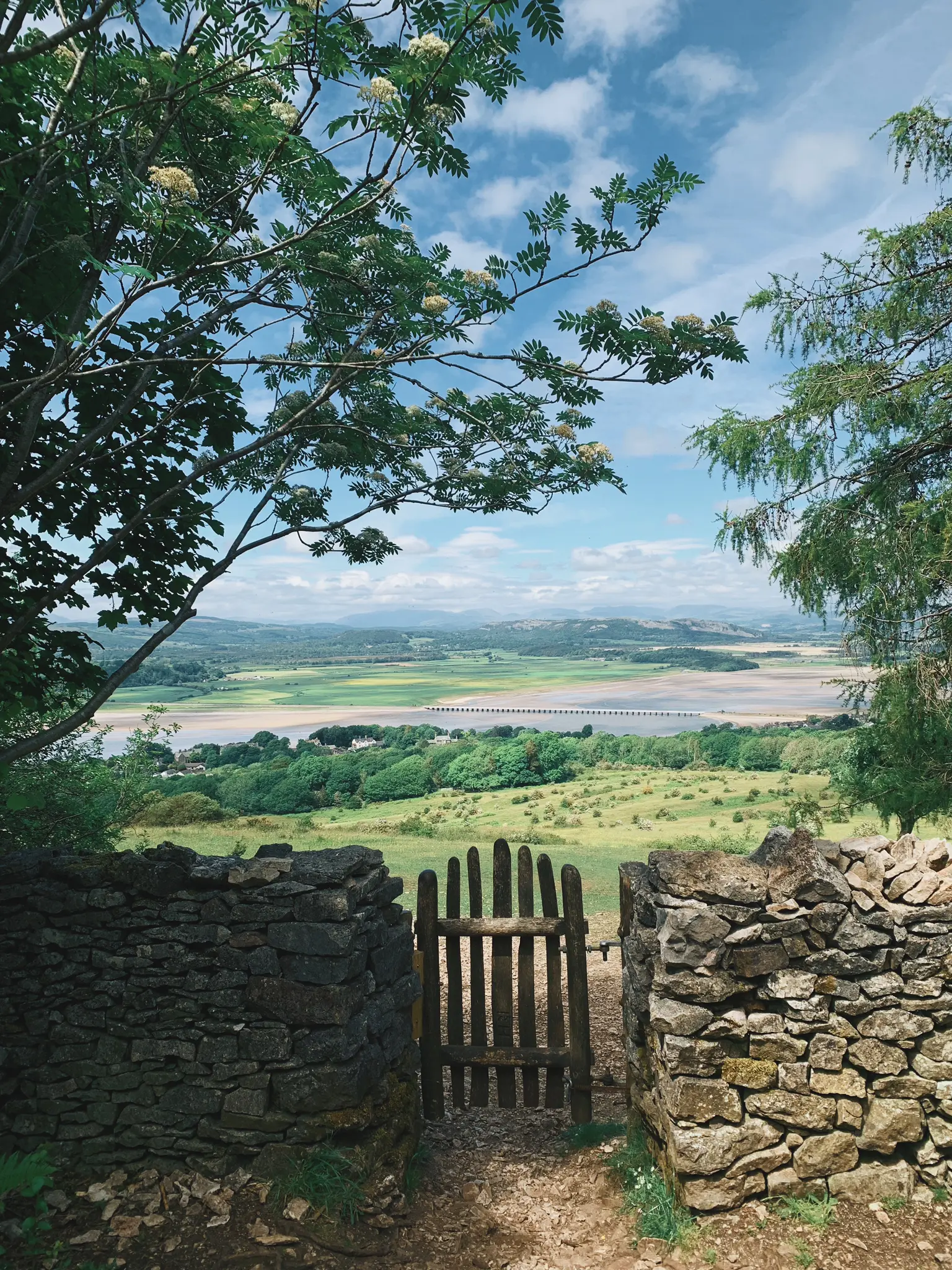
The walking guide recommends pairing the reserve with Arnside’s coast for a change of scenery. The National Landscape also identifies village cafés and promenade toilets. This is a coastal contrast, not a recommendation to swim or cross the bay.
What to look for
- 01
Ancient ash and yew
- 02
angular Solomon’s seal and dark-red helleborine
- 03
the restored Summerhouse and Cow Barn
- 04
reed warblers and water rails around the wetlands. Wildlife sightings are not guaranteed.
Best time to go
Spring and early summer for flowering plants; April–June is a useful planning window.
Aim for April–June for flowering plants. Choose daylight and weather that suits slow observation; no particular hour is established by the supplied sources.
How long to spend
Half day
Perfect for
Walkers · Wildlife lovers · Photographers
Practical information
Opening & access
Public footpaths and three waymarked nature trails explore the reserve. Dogs are restricted to public rights of way. Swimming, fishing and boating on Hawes Water are not permitted. Mobile coverage is poor.
Parking
Small reserve car park; what3words: split.incoming.alike. Natural England requests a contribution towards reserve management through RingGo. A layby near Challan Hall serves the Hawes Water approach; an additional Radar-key car park is on Moss Lane.
Toilets
Nearest public toilets are in Silverdale, listed as a five-minute drive or around 50 minutes’ walk from the nearest part of the reserve. Customer toilets are available at Leighton Moss and local pubs and cafés.
Food & drink
Nearest named café: RSPB Leighton Moss Café; further options in Silverdale and Arnside. Picnics are welcome on the reserve; no fires or barbecues, and take rubbish home. Check café opening times before visiting.
Check before visiting
Dogs
Dogs are permitted only on public rights of way and must be under close control. They are not permitted elsewhere on the reserve. Cattle and ponies graze parts of the site in autumn and winter; follow grazing-compartment signs.
Accessibility
The public right of way from Challan Hall and Moss Lane to Hawes Water is accessible to wheelchair users, but bad weather can channel the hoggin surface and some gates are tricky. Other public rights of way are accessible by all-terrain mobility scooters. Elsewhere expect rocky ground, mild to moderate inclines, meadow paths and some boardwalks.
Cost
Donation
Water
Lake
Gallery
Place photographs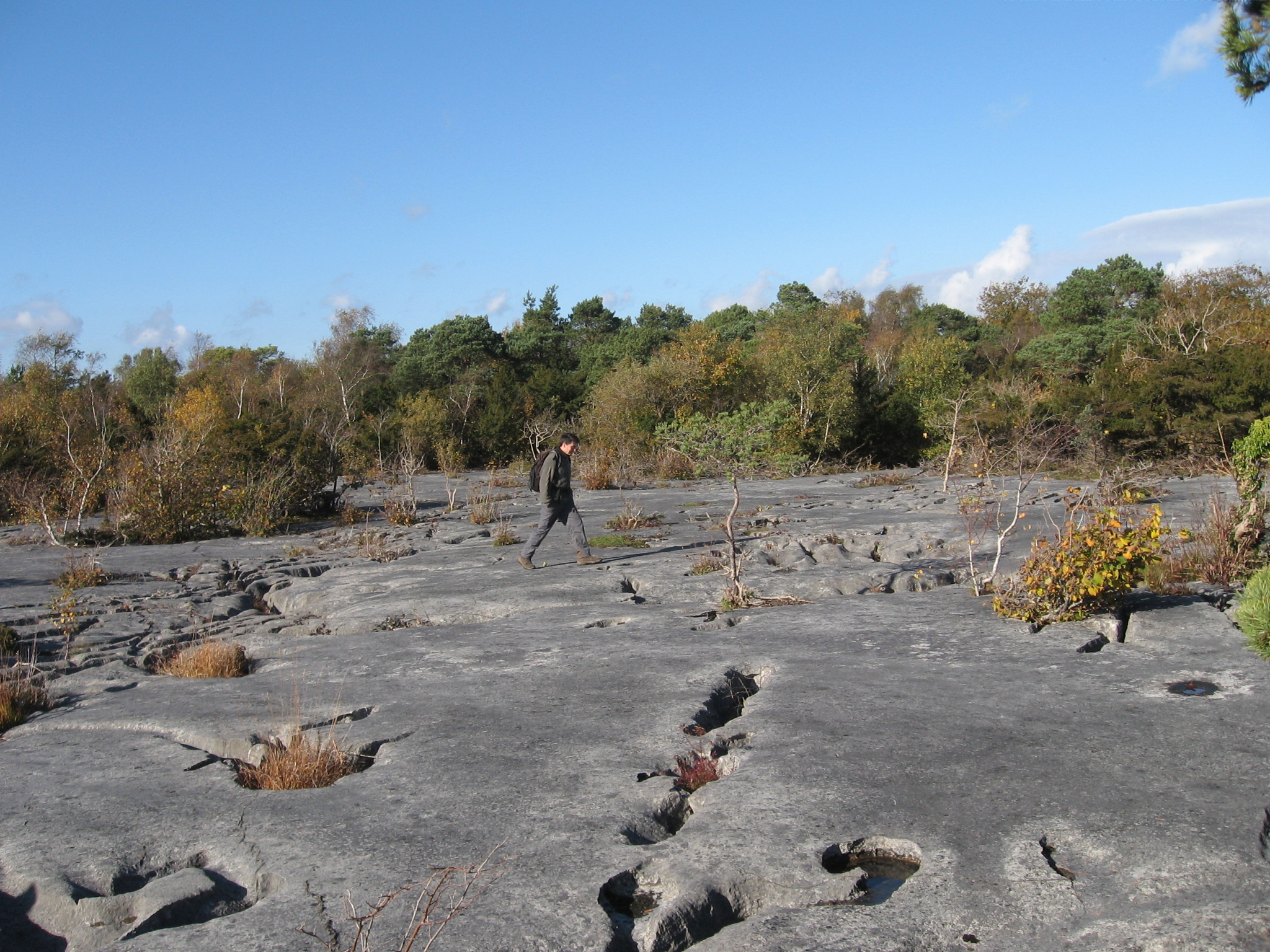
Keep exploring
Around Gait Barrows National Nature Reserve
Within 50 km · approximate straight-line distances