Arnside and Silverdale, on the Lancashire–Cumbria border
Arnside & Silverdale
Mixed-habitat reserve
Place photograph
7.4
Wildland
Half day
Time
Check
Cost
Peaceful
Feel
Why it's Wildland
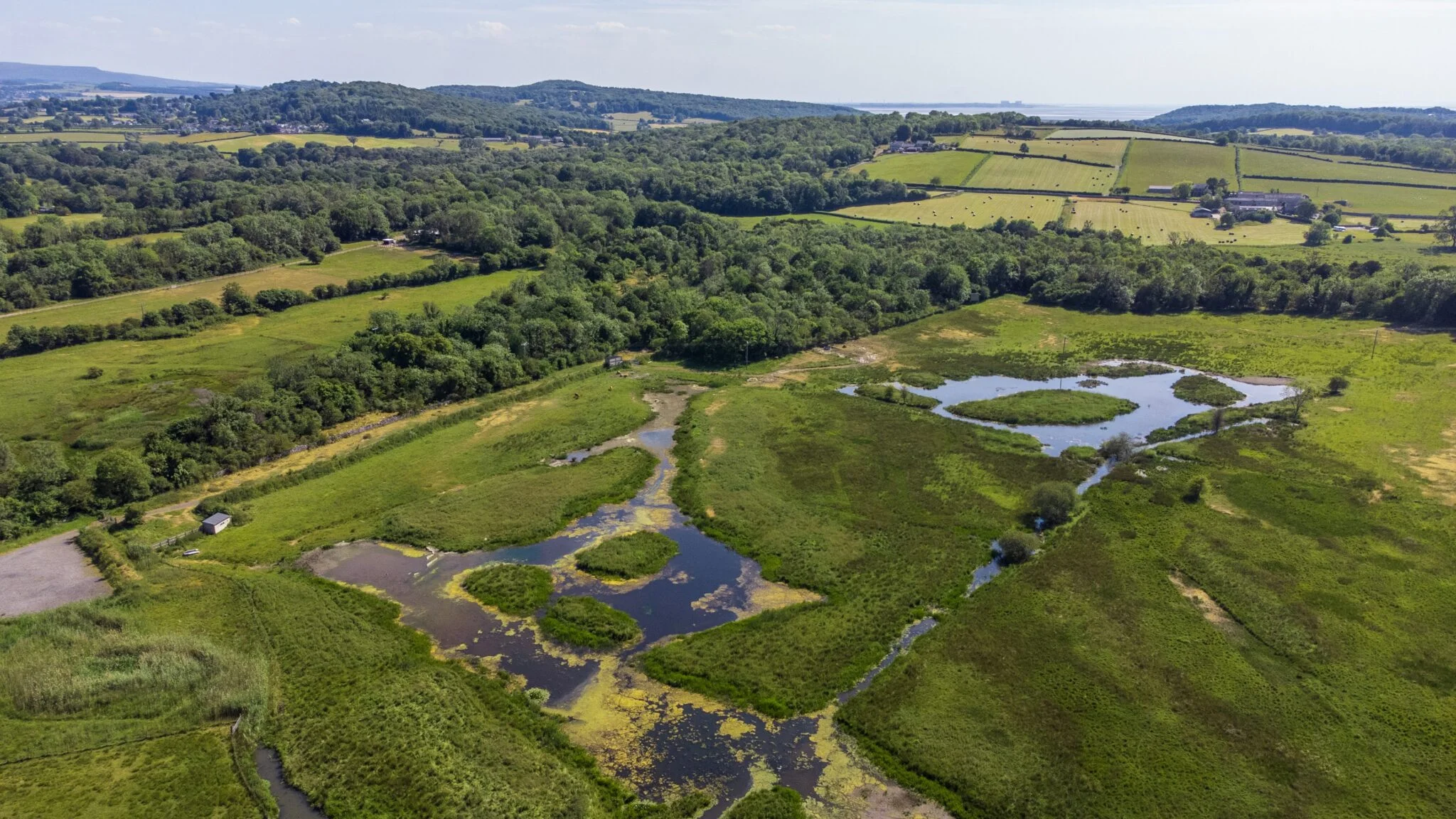
7.4A close-knit landscape of limestone hill, woodland and coastal estuary, where Arnside Knott rises above the Kent Estuary and Morecambe Bay.
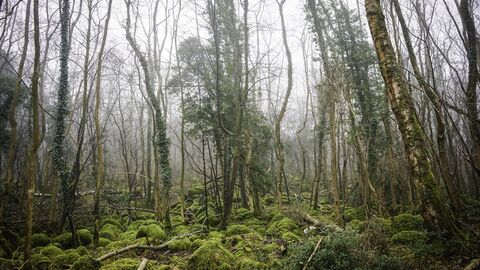
This is more than a scenic stretch of coast: limestone grassland, mixed woodland, wet meadow and estuary habitats sit within a compact landscape, with notable butterfly and wildflower interest. Arnside Knott adds a rewarding high viewpoint above the bay.
Peaceful · Wild · Big-sky
Find your way
Open mapArnside and Silverdale, on the Lancashire–Cumbria border
Opening map…
The experience
Choose a walk around Arnside Knott for a focused half-day, or explore the wider landscape’s varied habitats and viewpoints. Spring flowers and early-summer butterflies are the strongest seasonal draws. Paths can be steep, rocky and slippery, so check conditions and plan within your ability.
Things to do
Walk the Arnside Knott circular route
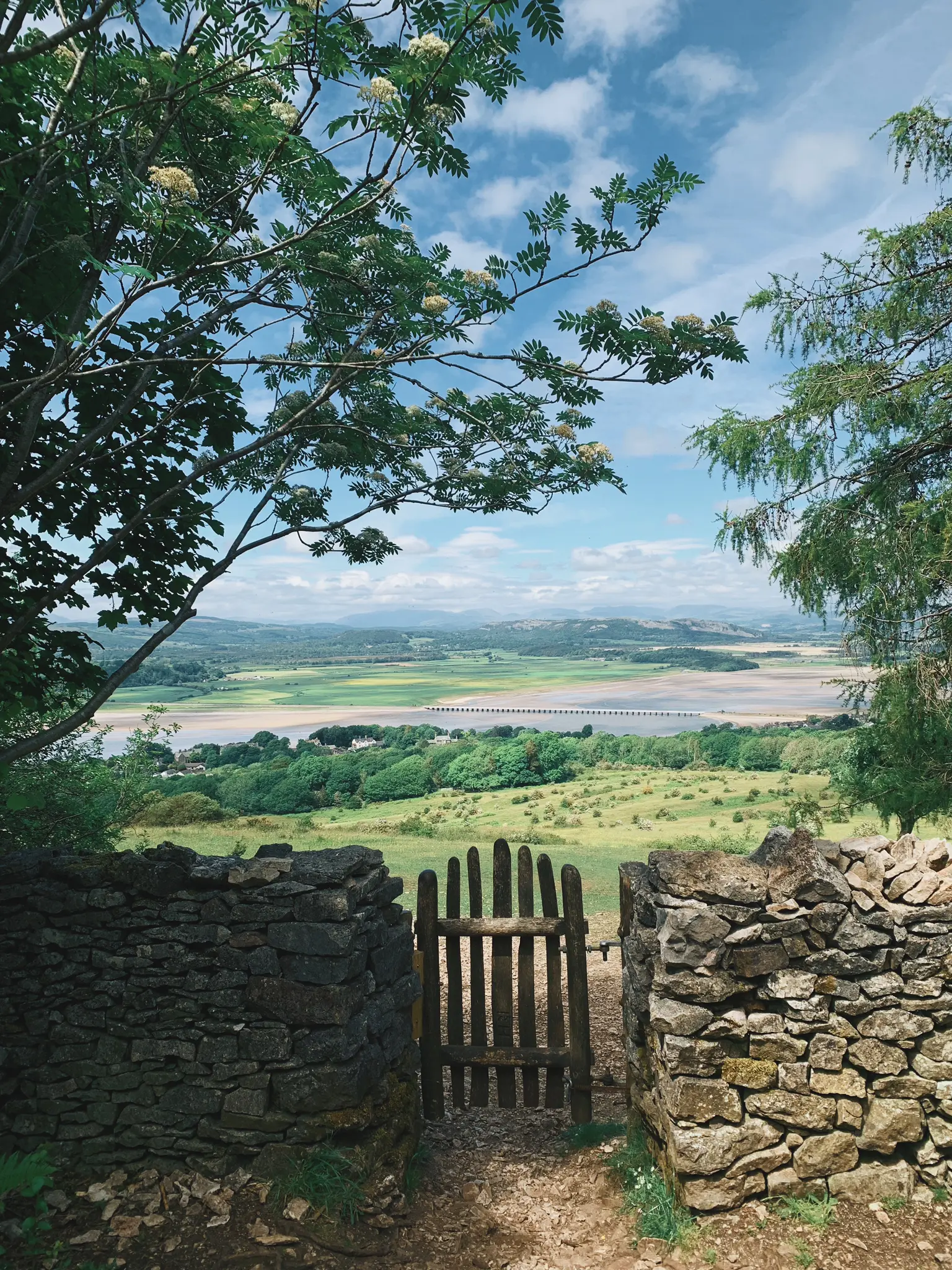
Take the National Trust circular walk of 1.7 miles, with a summit viewpoint above Arnside and the Kent Estuary. The route is described as moderate and takes around two hours.
About 2 hours
Look for spring flowers at Heathwaite
The National Landscape identifies cowslips and early purple orchids among the spring flowers to look for at Heathwaite.
Watch for butterflies on Arnside Knott
Arnside Knott is noted for butterfly interest, particularly in June and July. The National Landscape names the High Brown Fritillary and Scotch Argus among species found here.
Make a day of it
Quick escape · About 2 hours
Arnside Knott viewpoint walk
- 01
Start from the Arnside Knott car park, reached via Redhills Road, Knott Lane and Saul’s Drive.
- 02
Follow the National Trust circular walk towards the summit and its views across the Kent Estuary and Morecambe Bay.
- 03
Allow for a moderate, strenuous-in-places walk on uneven terrain; check the route and conditions before setting off.
Half day · Half day
Make a half day of Arnside Knott
- 01
Walk the National Trust’s 1.7-mile Arnside Knott circular route, allowing around two hours.
- 02
Pause at the viewpoint benches and take in the views north across the Kent Estuary towards the Lake District fells and across Morecambe Bay.
- 03
In spring, look for cowslips and early purple orchids at Heathwaite; in June and July, watch for butterflies on the hill.
- 04
Check current access, parking and local refreshments before travelling.
Hidden details
Heathwaite’s spring flowers — Look for cowslips and early purple orchids at Heathwaite, identified by the National Landscape as a spring highlight.
Arnside Knott’s small-scale superlative — The National Landscape describes the 159-metre limestone hill as England’s smallest Marilyn, a status it says the Knott gained in 2005. The source dates its comparison to February 2017.
When to go
April · May · June · July · Choose a clear day for the broadest views; no specific time-of-day advantage is established by the supplied sources.
Spring brings cowslips and early purple orchids at Heathwaite. June and July are highlighted for butterflies and wildflowers. Wet weather can make paths slippery.
Footpaths can be uneven, rocky, steep and slippery when wet. Check local conditions before visiting.
The route
- stiles
- Gates and stiles are present along some paths
- surface
- Good paths, but the wider area includes steep, loose, uneven and potentially slippery surfaces
- distance
- 1.7 miles
- duration
- About 2 hours
- difficulty
- Moderate; access to the summit is described as strenuous
- waymarking
- A National Trust circular walk is identified; check route details on site
- route shape
- Circular
- start point
- Arnside Knott car park, via Saul’s Drive and Knott Lane
- parking start
- Small, unmarked car park at Arnside Knott, at the end of the track; the National Trust gives postcode LA5 0BP and grid reference SD 450 774.
- Summit viewpoint above Arnside
- Views across the Kent Estuary and Morecambe Bay
- Spring flowers at Heathwaite
- Butterfly interest in June and July
What to look for
Look for cowslips and early purple orchids at Heathwaite in spring, and watch for butterflies on Arnside Knott in June and July. The National Landscape source names the High Brown Fritillary and Scotch Argus among the species found here.
The story
Landscape and settlement history; the supplied sources do not substantiate a specific historical narrative for the wider area.
Best time to go
Spring for cowslips and early purple orchids; June and July for butterflies and wildflowers.
Visit in spring for cowslips and early purple orchids, or in June and July for butterfly activity and wildflowers. Clear conditions improve the views across the estuary and bay.
How long to spend
Half day
Perfect for
Walkers · Wildlife lovers · Photographers · Families
Practical information
Opening & access
The National Trust describes countryside access from dawn to dusk. Small car parks serve Arnside Knott and Eaves Wood; paths can be steep, uneven and slippery, with gates and stiles. Check current access and facilities before travelling.
Check before visiting
Parking
Small car parks at Arnside Knott and Eaves Wood. Arnside Knott parking is unmarked and holds around 15–20 cars when full; check current details before setting out.
Check before visiting
Toilets
The National Trust reports no toilet facilities at the countryside site. Check before visiting.
Check before visiting
Food & drink
The source row mentions cafés and pubs in local villages, but does not identify specific venues. Check before visiting.
Check before visiting
Dogs
Dogs are welcome under close control, according to the National Trust.
Accessibility
Some accessible gates lead from Saul’s Drive onto Redhills Pasture, and views are available around the National Trust car park. Much of the area has steep, uneven or loose gravel paths; the summit walk is strenuous. Check current conditions and suitability before visiting.
Check before visiting
Cost
Check before visiting
Check before visiting
Water
Kent Estuary and Morecambe Bay; no swimming or paddling permission established.
Gallery
Place photographsKeep exploring
Around Arnside & Silverdale
Within 50 km · approximate straight-line distances