Silverdale, Lancashire
Trowbarrow Quarry
Mixed-habitat reserve
Place photograph
8.3
Wildland
1–2 hours
Time
Check
Cost
Dramatic
Feel
Why it's Wildland
8.3A limestone quarry where ancient seabeds stand almost on end, fossil land surfaces colour the walls red and bee orchids grow on the quarry floor.
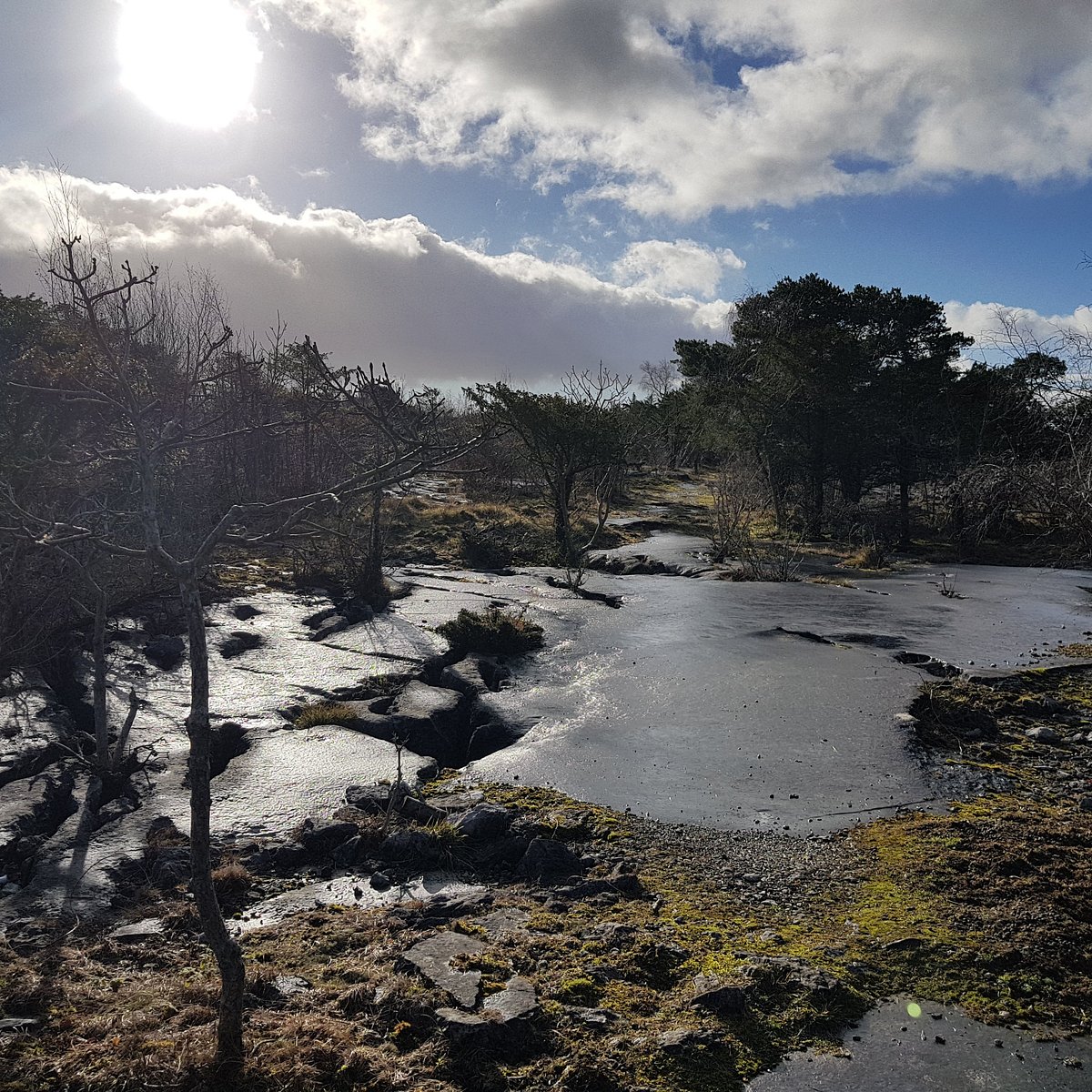
The quarrying has exposed something extraordinary: ancient seabeds tilted into towering walls, coral fossils and red remnants of long-buried land surfaces. Add limestone flowers and a quiet reserve setting, and this becomes much more than a walk around an old quarry.
Dramatic · Peaceful · Atmospheric
Find your way
Open mapSilverdale, Lancashire
Opening map…
The experience
Allow one to two hours to explore the main quarry and its exposed limestone. Look for vertical bedding, weathered grooves and red fossil land surfaces, then slow down for the flowers on the quarry floor. There is a bench in the main quarry, and picnics are welcome without fires or barbecues.
Things to do
Read an ancient seabed turned upright
Study the almost vertical limestone beds from the quarry paths. The field society describes beds tilted just beyond 90 degrees by tectonic movement associated with the formation of Pangea.
Look for coral and ‘stick’ fossils
The exposed rocks contain colonial coral and trace fossils: filled-in trails left by ancient creatures. Look without hammering, collecting or climbing the faces.
Find flowers on the quarry floor
Look for limestone flowers among the quarry-floor vegetation. A field visit on 29 May 2024 recorded bee orchids in bud; their presence does not guarantee flowers on any particular visit.
Bring a picnic into the main quarry
Picnics are welcome and there is a bench in the main quarry. Take rubbish home and do not light fires or barbecues.
Make a day of it
Quick escape · 1–2 hours
Quick escape — read the quarry walls
- 01
Use a signed reserve entrance from Storrs Lane or Moss Lane; parking is limited to roadside spaces on Storrs Lane.
- 02
Explore the main quarry on the available paths, looking at the nearly upright limestone beds.
- 03
Look for red colouring on the ancient land surfaces and weathered grooves in the faces, without climbing to inspect them.
- 04
Pause at the main quarry bench and look for limestone flowers before returning.
Half day · Around 3 hours, suggested
Half day — limestone details and a café finish
- 01
Spend one to two hours exploring the quarry, giving the red fossil land surfaces and contrasting limestone beds more than a passing glance.
- 02
In late spring or summer, leave time to examine the quarry-floor flowers from the paths.
- 03
Finish at RSPB Leighton Moss café, listed by the reserve manager as a 15-minute walk away; check opening times and café access before setting out.
- 04
Allow time to return to your starting point; this is a suggested visit plan rather than a measured circular route.
Verified history
Trowbarrow’s story begins in warm Carboniferous seas, where limestone accumulated before tectonic forces tilted the beds almost upright. Quarrying began in 1857; the Upper Wharfedale Field Society describes roughly a century of working, tarmac production and the removal of some remaining buildings in the 1970s. The buildings have gone, but extraction left vast rock faces that reveal fossils, ancient land surfaces and contrasting beds. Today Lancaster City Council owns the reserve, managed by the Arnside & Silverdale National Landscape team. Its SSSI designation is geological, not simply a recognition of its wildlife.
Hidden details
The red walls were once land surfaces — At the north end, reddish rock preserves an ancient exposed limestone surface, or palaeokarst. A larger red surface on the west side has depressions that the field report suggests may represent ancient tree roots. Iron in former soils accounts for the colour.
Rain is still reshaping the faces — Look for fluting: grooves produced as slightly acidic water dissolves limestone. These modern marks sit alongside evidence of much older geological events.
The trough behind the name — The reserve manager explains ‘Trow’ as trough and ‘barrow’ as the Anglo-Saxon word for hill. The field report links the trough to softer Woodbine Shale weathering away between harder limestone beds.
When to go
May · June · July · Daylight; no particular hour is established by the supplied research.
Late spring and summer combine the permanent geological interest with limestone flowers. Bee orchids were recorded in bud in late May.
Dry weather is a sensible choice for the inclines and uneven ground. Keep clear of cliff edges and avoid climbing rock faces to inspect details. The station approach follows a busy road without pavement.
Worth pairing with
RSPB Leighton Moss café
A practical café finish about 15 minutes away on foot, according to the reserve manager. Check current opening times and access arrangements; a wider reserve itinerary is not established by the supplied material.
What to look for
- 01
Near-vertical limestone beds
- 02
colonial coral and ‘stick’ trace fossils
- 03
water-cut fluting on the rock faces
- 04
reddish ancient land surfaces at the north end and west side
- 05
limestone flowers on the quarry floor.
The story
Industry
Best time to go
Late spring and summer for limestone flowers; the exposed geology rewards visits throughout the year.
Late spring into summer is the strongest choice for combining geology with flowers. Bee orchids were recorded in bud during a late-May field visit; flowering dates vary. Visit in daylight and favour dry weather for examining the rock formations.
How long to spend
1–2 hours
Perfect for
Walkers · Wildlife lovers · Photographers · Dogs
Practical information
Opening & access
Council-owned Local Nature Reserve managed for quiet recreation. Entrances from Storrs Lane and Moss Lane. Silverdale station is about 20 minutes away on foot, along a busy country road without pavement.
Parking
Limited roadside parking on Storrs Lane. No parking at the Moss Lane entrance. The reserve manager recommends public transport where possible.
Toilets
Nearest public toilets are on Emesgate Lane in Silverdale, approximately 1.5 miles or a 30-minute walk away.
Food & drink
RSPB Leighton Moss café is approximately a 15-minute walk away. Check opening times before visiting.
Check before visiting
Dogs
Dogs must be kept under control at all times. Watch for cattle and horses, and check dogs for ticks in summer.
Check before visiting
Accessibility
A tramper route runs through the site on generally well-compacted gravel, with inclines. This does not establish step-free suitability for every path or wheelchair; check individual requirements before visiting.
Check before visiting
Cost
Check before visiting
Check before visiting
Gallery
Place photographs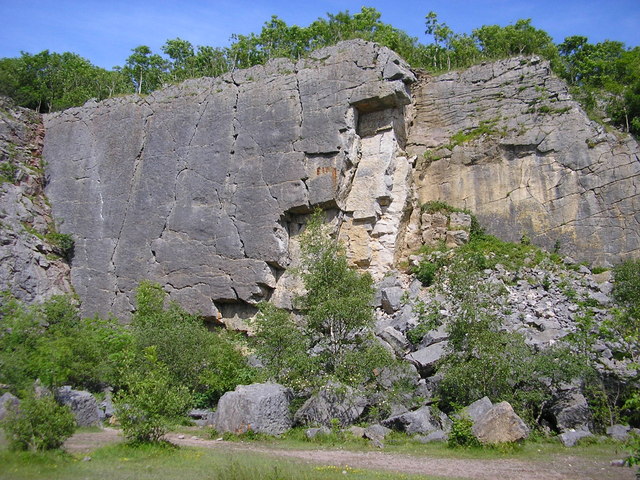
Keep exploring
Around Trowbarrow Quarry
Within 50 km · approximate straight-line distances