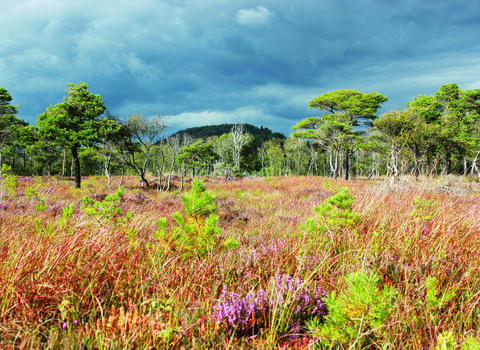
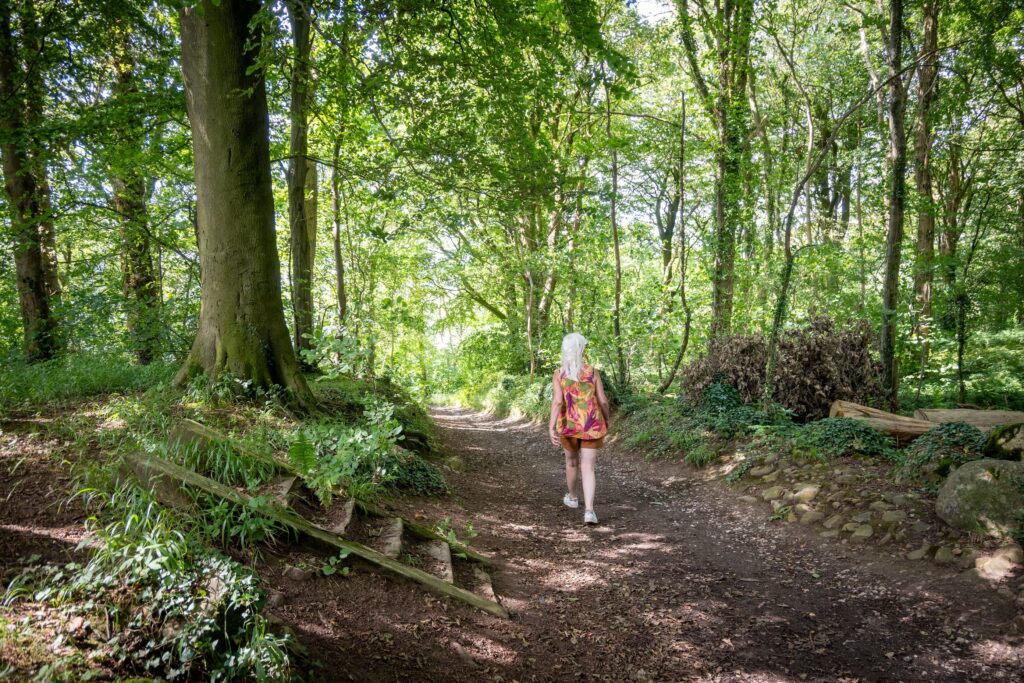
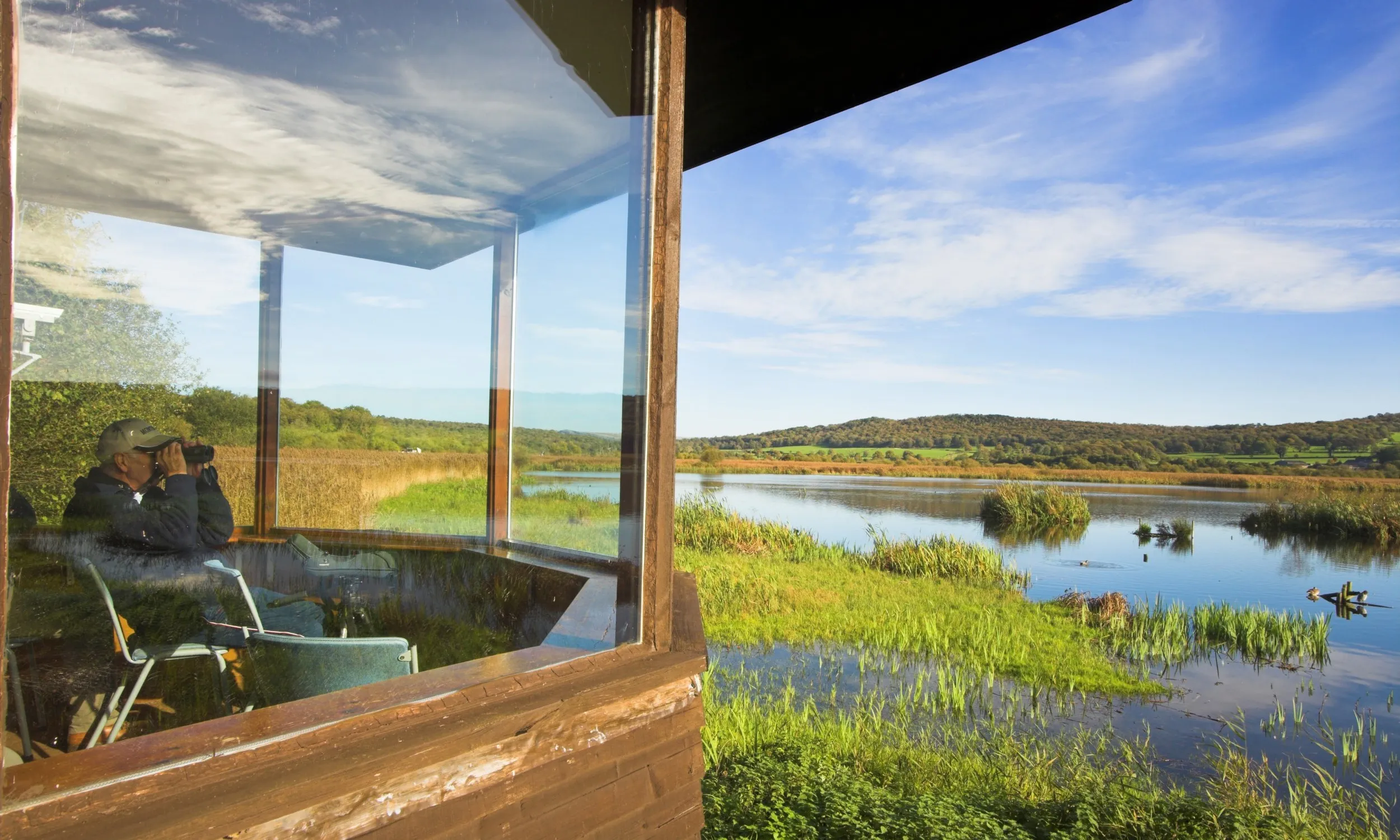
Southern tip of Walney Island, near Barrow-in-Furness, Cumbria
South Walney Nature Reserve
Mixed-habitat reserve
Place photograph
7.2
Wildland
1–2 hours
Time
Check
Cost
Peaceful
Feel
Why it's Wildland
7.2A shingle island reserve looking across Morecambe Bay, known for its birdlife and Cumbria’s only grey seal colony.
South Walney earns its place for the meeting of shingle, coastal habitat and open bay views—and for wildlife that gives a visit a real sense of discovery. The reserve’s grey seal colony and important gull colony are the draw; bring time to watch quietly rather than treating it as just a coastal walk.
Peaceful · Wild · Big-sky
Find your way
Open mapSouthern tip of Walney Island, near Barrow-in-Furness, Cumbria
Opening map…
The experience
A wildlife-focused visit to a coastal reserve on the southern tip of Walney Island. Explore the reserve’s waymarked trails and observation points, look across Morecambe Bay, and watch for birds and grey seals from a respectful distance. The supplied sources describe a 1–2-hour visit; check current access and facilities before setting out.
Things to do
Follow a waymarked reserve trail
Explore the reserve’s coastal habitats on one of its three waymarked trails. Check the current route and any closures before setting out.
1–2 hours
Watch for grey seals
Look out across the shore and bay for grey seals, the reserve’s defining wildlife feature. Keep a respectful distance and follow reserve guidance.
Scan for seabirds and seasonal migrants
Use the hides or observation points to watch the reserve’s seabirds and look for seasonal migrant and overwintering birds.
Look across Morecambe Bay
Take in the reserve’s open views across Morecambe Bay and the surrounding shingle coast.
Make a day of it
Quick escape · 1–2 hours
Quick Escape: a coastal wildlife wander
- 01
Check current reserve access and any tide-related notices before travelling.
- 02
Follow one of the reserve’s waymarked trails and pause at an observation point or bird hide.
- 03
Watch the shoreline and bay for birds and seals without approaching or disturbing wildlife.
Verified history
The source row says the reserve was established in 1963. The supplied reserve-page excerpt confirms it is managed by Cumbria Wildlife Trust, but does not independently confirm the establishment date.
Hidden details
Piel Castle across the water — The Cumbria Wildlife Trust page’s reserve image caption identifies Piel Castle in the background, offering a historic landmark to look for across the coastal view.
When to go
April · May · June · July · August · September · No specific time of day is verified. Check current reserve information and tide-related access before visiting.
The supplied sources describe spring and summer as good for active birdlife and wildflowers, and autumn and winter for overwintering birds. Exact peak dates are not established.
This is an exposed coastal setting. Check the forecast and current access notices; the supplied reserve page warns that very high tides can affect access.
Worth pairing with
Piel Castle
A historic landmark visible across the water from the reserve, identified in the Cumbria Wildlife Trust page’s image caption. No visit or access arrangement is verified here.
What to look for
Scan the shoreline and bay for grey seals, and watch for seabirds and seasonal migrants from the reserve’s hides and observation points. The reserve is noted for its mixed herring and lesser black-backed gull colony.
Best time to go
Spring and summer for active birdlife and wildflowers; autumn and winter for overwintering birds. Check current reserve information before visiting.
Spring and summer are noted for active birdlife and wildflowers; autumn and winter bring overwintering birds. For wildlife watching, move quietly and use the reserve’s observation points.
How long to spend
1–2 hours
Perfect for
Wildlife lovers · Birdwatchers · Photographers · Walkers
Practical information
Opening & access
A Cumbria Wildlife Trust reserve on Walney Island. Check current access information before travelling; access may be affected by very high tides.
Check before visiting
Parking
Parking information is not confirmed by the supplied reserve-page excerpt. Check before visiting.
Check before visiting
Toilets
Check before visiting
Check before visiting
Food & drink
No on-site café or shop is reported in the source row; bring refreshments and check current facilities before visiting.
Check before visiting
Dogs
Dogs are not permitted, except assistance dogs, according to the supplied reserve information.
Accessibility
The source row reports uneven terrain and says paths may not be fully accessible to wheelchairs or pushchairs. Check current conditions before visiting.
Check before visiting
Cost
Check before visiting
Check before visiting
Water
Sea, shingle coast and saltmarsh; no water activities are verified.
Gallery
Place photographsKeep exploring
Around South Walney Nature Reserve
Within 50 km · approximate straight-line distances
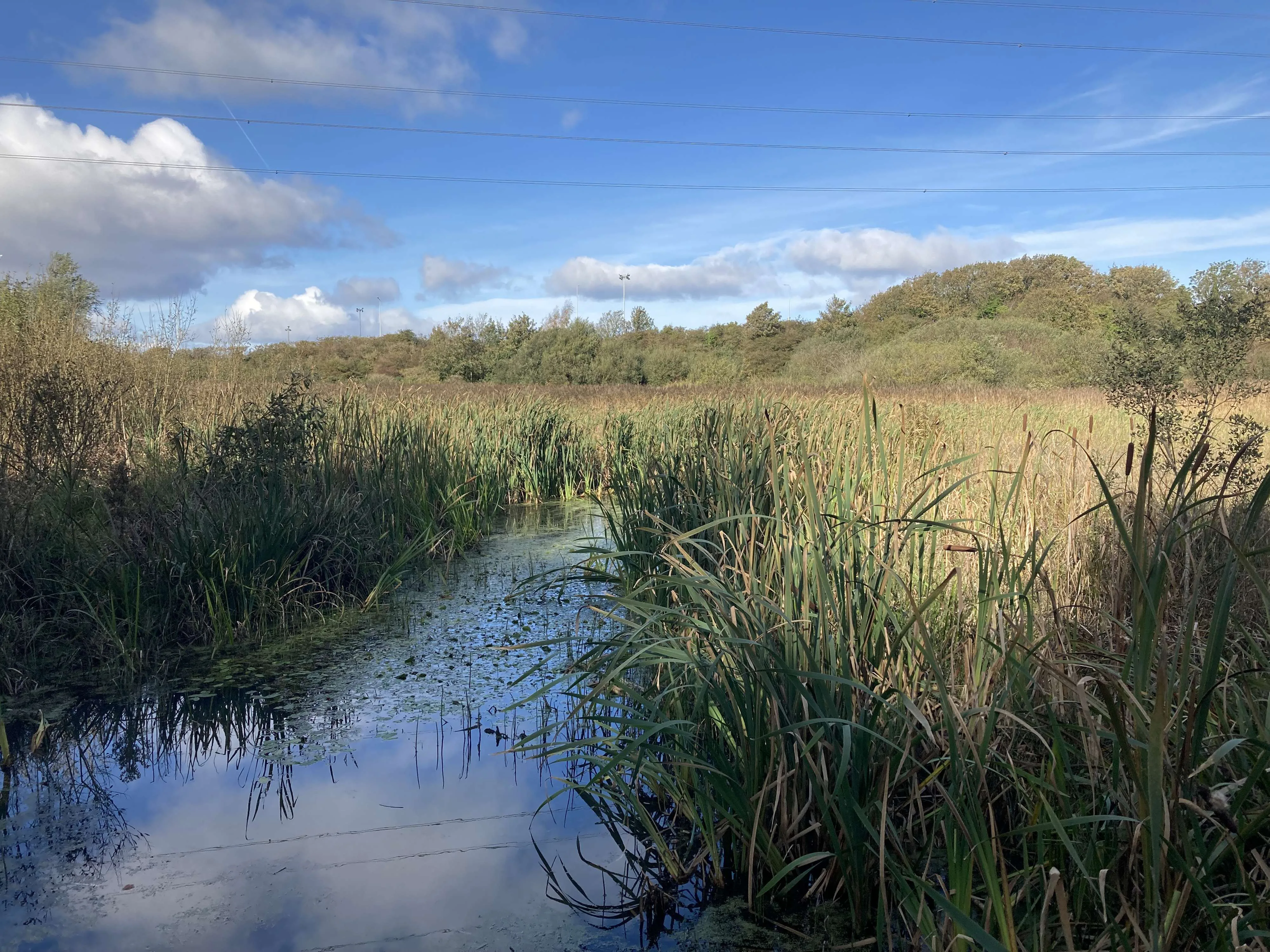
North Walney Nature Reserve
Northern Walney Island, near Barrow-in-Furness, Cumbria
11.1 km away
 Place photograph7.2
Heysham Nature Reserve
Money Close Lane, Heysham, near Morecambe, Lancashire, LA3 2UW
19.2 km away
 Place photograph6.8
Roudsea Wood and Mosses National Nature Reserve
South Lakeland, Cumbria
22.9 km away