Grange-over-Sands, Cumbria, LA11 6EG
Brown Robin Nature Reserve
Mixed-habitat reserve
Place photograph
7.7
Wildland
1–2 hours
Time
Check
Cost
Peaceful
Feel
Why it's Wildland
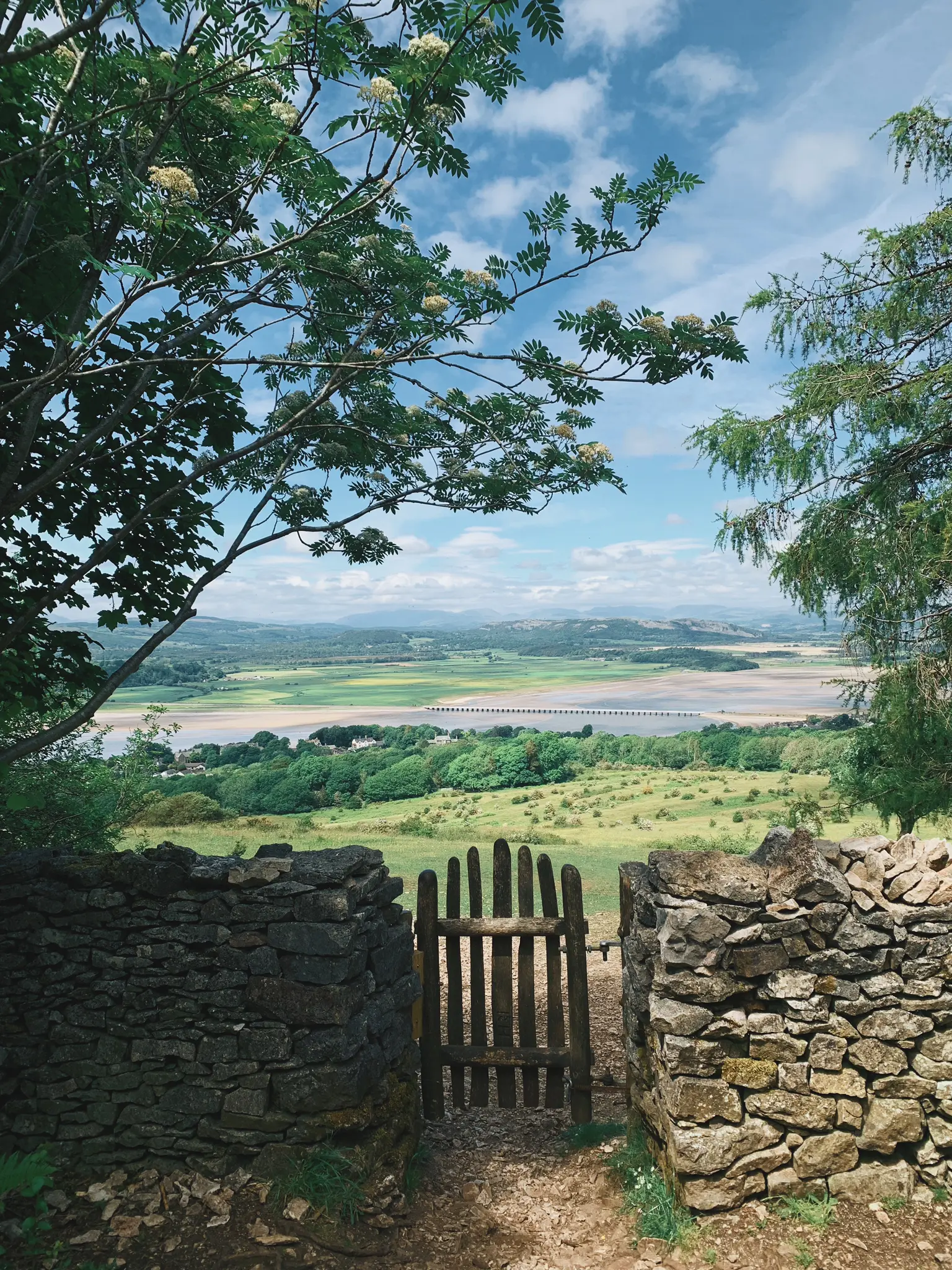
7.7Above Grange’s grand hotels, limestone woodland opens into flower-rich grassland with views over the Kent estuary.
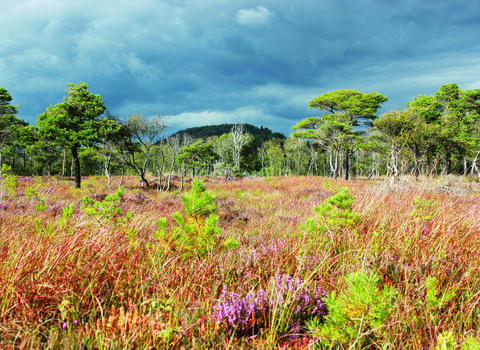
Brown Robin rewards looking closely: spring flowers beneath the trees, yellow meadow ants in the grassland and waxcaps on Blawith Bank. The estuary views give this former working landscape a sense of space beyond its boundaries.
Peaceful
Find your way
Open mapGrange-over-Sands, Cumbria, LA11 6EG
Opening map…
The experience
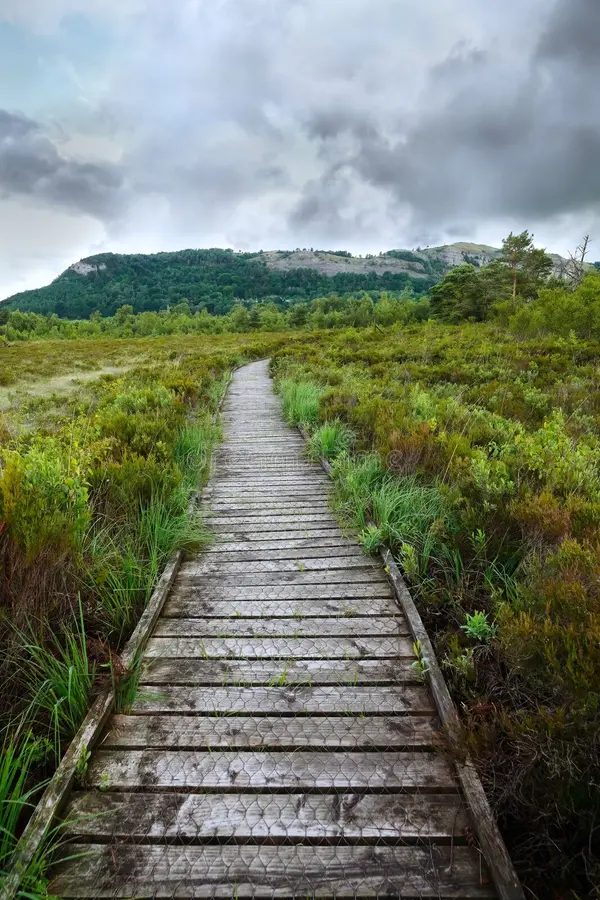
Allow a suggested one to two hours to explore the woodland and grassland on existing paths. Make time for the small things—woodland flowers, meadow insects and fungi—as well as the wider view across the Kent estuary. No current measured circuit is established by the supplied sources.
Things to do
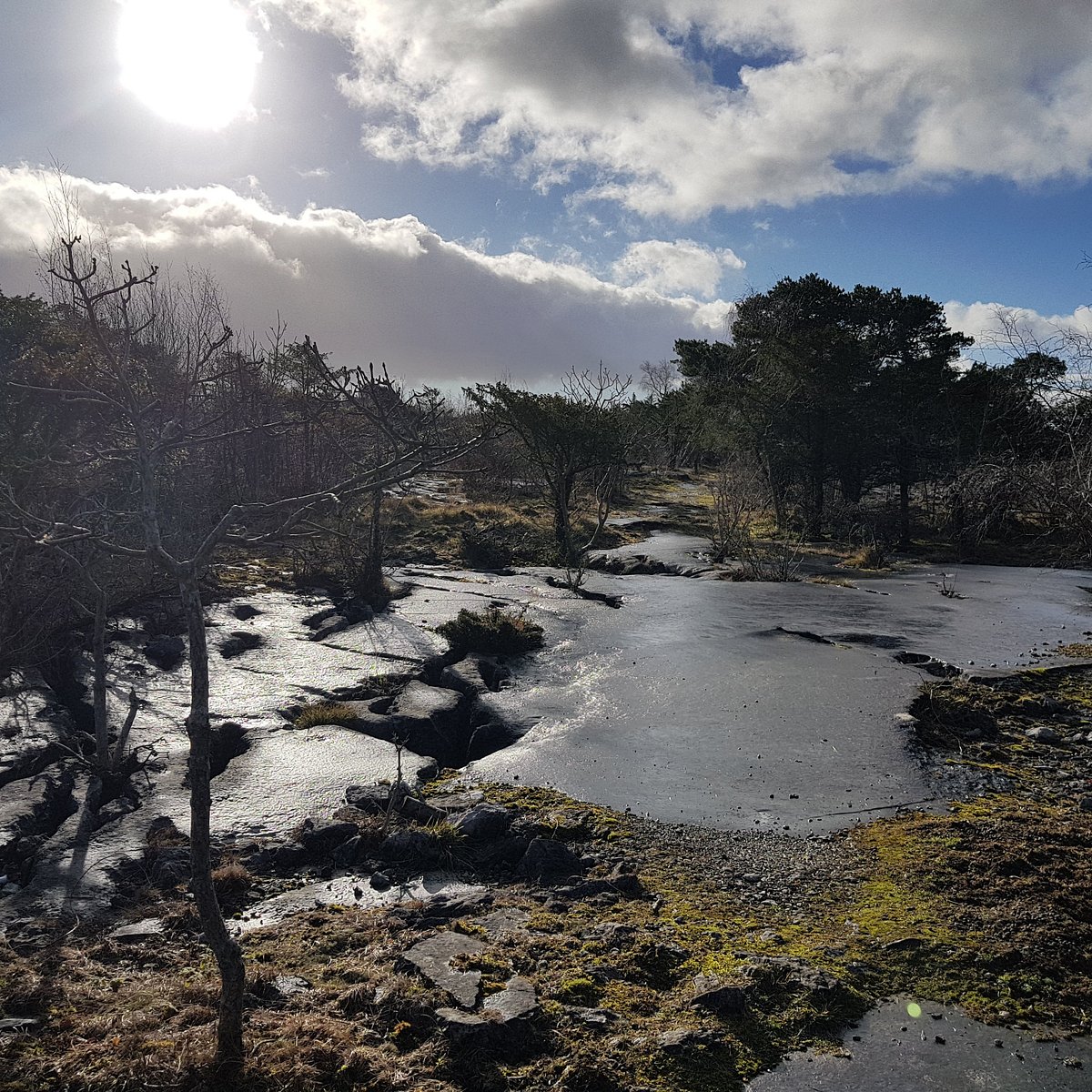
Explore the limestone woodland
Look for the woodland’s spring flower display, then notice how the vegetation changes as the trees give way to species-rich grassland.
Watch the grassland wildlife
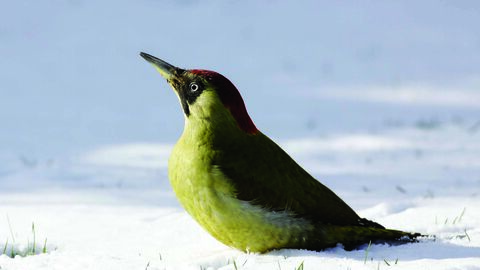
Look for butterflies around the flowers and yellow meadow ants in the grassland. A published guided walk specifically highlighted both, alongside woodland birds and green woodpeckers.
Pause for the Kent estuary view
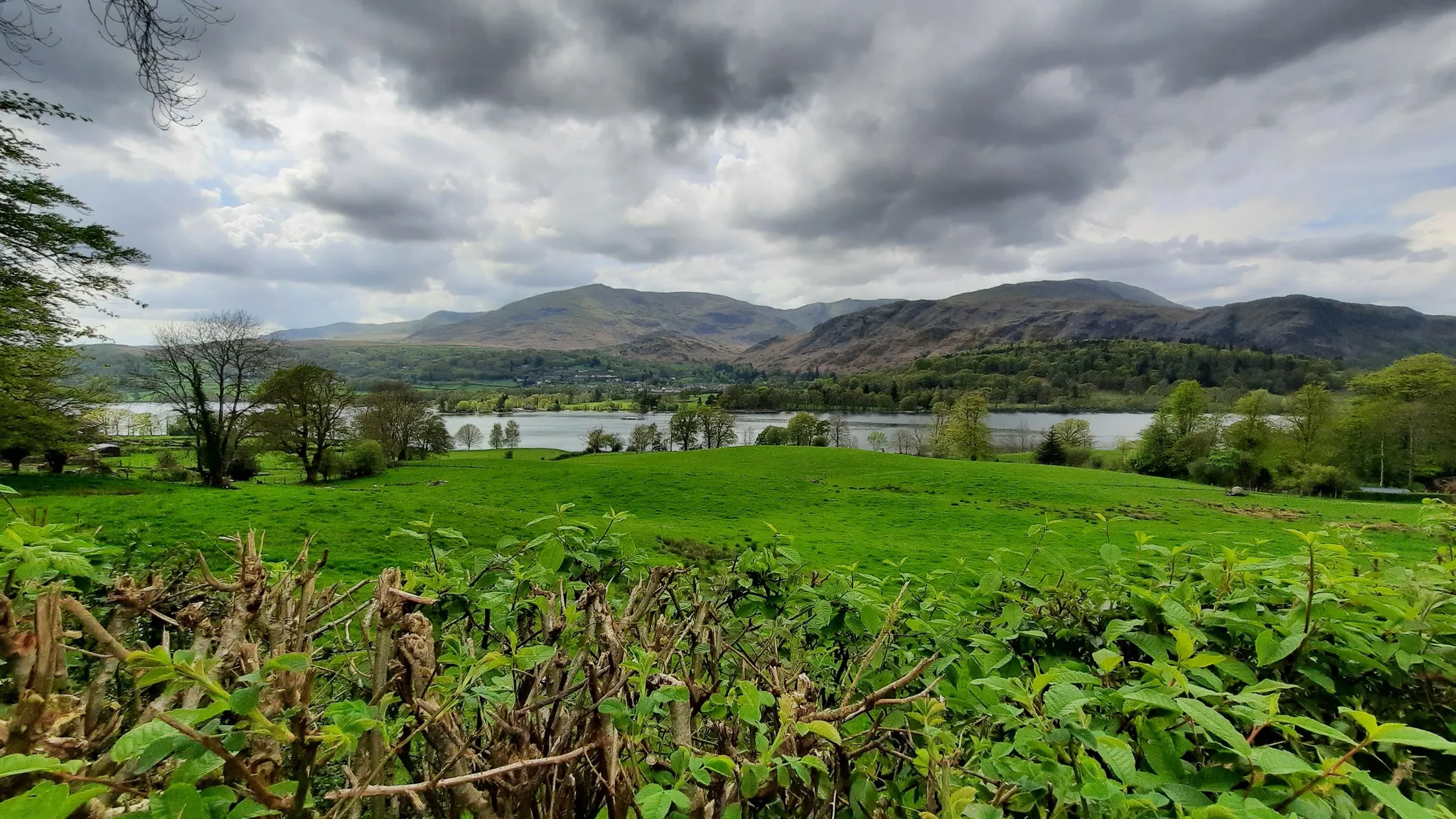
Make the views part of the visit rather than treating Brown Robin solely as a woodland walk. The Trust highlights the outlook over the Kent estuary.
Look closely at Blawith Bank’s waxcaps
A 2017 account recorded 20 species of waxcap on Blawith Bank, including the pink ballerina waxcap. Look without picking; neither the species count nor sightings are guaranteed on a present-day visit.
Make a day of it
Quick escape · 1–2 hours suggested
Quick escape: woodland, meadow and estuary
- 01
Use the Trust’s Windermere Road entrance information and check current access before setting out.
- 02
Explore the woodland on existing paths, looking for spring flowers when in season.
- 03
Continue into the grassland where accessible, pausing to look for meadow insects and listen for woodland birds.
- 04
Take in the Kent estuary views before returning by a suitable known path.
Half day · 3–4 hours suggested
Half day: the reserve above, the promenade below
- 01
Spend the first part of the visit exploring Brown Robin’s contrasting woodland and grassland.
- 02
Give one seasonal detail your attention: spring flowers, summer butterflies or autumn waxcaps.
- 03
Return to Grange-over-Sands and add a separate stroll along the promenade for a contrasting view of the bay.
- 04
Keep the plan flexible: the supplied sources do not establish a continuous signed route between the reserve and promenade.
Verified history
Brown Robin was a working landscape before it became a reserve. Its woodland supplied charcoal and potash through coppicing, while the surrounding meadows formed part of a farm during much of the 20th century. Cumbria Wildlife Trust acquired the reserve in 1977. A 2017 account describes grassland recovery from over-grazing, helped by cattle and yellow rattle, and coppicing continuing as part of its management. The woodland and meadows visitors explore today carry that history of use and restoration.
Folklore & legend
The origin of the name remains uncertain. A 2017 local magazine account suggests a possible connection with a Scottish fable about a princess’s secret lover called Brown Robin, but explicitly says no one knows for sure. Treat this as a suggested folklore connection, not an established explanation.
Hidden details
A tiny grassland resident worth noticing — Yellow meadow ants are one of the reserve’s named wildlife highlights. They offer a reason to slow down in the grassland rather than looking only for larger animals.
The plant that helped the meadows recover — The 2017 reserve account credits yellow rattle, alongside grazing management, with helping other wildflowers flourish in the recovering grassland.
When to go
April · May · June · July · October · Daylight; a morning visit is a suggested choice for a bird-focused walk rather than a documented site-specific peak.
Spring flowers are a principal Trust highlight. Summer brings grassland flowers and butterflies; autumn is a suggested window for investigating the documented waxcap interest.
Choose clear weather for the estuary views. Wear grippy walking footwear and take extra care on the steep, uneven ground described in the source row, especially after rain.
Worth pairing with
Grange-over-Sands promenade
Pair the reserve’s elevated views and enclosed woodland with a separate promenade stroll in the coastal town below. The supplied local account highlights both as contrasting reasons to visit Grange.
What to look for
- 01
Spring woodland flowers
- 02
yellow meadow ants without disturbing their nests
- 03
green woodpeckers
- 04
waxcaps on Blawith Bank
- 05
and the transition between limestone woodland and species-rich grassland.
The story
Industry, Folklore & legend
Best time to go
Spring for woodland flowers; summer for grassland flowers and butterflies; autumn for fungi.
Aim for April–May for spring woodland flowers or June–July for grassland colour and butterflies. An autumn visit offers a different focus: waxcap fungi. These are suggested seasonal windows, not guaranteed peak dates.
How long to spend
1–2 hours
Perfect for
Walkers · Wildlife lovers · Photographers
Practical information
Opening & access
Visitor access is described by Cumbria Wildlife Trust, with a Windermere Road entrance at grid reference SD 41106 79175. Check current access information before visiting.
Check before visiting
Parking
Check before visiting. The imported parking information is inconsistent, and the supplied Trust extract does not establish a parking arrangement.
Check before visiting
Toilets
The source row reports no on-site toilets; check before visiting.
Check before visiting
Food & drink
The source row reports no on-site café; check before visiting.
Check before visiting
Dogs
Check before visiting. A 2014 guided walk welcomed dogs, but this does not establish the current reserve-wide policy.
Check before visiting
Accessibility
The source row describes steep, uneven paths and marks the reserve as not wheelchair accessible. Check current route suitability with the Trust before visiting.
Check before visiting
Cost
Check before visiting
Check before visiting
Gallery
Place photographs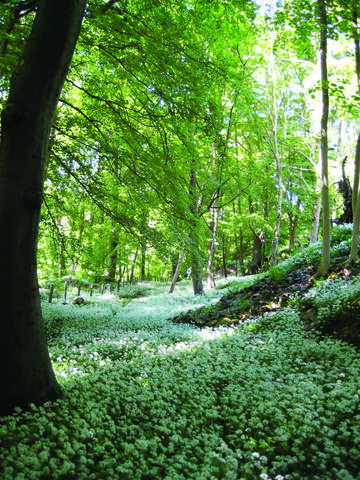
Keep exploring
Around Brown Robin Nature Reserve
Within 50 km · approximate straight-line distances