Hanbury Drive, Biggin Hill, Westerham, TN16 3EE
Saltbox Hill
Mixed-habitat reserve
Source image
6.3
Wildland
1–2 hours
Time
Check
Cost
Wild
Feel
Why it's Wildland
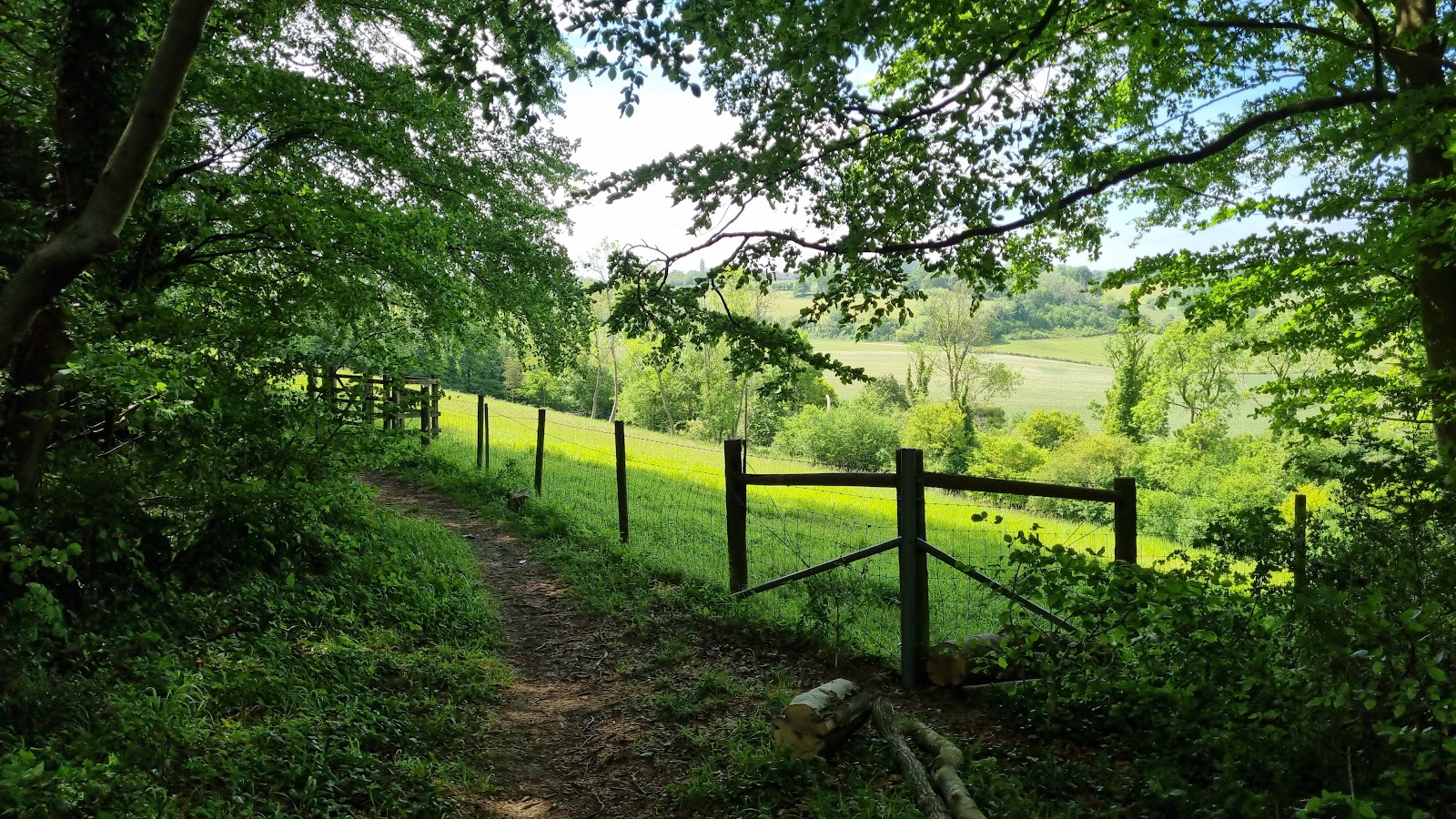
6.3A small surviving fragment of downland where chalk grassland, scrub and ancient woodland meet above a hidden dry valley. London Wildlife Trust says the site is also associated with a story about Charles Darwin.
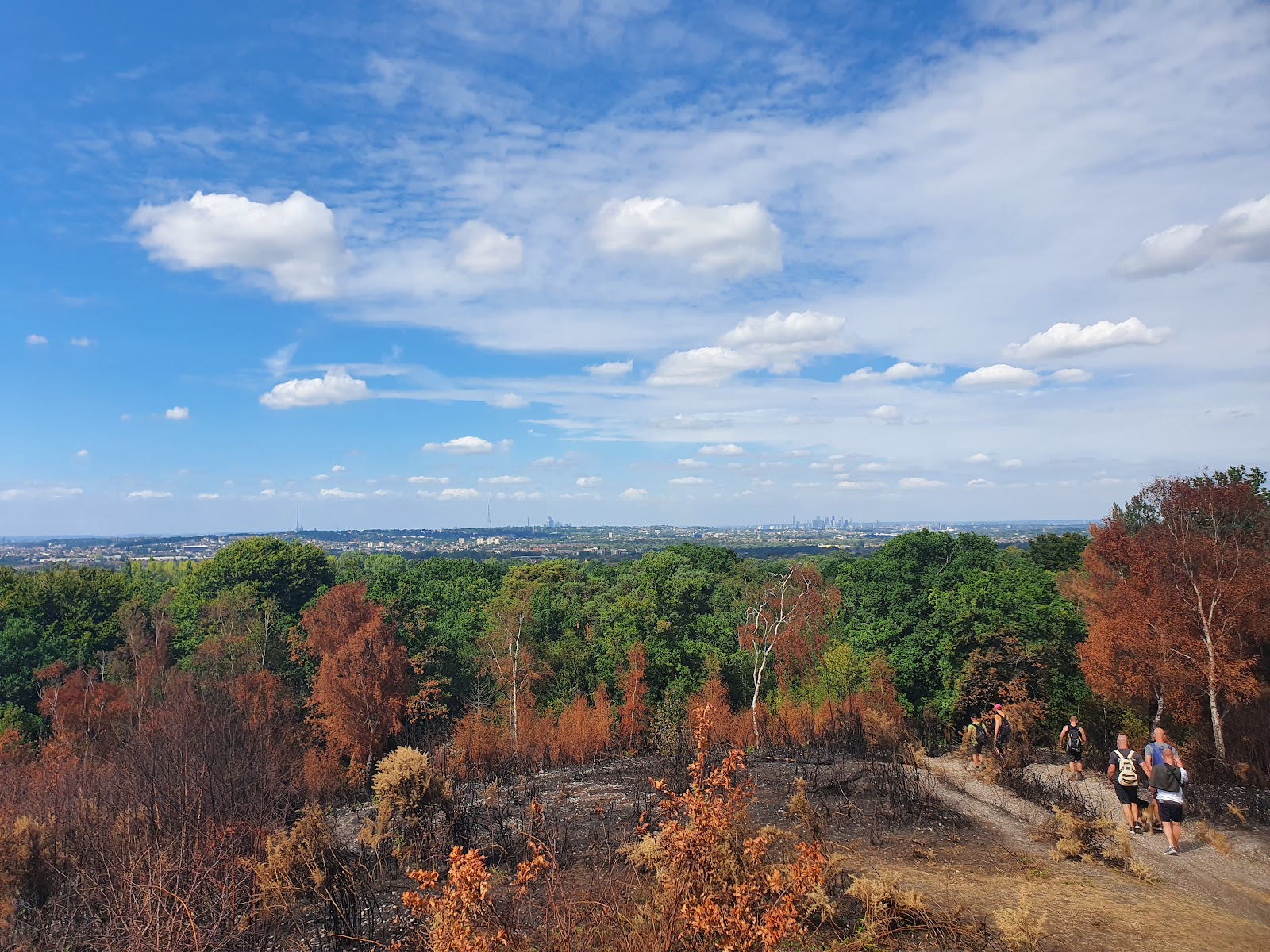
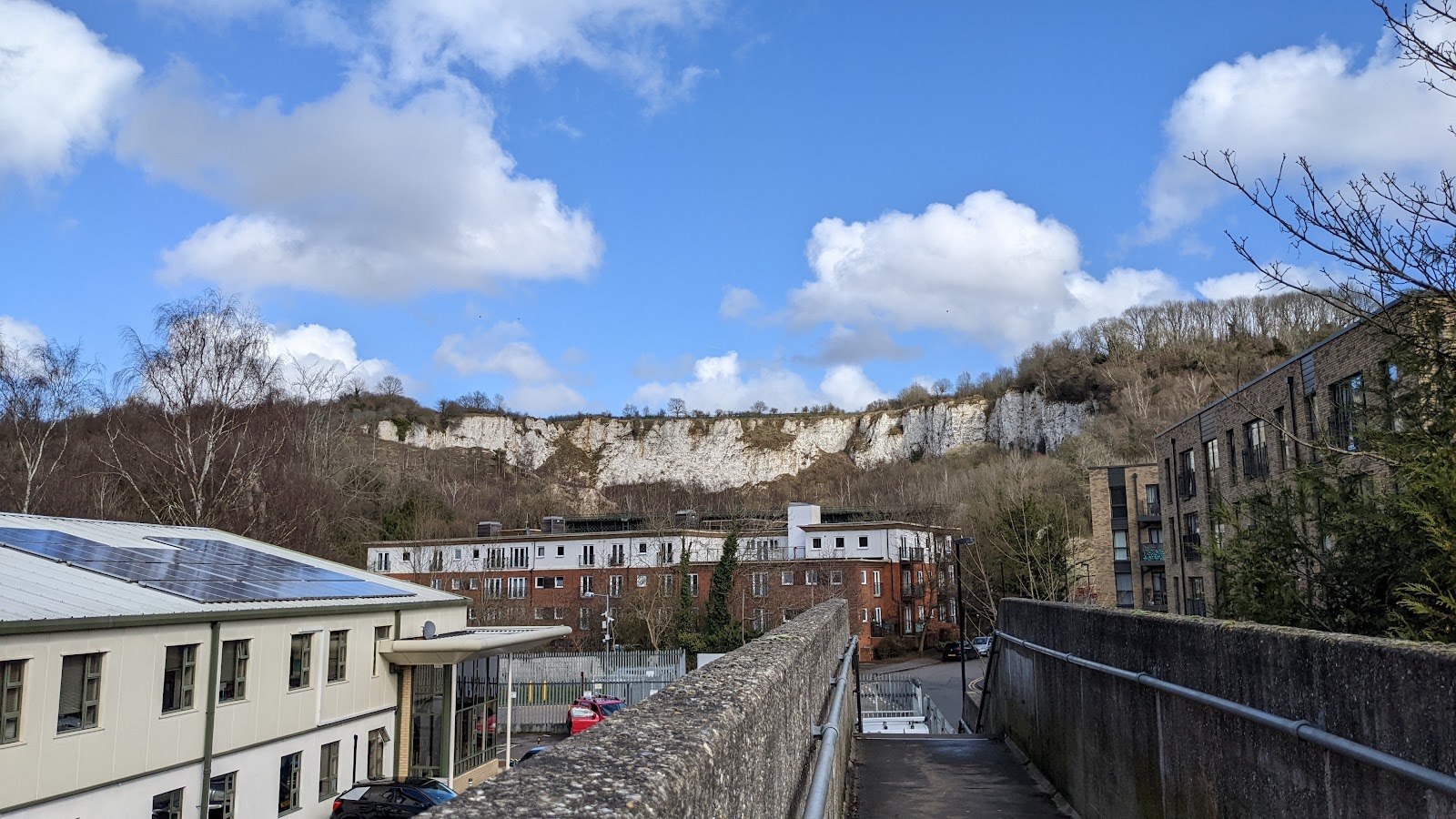
Saltbox Hill is an unexpectedly varied pocket of downland on London’s edge: a steep west-facing bank, rare-rich chalk grassland, scrub and ancient woodland packed into a seven-hectare reserve. Its public paths and uneven slopes make it a place to explore slowly, not a smooth-access stroll.
Wild · Atmospheric
Find your way
Open mapHanbury Drive, Biggin Hill, Westerham, TN16 3EE
Opening map…
Know this place a little better?
The experience
Explore the public paths across a compact but varied reserve of chalk grassland, scrub and ancient woodland. Expect sloping, uneven ground; there is no on-site parking.
Things to do
Walk the public footpaths
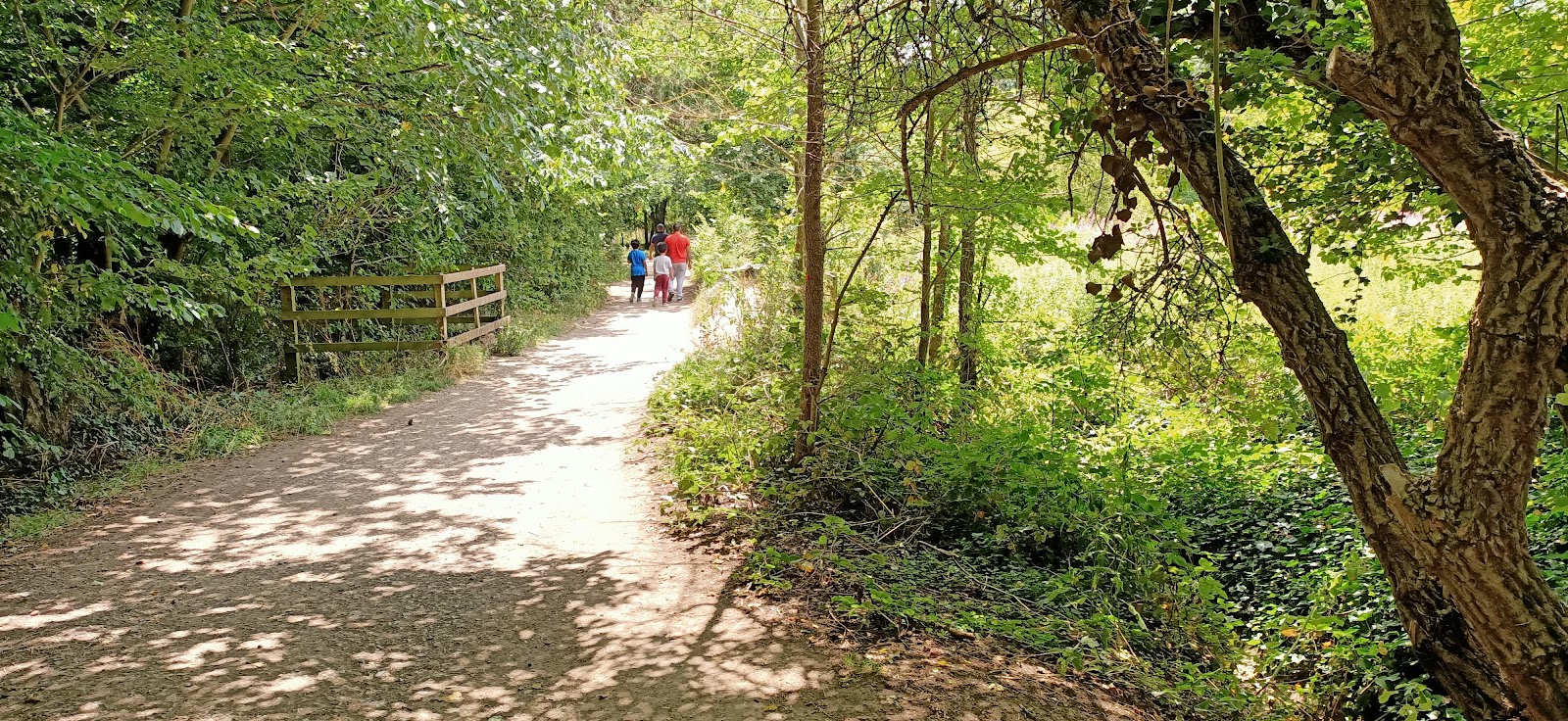
Explore the paths running east, west and north through the reserve. The ground can be steeply sloping and uneven.
Look across the dry chalk valley
The reserve’s long west-facing bank overlooks a hidden dry chalk valley near Biggin Hill.
Notice the changing habitats
Look for the transitions between calcareous grassland, ancient woodland and scrub. The supplied London Wildlife Trust page also features a bee orchid at Saltbox Hill; do not assume it will be in flower during a particular visit.
Read the reserve interpretation boards
London Wildlife Trust reports interpretation boards at the reserve; their precise locations are not specified in the supplied information.
Make a day of it
Quick escape · About 1 hour
Quick Escape: the chalk hillside
- 01
Reach the reserve on foot; the Hanbury Drive entrance is identified by London Wildlife Trust as the easiest entrance to reach on foot.
- 02
Follow the available public footpaths and take in the west-facing bank and hidden dry chalk valley.
- 03
Allow extra time for steep slopes and uneven surfaces; return by a suitable public path.
Half day · Half day
Make a half day of it: explore the habitat mosaic
- 01
Arrive by bus or on foot; London Wildlife Trust lists routes 320 and 246 as stopping on the nearby A233 Main Road.
- 02
Explore the public paths through the reserve, taking time to notice the transitions between chalk grassland, scrub and woodland.
- 03
Pause at the west-facing bank for views over the dry chalk valley, then return by a public path.
- 04
No sourced nearby pairing is available here; check local options before making additional plans.
Verified history
The supplied London Wildlife Trust page describes Saltbox Hill as a rare fragment of surviving downland and says it is said to have inspired a local man called Charles Darwin. The supplied Wikipedia extract reports that Saltbox Hill was notified as a biological Site of Special Scientific Interest in 1985. Treat the Darwin connection as an attributed account, not established fact.
Folklore & legend
A local story says Saltbox Hill inspired Charles Darwin. The supplied London Wildlife Trust wording says it is “said to have” inspired him; the evidence provided does not establish the claim as fact.
Hidden details
A hidden dry chalk valley — The west-facing bank overlooks a dry chalk valley that London Wildlife Trust describes as hidden.
Three habitats in a small reserve — London Wildlife Trust identifies calcareous grassland, ancient woodland and scrub at the reserve.
A bee orchid in the reserve’s story — The supplied reserve page includes a photograph captioned “Bee orchid at Saltbox Hill”. This confirms a documented subject, not that orchids will be visible on every visit.
When to go
April · May · June · July · August · September · Daylight; no more specific time-of-day guidance is available in the supplied sources.
London Wildlife Trust gives April to September as the best time to visit. The supplied evidence does not specify peak flowering dates or wildlife-viewing times.
Paths can be steeply sloping and uneven. Check conditions before setting out; no further weather-specific advice is available in the supplied sources.
What to look for
- 01
Look across the west-facing bank into the dry chalk valley
- 02
notice where open grassland gives way to scrub and woodland. London Wildlife Trust’s page features a bee orchid at the reserve, but its appearance is seasonal and not guaranteed.
The story
Folklore & legend
Best time to go
April–September, according to London Wildlife Trust; spring and summer are the best-supported seasons for experiencing the reserve’s habitats and insect life.
London Wildlife Trust recommends April to September. Visit in daylight and allow time for the slopes and uneven paths.
How long to spend
1–2 hours
Perfect for
Walkers · Wildlife lovers · Photographers · Dogs
Before you go
Address
Phone
Website
Listed hours
- Monday: Open 24 hours
- Tuesday: Open 24 hours
- Wednesday: Open 24 hours
- Thursday: Open 24 hours
- Friday: Open 24 hours
- Saturday: Open 24 hours
- Sunday: Open 24 hours
Check before visiting.
Google rating
Practical information
Opening & access
London Wildlife Trust describes three entrances and public footpaths running east, west and north. The Hanbury Drive entrance is easiest to reach on foot. Open at all times; no parking is available at the reserve. Paths can be steep and uneven, and steps restrict access at the eastern entrance.
Parking
No parking available at the reserve. London Wildlife Trust notes that buses 320 and 246 stop on the nearby A233 Main Road.
Toilets
Check before visiting
Check before visiting
Food & drink
Check before visiting
Check before visiting
Dogs
Dogs on leads.
Accessibility
Not wheelchair accessible according to the supplied source data. London Wildlife Trust notes steps at the eastern entrance, steeply sloping paths and uneven surfaces. Some seating areas and interpretation boards are reported.
Cost
Check before visiting
Check before visiting
Gallery
Place photographsKeep exploring
Around Saltbox Hill
Within 50 km · approximate straight-line distances