8.1
Wildland
1–2 hours
Time
Check
Cost
Wild
Feel
Why it's Wildland
8.1Charles Darwin walked this chalk grassland, known to his family as Orchis Bank, and described a “tangled bank” in the closing passage of On the Origin of Species. The reserve later became the first site purchased by Kent Wildlife Trust, in 1962.
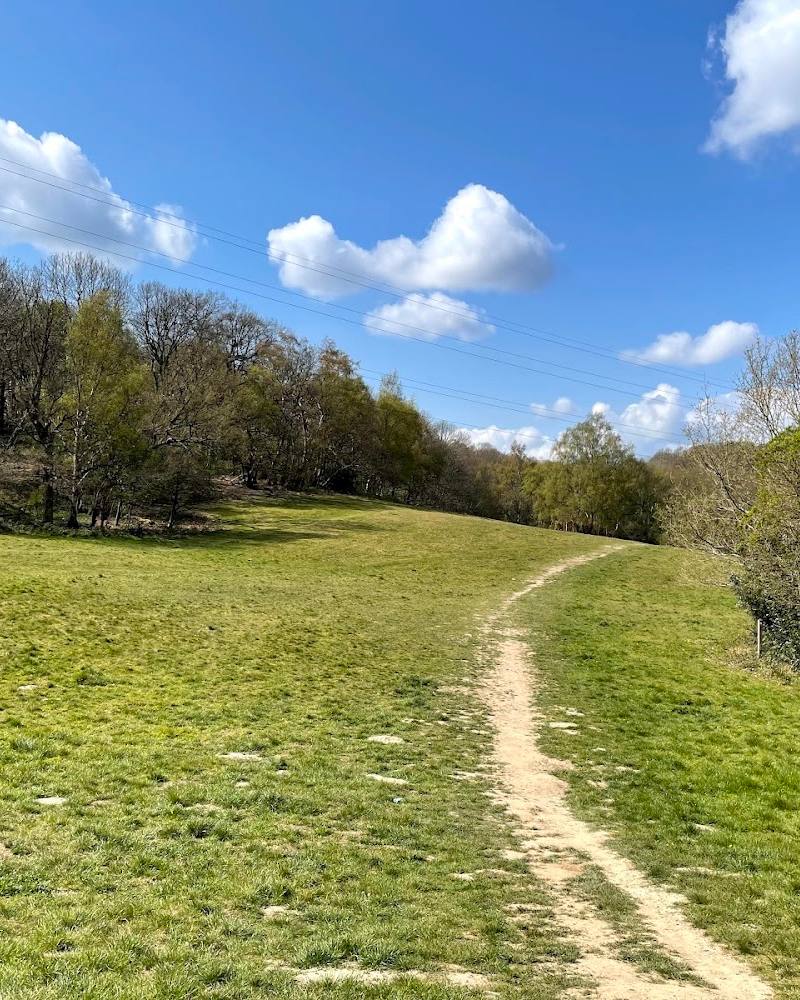
A small reserve with an unusually resonant natural-history story: chalk grassland associated with Darwin, rare orchids and butterflies, and a landscape that later appeared in Planet Earth III. The visit is a proper walk rather than an easy-access stop: the approach and reserve paths are steep, uneven and can be slippery.
Wild · Atmospheric · Ancient-feeling
Find your way
Open mapDowne, near Orpington, Kent
Opening map…
Know this place a little better?
The experience
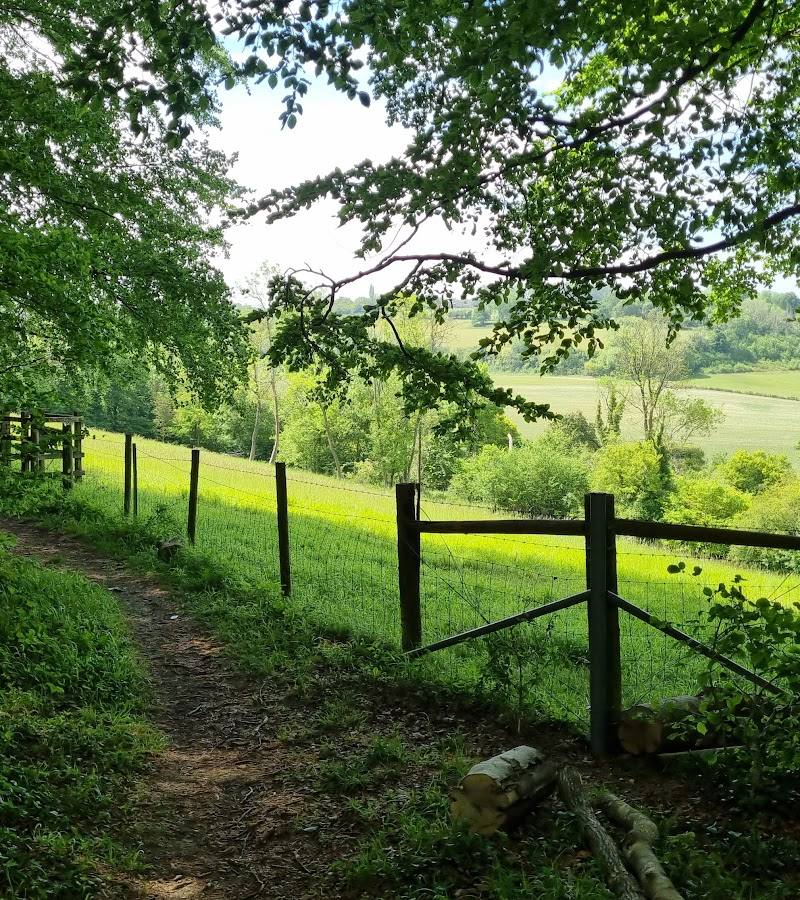
Follow the public-footpath approach from Downe village, then explore the steep, uneven reserve with care. Come for the chalk grassland, seasonal wildlife and Darwin connection; this is not a level or facilities-led visit.
Things to do
Explore the chalk grassland
Walk the reserve’s steep, uneven paths and look for flowering chalk-grassland plants. Kent Wildlife Trust describes chalk grassland as the reserve’s central habitat.
Look for orchids and butterflies
The supplied sources report rare orchids and butterflies at Downe Bank. A 2024 local feature names pyramid and bee orchids, green hairstreak and brown argus butterflies; sightings vary by season and conditions.
Connect the landscape with Darwin’s ‘Orchis Bank’
Downe Bank is associated with the place Darwin and his family called Orchis Bank. A local RSPB walk report describes historical clues supporting the identification, including family recollections and older map names; treat the precise identification as a well-supported local attribution rather than an unquestioned certainty.
Watch for grazing animals and seasonal closures
Grazing animals are present, and the gate to the northern half is closed during autumn/winter grazing. Follow reserve signage and keep dogs under close control.
Make a day of it
Quick escape · Allow 1–2 hours, including the half-mile approach from Downe village; the reserve visit itself may be shorter.
Quick escape: Darwin’s chalk-grassland bank
- 01
Park in Downe village, subject to local parking arrangements.
- 02
Walk the public footpath from Cudham Road, just past Christmas Tree Farm, for about half a mile and follow the track downhill.
- 03
Explore the reserve at a careful pace, looking for chalk-grassland flowers and butterflies.
- 04
Return by the same approach; expect large steps and steep, uneven ground.
Verified history
Downe Bank is associated with Charles Darwin’s natural-history studies and with the place his family called Orchis Bank. Darwin lived nearby at Down House. Kent Wildlife Trust says Downe Bank was the first nature reserve it purchased, in 1962. The trust also records that the reserve, Down House and surrounding countryside were proposed as a World Heritage Site. David Attenborough filmed the opening sequence of Planet Earth III at Downe Bank. A local RSPB walk report explains that the Orchis Bank identification is supported by family recollections and historical map evidence, including the name Rough Pell; it should be presented as a strong attribution, not as an independently conclusive identification.
Hidden details
The name Orchis Bank — Darwin’s family used the name Orchis Bank for the area. A local RSPB walk report links it to Downe Bank using family memories and older map evidence, including the name Rough Pell.
The northern gate is seasonal — The gate to the reserve’s northern half is closed during autumn/winter grazing; check the current arrangement before visiting.
A reserve with a conservation milestone — Downe Bank was the first nature reserve purchased by Kent Wildlife Trust, in 1962.
When to go
· No specific time of day is established by the supplied sources; check current conditions and access before visiting.
The sources describe orchids, wildflowers and butterflies, but do not establish exact peak months. Autumn/winter grazing also closes the gate to the northern half, so check current reserve guidance.
Paths are steep and may be slippery when wet. Wear suitable footwear and check conditions before visiting.
Worth pairing with
Down House
Charles Darwin’s nearby former home is mentioned in the supplied source as an English Heritage visitor attraction. Check English Heritage for current opening arrangements before planning a combined visit.
What to look for
- 01
Look for chalk-grassland flowers, including orchids when in season, and butterflies. Notice the steep bank and the meeting of open grassland and wooded habitat. Darwin’s family called the area Orchis Bank
- 02
a local RSPB walk report identifies the reserve with the location known as “Orchis Bank”, while noting the identification is based on historical clues.
The story
Charles Darwin; natural history; conservation
Best time to go
Spring and summer for chalk-grassland flowers and butterflies; confirm current conditions and seasonal access with Kent Wildlife Trust.
Choose spring or summer for the strongest chance of seeing flowering grassland and butterflies. The northern section may be closed during autumn/winter grazing, so check with Kent Wildlife Trust before travelling.
How long to spend
1–2 hours
Perfect for
Walkers · Wildlife lovers · History lovers · Photographers
Before you go
Address
Phone
Website
Listed hours
- Monday: Open 24 hours
- Tuesday: Open 24 hours
- Wednesday: Open 24 hours
- Thursday: Open 24 hours
- Friday: Open 24 hours
- Saturday: Open 24 hours
- Sunday: Open 24 hours
Check before visiting.
Practical information
Opening & access
Kent Wildlife Trust gives a walking approach from Downe village: take the public footpath on the right-hand side of Cudham Road, just past Christmas Tree Farm, for about half a mile, then follow the track downhill. The reserve paths are steep and uneven, with large steps on the approach; not wheelchair accessible. Check current access information before setting out.
Check before visiting
Parking
No parking at the reserve. Kent Wildlife Trust advises parking in Downe village and walking about half a mile via the public footpath from Cudham Road; check local parking arrangements before visiting.
Check before visiting
Toilets
No facilities at the reserve.
Food & drink
Check before visiting; no on-site food facilities are listed by Kent Wildlife Trust.
Check before visiting
Dogs
Dogs may be walked; keep them under close control. Check current reserve guidance and signage.
Check before visiting
Accessibility
Not wheelchair accessible. The approach includes large steps; reserve paths are steep and uneven and may be slippery when wet. Grazing animals are present. The gate to the northern half is closed during autumn/winter grazing.
Cost
Check before visiting
Check before visiting
Water
No water feature identified in the supplied sources.
Gallery
Place photographs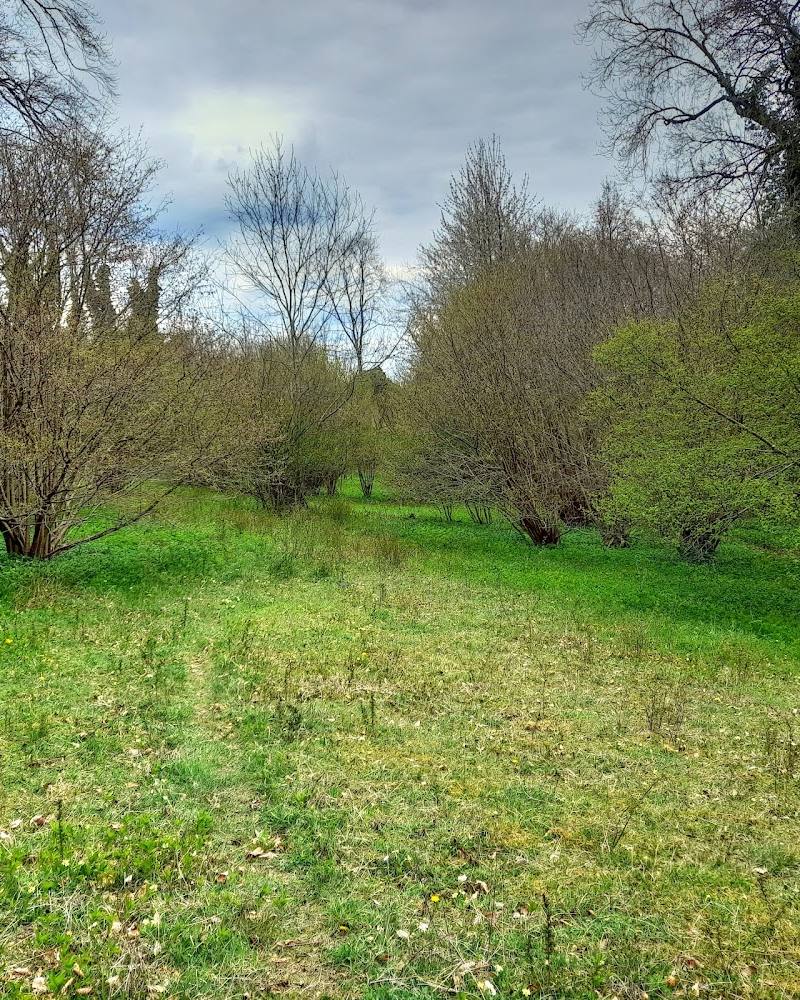
Keep exploring
Around Downe Bank
Within 50 km · approximate straight-line distances