Featherbed Lane, New Addington, Croydon, CR0 0JS
Chapel Bank
Mixed-habitat reserve
Source image
7.0
Wildland
1–2 hours
Time
Check
Cost
Wild
Feel
Why it's Wildland
7.0A 13-hectare chalk-valley reserve where ancient woodland, scrub and flower-rich grassland meet on the southern edge of London.
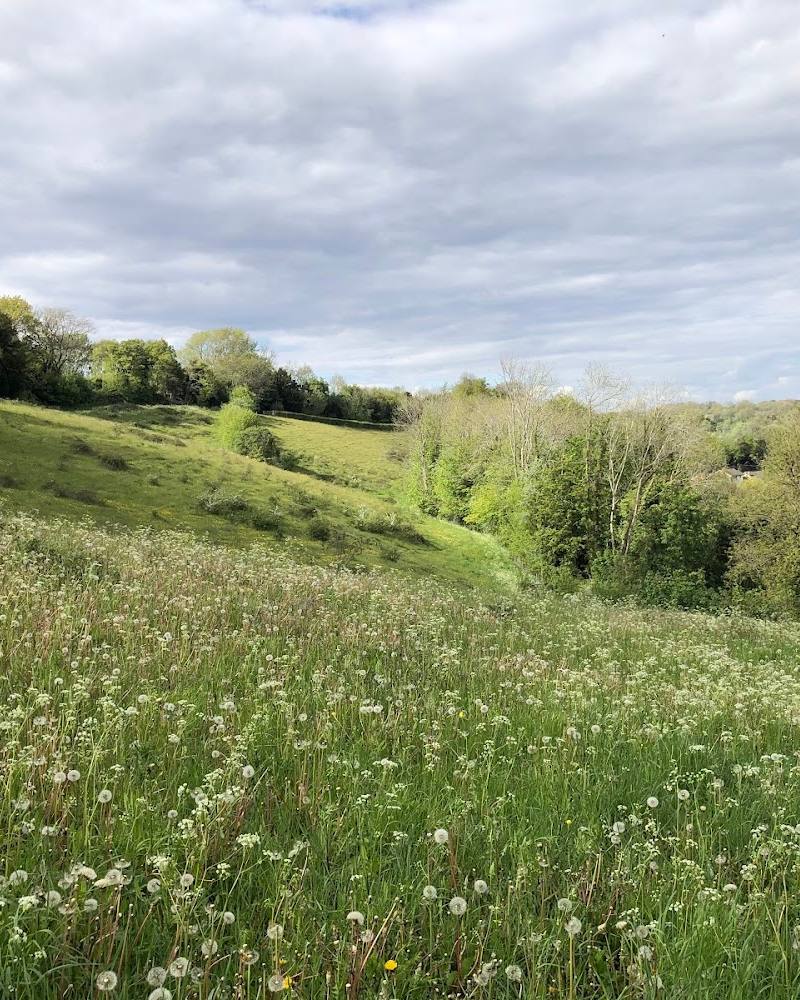
Chapel Bank earns its place through a rare mix of chalk grassland, ancient woodland and seasonal wildflowers—not simply because it is green space. Come between April and July for orchids, bluebells and butterflies, and take care on the busy approach road.
Wild · Peaceful · Seasonal
Find your way
Open mapFeatherbed Lane, New Addington, Croydon, CR0 0JS
Opening map…
Know this place a little better?
The experience
Explore a London Wildlife Trust reserve of chalk grassland, woodland and scrub. In spring and summer, look for wildflowers and butterflies; keep dogs on leads and take care on the busy road approach.
Things to do
Look for chalk-grassland flowers
In spring and summer, scan the reserve’s chalk grassland for orchids, common twayblade, oxeye daisy and yellow-rattle.
20–40 minutes
Watch for butterflies
Look for butterflies among the wildflowers and grassland. The Trust lists dark green fritillary, small skipper and marbled white among the reserve’s species.
Seasonal; allow time to pause and observe
Notice the change from grassland to woodland
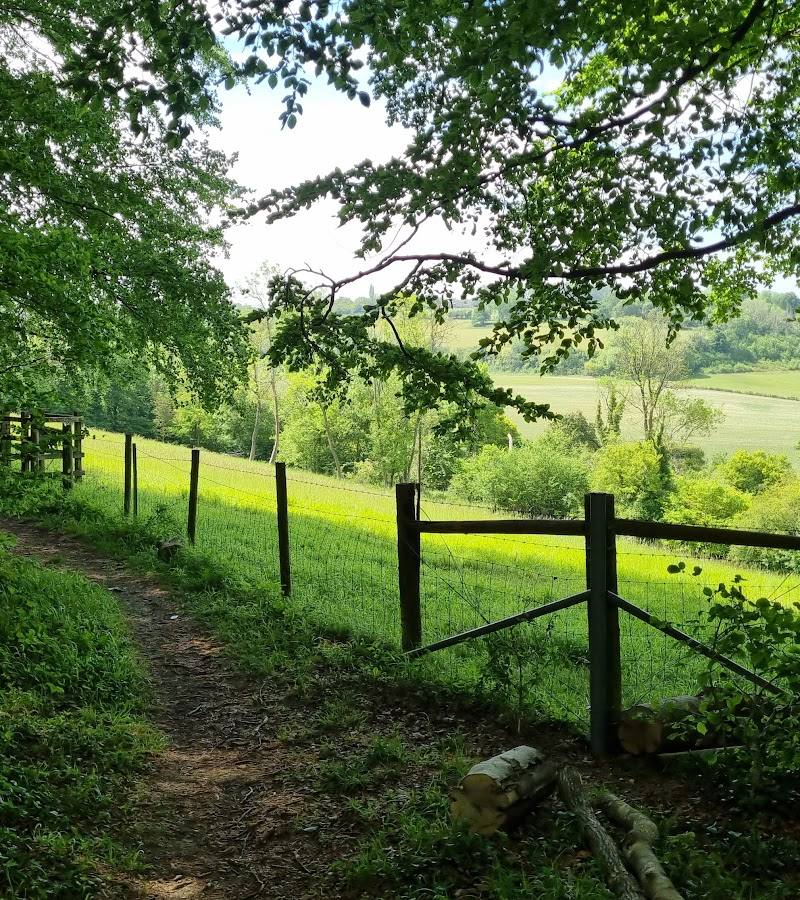
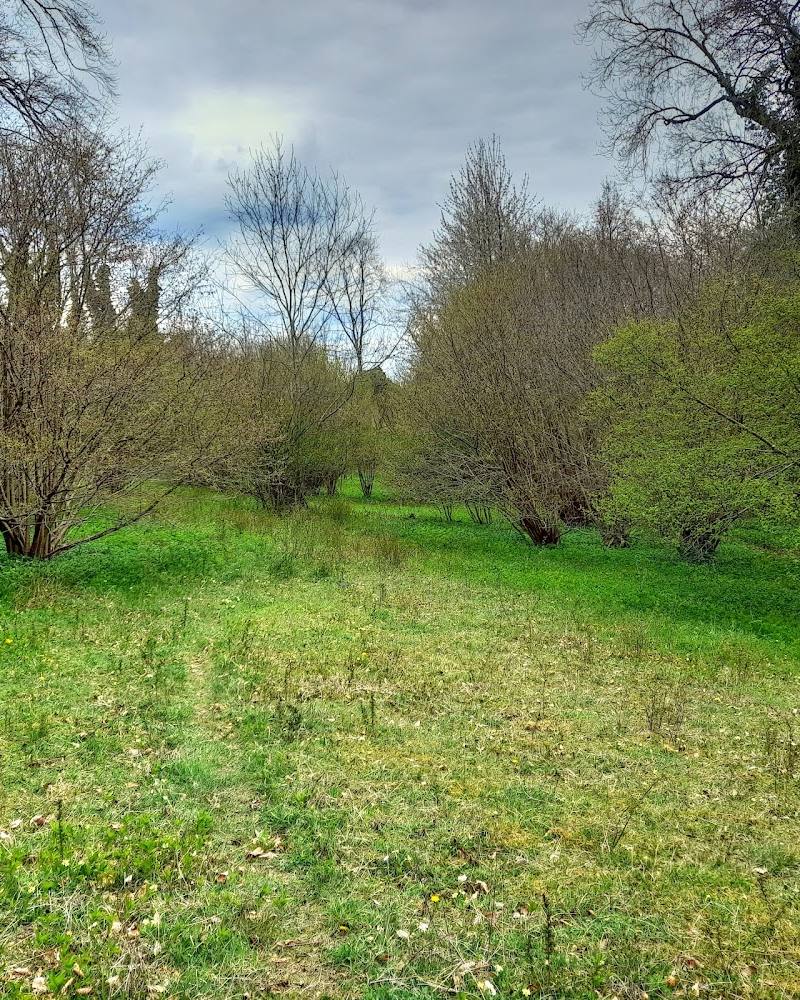
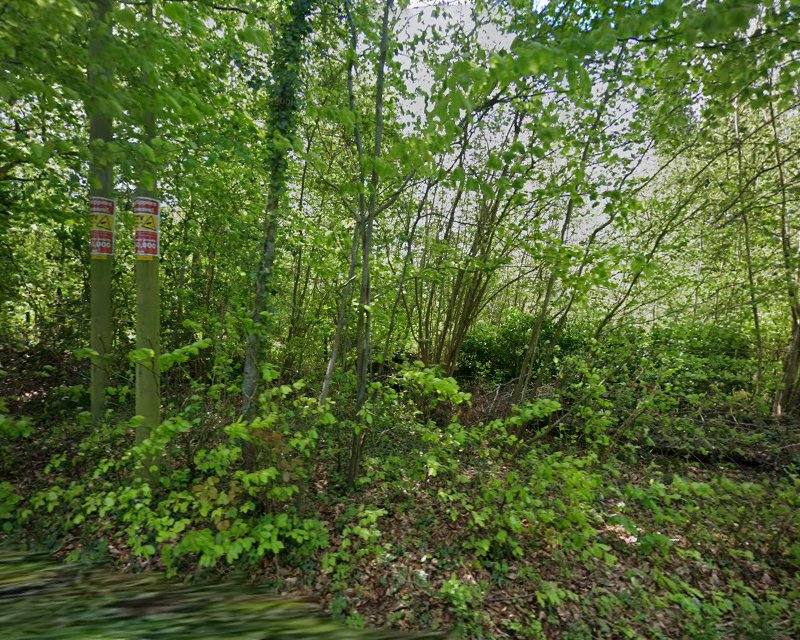
Take in the reserve’s combination of ancient woodland, scrub and open chalk grassland rather than treating it as a single uniform habitat.
20–40 minutes
Make a day of it
Quick escape · About 1 hour; suggested, not an officially timed route
Quick Escape: chalk grassland and wildflowers
- 01
Use the reserve’s Featherbed Lane location as your destination and check current access details before setting out.
- 02
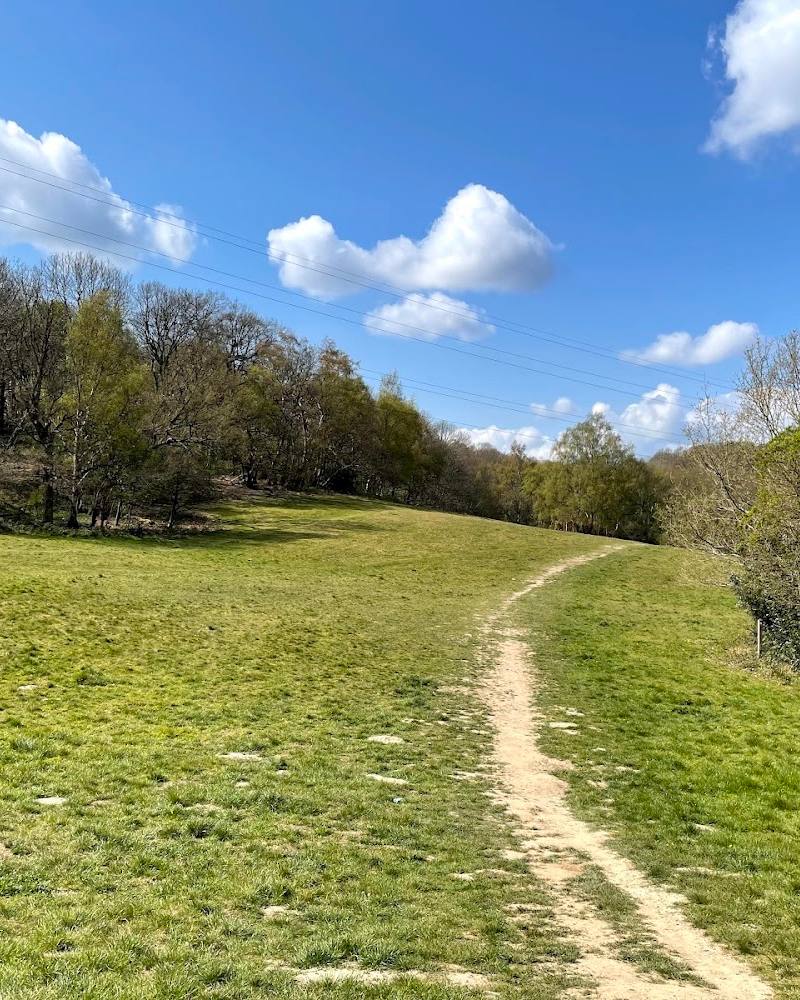
Walk the accessible paths through the reserve, taking in the open chalk grassland and woodland edge.
- 03
In April–July, look for orchids and other wildflowers; keep dogs on leads.
Half day · Half day; suggested, not an officially timed route
Make a half day of it: take time over the reserve’s habitats
- 01
Visit in the April–July season identified by London Wildlife Trust.
- 02
Explore the chalk grassland, scrub and ancient woodland at a relaxed pace, watching for flowers and butterflies.
- 03
If extending the outing to nearby Hutchinson’s Bank or Threecorner Grove, check their access and routes separately before travelling.
Verified history
London Wildlife Trust began managing Chapel Bank in 1984. The reserve lies in a wider area where chalk grassland is an internationally important habitat, associated with shallow, lime-rich, nutrient-poor and free-draining soils. The available sources do not establish a more detailed history of the site.
Hidden details
A reserve with several distinct habitats — The reserve includes ancient woodland, scrub and chalk grassland. Look for the transition between the open flower-rich areas and the wooded parts.
A notable butterfly list — The Trust lists dark green fritillary, small skipper and marbled white among Chapel Bank’s species. A sighting is not guaranteed.
When to go
April · May · June · July · No specific time of day is stated by the reserve manager. For butterfly watching, a bright, calm spell is a practical choice, but sightings are not guaranteed.
London Wildlife Trust identifies April to July as the best time to visit. This overlaps with the reserve’s stated season for wildflowers and butterflies.
No reserve-specific weather guidance is supplied. Check conditions before travelling; wet-weather path conditions are not documented.
Worth pairing with
Hutchinson’s Bank
A separate nearby London Wildlife Trust reserve with chalk grassland and butterfly habitat. Treat it as a separate visit and check its access and route information before combining the two.
Threecorner Grove
Named in the supplied reserve material as a neighbouring area that includes ancient woodland. The sources do not establish a recommended walking connection or itinerary from Chapel Bank.
What to look for
Look for orchids and other chalk-grassland flowers, including common twayblade, oxeye daisy and yellow-rattle. In the warmer months, watch for butterflies such as marbled white, small skipper and dark green fritillary. Notice the shift from open grassland and scrub to ancient woodland.
The story
Chalk grassland conservation
Best time to go
April–July, when wildflowers and butterflies are in season.
April to July is the reserve’s stated best visiting period. Choose a bright, calm day for the best chance of seeing butterflies; exact species activity varies with conditions.
How long to spend
1–2 hours
Perfect for
Walkers · Wildlife lovers · Photographers
Before you go
Address
Phone
Website
Listed hours
- Monday: Open 24 hours
- Tuesday: Open 24 hours
- Wednesday: Open 24 hours
- Thursday: Open 24 hours
- Friday: Open 24 hours
- Saturday: Open 24 hours
- Sunday: Open 24 hours
Check before visiting.
Practical information
Opening & access
London Wildlife Trust says the reserve is open at all times. Access from Threecorner Grove involves a narrow winding road with busy traffic. Street parking is available in North Downs Road and Thorpe Close. Bus 64 or 664 serves Kennelwood Crescent; New Addington tram stop is a 20-minute walk away.
Parking
Street parking is available in North Downs Road and Thorpe Close. No dedicated car park is confirmed.
Toilets
Check before visiting
Check before visiting
Food & drink
Check before visiting
Check before visiting
Dogs
Dogs must be kept on a lead.
Accessibility
The approach from Threecorner Grove includes a narrow winding road with busy traffic. Surface, gradients and step-free access are not specified; check with London Wildlife Trust before visiting if access requirements matter.
Check before visiting
Cost
Check before visiting
Check before visiting
Gallery
Place photographsKeep exploring
Around Chapel Bank
Within 50 km · approximate straight-line distances