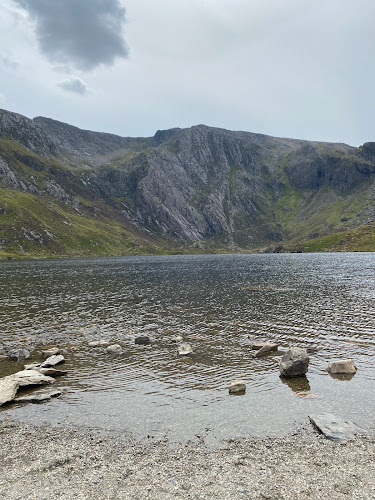
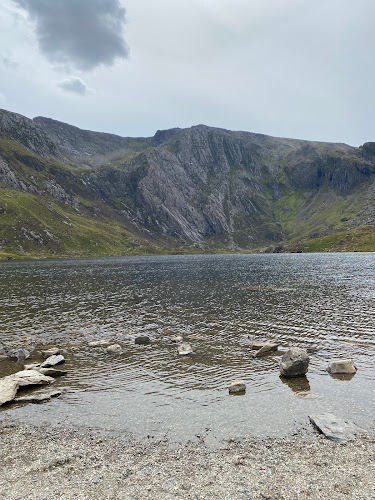
On the east bank of the Conwy estuary, North Wales
RSPB Conwy
Mixed-habitat reserve
Source image
7.6
Wildland
1–2 hours
Time
Paid
Cost
Peaceful
Feel
Why it's Wildland
7.6Built from material excavated for the A55 road tunnel, this wetland reserve opened in 1995 and has become a haven for birds beside the Conwy estuary.
The compelling contrast here is between its engineered beginnings and its living wetland: lagoons, reedbed, saltmarsh and estuary edge now support roosting and feeding birds, with the Carneddau beyond.
Peaceful · Wild · Big-sky
Find your way
Open mapOn the east bank of the Conwy estuary, North Wales
Opening map…
The experience
Allow 1–2 hours for the circular trails. Walk the reedbed boardwalk, scan both lagoons for birds, then follow the estuary edge for mudflat, saltmarsh and mountain views. Check tide and current reserve information before visiting.
Things to do
Walk the reedbed boardwalk
Follow the boardwalk through the reedbed; listen for Reed Warblers in summer and look for Water Rails in winter.
Check trail length on arrival
Scan the lagoons for waders
Watch the two lagoons for waders and waterbirds. The RSPB says these are especially rewarding from August to March and at high tide.
Look for orchids and visiting insects
In summer, search the grassland and scrub for orchids, including Bee Orchid and the rare coccinea form of Early Marsh-orchid; temporary pools attract dragonflies and butterflies.
Follow the estuary-edge trail
Take in mudflats and saltmarsh with the Carneddau mountains beyond.
Watch for a winter starling murmuration
The RSPB recommends a late winter afternoon for the chance to see starlings gather to roost in the reedbeds. This is a seasonal possibility, not a guaranteed sighting.
Make a day of it
Quick escape · 1–2 hours
Quick escape: reedbed and lagoons
- 01
Start at the visitor centre and check which trails are suitable on the day.
- 02
Follow the boardwalk through the reedbed.
- 03
Pause at viewing points to scan the two lagoons for birds.
- 04
If time allows, continue to the estuary edge before returning.
Half day · Half day
Make a half day of it: follow the wetland story
- 01
Check the day’s trail advice and, if birdwatching is your priority, plan around high tide.
- 02
Walk the boardwalk through the reedbed and spend time watching the lagoons.
- 03
Continue through scrub and grassland, looking for seasonal orchids, dragonflies and butterflies.
- 04
Finish along the estuary edge, with views over mudflats and saltmarsh towards the Carneddau.
- 05
Take a break at the reserve café if it is open.
Full Wildland day · Full day
A wetland morning and a historic Conwy afternoon
- 01
Spend the morning following the reserve trails and watching the lagoons and estuary.
- 02
Continue to Conwy for its castle, medieval town walls and historic landmarks.
- 03
Check entry, opening arrangements and travel between stops before visiting.
Verified history
The reserve was created from material excavated during construction of the A55 road tunnel, which took place between 1986 and 1991. It opened to the public in 1995. The RSPB shaped the resulting landscape into reedbed, woodland, grassland and scrub, with two lagoons and islands for birds.
Hidden details
A lagoon that changes through the year — The RSPB manages lagoon water levels to help birds: rainfall and pumped water fill the lagoons, while natural evaporation and transpiration can lower the water by up to 1 cm a day. By mid-July, the exposed mud can provide food for waders passing south from northern Europe.
The islands are managed for birds — The RSPB cuts vegetation on the lagoon islands each autumn to make them suitable for roosting Curlews and Redshanks and grazing Wigeons; it also reshapes the islands to maintain muddy feeding edges.
When to go
August · September · October · November · December · January · February · March · June · July · High tide for estuary waders gathering on the lagoon islands; late winter afternoon for a possible starling murmuration.
The lagoons attract waders and waterbirds particularly from August to March, with high tide bringing birds in from the estuary. Summer is the time to look for reedbed birds, orchids, dragonflies and butterflies. Winter can bring starling roost displays.
Bad weather can leave large puddles on trails. Ask the welcome team which paths to avoid; the Ganol route is unsuitable for wheelchairs and prams.
Worth pairing with
Conwy historic town
Pair the wetland reserve with Conwy’s castle, medieval town walls and historic landmarks for a nature-and-heritage day. Check current access and opening details.
What to look for
Watch for Reed Warblers in the reedbed in summer and Water Rails in winter. Look for the rare coccinea form of Early Marsh-orchid and Bee Orchids in summer, and scan the lagoons for waders and waterbirds, especially from August to March.
The story
A wetland reserve formed from material excavated during construction of the A55 road tunnel; opened to the public in 1995.
Best time to go
August–March for waders and waterbirds; summer for reedbed birds, orchids, dragonflies and butterflies. Winter brings the possibility of a starling murmuration.
For waders, visit around high tide, when birds move from the estuary to roost and feed on the lagoon islands. A late winter afternoon may bring a starling murmuration; sightings are not guaranteed.
How long to spend
1–2 hours
Perfect for
Wildlife lovers · Birdwatchers · Families · Walkers · Photographers
Practical information
Opening & access
RSPB reserve with visitor trails and facilities. The official reserve page lists opening hours of 9am–5pm; check current charges and visiting information before setting out.
Check before visiting
Parking
On-site parking; the RSPB lists eight Blue Badge spaces. Other parking areas have a gravel surface.
Toilets
Two accessible toilets beside the café, listed as open daily from 9am–5pm. Check current arrangements before visiting.
Check before visiting
Food & drink
Café on site; current opening and service details should be checked before visiting.
Check before visiting
Dogs
Check current reserve rules and signage before visiting.
Check before visiting
Accessibility
The RSPB says most visitor trails are pushchair-friendly. The Grey Heron Trail is not suitable for wheelchairs or prams on the Ganol route; use the outer path. Bad weather can leave large puddles. Two manual wheelchairs and two mobility scooters are available to hire; call ahead to reserve a scooter.
Cost
Paid
Water
Lagoons, reedbed, estuary mudflats and saltmarsh. No swimming or paddling permission is evidenced.
Gallery
Place photographsKeep exploring
Around RSPB Conwy
Within 50 km · approximate straight-line distances