Durham Wildlife Trust, Mallard Way, Chilton Moor, Houghton-le-Spring DH4 6PU
Rainton Meadows Nature Reserve
Mixed-habitat reserve
Place photograph
6.8
Wildland
1–2 hours
Time
Free entry
Cost
Family-buzz
Feel
Why it's Wildland
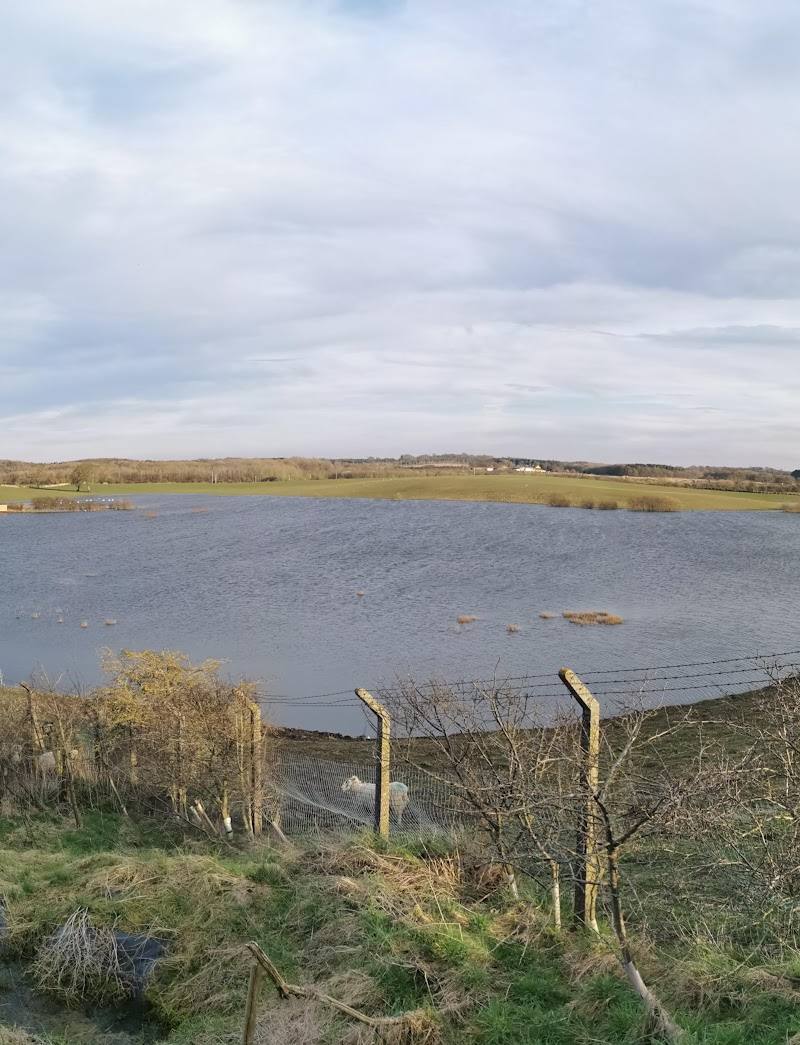
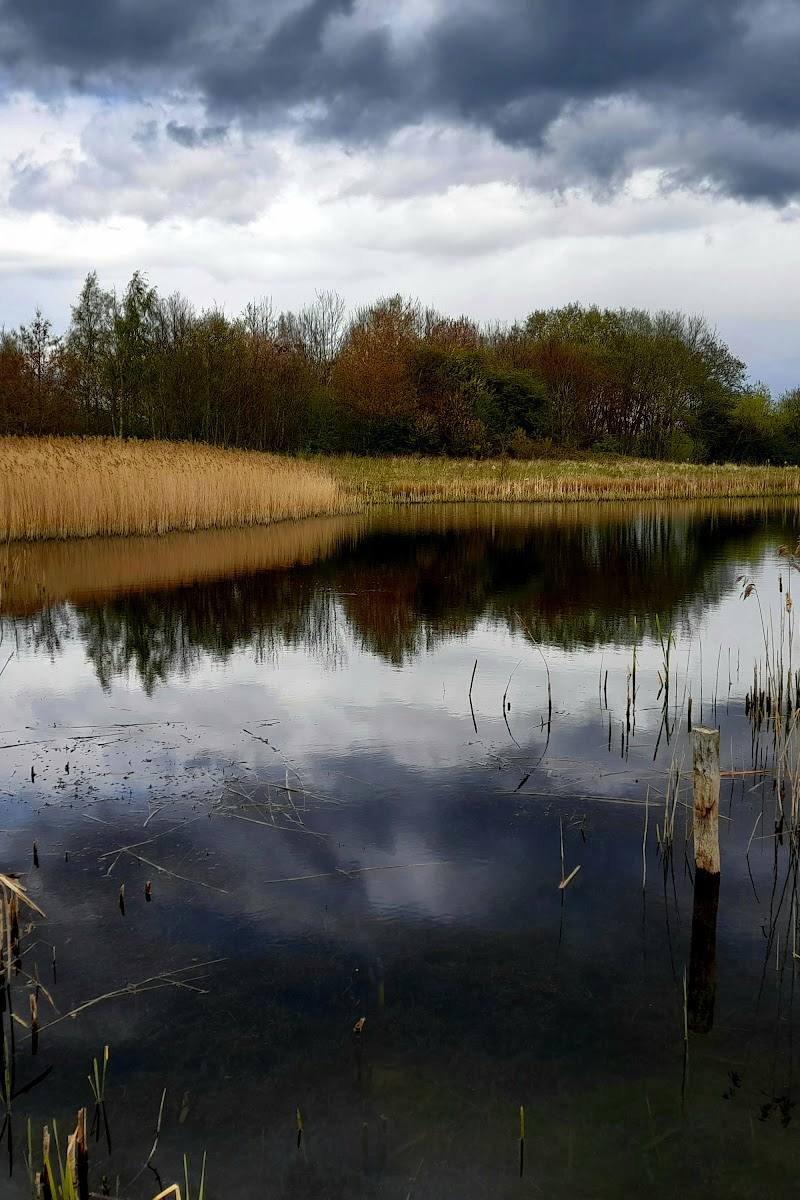
6.8A former opencast coal mine, restored from 1996 into a 100-hectare patchwork of wetlands, woodland and wildflower meadows.
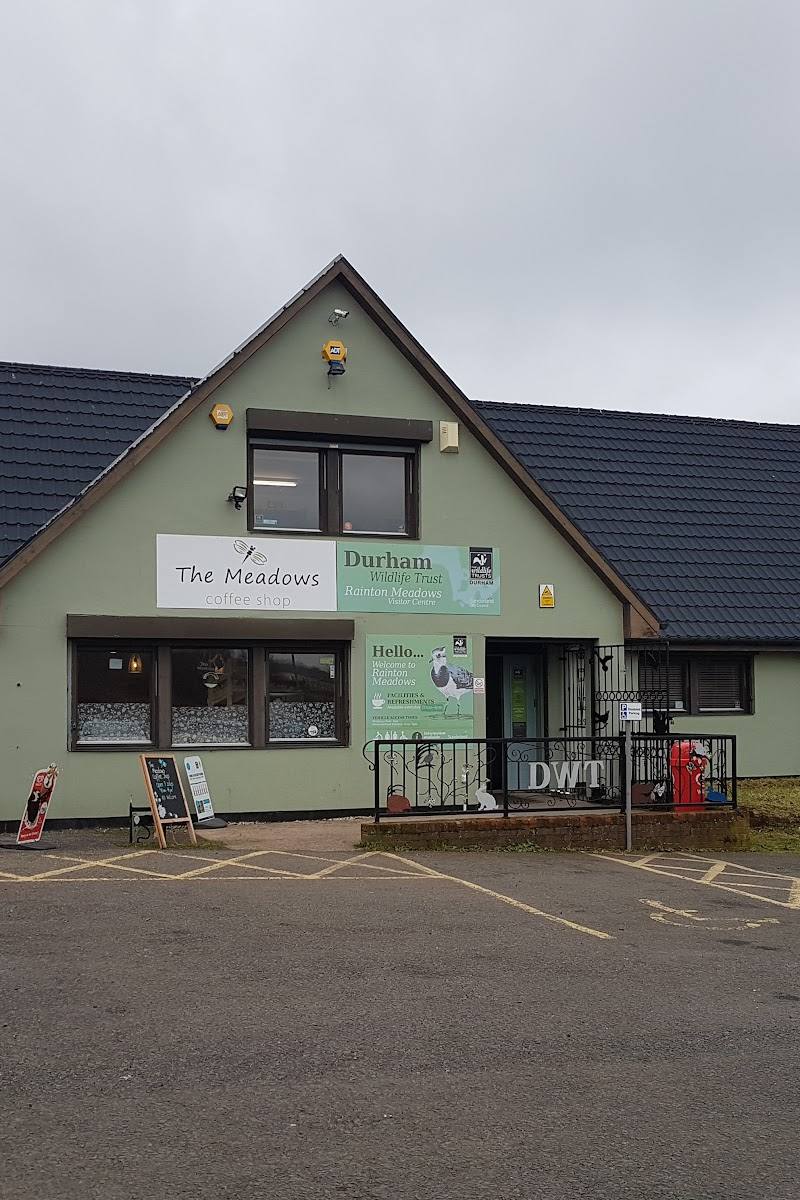
Rainton Meadows makes a compelling local nature day from a reclaimed industrial landscape: surfaced level paths reach the lakeshore and bird hide, while wetland, grassland and woodland habitats support varied wildlife. It is well equipped for a practical visit, though its visitor centre and play area give it a busier, family-day-out character than a remote reserve.
Family-buzz · Peaceful
Find your way
Open mapDurham Wildlife Trust, Mallard Way, Chilton Moor, Houghton-le-Spring DH4 6PU
Opening map…
Know this place a little better?
The experience
Start at the visitor centre, then take the surfaced level paths towards the lakeshore and bird hide. Give yourself time to watch and listen across the wetlands; finish with the on-site coffee shop if open. Check current facilities and access details before setting out.
Things to do
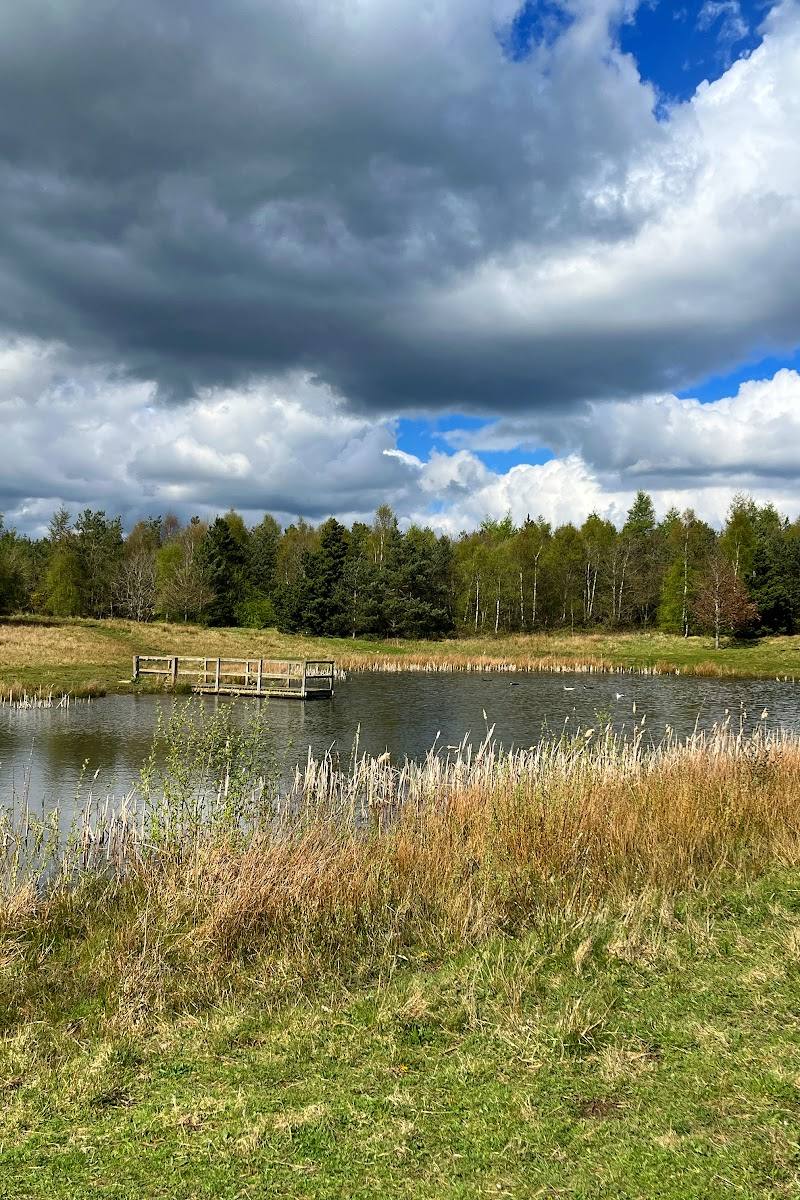
Walk to the lakeshore and bird hide
Use the surfaced level paths described by Durham Wildlife Trust to reach the lakeshore and bird hide. Confirm current route access on arrival.
Watch for wetland birds
Take time at a viewing area or bird hide to scan the wetlands. Durham Wildlife Trust lists the reserve as supporting a mixture of wetland, grassland and woodland habitats; named birds in the supplied research include redshank, oystercatcher, lapwing and little ringed plover.
Explore the restored mine landscape
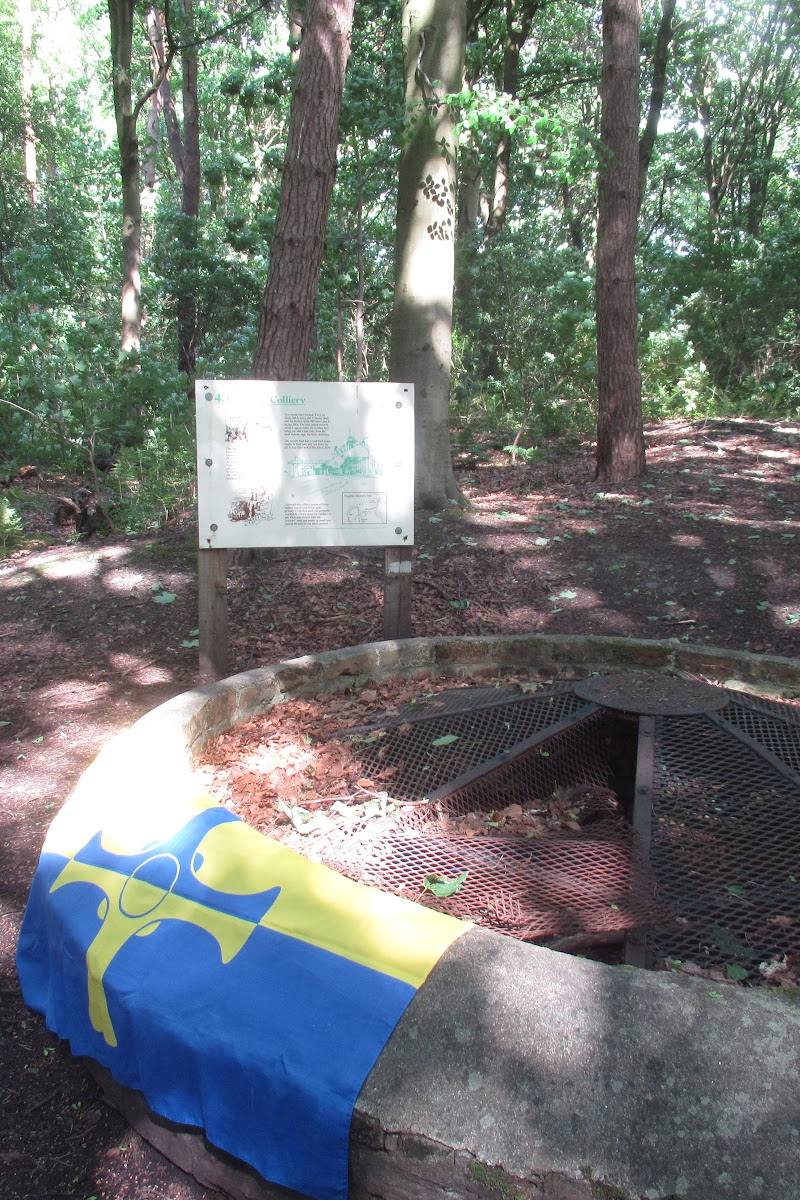
Notice the contrast between the reserve’s wetlands, woodland and wildflower meadows and its origin as the Rye Hill opencast coal mine, restored from 1996.
Make a day of it
Quick escape · 1–2 hours
Quick Escape: Lakeshore and bird hide
- 01
Begin at the visitor centre.
- 02
Follow the surfaced level paths towards the lakeshore and bird hide.
- 03
Pause to watch the wetland and return the way you came; check current path access and opening information before setting out.
Half day · Half day
Make a half day of it: Wetlands, wildlife and coffee
- 01
Start at the visitor centre and check which paths and facilities are open.
- 02
Explore the accessible routes linking viewing areas, the lakeshore and bird hide.
- 03
Take time to look across the reserve’s wetland, grassland and woodland habitats.
- 04
Finish with refreshments at the on-site coffee shop if it is open.
Verified history
Rainton Meadows was created through restoration of the Rye Hill Opencast coal mine. Durham Wildlife Trust says UK Coal, the Trust and the City of Sunderland worked in partnership on the restoration in 1996. The supplied source does not give further historical detail.
Hidden details
A mine transformed into mixed habitat — The reserve’s wetlands, woodlands and wildflower meadows occupy a landscape restored from the Rye Hill opencast coal mine.
Birdlife across the wetland — The supplied research names redshank, oystercatcher and lapwing as regularly seen, and little ringed plover among the less usual birds reported.
When to go
March · April · May · June · July · August · September · No specific best time of day is stated in the supplied sources. Check current visitor-centre and vehicle-access hours before visiting.
Durham Wildlife Trust recommends March to July and June to September. The supplied sources do not explain the seasonal recommendations further.
Weather-specific guidance is not provided. Check the forecast and current path conditions before travelling.
What to look for
Look across the wetland and grassland for birds, and notice how woodland, meadow and wetland habitats sit within a landscape restored from an opencast mine. The sources name redshank, oystercatcher, lapwing and little ringed plover among birds recorded or regularly seen.
The story
Landscape restoration following the closure and restoration of the Rye Hill opencast coal mine.
Best time to go
March–September, with spring and summer recommended by Durham Wildlife Trust.
Durham Wildlife Trust recommends March to July and June to September. A calm morning is a sensible choice for watching wildlife, but no specific time-of-day guidance is provided by the sources.
How long to spend
1–2 hours
Perfect for
Families · Young children · Walkers · Wildlife lovers · Birdwatchers · Dogs
Before you go
Address
Phone
Website
Listed hours
- Monday: 10am-4pm
- Tuesday: 10am-4pm
- Wednesday: 10am-4pm
- Thursday: 10am-4pm
- Friday: 10am-4pm
- Saturday: 10am-4pm
- Sunday: 10am-4pm
Check before visiting.
Google rating
Practical information
Opening & access
Durham Wildlife Trust describes the reserve as accessible all year. The visitor centre and vehicle access are listed as 9.30am–4.30pm daily; check current details before travelling.
Check before visiting
Parking
Ample parking is available. Durham Wildlife Trust suggests a £2.50 donation for non-members; check current arrangements before visiting.
Check before visiting
Toilets
Toilets and an accessible toilet are listed by Durham Wildlife Trust.
Food & drink
An on-site coffee shop serving food and drinks is listed by Durham Wildlife Trust; listed opening hours are 10am–4pm daily. Check before visiting.
Check before visiting
Dogs
Dogs must be kept on a lead, according to Durham Wildlife Trust.
Accessibility
Durham Wildlife Trust reports wheelchair access to the visitor centre, accessible toilets, and surfaced level paths to the lakeshore and bird hide. Some reserve paths or areas may differ; check with the reserve for specific access needs.
Check before visiting
Cost
Free entry; a suggested £2.50 parking donation for non-members is listed by Durham Wildlife Trust.
Water
Lakes and wetlands; swimming or paddling permission is not evidenced.
Gallery
Place photographs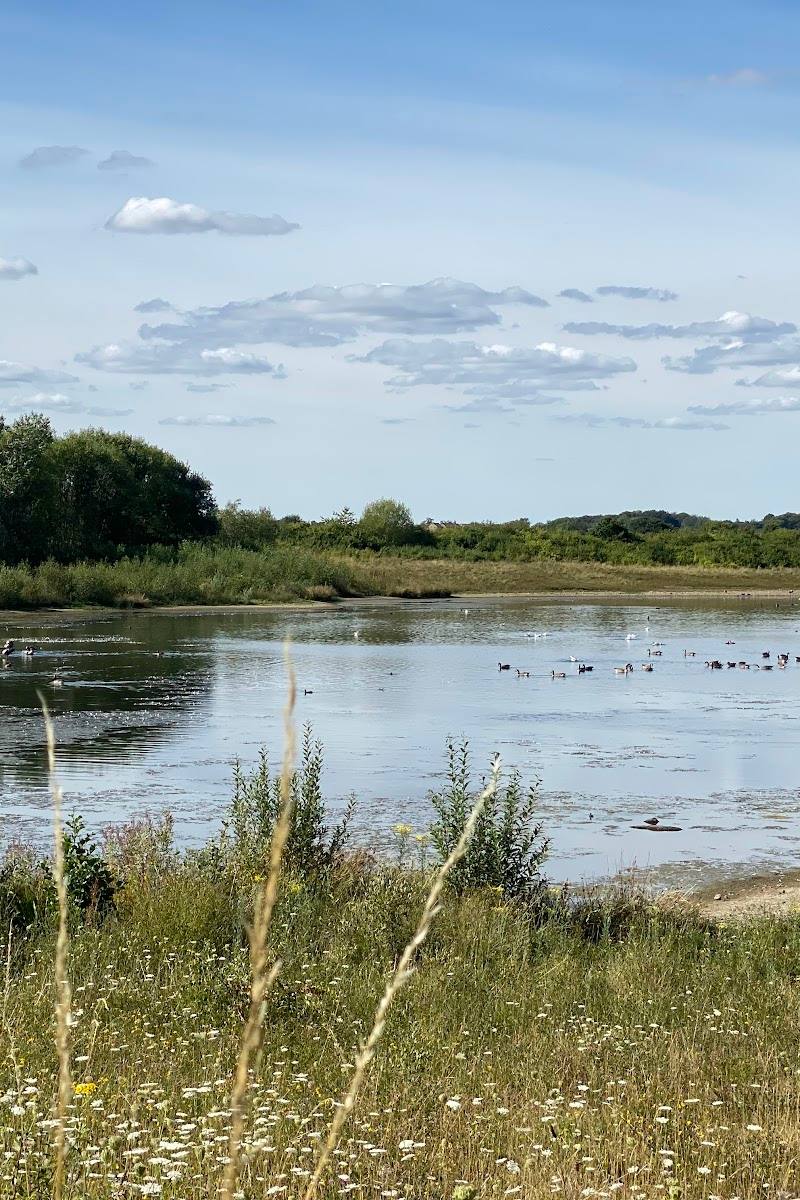
Keep exploring
Around Rainton Meadows Nature Reserve
Within 50 km · approximate straight-line distances