Church Bank, Jarrow, Tyne and Wear, NE32 3DY
St Paul’s Monastery, Jarrow
Monastery
Place photograph
7.6
Wildland
Under 1 hour
Time
Free
Cost
Atmospheric
Feel
Why it's Wildland
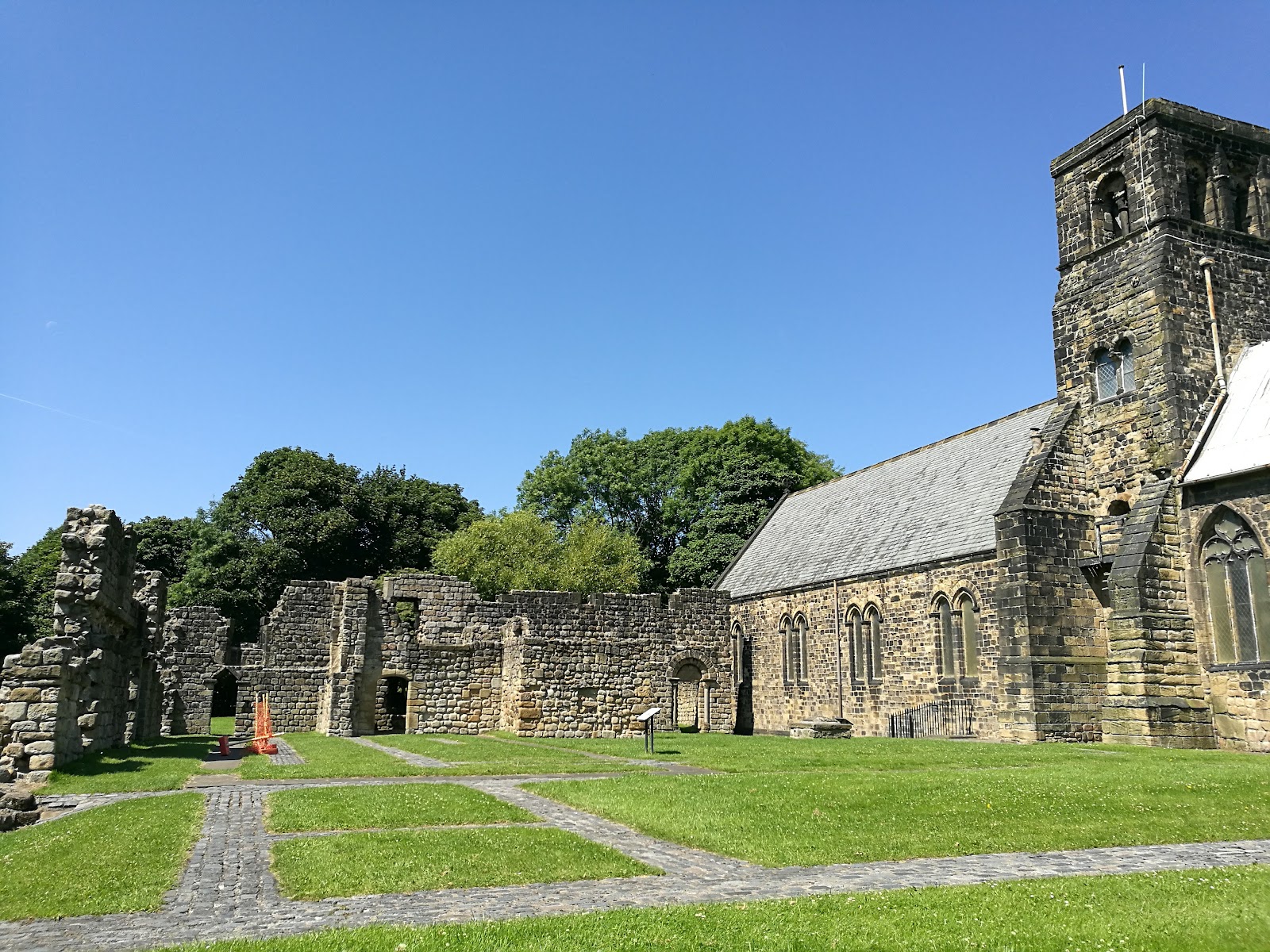
7.6Jarrow was a major centre of learning in seventh-century Europe. The surviving site brings together medieval monastery ruins and a rare Anglo-Saxon survival: the chancel of the neighbouring St Paul’s Church.
This is a compact historic site with an unusually deep story: Jarrow’s place in early medieval learning is still legible in the surviving ruins and the neighbouring church. It rewards a short, attentive visit rather than a long itinerary.
Atmospheric · Ancient-feeling
Find your way
Open mapChurch Bank, Jarrow, Tyne and Wear, NE32 3DY
Opening map…
Know this place a little better?
The experience
Allow less than an hour to see the monastery remains and consider their connection with the neighbouring church. The church’s opening times should be checked separately.
Things to do
Compare the medieval ruins with the Anglo-Saxon survival
See the monastery remains behind the church, then consider the chancel of St Paul’s Church, which English Heritage identifies as part of the earlier Anglo-Saxon monastery. Check church opening times before relying on entry.
Under 1 hour
Look for the seventh-century dedication stone
The neighbouring church is reported to contain a seventh-century dedication stone. Church access and opening times are separate from the ruins; check before visiting.
See finds and interpretation at Jarrow Hall
Tripadvisor’s visitor information says finds and information connected with the monastery can be viewed at nearby Jarrow Hall, which is not managed by English Heritage and charges admission. Check its current opening and admission details separately.
Make a day of it
Quick escape · Under 1 hour
Quick visit: monastery and church
- 01
Visit the monastery ruins behind St Paul’s Church during daylight hours.
- 02
Look for the contrast between the medieval remains and the church chancel, which preserves part of the Anglo-Saxon monastery.
- 03
If the neighbouring church is open, look for its seventh-century dedication stone; check its opening times before visiting.
Verified history
English Heritage describes Jarrow as one of Europe’s most influential centres of learning and culture in the seventh century. The remains visible at the monastery are medieval, while the chancel of the neighbouring St Paul’s Church survives from the Anglo-Saxon monastery. English Heritage also identifies the neighbouring church’s seventh-century dedication stone as a feature connected with the site’s history.
Hidden details
The earlier monastery survives in the church chancel — The standing monastery remains are medieval, but English Heritage identifies the chancel of the neighbouring St Paul’s Church as part of the Anglo-Saxon monastery.
A seventh-century dedication stone — The neighbouring church is reported to contain a seventh-century dedication stone. Check church opening times to find out whether it can be seen during your visit.
When to go
· During daylight hours; English Heritage says the ruins are open at any reasonable time during daylight.
The supplied official information gives daylight access rather than a seasonal visiting preference.
The site is mostly grassed, with some slopes and paths; wet or uneven conditions may affect comfort. Check conditions and accessibility before visiting.
Worth pairing with
Tynemouth Priory and Castle
English Heritage recommends pairing the site with Tynemouth Priory and Castle and lists it 3.3 miles away. It offers an interactive exhibition and views over the River Tyne and North Sea, according to the supplied official listing.
Jarrow Hall
A nearby place to see finds and information connected with the monastery, according to Tripadvisor’s supplied visitor information. It is not managed by English Heritage and admission charges apply; check details before visiting.
What to look for
Look for the contrast between the standing medieval monastery remains and the neighbouring church’s chancel, identified by English Heritage as a surviving part of the Anglo-Saxon monastery. The church also has a seventh-century dedication stone.
The story
Anglo-Saxon learning; medieval monastic history; Bede
Best time to go
Year-round; daylight hours. Check current access before visiting.
Visit during daylight hours; English Heritage describes the ruins as open at any reasonable time during daylight. Check current access before setting out.
How long to spend
Under 1 hour
Perfect for
History lovers · Families
Before you go
Address
Phone
Website
Listed hours
- Monday: 9am-5pm
- Tuesday: 9am-5pm
- Wednesday: 9am-5pm
- Thursday: 9am-5pm
- Friday: 10:30am-3:30pm
- Saturday: 10:30am-3:30pm
- Sunday: 10:30am-3:30pm
Check before visiting.
Google rating
Practical information
Opening & access
English Heritage says the ruins are open at any reasonable time during daylight hours and entry is free. Check access and the neighbouring church’s opening times before travelling.
Check before visiting
Parking
English Heritage says car parking is available at the site. Confirm current arrangements before travelling.
Toilets
Check before visiting
Check before visiting
Food & drink
Check before visiting
Check before visiting
Dogs
Check before visiting
Check before visiting
Accessibility
English Heritage reports limited disabled access; the site is mostly grassed, has some slopes and some paths. Check suitability before visiting.
Check before visiting
Cost
Free
Gallery
Place photographsKeep exploring
Around St Paul’s Monastery, Jarrow
Within 50 km · approximate straight-line distances
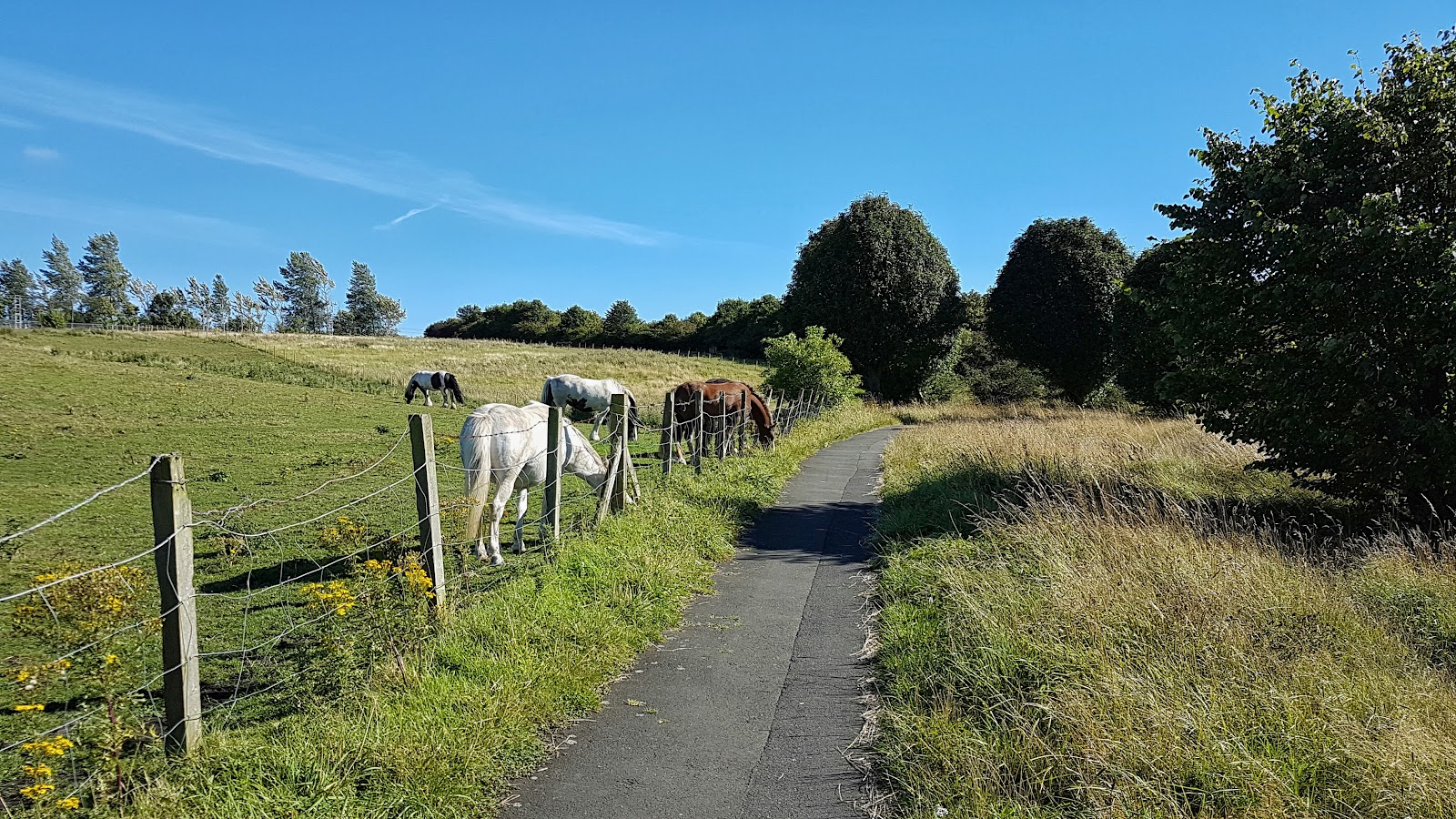 Place photograph5.2
Hebburn Riverside Park
Hebburn, south bank of the River Tyne, Tyne and Wear
4.1 km away

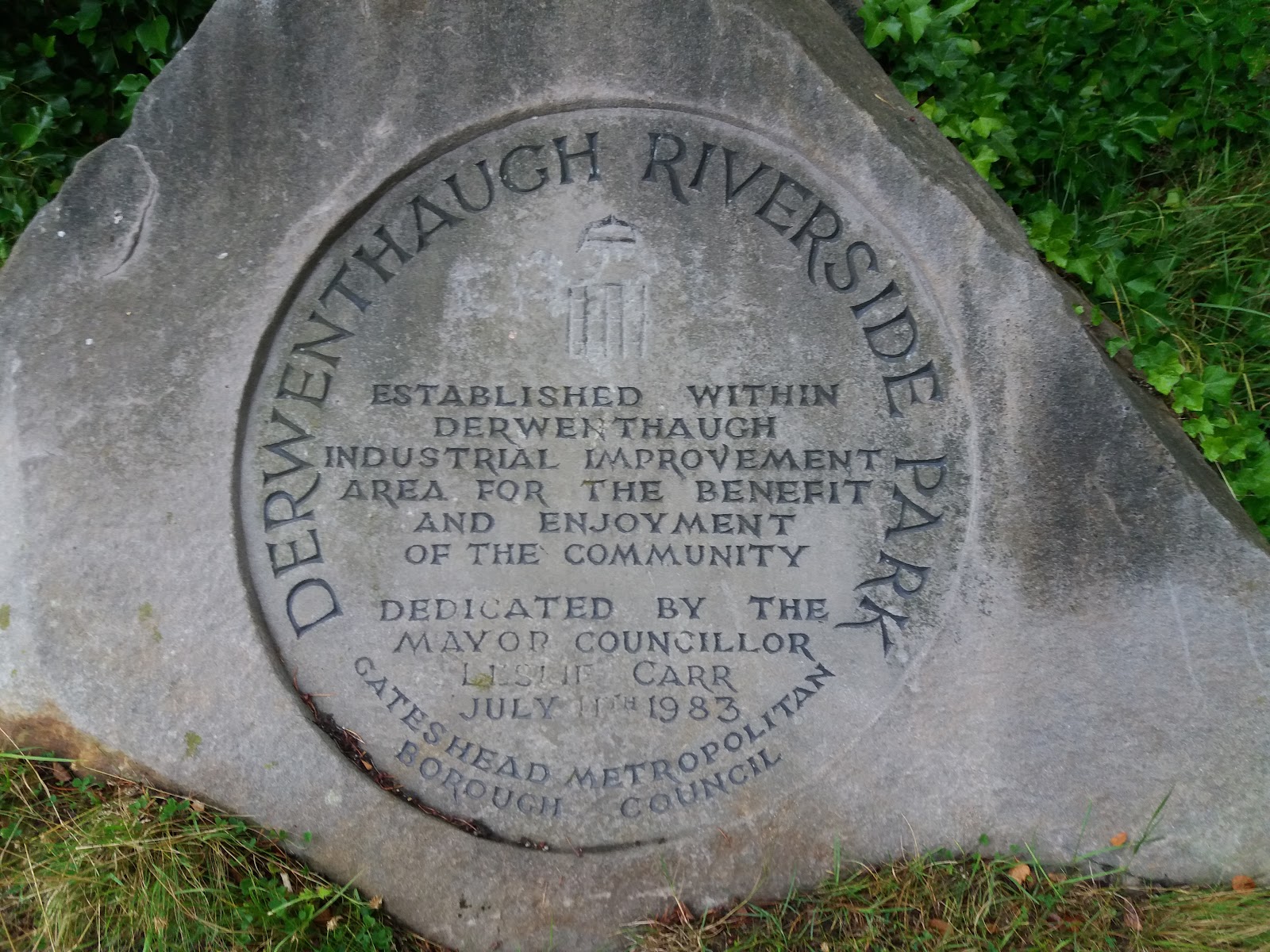 Place photograph5.2
Derwenthaugh Riverside Park
Derwenthaugh, Gateshead, on the River Derwent
13.7 km away
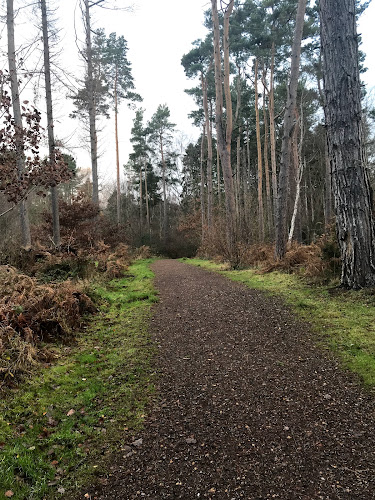 Source image5.8
Thornley Woods Sculpture Trail
Thornley Woods, near Rowlands Gill, County Durham
16.7 km away