Behind St Michael’s Church, Bishop Middleham, County Durham
Castle Lake, Bishop Middleham
Lake
Source image
6.2
Wildland
1–2 hours
Time
Check
Cost
Peaceful
Feel
Why it's Wildland
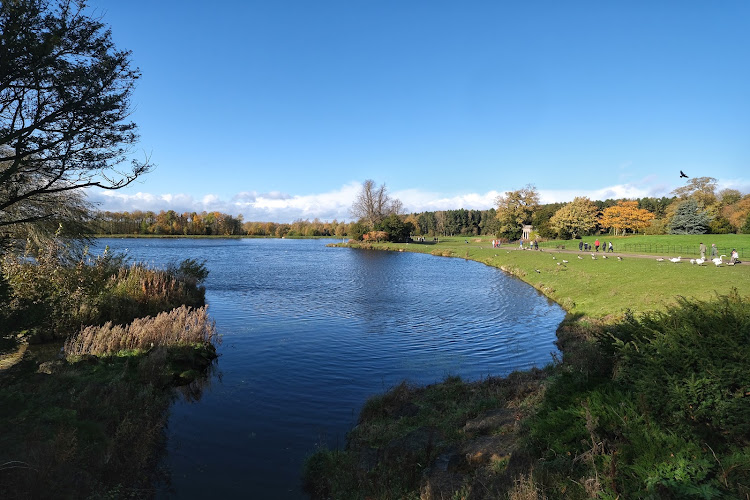
6.2A groundwater-fed lake that developed south of Bishop Middleham around two decades ago has become a wetland birding spot, with reedbeds, scrapes, ditches and islands.
Castle Lake earns its place for the contrast between a relatively recent, groundwater-formed lake and its rich wetland setting. Pair it with the sourced village-and-countryside trail, and look and listen for birds rather than expecting a developed visitor attraction.
Peaceful · Wild
Find your way
Open mapBehind St Michael’s Church, Bishop Middleham, County Durham
Opening map…
The experience
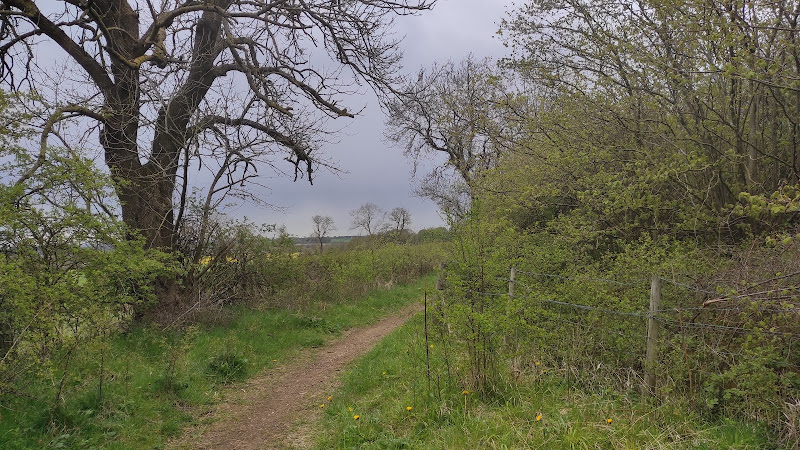
Visit for wetland birdwatching or include the lake as a stop on the Bishop Middleham and Skerne walking trail. The sourced trail is three miles and takes up to 2.5 hours; its grassy and surfaced sections can be muddy, steep and obstacle-strewn in places.
Things to do
Watch for wetland birds
Scan the lake’s reedbed, scrapes, ditches and islands. The birding guide reports waders, wildfowl and birds of prey, with nearly 200 species recorded in the area.
Listen for the lapwing
The trail guide recommends listening for the lapwing’s piercing “peewit” call, a useful clue while walking through the farmland and wetland landscape.
Follow the village-and-countryside trail
Walk the three-mile Bishop Middleham and Skerne route, which passes Castle Lake, the deer park wall and St Michael’s Church.
Up to 2.5 hours
Make a day of it
Quick escape · Allow time to reach and observe the lake; a standalone visit duration is not specified in the sources.
A short birdwatching stop
- 01
Check current access and parking information before travelling.
- 02
Use the described Church Street approach only if it is currently available and clearly signed.
- 03
Spend time scanning the lake’s reedbeds, scrapes, ditches and islands for birds.
- 04
Listen for the lapwing’s distinctive call.
Half day · Up to 2.5 hours; 4.5 km / 3 miles.
Bishop Middleham and the Skerne trail
- 01
Check the route guide and current parking arrangements; the guide suggests parking beside the village green.
- 02
Follow the Bishop Middleham and Skerne walking trail on public rights of way.
- 03
Pause at Castle Lake to look for wetland birds, including lapwing.
- 04
Continue to the deer park wall and St Michael’s Church, noted on the trail.
Verified history
Castle Lake began to develop south of Bishop Middleham as a result of groundwater flooding around two decades ago. A birding guide describes it as a 13-hectare water body. On the nearby walking trail, St Michael’s Church is dated to around 1230, and an ancient deer park wall is also identified. The supplied sources do not establish a detailed history of the nearby castle or confirm that ruins are accessible.
Hidden details
The lapwing’s other name — Listen for the lapwing’s sharp “peewit” call; the trail guide notes that this sound gives the bird its familiar alternative name.
A wall full of small habitats — The trail source says the old deer park wall has nooks and crannies that provide habitat for invertebrates, small mammals and birds.
When to go
March · April · May · September · October · November · December · January · February · No specific time of day is established by the supplied sources. Choose a time when access and weather are suitable.
The birding guide describes the site as good for birding all year and highlights spring migration, autumn migration and winter. It does not provide month-by-month species information.
The walking trail may be muddy in bad weather and includes some steep inclines. The birding guide notes that high water is possible. Check conditions before setting out.
The route
- stiles
- Barriers include gates, steps, stiles and some narrow bridges.
- surface
- Grassy paths and some surfaced tracks; the birding guide also notes paved road and narrow trail.
- distance
- 4.5 km / 3 miles for the Bishop Middleham and Skerne trail; a separate birding guide describes a 3.5 km circular route.
- duration
- Up to 2.5 hours for the Bishop Middleham and Skerne trail.
- difficulty
- Not formally graded by the trail source; it notes some steep inclines and muddy surfaces in bad weather. A birding guide describes the walk as average.
- waymarking
- Check the supplied trail guide or adventure guide for route directions; specific waymarking details are not stated in the source excerpt.
- route shape
- The trail source calls it a walking trail but does not specify whether it is circular. The birding guide separately describes a circular route.
- start point
- The trail guide suggests starting from the village green. A birding guide describes an alternative approach from a farm on Church Street.
- parking start
- The trail guide suggests parking alongside the green in the centre of the village. The birding guide describes parking at a farm on Church Street. Confirm current arrangements before travel.
- shorter alternative
- A standalone visit to the lake is described by the birding guide, but no verified shorter route or duration is supplied.
- Castle Lake
- Lapwing and other wetland birdlife
- The old deer park wall
- St Michael’s Church, dated to around 1230
Worth pairing with
St Michael’s Church and the deer park wall
Both are points of interest on the Bishop Middleham and Skerne walking trail. The guide dates the church to around 1230 and notes wildlife habitat in the wall’s crevices.
What to look for
Look across the reedbeds, scrapes, ditches and islands for wetland birds. Listen for the lapwing’s piercing “peewit” call, highlighted by the Bishop Middleham trail guide. The trail also passes an old deer park wall and St Michael’s Church.
The story
The wider landscape is associated with the Prince Bishops of Durham. The supplied trail source notes the nearby deer park wall and St Michael’s Church, which dates to around 1230.
Best time to go
Reported as a year-round birding site; spring and autumn migration and winter are highlighted as good times to visit.
The birding guide lists the site as worthwhile throughout the year, with spring, autumn migration and winter as notable periods. A calm visit may make it easier to watch and listen for birds; exact conditions vary.
How long to spend
1–2 hours
Perfect for
Birdwatchers · Walkers · Wildlife lovers · Photographers
Practical information
Opening & access
The lake is a point of interest on the Bishop Middleham and Skerne walking trail, which follows public rights of way. One birding guide describes access from Church Street, walking south to a hide in the south-west corner. Check current access and parking arrangements before setting out.
Check before visiting
Parking
Parking arrangements differ between the supplied sources: one suggests parking alongside the village green for the walking trail; another describes parking at a farm on Church Street. Check the route guide and local arrangements before travelling.
Check before visiting
Toilets
Check before visiting.
Check before visiting
Food & drink
The walking-trail guide says there are no places to buy refreshments on the route; bring drinks and snacks.
Dogs
Dogs should be kept under close control on the public-rights-of-way walking trail. Check local signage for site-specific rules.
Check before visiting
Accessibility
The wider trail includes grassy paths and surfaced tracks, with steep inclines, muddy sections in poor weather, gates, steps, stiles and narrow bridges. Check conditions and route suitability before visiting.
Check before visiting
Cost
Check before visiting
Check before visiting
Water
Lake with reedbed, scrapes, ditches and islands. Swimming or paddling permission is not evidenced; do not assume either is permitted.
Gallery
Place photographsKeep exploring
Around Castle Lake, Bishop Middleham
Within 50 km · approximate straight-line distances