Off the B4356 between Llanbister and Llangunllo, Powys, LD1 6UN
Tylcau Hill (Floss Brand)
Mixed-habitat reserve
Place photograph
6.3
Wildland
1–2 hours
Time
Check
Cost
Peaceful
Feel
Why it's Wildland
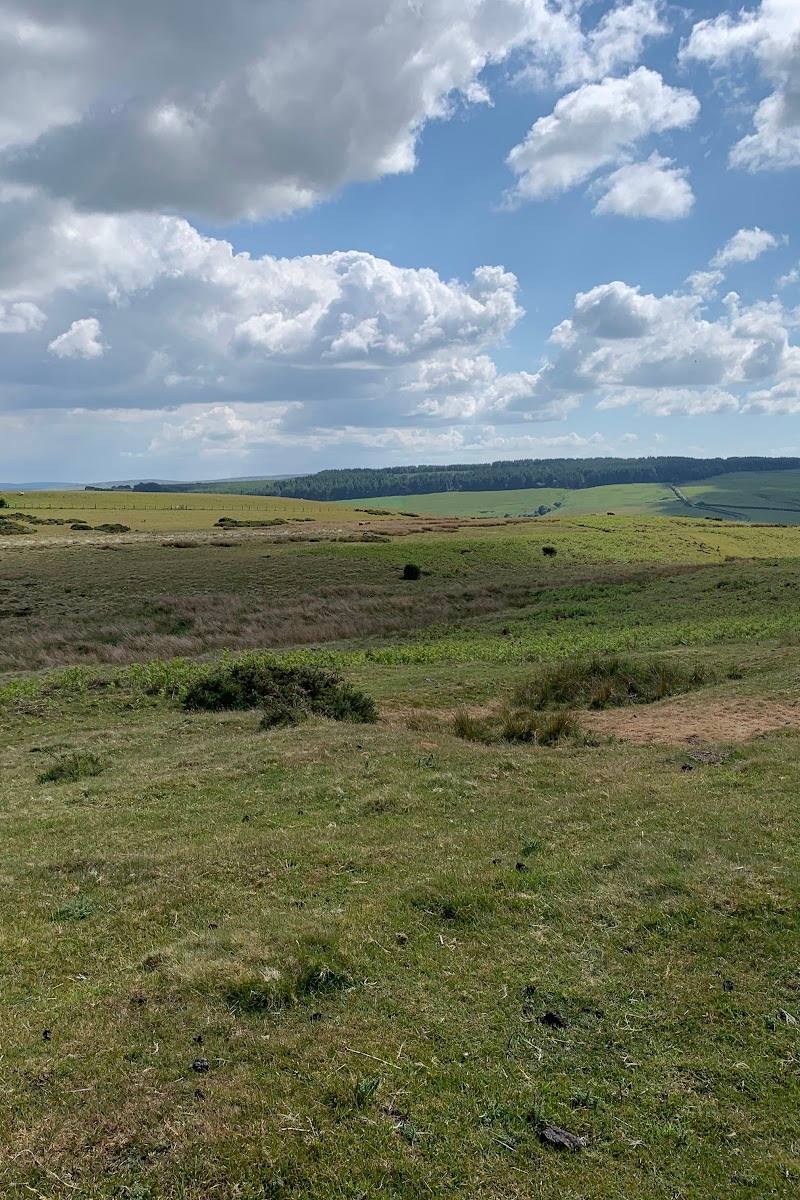
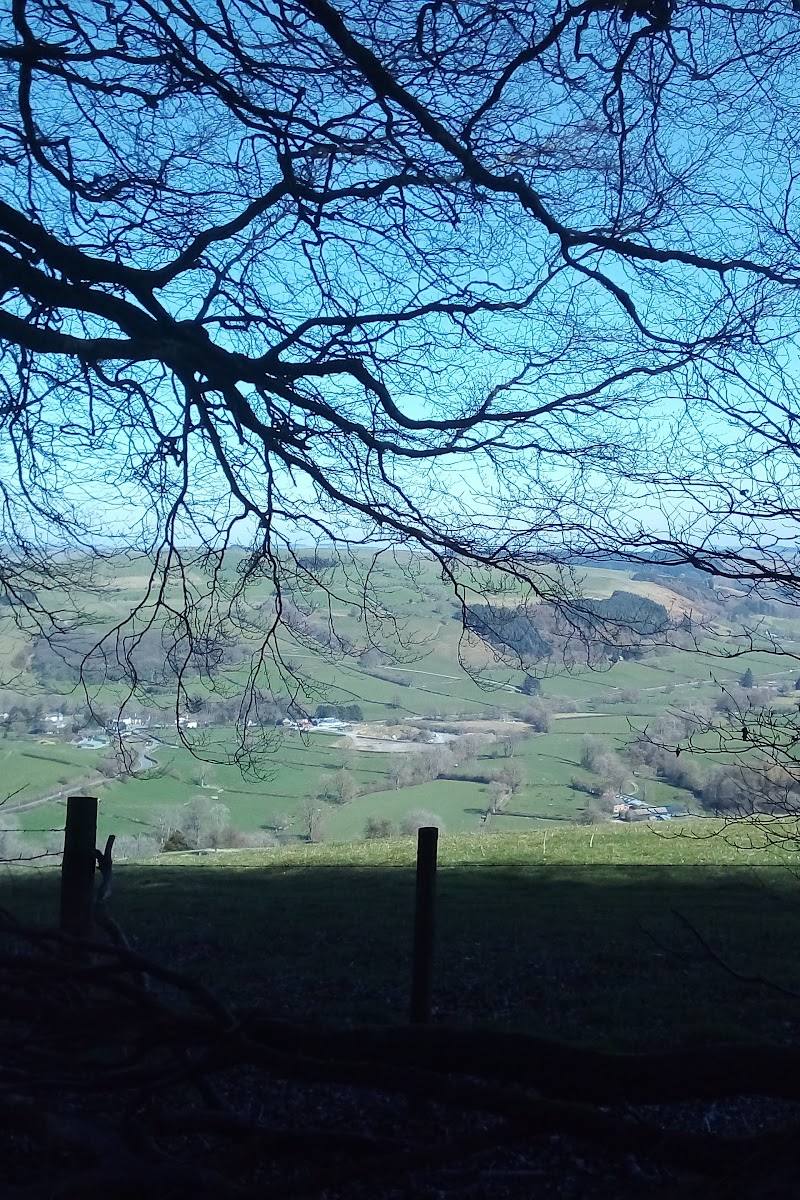
6.3A 39-hectare hillside reserve where wet grassland, flower-rich farmland and dingle woodland meet. Its waymarked circuit climbs through a landscape of mountain pansies, butterflies and old hedgerows.
Tylcau Hill earns its place through a distinctive Welsh habitat mosaic rather than a single headline attraction: rhôs pasture, woodland and flower-rich slopes support uncommon plants and butterflies, while a short steep circuit gives visitors a direct way into the reserve.
Peaceful · Wild
Find your way
Open mapOff the B4356 between Llanbister and Llangunllo, Powys, LD1 6UN
Opening map…
Know this place a little better?
The experience
Follow the short, waymarked circular trail for a steep-sided introduction to the reserve’s hillside habitats. Take time to scan the wet fields and old hedgerows for butterflies and birds, and notice the plants that mark out the rhôs pasture.
Things to do
Walk the reserve circuit
Follow the 1¼-mile circular waymarked trail. The route has a steep incline and passes through the reserve’s hillside habitats.
Check before visiting
Look closely at the rhôs pasture
Watch for mountain pansies on higher slopes, with quaking grass, sedges, rushes and devil’s-bit scabious in the wet grassland.
Search the hawthorn for green hairstreaks
In late spring, look for the green hairstreak butterfly perched on hawthorn twigs, often with its wings closed.
Take in the longer hill circuit
The 5½-mile circular walk on the hills around Tylcau includes the reserve, a medieval longhouse site and burial mounds.
Check before visiting
Make a day of it
Quick escape · Allow 1–2 hours
The reserve circuit
- 01
Start at the reserve car park.
- 02
Follow the 1¼-mile circular waymarked trail around the reserve.
- 03
Take your time on the steep incline and look for characteristic wet-grassland plants and butterflies.
Half day · Check before visiting
Take the longer hill walk
- 01
Use the reserve as part of the 5½-mile circular walk on the surrounding hills.
- 02
Pass the reserve’s hillside habitats and continue to the ancient remains of a medieval longhouse and burial mounds.
- 03
Check route conditions and directions with the Trust before setting out.
Verified history
The surrounding landscape has been shaped by traditional farming. The Trust describes a longer 5½-mile circular walk that takes in the reserve, the ancient remains of a medieval longhouse and burial mounds. Its account of the reserve also names Floss Brand, whose legacy gift helped fund its purchase.
Hidden details
A fern that signals ancient meadow habitat — The Trust describes adder’s-tongue fern as an indicator of ancient meadows and records it among the reserve’s plants.
Otter signs beside the Camddŵr brook — The Trust reports that otter spraints have been seen beside the brook. Look for signs only; sightings are not guaranteed.
When to go
May · June · July · August · September · Check before visiting
The Trust recommends May to September. Spring brings the possibility of hearing a cuckoo and seeing green hairstreak butterflies; the reserve’s named plants and butterflies make the warmer months a good period for looking closely at the grassland.
The reserve trail has a steep incline. Check current conditions before visiting and be prepared for uneven outdoor paths.
The route
- distance
- 1¼ miles for the reserve circuit; 5½ miles for the circular walk on the surrounding hills
- difficulty
- The reserve circuit has a steep incline.
- waymarking
- The 1¼-mile reserve trail is waymarked.
- route shape
- Circular
- start point
- Reserve car park at the entrance
- parking start
- Car park at the entrance, according to Radnorshire Wildlife Trust.
- Flower-rich farmland and traditional rhôs pasture
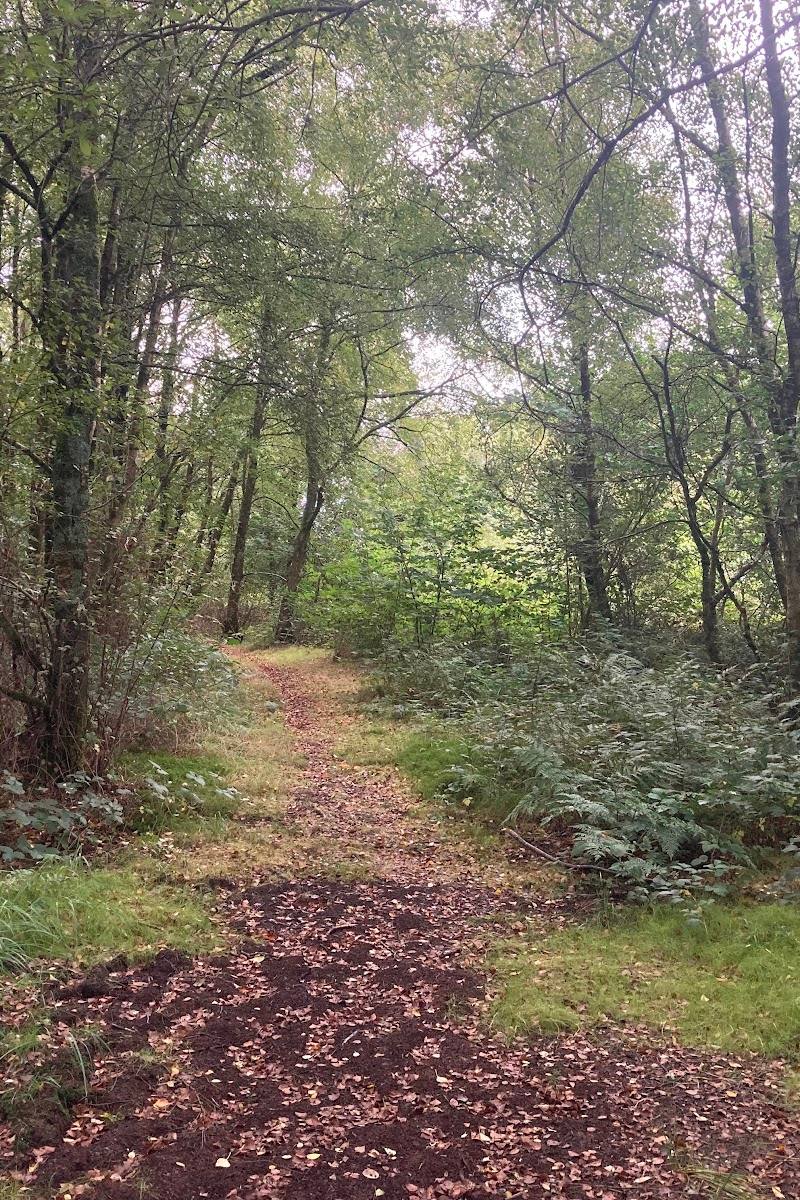
- Dingle woodland
- A longer circular route passing a medieval longhouse site and burial mounds
What to look for
- 01
Look for mountain pansies on the higher slopes, adder’s-tongue fern, quaking grass and devil’s-bit scabious in the wet grassland. In late spring, the green hairstreak may perch with its wings closed on hawthorn
- 02
the Trust also notes small pearl-bordered fritillaries in the wetter fields.
The story
Traditional farming has shaped the flower-rich hillside landscape. A longer walk around Tylcau also passes the remains of a medieval longhouse and burial mounds.
Best time to go
May–September; spring is especially rewarding for the cuckoo and green hairstreak, while mountain pansies and other flowers add colour across the slopes.
Visit between May and September. Spring is a good time to listen for cuckoos and look for green hairstreak butterflies; check current conditions before setting out.
How long to spend
1–2 hours
Perfect for
Walkers · Wildlife lovers · Photographers
Practical information
Opening & access
Radnorshire Wildlife Trust lists the reserve as open all year, with a car park at the entrance. The circular reserve trail includes a steep incline. Sheep and cattle, including cows with calves and a bull, graze from May to October. No dogs are permitted.
Parking
Car park at the reserve entrance, according to Radnorshire Wildlife Trust.
Toilets
Check before visiting
Check before visiting
Food & drink
Check before visiting
Check before visiting
Dogs
No dogs permitted.
Accessibility
The reserve’s 1¼-mile circular trail has a steep incline. The source does not confirm step-free access; check with the Trust before visiting if mobility access is important.
Check before visiting
Cost
Check before visiting
Check before visiting
Water
Stream
Gallery
Place photographsKeep exploring
Around Tylcau Hill (Floss Brand)
Within 50 km · approximate straight-line distances