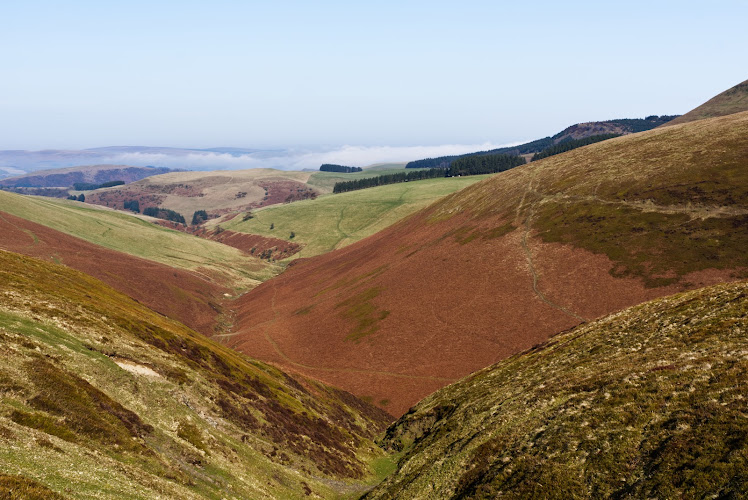
Near Crossgates, Powys
Abercamlo Bog
Bog
Place photograph
6.1
Wildland
Under 1 hour
Time
Check
Cost
Peaceful
Feel
Why it's Wildland
6.1Five hectares of wet heath pasture, birch woodland and scrub surround three small basin mires. Their origins are uncertain: they may have been shaped by ice at the end of the last Ice Age or be remnants of old river meanders.
Abercamlo Bog is a compact reserve with an unusual geological story: three small basin mires set within wet heath pasture and birch woodland. A waymarked trail makes it possible to explore, but expect wet ground throughout the year and plan for a short, attentive visit rather than a long walk.
Peaceful · Wild
Find your way
Open mapNear Crossgates, Powys
Opening map…
The experience
Follow the waymarked trail from the entrance and take time to notice how the wet heath pasture, birch woodland and basin mires fit together. Expect wet ground throughout the year; the reserve is small, so its appeal is in careful observation rather than distance.
Things to do
Follow the waymarked reserve trail
Take the waymarked trail from the entrance around the small reserve. Expect boggy conditions underfoot all year.
Under 1 hour
Look for the basin-mire plants
The reserve’s basin mires contain sphagnum mosses, round-leaved sundew, cranberry, bogbean and marsh cinquefoil. The source identifies these as reserve plants, but does not specify a particular viewing point or peak flowering dates.
Consider how the mires formed
The origins of the basin mires are debated: they may have been carved by ice at the end of the last Ice Age or may be remnants of river meanders.
Make a day of it
Quick escape · Under 1 hour
A short mire-side wander
- 01
Enter through the kissing gate beside the road.
- 02
Follow the waymarked trail around the reserve.
- 03
Pause to look across the basin mires and wet heath pasture.
- 04
Allow for wet ground and wear suitable footwear.
Verified history
The reserve’s defining features are three basin mires. Radnorshire Wildlife Trust says their origins remain debated: they could have been carved by ice at the end of the last Ice Age, or could be remnants of river meanders. Willow and birch saplings are regularly pulled or cut to prevent them developing, which would gradually dry the mires and threaten their associated flora and fauna. No specific date for the reserve’s establishment or account of local conservation history is provided in the supplied official source.
Hidden details
Three small basin mires — The reserve contains three basin mires. Their origins are unresolved: they may be glacial features or remnants of river meanders.
Management keeps the mires wet — Willow and birch saplings are regularly pulled or cut to prevent them developing and gradually drying the mires.
When to go
June · July · August · Check before visiting; no time of day is specified by the supplied source.
Radnorshire Wildlife Trust recommends June to August. The reserve is wet underfoot all year, so seasonal conditions do not remove the need for suitable footwear.
Expect wet ground throughout the year. Check conditions before visiting and wear suitable footwear.
What to look for
- 01
Look for the three basin mires and their sphagnum mosses. The reserve’s listed plants include round-leaved sundew, cranberry, bogbean and marsh cinquefoil
- 02
the official reserve page also lists butterflies, insects and autumn colour as points of interest.
The story
Geological interest
Best time to go
June–August, according to Radnorshire Wildlife Trust.
Radnorshire Wildlife Trust recommends June to August. Visit prepared for wet ground in any season.
How long to spend
Under 1 hour
Perfect for
Walkers · Wildlife lovers · Photographers
Practical information
Opening & access
Radnorshire Wildlife Trust lists the reserve as open all year. Access is through a kissing gate beside the road; the reserve has a waymarked trail. It is boggy underfoot throughout the year.
Parking
Extremely limited parking; do not block the highway.
Toilets
Check before visiting
Check before visiting
Food & drink
Check before visiting
Check before visiting
Dogs
Dogs on a lead.
Accessibility
Access is through a kissing gate. The reserve is boggy underfoot all year; further accessibility information is not available. Check before visiting if access is a concern.
Check before visiting
Cost
Check before visiting
Check before visiting
Water
Bog, basin mires
Gallery
Place photographsKeep exploring
Around Abercamlo Bog
Within 50 km · approximate straight-line distances