North-east of Knighton, beside the A488
Lurkenhope Nature Reserve
Broadleaf woodland
Place photograph
6.2
Wildland
1–2 hours
Time
Free
Cost
Peaceful
Feel
Why it's Wildland
6.2A steep oak wood where old charcoal-making hearths remain just visible beneath a remarkable growth of mosses, ferns and lichens.
Lurkenhope earns its place for its steep, twisted oak woodland and unusually rich growth of mosses, ferns and lichens. It is a small reserve, but the valley views and traces of charcoal-making give a short woodland visit more character than a simple stroll among trees.
Peaceful · Ancient-feeling · Wild
Find your way
Open mapNorth-east of Knighton, beside the A488
Opening map…
Know this place a little better?
The experience
Follow the footpath into the steep oak wood, take in the valley views and look closely for the reserve’s mosses, lichens and ferns. The Trust notes ten fern species and 35 kinds of moss, as well as the native summer-flowering rock stonecrop. This is not a waymarked route with published timings, so allow time to explore at a comfortable pace.
Things to do
Explore the steep oak wood
Follow the footpath through the reserve’s twisted, stunted oak trees. The Trust describes the path as suitable for the sure-footed.
Search for mosses, lichens and ferns
The Trust records ten fern species and 35 kinds of moss growing on and among the oak trees, alongside a variety of lichens.
Look for rock stonecrop in summer
The Trust says this plant is truly native to this part of the Shropshire–Wales border. Look for its drooping head of tiny, star-like yellow flowers.
Find the old charcoal-making hearths
At the lower edges of the wood, the shapes of old charcoal-making hearths are just visible.
Take in the valley views
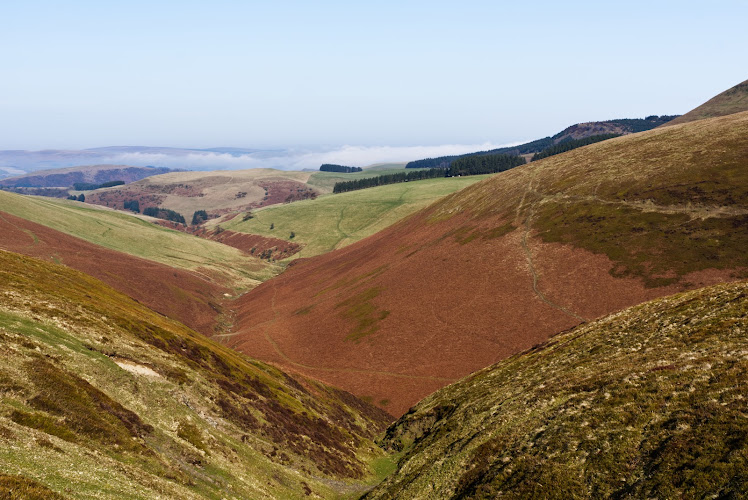
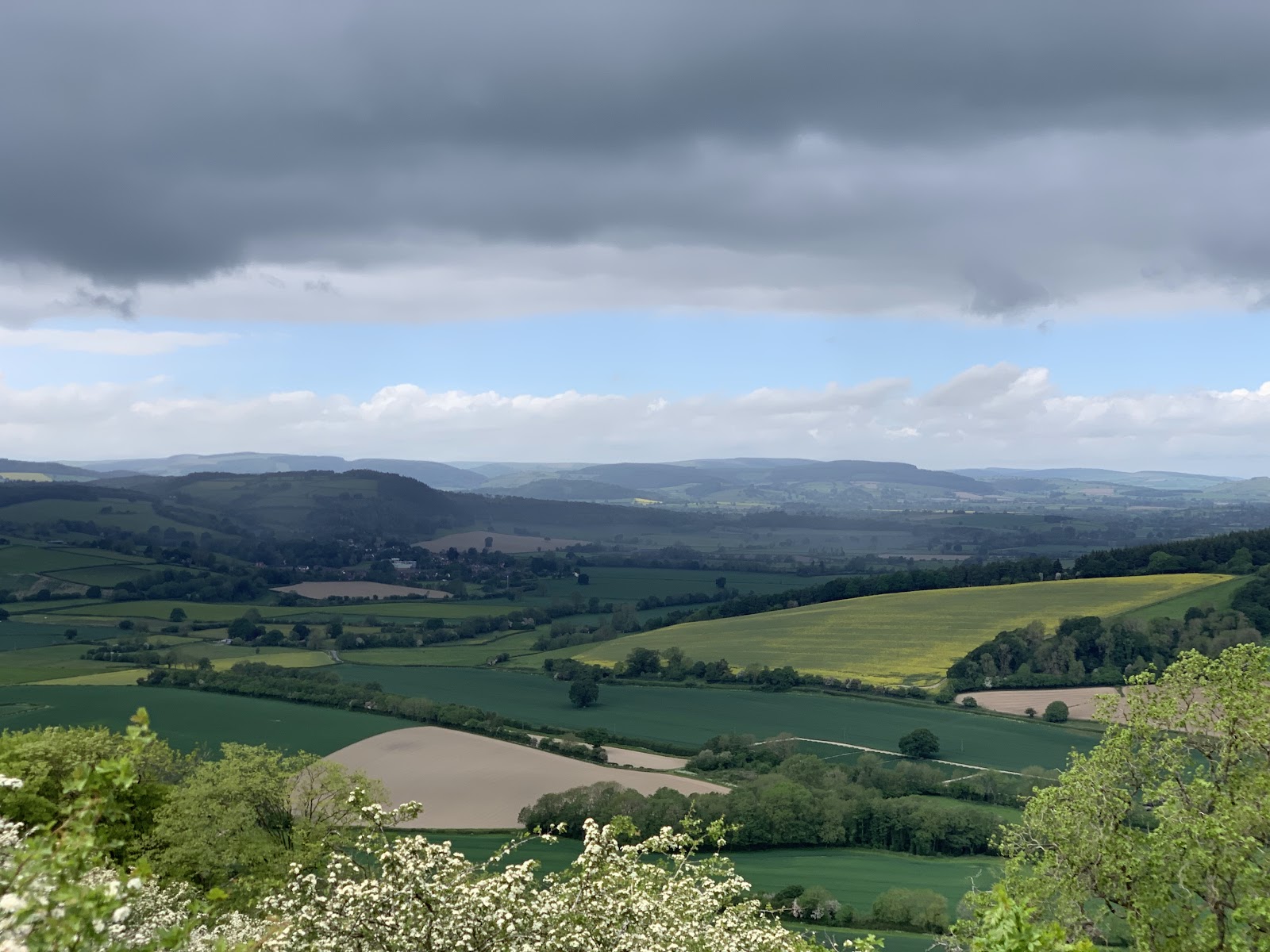
The footpath through the steep woodland gives fine views across the valley.
Make a day of it
Quick escape · Allow time to explore; no visit duration is published.
Quick Escape: Oak wood and valley views
- 01
Use a confirmed safe parking option and follow the footpath into the reserve.
- 02
Explore only as far as feels comfortable on the steep woodland ground.
- 03
Pause for the valley views and look for the wood’s mosses, lichens and ferns.
Half day · Check route length and timings before setting out.
Make a longer woodland visit of it
- 01
Explore the reserve’s footpath at a steady pace, taking care on the steep ground.
- 02
Look for the faint charcoal-hearth shapes towards the lower edges of the wood.
- 03
Consider extending the outing onto the surrounding footpaths; confirm the circular route and parking arrangements with the Trust before you go.
Verified history
The lower edges of the wood retain the faint shapes of old charcoal-making hearths. Shropshire Wildlife Trust says the wood was given to the Trust by Dennis Nisbet, whom it describes as a passionate defender of open access. The supplied source gives no dates or further account of the hearths or the donation.
Hidden details
Faint charcoal-hearth outlines — Look towards the lower edges of the wood, where the shapes of old charcoal-making hearths are just visible.
Native rock stonecrop — In summer, look for drooping heads of tiny, star-like yellow flowers. The Trust notes that the plant is truly native here and elsewhere on the Shropshire–Wales border.
When to go
· No specific time of day is recommended by the supplied source.
The reserve is listed as worth visiting all year. Summer offers the chance to see rock stonecrop in flower; the source does not give specific months or peak weeks.
The woodland is steep and the path is for sure-footed visitors. Conditions and footing may vary; check locally before setting out.
What to look for
Look for twisted, stunted oak trees, varied mosses and lichens, and the faint shapes of old charcoal-making hearths near the lower edges of the wood. In summer, seek out rock stonecrop with its drooping head of tiny, star-like yellow flowers.
The story
Old charcoal-making hearths are visible in the lower parts of the wood. The reserve was given to Shropshire Wildlife Trust by Dennis Nisbet, described by the Trust as a passionate defender of open access.
Best time to go
All year; summer for native rock stonecrop, spring and autumn for seasonal woodland interest.
The reserve is described as worth visiting all year. Summer is the time to look for rock stonecrop; spring and autumn bring changing woodland character.
How long to spend
1–2 hours
Perfect for
Walkers · Wildlife lovers · Photographers
Practical information
Opening & access
Open at all times with no entry fee. A footpath leads into steep woodland and is described as suitable for the sure-footed. Check with Shropshire Wildlife Trust about disabled access. Dogs must be on a lead.
Check before visiting
Parking
The reserve is included in a circular walk. The Trust says Kinsley Wood FC car park may be used; there is no other safe parking. It also describes a lay-by beside a cottage and advises parking carefully. The A488 turning is difficult: approach only from Knighton.
Toilets
No toilet information supplied; check before visiting.
Check before visiting
Food & drink
No café or food information supplied; check before visiting.
Check before visiting
Dogs
Dogs on a lead.
Accessibility
A footpath leads to steep woodland and is described as suitable for the sure-footed. Contact Shropshire Wildlife Trust for disabled access information.
Cost
Free
Water
No water feature or water activity is verified for visitor use.
Gallery
Place photographsKeep exploring
Around Lurkenhope Nature Reserve
Within 50 km · approximate straight-line distances