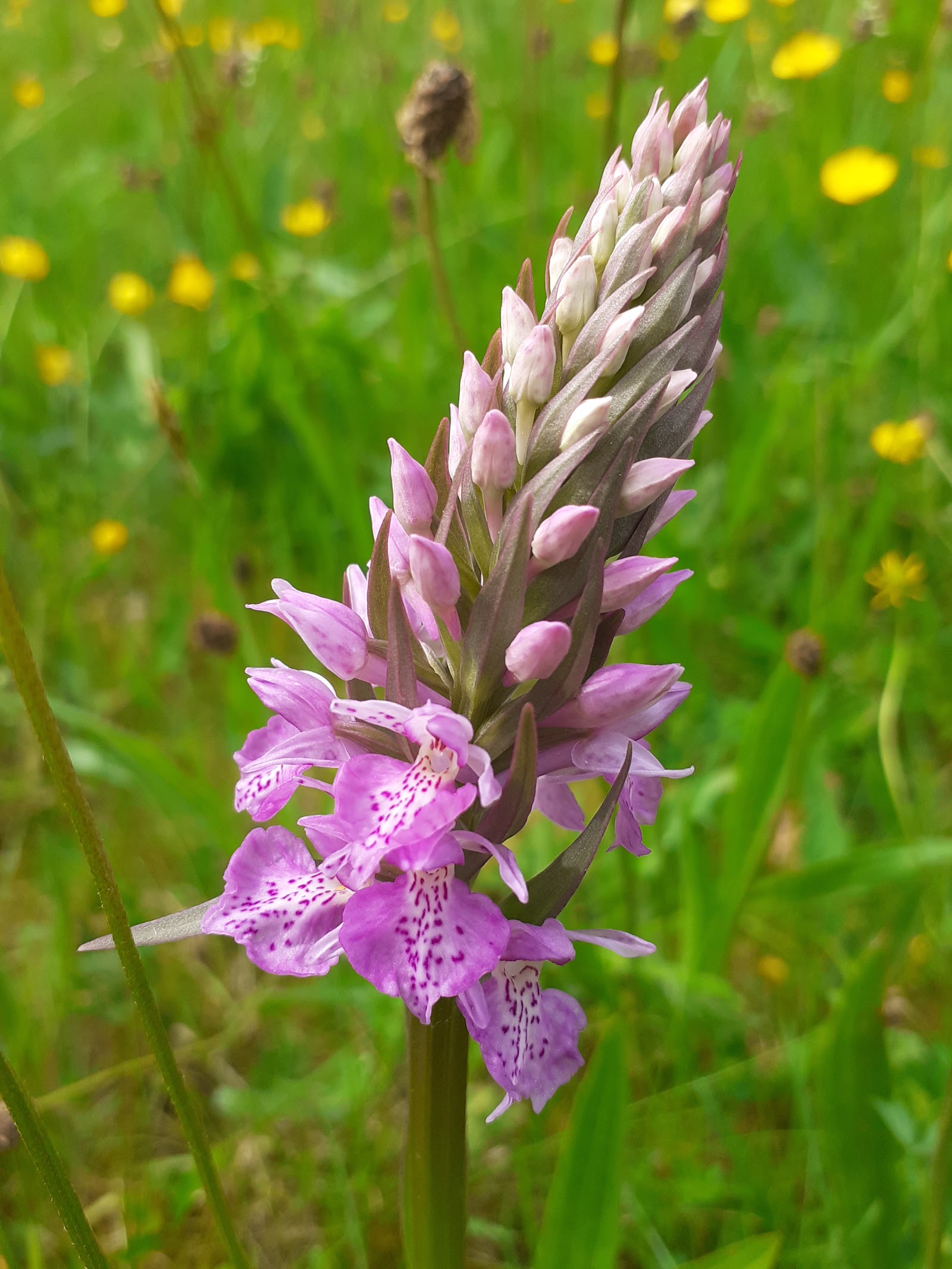
Wigmore, Herefordshire HR6 9UU
Parky Meadow Nature Reserve
Marsh
Place photograph
5.8
Wildland
Under 1 hour
Time
Check
Cost
Peaceful
Feel
Why it's Wildland
5.8A small floodplain reserve preserving botanically rich, unimproved wet grassland in a habitat that has largely disappeared from Herefordshire.
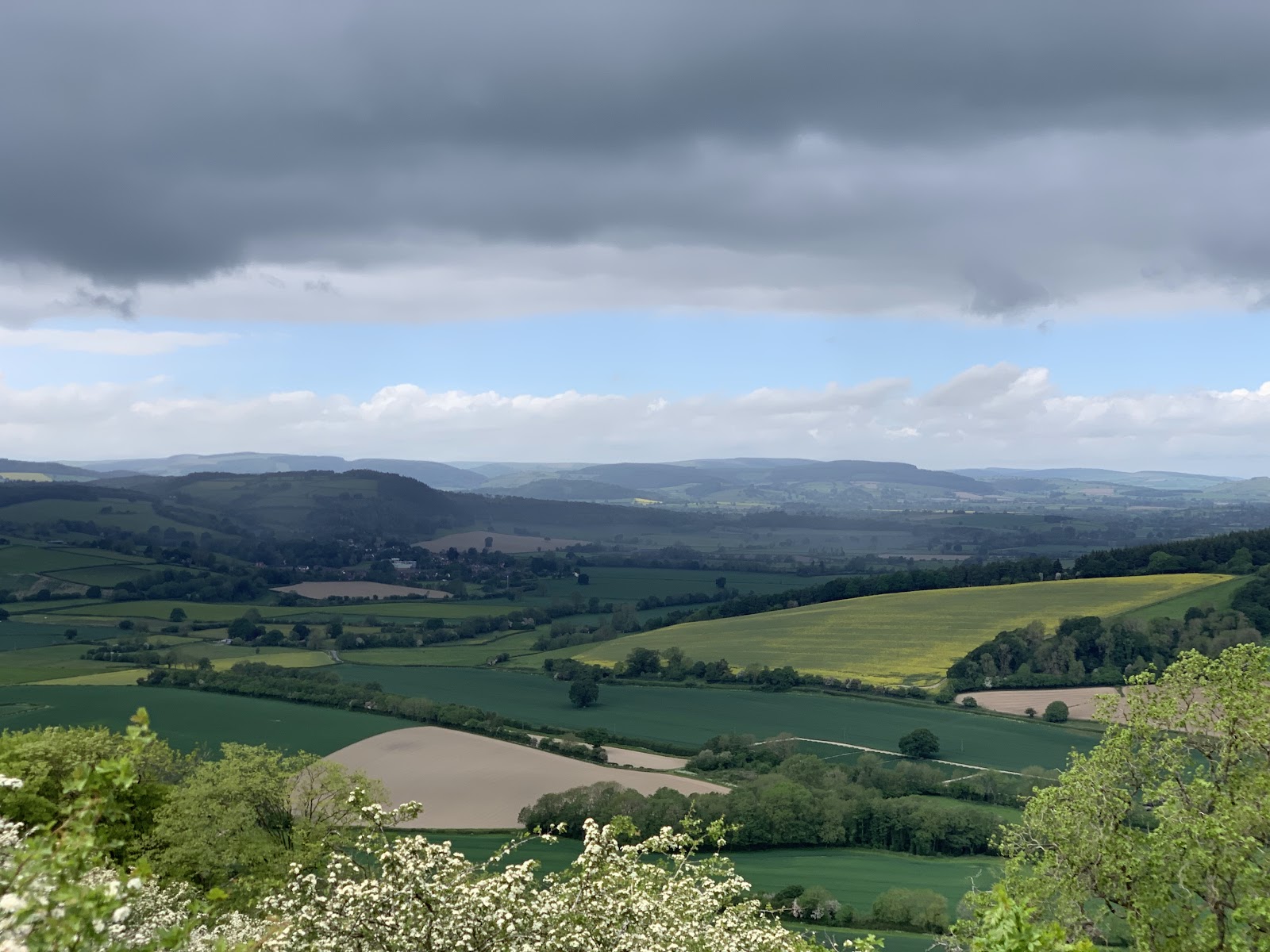
Parky Meadow is worth seeking out for its rare local wetland grassland and the close-up detail of its tussocky, moisture-loving plants. It is a compact, seasonal nature visit rather than a network of established trails: go in spring or summer, keep to field margins in spring, and expect uneven ground.
Peaceful · Wild · Secluded
Find your way
Open mapWigmore, Herefordshire HR6 9UU
Opening map…
Know this place a little better?
The experience
Allow under an hour for a quiet, careful look at the reserve’s wet grassland plants. Access is via the public footpath from Wigmore Village Hall; there are no surfaced paths, and the ground and vegetation affect how much of the site is accessible.
Things to do
Notice the grassland’s shifting wetness
Look for the transition from drier grassland, where tufted hair-grass can form large tussocks, to wetter ground with rushes and moisture-loving plants. In spring, stay on field margins to avoid disturbing breeding birds.
Allow under 1 hour for a visit; no route duration is specified.
Look closely for wet-meadow plants
The reserve account lists plants including devil’s-bit scabious, bird’s-foot trefoil, tormentil, ribwort plantain, marsh bedstraw and meadowsweet. Their presence varies with conditions and location within the fields.
Make a day of it
Quick escape · Under 1 hour
A short look at the floodplain meadow
- 01
Park at Wigmore Village Hall.
- 02
Follow the public footpath north to the green lane running past the reserve.
- 03
Explore only where conditions and vegetation allow; in spring, keep to field margins to avoid disturbing breeding birds.
- 04
Look for the contrast between the drier grassland and wetter areas dominated by rushes and moisture-loving plants.
Hidden details
A rare local wetland habitat — The larger eastern field is described by Herefordshire Wildlife Trust as botanically rich, unimproved grassland and a superb example of wetland habitat that has largely disappeared from Herefordshire.
Tussocks over a metre across — In drier parts of the fields, tufted hair-grass can form impressive tussocks more than a metre in diameter, with flowering stems arching above them in mid-summer.
When to go
· No specific time of day is recommended; the reserve is listed as open dawn to dusk.
Herefordshire Wildlife Trust recommends spring and summer. Spring flowers and wet-meadow plants are a focus, but visitors should keep to field margins to avoid disturbing breeding birds. In summer, dense vegetation can make exploring the reserve interior difficult.
Winter flooding and waterlogging may make parts of the reserve inaccessible. Tussocky areas are uneven; check conditions before visiting.
What to look for
Look for the large tussocks of tufted hair-grass and the change from drier grassland plants to rushes and moisture-loving species on wetter ground. The source also records devil’s-bit scabious, bird’s-foot trefoil, tormentil, ribwort plantain, marsh bedstraw and meadowsweet.
Best time to go
Spring and summer; visit in spring for flowers, while keeping to field margins to avoid disturbing breeding birds.
Spring and summer are the recommended seasons. In spring, remain on field margins to avoid disturbing breeding birds.
How long to spend
Under 1 hour
Perfect for
Wildlife lovers · Photographers · Walkers
Practical information
Opening & access
Open dawn to dusk. Park at Wigmore Village Hall and follow the public footpath north to the green lane past the reserve. There are no surfaced paths or wheelchair access; winter flooding and waterlogging may make parts inaccessible, while summer vegetation can make the interior difficult to explore. Keep to field margins in spring to avoid disturbing breeding birds. Dogs are not permitted.
Parking
Park at Wigmore Village Hall, then follow the public footpath north to the green lane past the reserve.
Toilets
Check before visiting
Check before visiting
Food & drink
Check before visiting
Check before visiting
Dogs
No dogs permitted.
Accessibility
No surfaced paths and no wheelchair access. Uneven tussocky areas; winter flooding and waterlogging may restrict access, and dense summer vegetation can make the reserve interior difficult to explore.
Cost
Check before visiting
Check before visiting
Water
River
Gallery
Place photographsKeep exploring
Around Parky Meadow Nature Reserve
Within 50 km · approximate straight-line distances