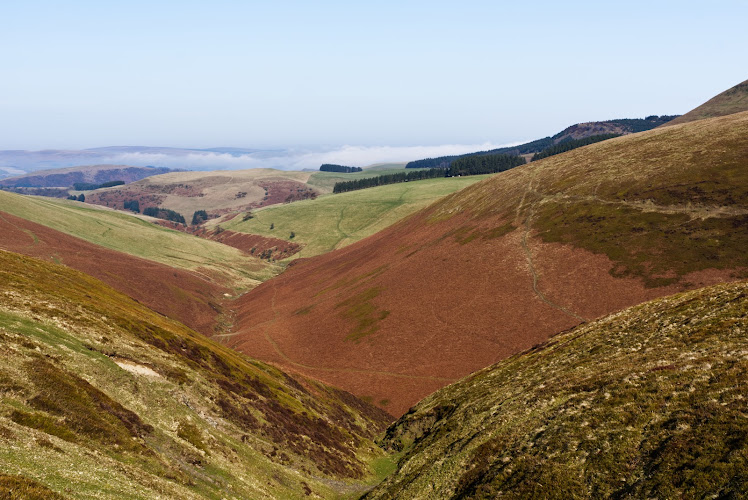
Near Kington, Herefordshire HR5 3EY
Birches Farm Nature Reserve
Mixed-habitat reserve
Place photograph
7.2
Wildland
1–2 hours
Time
Free
Cost
Peaceful
Feel
Why it's Wildland
7.2A 24-hectare patchwork of hay meadows and pastures, protected from intensive cultivation and recognised as a Site of Special Scientific Interest. Its old hedgerows, traditional grazing and seasonal flowers preserve a farmed landscape that has largely disappeared.
Birches Farm is more than a pleasant field walk: its SSSI meadows support a remarkable succession of flowers, while centuries-old hedgerows and traditional management sustain a rich farm wildlife habitat. Come for the orchids and stay alert to the changing life in the fields and hedges.
Peaceful · Seasonal · Wild
Find your way
Open mapNear Kington, Herefordshire HR5 3EY
Opening map…
The experience
Walk the signed mown route through a patchwork of meadow and pasture, taking time to look closely at the flowers and hedgerows. This is a working conservation landscape: cattle graze year-round, and visitors should keep to the path and heed livestock signs.
Things to do
Walk the mown route around the reserve
Follow the signed path through the fields and pastures. Keep to the mown route, especially while the hay crop is growing, and heed livestock signs.
Look for the spring orchid display
Search the meadows for common spotted, early purple, twayblade and green-winged orchids. Stay on the path and avoid trampling the grassland.
Watch the hedgerows and fields for wildlife
Look and listen for birds including redstart, willow warbler and whitethroat; red kites are regularly seen over the farm. Hares are often seen in the meadows, and badger signs may be present.
Notice how the farm is managed for wildlife
Look across the small fields, traditionally managed hedgerows and areas of meadow and pasture. The Trust describes seasonal grazing, hay cutting and green-hay strewing as part of its conservation work.
Make a day of it
Quick escape · Around 1–2 hours; exact route duration not stated
The meadow-and-hedgerow walk
- 01
Park in one of the spaces inside the entrance gate.
- 02
Follow signs past the buildings and livestock yard to the reserve.
- 03
Follow the wide mown path around the site, keeping to it while the hay crop is growing.
- 04
Pause to look for seasonal meadow flowers, old hedgerows and wildlife; return by the signed route.
Verified history
Birches Farm preserves a small-field farmstead landscape described by Herefordshire Wildlife Trust as a rare window onto a landscape long forgotten. The reserve’s species-rich grassland has SSSI status. The Trust maintains the meadows through traditional seasonal grazing and hay cutting, and uses green-hay strewing to spread seed from richer areas. The official source describes centuries-old hedgerows, but the supplied research does not establish a more detailed site history or specific historical dates.
Hidden details
A succession of different meadow flowers — The reserve’s seasonal display changes through the year: cowslip, bluebell and lady’s smock in spring; several orchid species in May and June; harebells in late summer; and autumn crocus later in the year.
Hedgerows with mature standard trees — The farm’s traditionally managed hedgerows include hawthorn, blackthorn, rowan and hazel, with full-grown standard trees left within them.
A working conservation landscape — The reserve’s value comes from the combination of pasture, hay meadow and hedgerow, maintained through grazing, hay cutting and green-hay strewing rather than treated as ornamental parkland.
When to go
April · May · June · July · August · September · October · Daylight hours; the reserve is open from dawn to dusk. No evidence specifies a preferred time of day.
Spring brings cowslip, bluebell and lady’s smock; orchids flower in abundance in May and June. Harebells feature in late summer, followed by autumn crocus. The reserve is described as visitable all year.
No site-specific weather guidance is supplied. Paths are mostly unsurfaced; check conditions before visiting and wear footwear suitable for a field path.
Worth pairing with
Kington
The reserve is near Kington. The supplied sources do not identify a specific café, pub or attraction to recommend, so check local options before making a day plan.
What to look for
- 01
In May and June, look for common spotted, early purple, twayblade and green-winged orchids. Notice the laid hedgerows and their mature standard trees
- 02
scan the fields for hares and the sky for red kites. Later in the year, look for harebells and autumn crocus.
The story
Traditional farming, historic hedgerows and the conservation of a long-protected farmstead landscape.
Best time to go
May–June for the main orchid display; spring for cowslip, bluebell and lady’s smock; late summer for harebells; autumn for autumn crocus.
May and June are the standout months for orchids. Visit in spring for cowslip, bluebell and lady’s smock, or later in summer for harebells. The reserve is open from dawn to dusk; check conditions before setting out.
How long to spend
1–2 hours
Perfect for
Walkers · Wildlife lovers · Photographers · Families
Practical information
Opening & access
Herefordshire Wildlife Trust reserve, open from dawn to dusk. Follow the signed route from the car park and keep to the mown path. Most of the reserve has no surfaced paths and is unsuitable for visitors with limited mobility.
Parking
Parking spaces for several cars inside the entrance gate. Check before visiting for current arrangements.
Check before visiting
Toilets
Check before visiting
Check before visiting
Food & drink
No on-site café is listed by the reserve; Kington is nearby. Check before visiting for current options.
Check before visiting
Dogs
Dogs are permitted only on Public Rights of Way and must be kept on a lead. Follow reserve signage, particularly around grazing livestock.
Accessibility
Most of the reserve has no surfaced paths and is unsuitable for visitors with limited mobility. Follow the mown path and check current conditions before visiting.
Check before visiting
Cost
Free
Water
Two ponds; no swimming or paddling permission is stated.
Gallery
Place photographsKeep exploring
Around Birches Farm Nature Reserve
Within 50 km · approximate straight-line distances