Hafod y Llan, Nant Gwynant, Caernarfon, Gwynedd LL55 4NQ, Wales
National Trust Hafod y Llan Campsite
stay · Traditional campsite
Place photograph
7.5
Wildland
Weekend
Stay
Paid
Cost
Wild
Feel
Why stay here
7.5A simple riverside campsite beneath the Watkin Path, set in a working hill-farm landscape where Victorian quarry remains, mountain habitats and routes into Eryri meet.
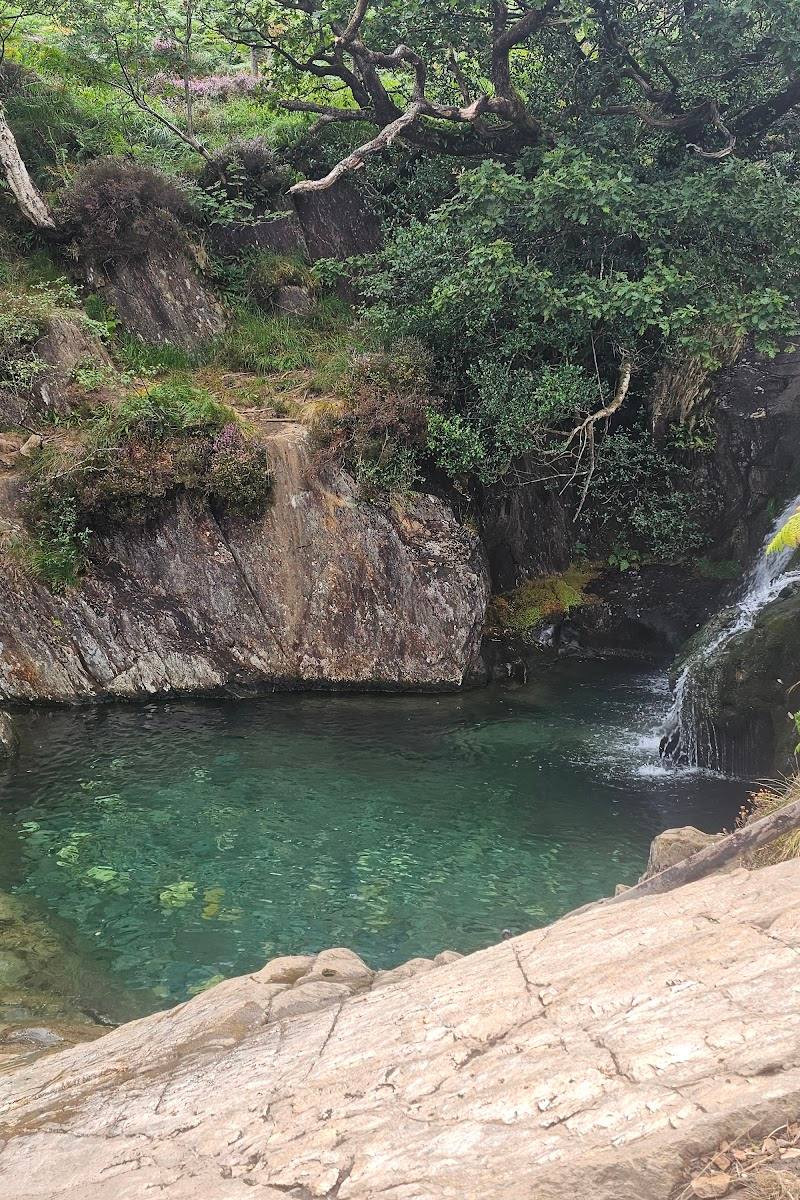
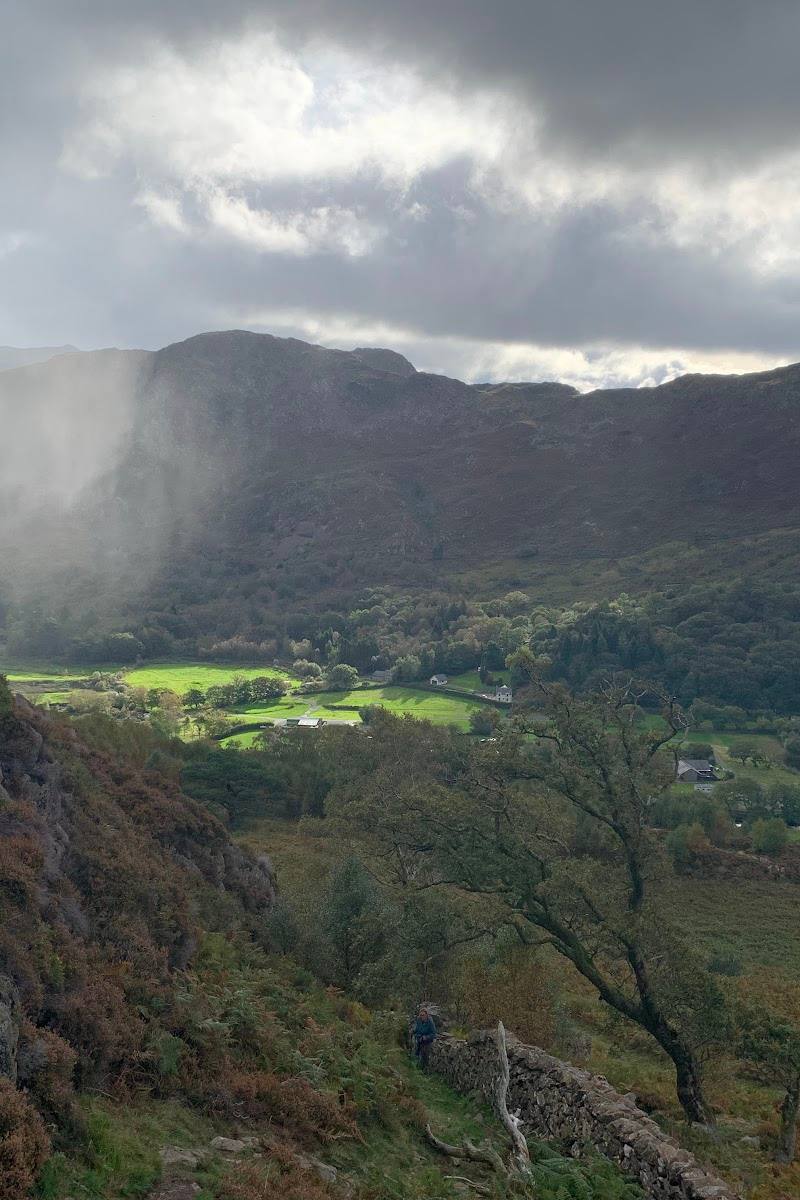
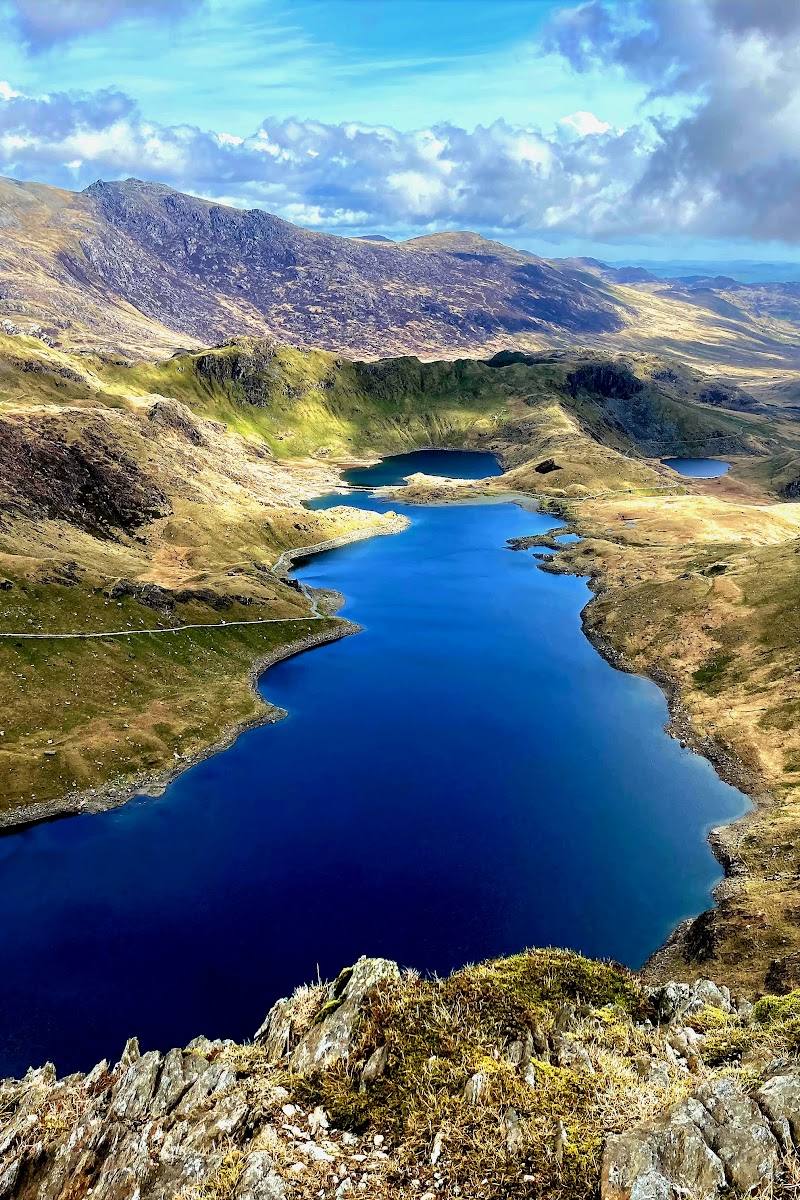
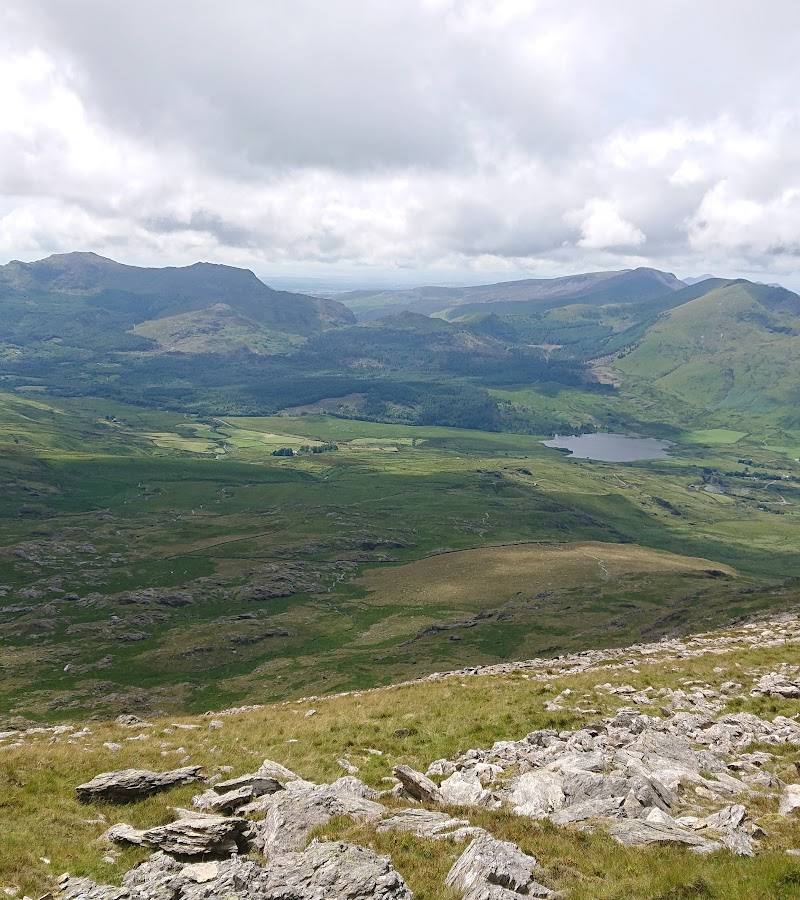
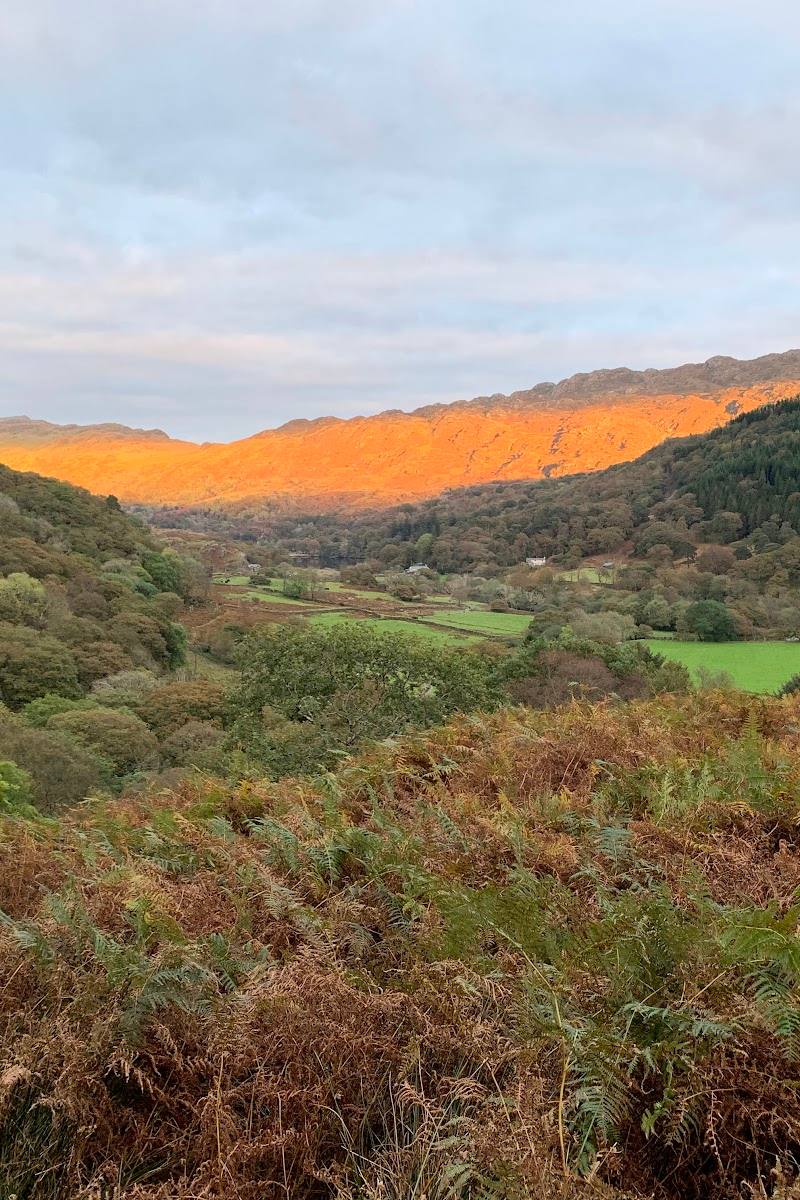
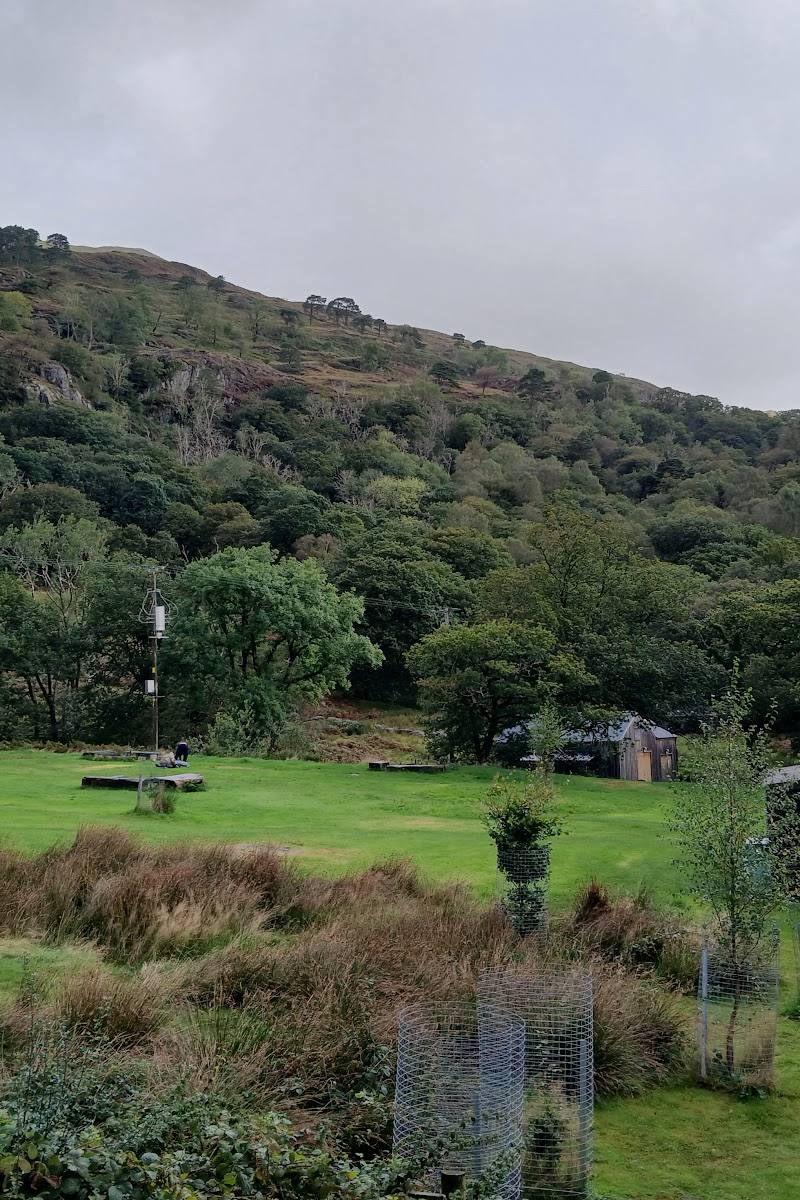
Hafod y Llan earns its place through the landscape around the pitches: a river-side farm beneath Yr Wyddfa, with access to mountain trails, a National Nature Reserve and visible traces of slate quarrying and copper mining. It offers a grounded base for exploring a genuinely layered upland landscape, rather than a resort-style camping experience.
Wild · Dramatic · Atmospheric
Find your way
Open mapHafod y Llan, Nant Gwynant, Caernarfon, Gwynedd LL55 4NQ, Wales
Opening map…
The setting
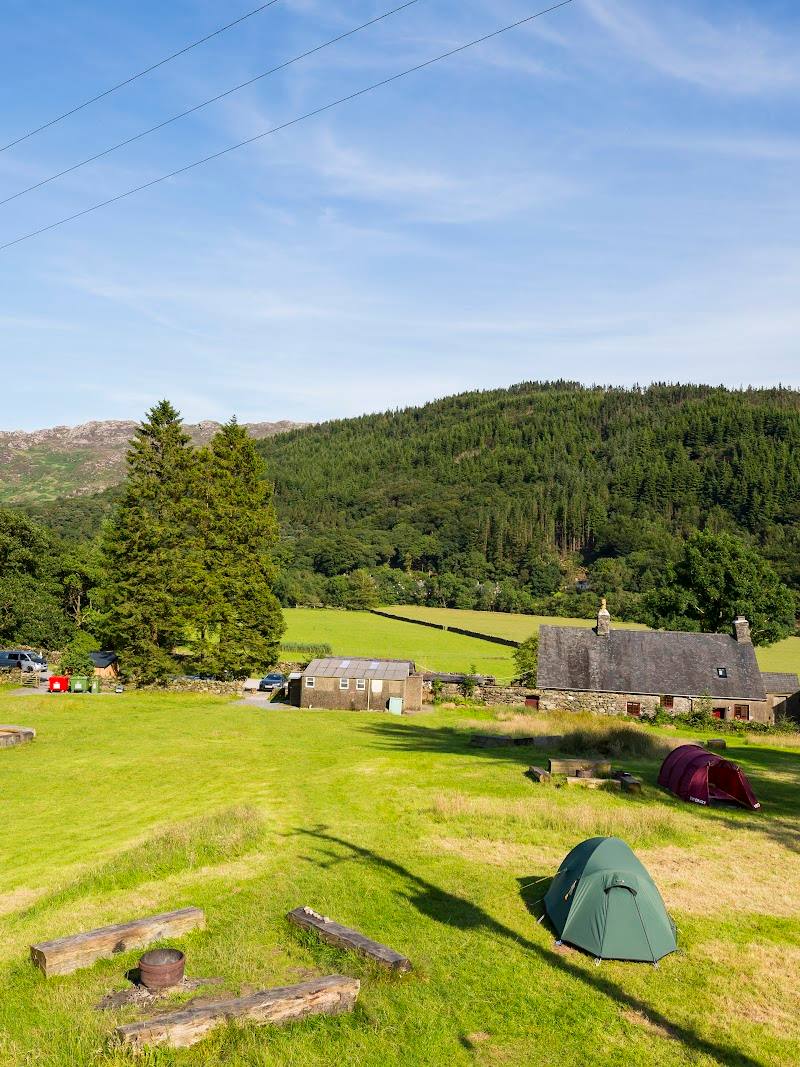
Stay at a basic, riverside tent campsite on a working National Trust hill farm. Walk the Watkin Path or choose a shorter local trail through mountain scenery, and look for the surviving traces of Cwm Llan’s quarrying and mining past. This is a base for outdoor exploration, not a visitor attraction with a confirmed day-entry offer.
Things to do
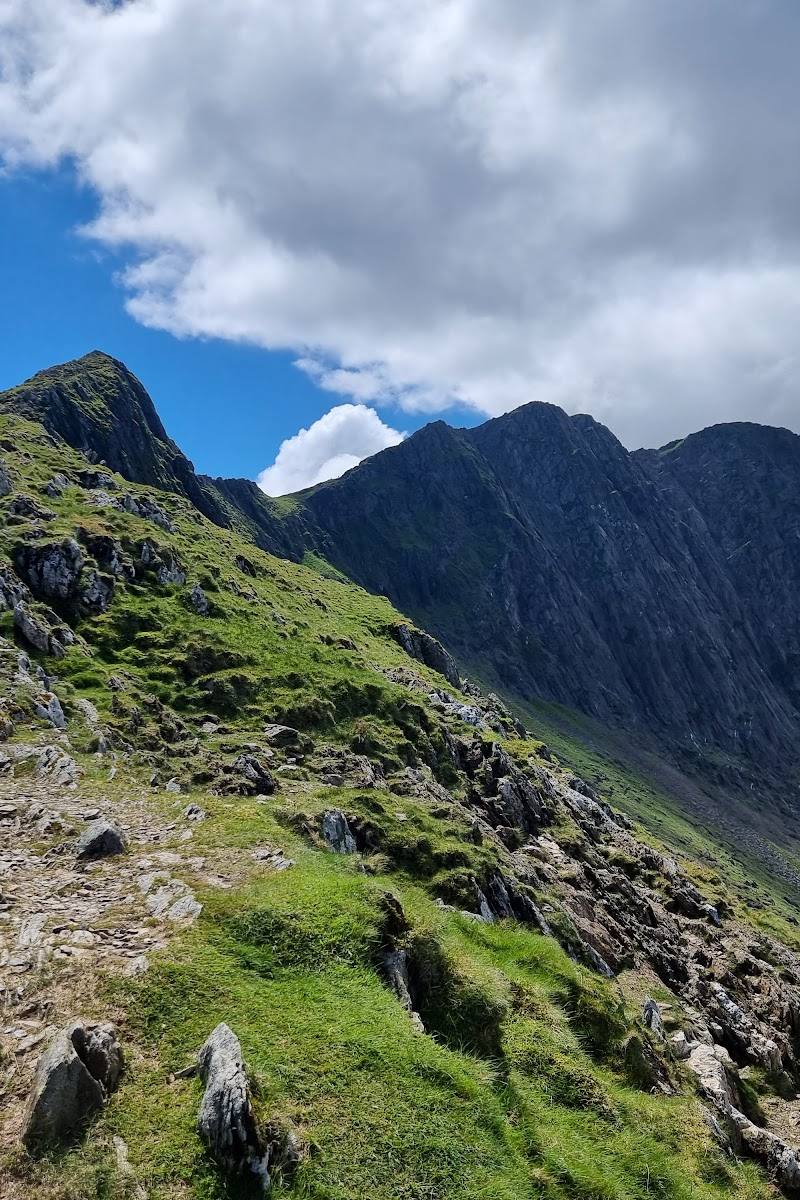
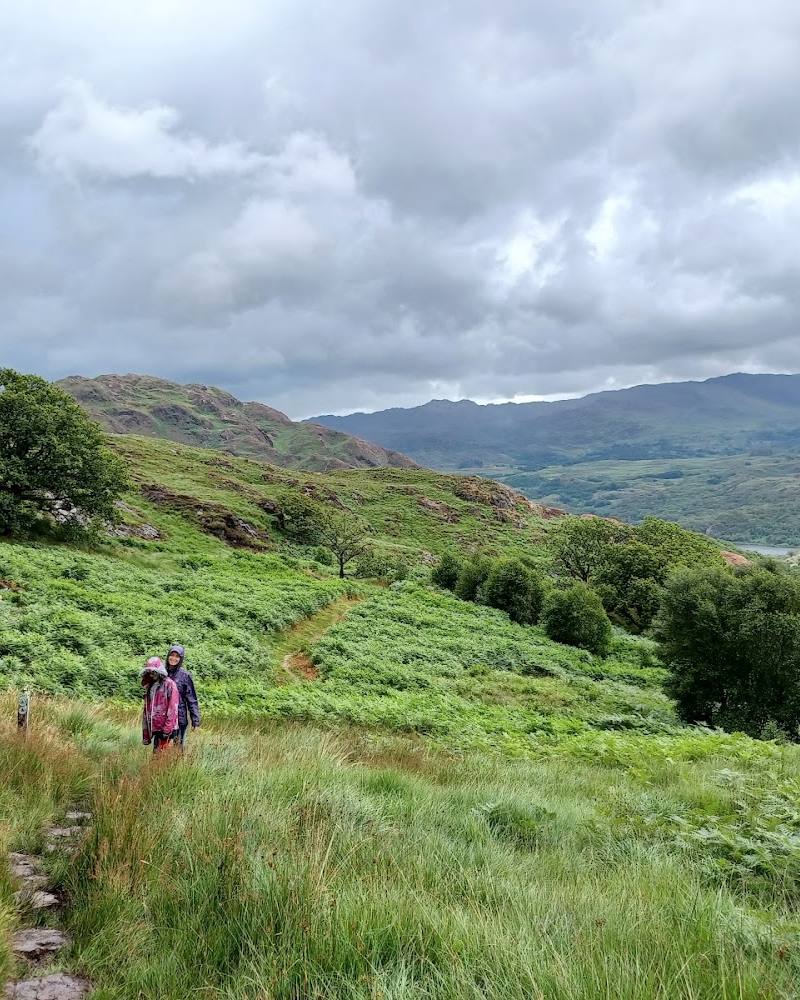
Walk a section of the Watkin Path
The path starts above the campsite and leads through Cwm Llan towards Yr Wyddfa. The full return outing is described by the National Trust as an eight-mile walk; choose a turnaround point appropriate to your ability and conditions.
Allow at least a half day for a substantial out-and-back; check current route information
Find traces of Cwm Llan’s industrial past
Look out for quarry inclines, workers’ huts, tramway and mine-railway remains in the landscape. Keep to legitimate paths and do not enter ruined or restricted structures.
Look for upland plants and wildlife
The National Trust highlights cottongrass in Bylchau Terfyn in June, auburn deergrass in August, and dwarf juniper on Lliwedd. Choughs and peregrines may be seen around rugged cliffs; cuckoos and pied flycatchers are noted in woodland during spring and summer.
Visit Beddgelert for food and village atmosphere
Beddgelert is described by the National Trust as nearby, with a pub, shop and places to buy food. Check current opening times and transport before making plans.
Make a day of it
Quick escape · 1–2 hours
Riverside camp and a short local walk
- 01
Settle in at your booked tent pitch beside the Cwm Llan river.
- 02
Choose a local trail suited to the day’s conditions and your group; the National Trust describes routes through wooded valleys, waterfalls and mountain scenery.
- 03
Return to camp and take time to notice the river and the surrounding farm landscape.
Half day · Half day
Make a half day of Cwm Llan
- 01
Start from the campsite, after checking the route and weather conditions.
- 02
Walk up the Watkin Path far enough to explore the Cwm Llan landscape; the path continues towards Yr Wyddfa, but a summit walk is a substantial mountain outing, not a casual extension.
- 03
Look for quarry inclines, workers’ huts and mine-railway remains on the hillsides.
- 04
Return to camp or head to nearby Beddgelert for food; check local opening times.
Verified history
Hafod y Llan is a hill farm with records extending back to the 12th century. The National Trust says Llywelyn, the last Prince of Gwynedd, wrote letters to Edward I from the farm, describing how his men had been mistreated by the king’s guards during a nearby hunt. Cwm Llan’s quarry is believed to have begun in the 1840s, with major development in the 1860s and 1870s; its remains include inclines, workers’ huts and railway traces. Sir Edward Watkin arranged for the existing path to be extended towards the summit of Yr Wyddfa. At its 1892 opening, more than 2,000 people walked to Cwm Llan to hear Prime Minister William Gladstone speak; the rock associated with the event became known as Gladstone’s Rock.
Folklore & legend
The wider Beddgelert area is associated with the story of Gelert, the faithful dog of Prince Llywelyn, and the National Trust describes Dinas Emrys as the setting of a legend involving Merlin and a battle between red and white dragons. These are presented as stories and legends, not verified events at the campsite.
Hidden details
The traces left by the quarry workers — Look for the old inclines and workers’ huts associated with the Cwm Llan quarry. The landscape also retains mine-railway remains; observe them from legitimate paths and do not enter unsafe or restricted structures.
Cottongrass in Bylchau Terfyn — The National Trust points visitors towards carpets of cottongrass in this hanging-bog valley in June. Check route conditions and access information before making the walk.
When to go
April · May · June · July · August · September · Start mountain walks early enough to allow a safe return in daylight, and check the forecast and route conditions before setting out.
The campsite operates seasonally, and spring to autumn suits tent camping and walking. June is highlighted for cottongrass in Bylchau Terfyn; August for auburn deergrass. The National Trust says walks are possible year-round, but mountain conditions can make routes unsuitable.
This is a mountain setting. Check the current forecast, visibility and route conditions before walking; the source describes the Watkin Path as a route to Yr Wyddfa, so do not treat it as a low-level stroll.
Worth pairing with
Beddgelert
A nearby village described by the National Trust as having a pub, shop and places to buy food. Check opening times before travelling.
Cwm Llan and the Watkin Path
Explore the mountain landscape and industrial remains along the route from above the campsite. Check route conditions and choose an outing suited to your experience.
What makes it special
Look for the old quarry inclines, workers’ huts and mine-railway remains across Cwm Llan. On higher ground, the National Trust also highlights cottongrass in June, deergrass in August, dwarf juniper on Lliwedd, and birds including choughs, peregrines, cuckoos and pied flycatchers.
Best time to go
Spring to autumn for camping and walking; June for cottongrass in Bylchau Terfyn, and August for its auburn deergrass.
Spring through autumn suits a camping and walking stay. Visit in June for cottongrass in the hanging-bog valley of Bylchau Terfyn, or in August for auburn deergrass. Mountain weather can change quickly; check the forecast and route conditions before walking.
How long to stay
Weekend
Perfect for
Walkers · Wildlife lovers · Families · Dogs
Before you go
Address
Phone
Website
Google rating
Practical information
Opening & access
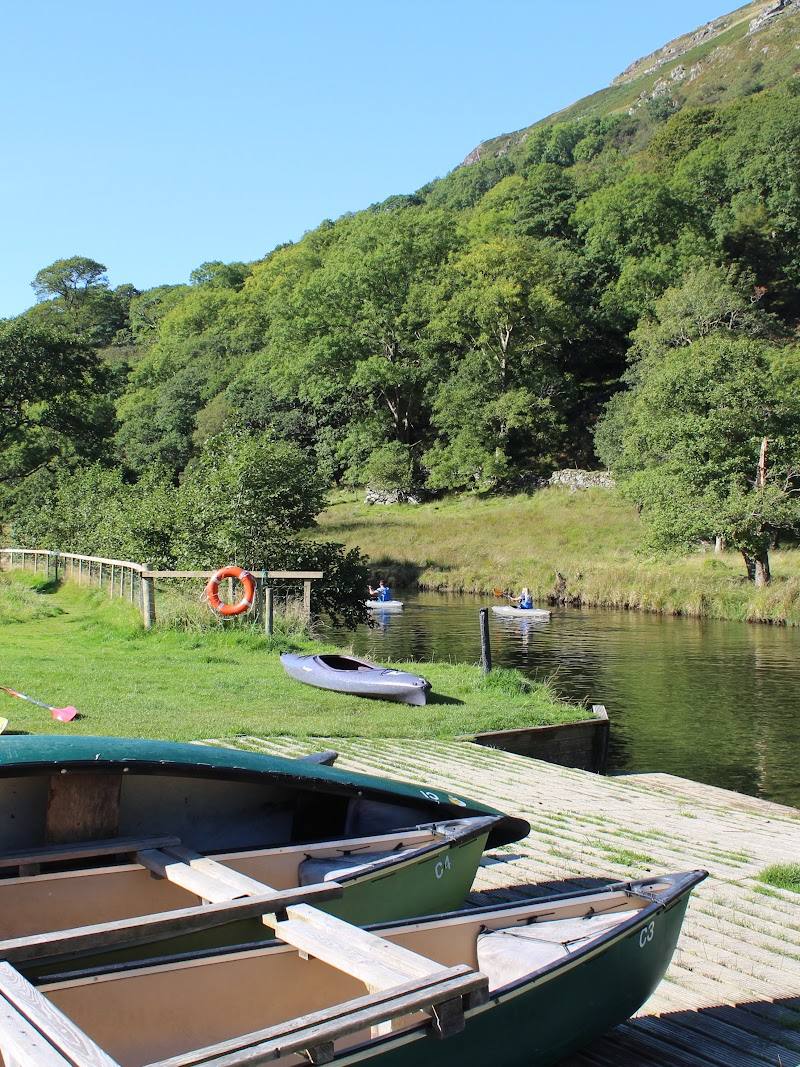
A bookable, tent-only campsite on a working hill farm beside the Cwm Llan river, below the Watkin Path on the southern slopes of Yr Wyddfa. Book before travelling; check current availability, access arrangements and conditions with the National Trust.
Check before visiting
Parking
A small car park is listed by Visit Wales; confirm current parking arrangements with the campsite before travelling.
Toilets
Toilet blocks are listed by Visit Wales; check directly for current facilities.
Check before visiting
Food & drink
No on-site café or food service is verified. Beddgelert is nearby and has a pub, shop and places to buy food; check opening times before setting out.
Check before visiting
Dogs
National Trust information says up to two dogs are welcome per pitch. Check the current campsite rules and keep dogs under control around livestock and wildlife.
Check before visiting
Accessibility
The source row lists a wheelchair-accessible car park and entrance. This does not establish that the campsite’s terrain or nearby walking routes are wheelchair accessible; check directly before visiting.
Check before visiting
Cost
Paid
Water
River
Gallery
Place photographsKeep exploring
Around National Trust Hafod y Llan Campsite
Within 50 km · approximate straight-line distances