Stert Drove, Bridgwater, Somerset TA5 2PU
WWT Steart Marshes
Mixed-habitat reserve
Place photograph
7.4
Wildland
1–2 hours
Time
Free
Cost
Peaceful
Feel
Why it's Wildland
7.4A working wetland where restored coastal habitats help buffer local communities from flooding while supporting wetland wildlife. Steart is the first of WWT’s working wetlands.
Steart is more than a birdwatching stop: its saltmarsh and freshwater wetlands form part of a coastal flood-defence project. Follow the surfaced paths towards the breach point, then slow down at the hides to watch the changing wetland and its birdlife.
Peaceful · Big-sky · Wild
Find your way
Open mapStert Drove, Bridgwater, Somerset TA5 2PU
Opening map…
Know this place a little better?
The experience
Choose a short out-and-back towards the breach point or, if conditions and time allow, a longer circuit linking the marshes and Bridgwater Bay. Stay on the designated paths and make time at the bird hides to watch for wildlife.
Things to do
Walk towards the breach point
Follow WWT’s waymarked surfaced paths from the main car park towards the breach point. WWT estimates about an hour for the walk from the car park to the breach point; check the return distance and current route conditions before setting out.
About 1 hour to the breach point; return time not specified
Watch for wildlife from a hide
Use the bird hides listed on the marshes and Bridgwater Bay route as places to pause and scan the wetlands. Species-specific sightings are not established by the supplied sources.
Explore the marshes and bay circuit
The listed circular route links Steart Marshes and Bridgwater Bay. AllTrails describes it as a relatively flat, waymarked 7.7-mile loop, with shorter walks possible by splitting it into two sections. Check route conditions and access restrictions before departure.
2–2.5 hours
Make a day of it
Quick escape · About 1 hour to walk from the main car park to the breach point; return time not specified.
Quick escape: walk towards the breach point
- 01
Start from the main car park.
- 02
Follow the waymarked surfaced paths towards the breach point.
- 03
Keep to designated walking paths and return the way you came.
- 04
Pause to scan the wetlands for birds and plantlife.
Half day · About 2–2.5 hours for the 7.7-mile loop listed by AllTrails; allow extra time for wildlife watching.
Make a half day of it: marshes and Bridgwater Bay circuit
- 01
Begin at the reserve and follow the mapped Steart Marshes and Bridgwater Bay circular route.
- 02
Visit the Mendip Hide and Parrett Hide, both listed as points of interest on the route.
- 03
Look out across the marshes and bay, keeping to permitted paths.
- 04
Use a shorter out-and-back or split the route into two walks if the full loop is too long.
Verified history
WWT describes Steart as its first working wetland. The reserve combines saltmarsh and freshwater wetlands with a role in buffering local homes and businesses from rising sea levels. A supplied third-party description says a managed realignment scheme was completed in 2014, but that date and associated figures are not confirmed by the supplied WWT excerpts.
Hidden details
A wetland built to do two jobs — Look at the landscape as both habitat and flood defence: WWT says the saltmarsh and freshwater wetlands help buffer local homes and businesses while supporting wildlife and plantlife.
Respect the protected access zones — Public access is limited to walking and cycling paths; WWT says access to most of the site is prohibited under an S26 exclusion zone to protect sensitive species.
When to go
· Early morning is a practical choice for a quieter wildlife-watching visit; confirm current conditions and any seasonal guidance with WWT.
WWT states the reserve is open all year, but the supplied sources do not specify peak months or seasonal wildlife timings.
Check current weather, path conditions and reserve guidance before setting out. The supplied sources do not provide specific weather advice.
What to look for
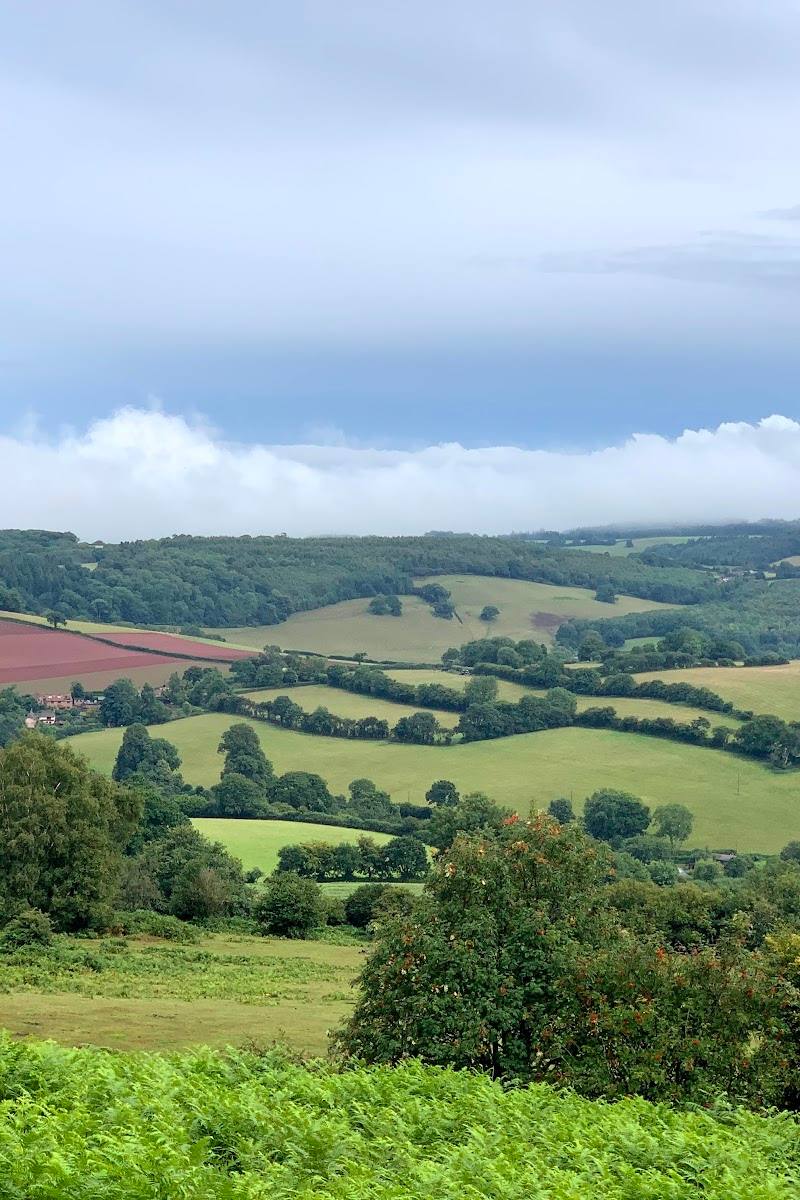
Look across the saltmarsh and freshwater wetlands for wetland birds and plantlife. Pause at the bird hides, and notice how the paths lead through a landscape designed for both wildlife and flood protection.
The story
Wetland restoration, working wetlands and nature-based flood defence
Best time to go
Open year-round; check current reserve information for seasonal wildlife and conditions.
The reserve is open all year. For a quieter visit and better time to watch wildlife, consider going early; check current reserve guidance and conditions before setting out.
How long to spend
1–2 hours; allow longer for an extended circuit
Perfect for
Walkers · Wildlife lovers · Photographers · Cyclists · Families
Before you go
Address
Phone
Website
Listed hours
- Monday: 8:30am-4:30pm
- Tuesday: 8:30am-4:30pm
- Wednesday: 8:30am-4:30pm
- Thursday: 8:30am-4:30pm
- Friday: 8:30am-4:30pm
- Saturday: 8:30am-4:30pm
- Sunday: 8:30am-4:30pm
Check before visiting.
Google rating
Practical information
Opening & access
WWT says the reserve is open all year and free to visit. Public access is restricted to designated walking and cycling paths; much of the site is within an exclusion zone to protect sensitive species. Check current access information before travelling.
Check before visiting
Parking
The main car park is always open. Height barriers apply: 2.1m at the main car park from 4.30pm to 9.00am daily and on Christmas Day; Steart Gate car park has a 2.1m limit at all times. Coaches should book in advance. Check current details before travelling.
Check before visiting
Toilets
Check before visiting.
Check before visiting
Food & drink
Check before visiting.
Check before visiting
Dogs
Dogs are welcome. Follow WWT’s guidance and wildlife-sensitive-area signs; check the reserve’s current dog guidance before visiting.
Check before visiting
Accessibility
The source row reports a wheelchair-accessible car park, entrance, seating and toilet. WWT says some surfaced paths are wheelchair-accessible; check its current accessibility information for route suitability.
Check before visiting
Cost
Free
Water
Saltmarsh and freshwater wetlands; the reserve is beside Bridgwater Bay and the River Parrett. No swimming permission is evidenced.
Gallery
Place photographs

Keep exploring
Around WWT Steart Marshes
Within 50 km · approximate straight-line distances