Rhossili, Gower Peninsula, Swansea, Wales
Worm’s Head
Coastal reserve
Place photograph
8.4
Wildland
1–2 hours
Time
Check
Cost
Dramatic
Feel
Why it's Wildland
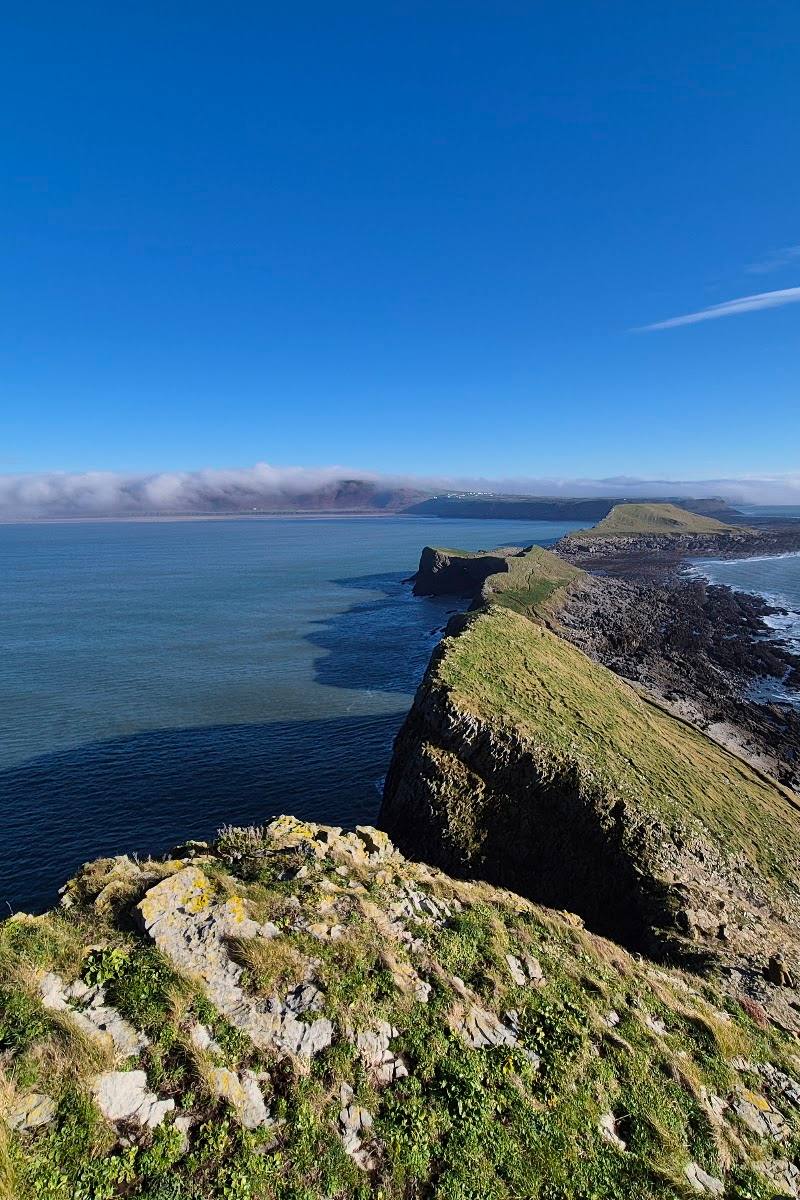
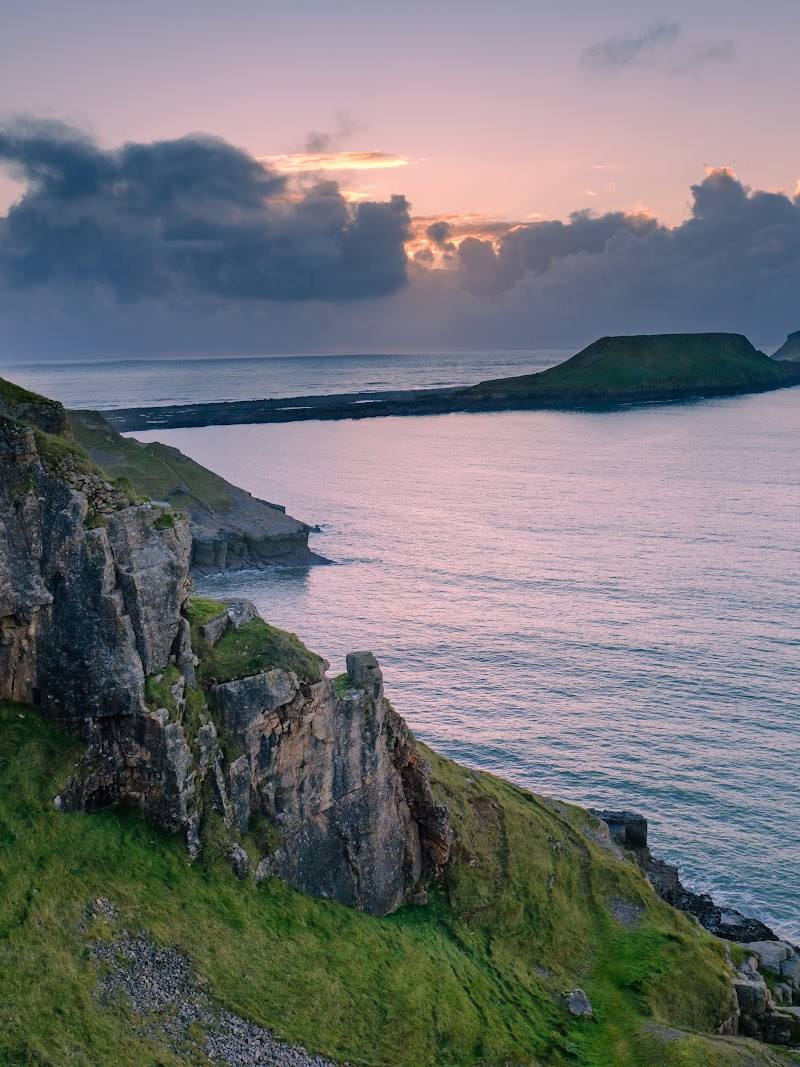
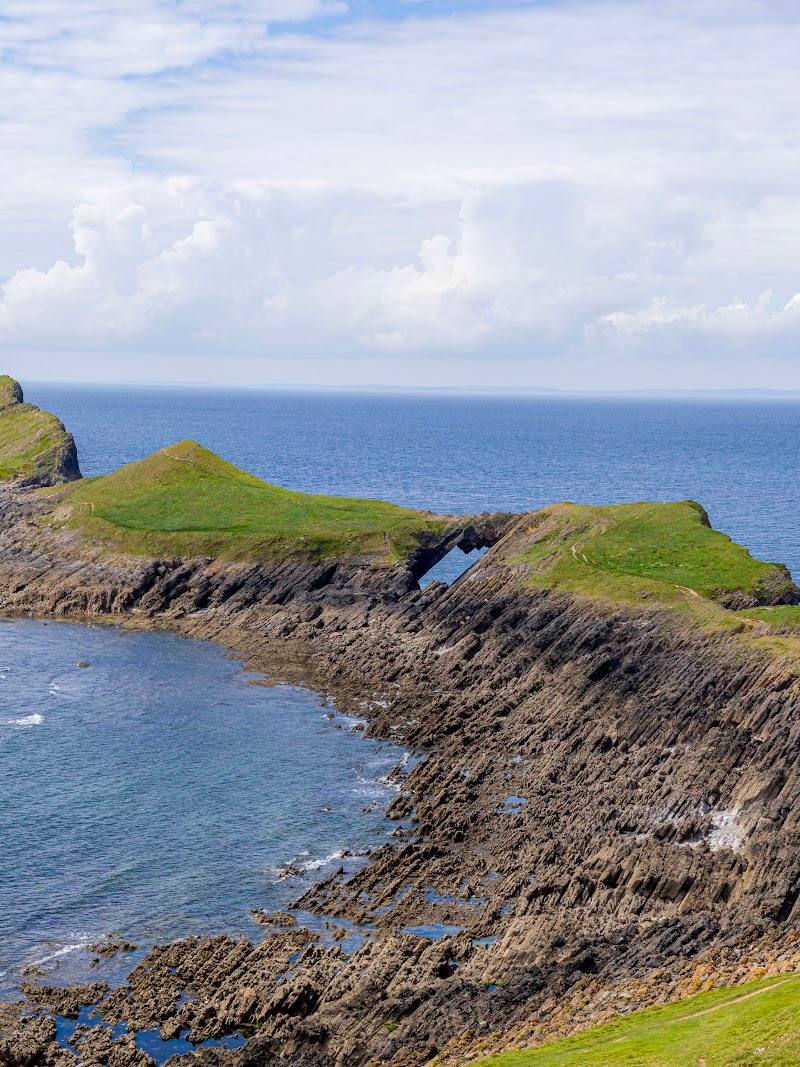
8.4At the end of Rhossili Bay, Worm’s Head stretches out as three limestone heads joined by a causeway that the sea regularly covers. On the Inner Head, an Iron Age enclosure remains visible; farther out, a collapsed sea cave forms Devil’s Bridge.
This is more than a dramatic headland view: the route crosses a landscape reshaped by the tide, past an Iron Age enclosure and the striking natural arch of Devil’s Bridge. Its changing access makes tide planning part of the experience, not an afterthought.
Dramatic · Wild · Atmospheric
Find your way
Open mapRhossili, Gower Peninsula, Swansea, Wales
Opening map…
Know this place a little better?
The experience
Plan around the tide, walk out only when the causeway is safely exposed, and look for the Iron Age enclosure on the Inner Head and Devil’s Bridge farther out. Conditions and access windows matter; check current local information before setting off.
Things to do
Time the causeway crossing
Check the tide information at the causeway and only cross within the safe access period. The route is exposed around low tide and can be cut off by the sea.
Look for the Iron Age enclosure
An Iron Age enclosure can be seen on the flat top of the Inner Head, according to the Coflein site record.
Find Devil’s Bridge
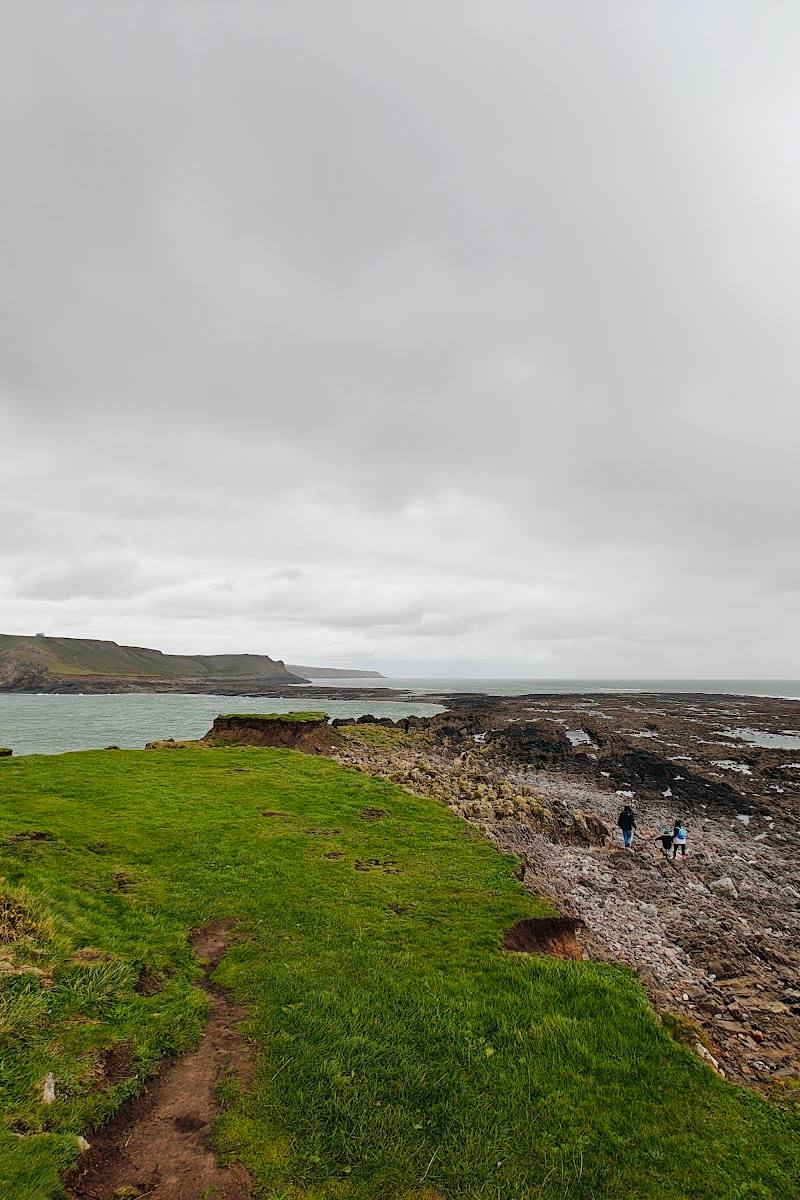
On the Middle Head, look for the arch formed by a collapsed sea cave. Reaching it requires crossing the rocky causeway and should only be attempted when access is safe.
Notice the caves and blowhole
Coflein records several caves on the Outer Head, including one that forms a blowhole. Observe from a safe position and do not approach exposed edges or openings.
Make a day of it
Quick escape · Allow 1–2 hours; actual time depends on the tide window and conditions.
Quick Escape: the headland from Rhossili
- 01
Check the tide information at the causeway and confirm the crossing is within the safe access period.
- 02
Walk from Rhossili towards the Inner Head only when access is safe.
- 03
Look for the Iron Age enclosure on the Inner Head, then return before the causeway is covered.
Half day · Half day; confirm tide timings and beach access before planning.
Make a half day of it: Worm’s Head and Rhossili Bay
- 01
Plan the Worm’s Head crossing around the low-tide access window; check the causeway tide board before setting out.
- 02
Explore the Inner Head and, only if the route is safe and time allows, continue towards Devil’s Bridge and the Middle Head.
- 03
Return to Rhossili and take in the wider bay from a suitable walking route; Visit Swansea Bay describes views of the beach, cliffs and Worm’s Head from local walking routes.
Verified history
Coflein records an Iron Age enclosure on the flat top of the Inner Head. The same record describes Worm’s Head as a limestone natural feature made up of Inner, Middle and Outer Heads, with Devil’s Bridge formed by a collapsed sea cave. The supplied sources do not establish further dates or a fuller history of the enclosure.
Folklore & legend
Visit Wales says the name ‘Worm’ comes from the Viking word for a sea serpent. It also recounts that the poet Dylan Thomas was marooned there until midnight as a boy. Treat the name origin and anecdote as reported accounts, not as independently verified facts from the supplied archaeological record.
Hidden details
An enclosure on the Inner Head — The flat top of the Inner Head preserves a visible Iron Age enclosure, an easily missed archaeological detail amid the coastal scenery.
A collapsed cave makes the bridge — Devil’s Bridge is not an ordinary rock arch: Coflein identifies it as the remains of a collapsed sea cave.
A cave that becomes a blowhole — The Coflein record notes a cave on the Outer Head that forms a blowhole. Keep a safe distance from the exposed coastline.
When to go
· Around low tide, but only within the safe access window shown locally. Check the tide board and current conditions before crossing.
The defining constraint is the tide, not a verified seasonal peak. The supplied sources do not establish a best month or season.
Coastal conditions can change; check current conditions and tide information before setting out. The supplied sources do not provide specific weather thresholds.
Worth pairing with
Rhossili Bay
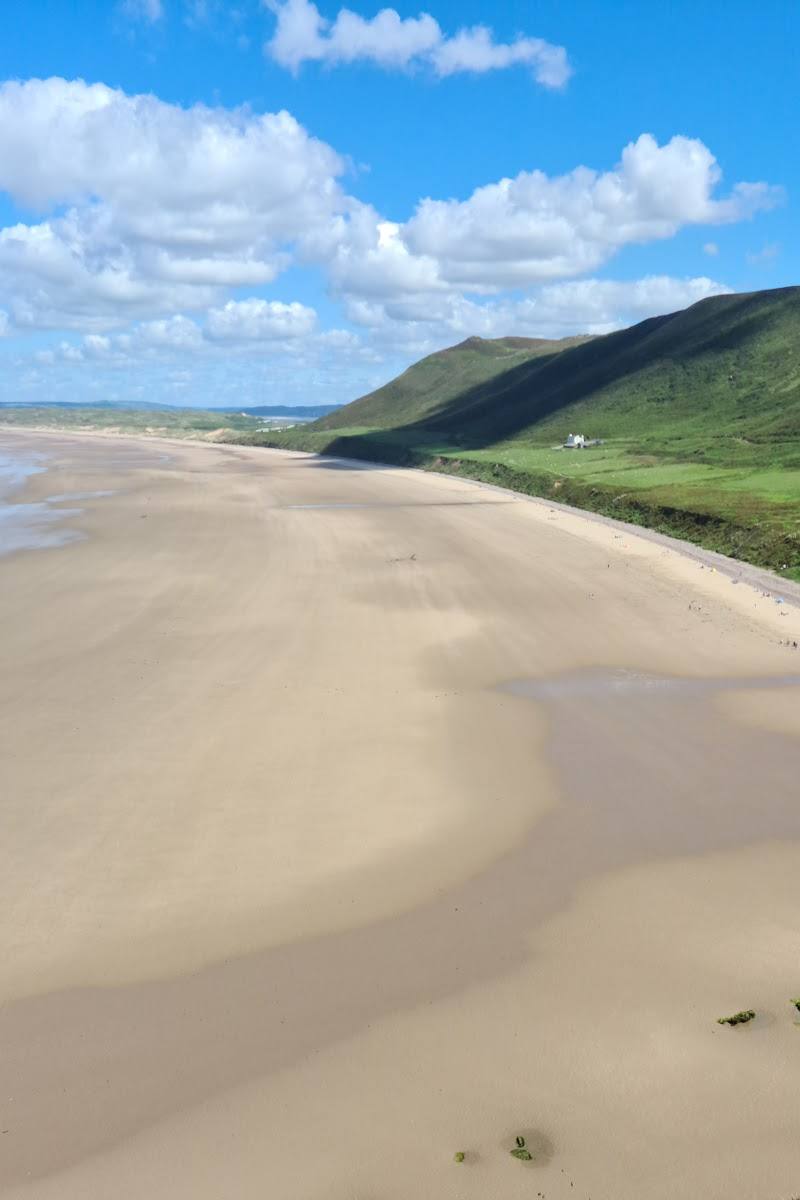
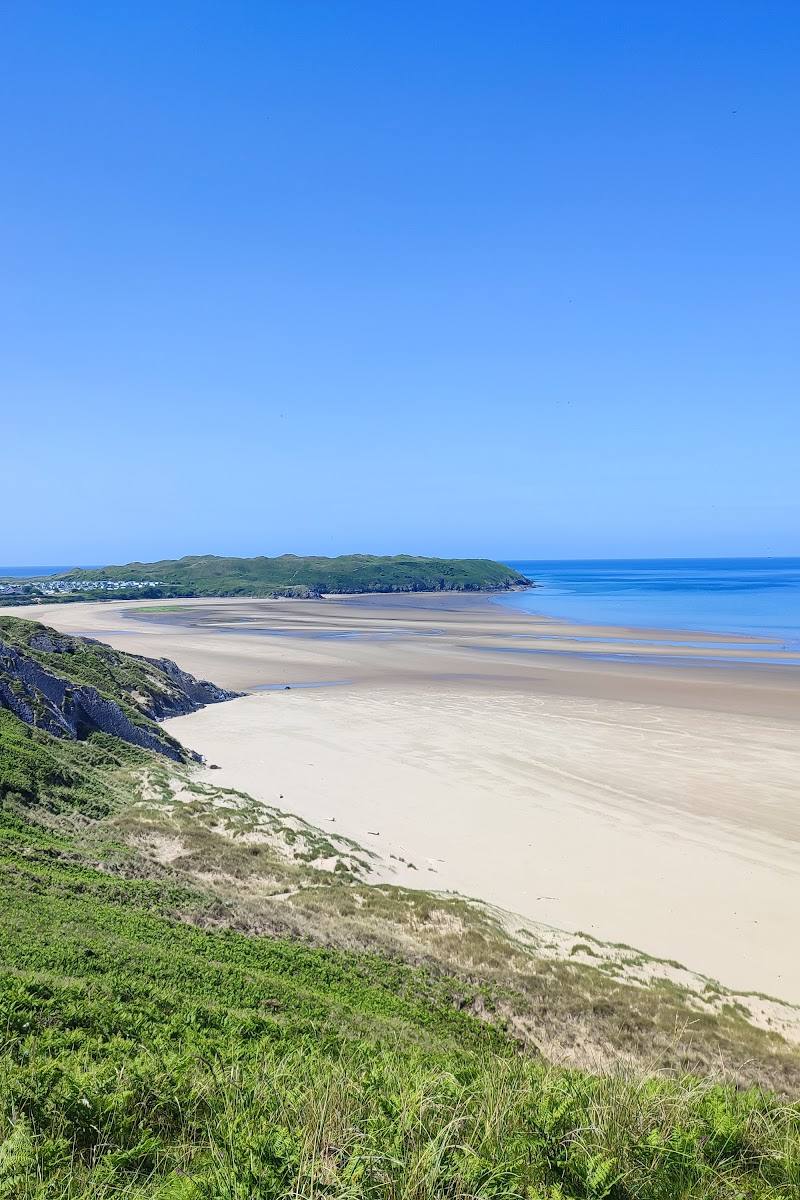
A three-mile sandy shore at the same headland, with cliffs and walking routes offering views of Worm’s Head. Beach access and conditions should be checked locally.
What to look for
On the Inner Head, look for the remains of an Iron Age enclosure. On the Middle Head, notice Devil’s Bridge: the natural arch formed by a collapsed sea cave. The outer head has caves, including one that forms a blowhole.
The story
Archaeology
Best time to go
Check tide times and weather before any visit; no best season is established by the supplied sources.
Around low tide, within the locally advised safe access window. The supplied sources say access is limited to around two hours either side of low tide; check the tide board at the causeway and current conditions before crossing.
How long to spend
1–2 hours; check current access and conditions
Perfect for
Walkers · Photographers · History lovers
Before you go
Practical information
Opening & access
A tidal rocky causeway links the Inner, Middle and Outer Heads and is exposed only around low tide. Check the tide information at the causeway before setting out; do not attempt the crossing outside the safe access window.
Check before visiting
Parking
Check before visiting
Check before visiting
Toilets
Check before visiting
Check before visiting
Food & drink
Check before visiting
Check before visiting
Dogs
Check before visiting
Check before visiting
Accessibility
The rocky causeway and uneven terrain make this a demanding, tide-dependent walk; accessibility details are not established by the supplied sources. Check before visiting.
Check before visiting
Cost
Check before visiting
Check before visiting
Water
Sea
Gallery
Place photographs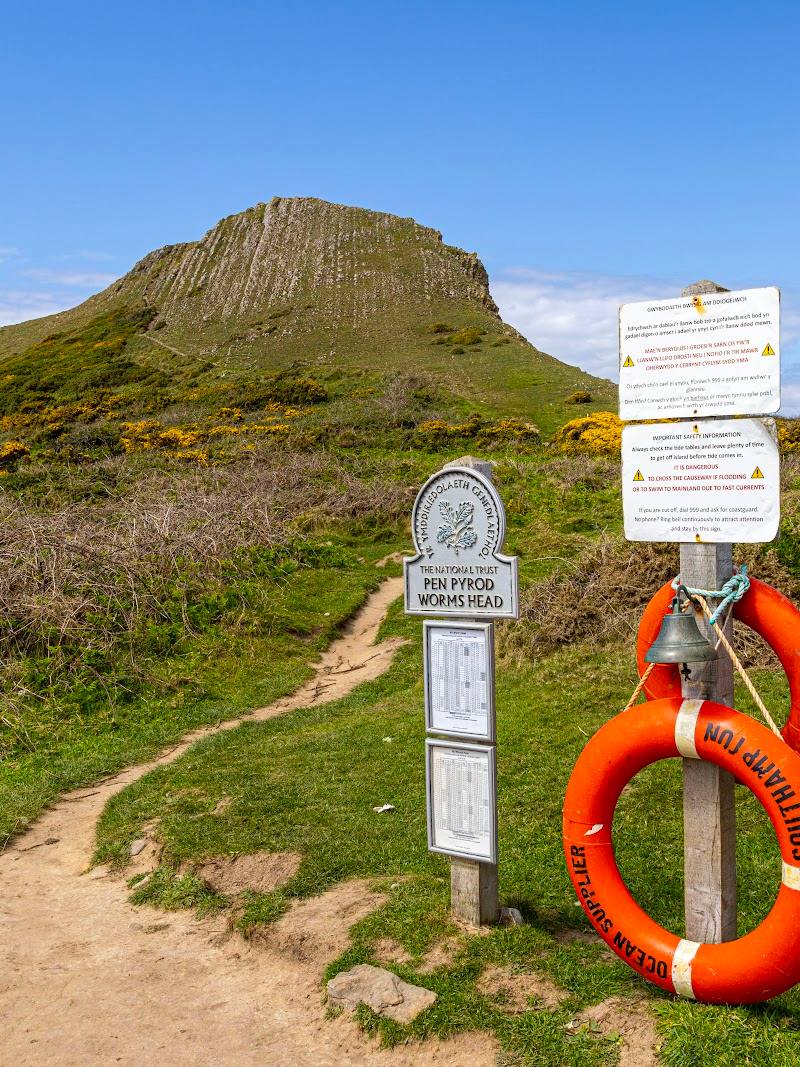
Keep exploring
Around Worm’s Head
Within 50 km · approximate straight-line distances