Near Winterbourne Abbas, Dorset, DT2 9XD
Winterbourne Poor Lot Barrows
Prehistoric
Place photograph
5.3
Wildland
1–2 hours
Time
Free
Cost
Ancient-feeling
Feel
Why it's Wildland
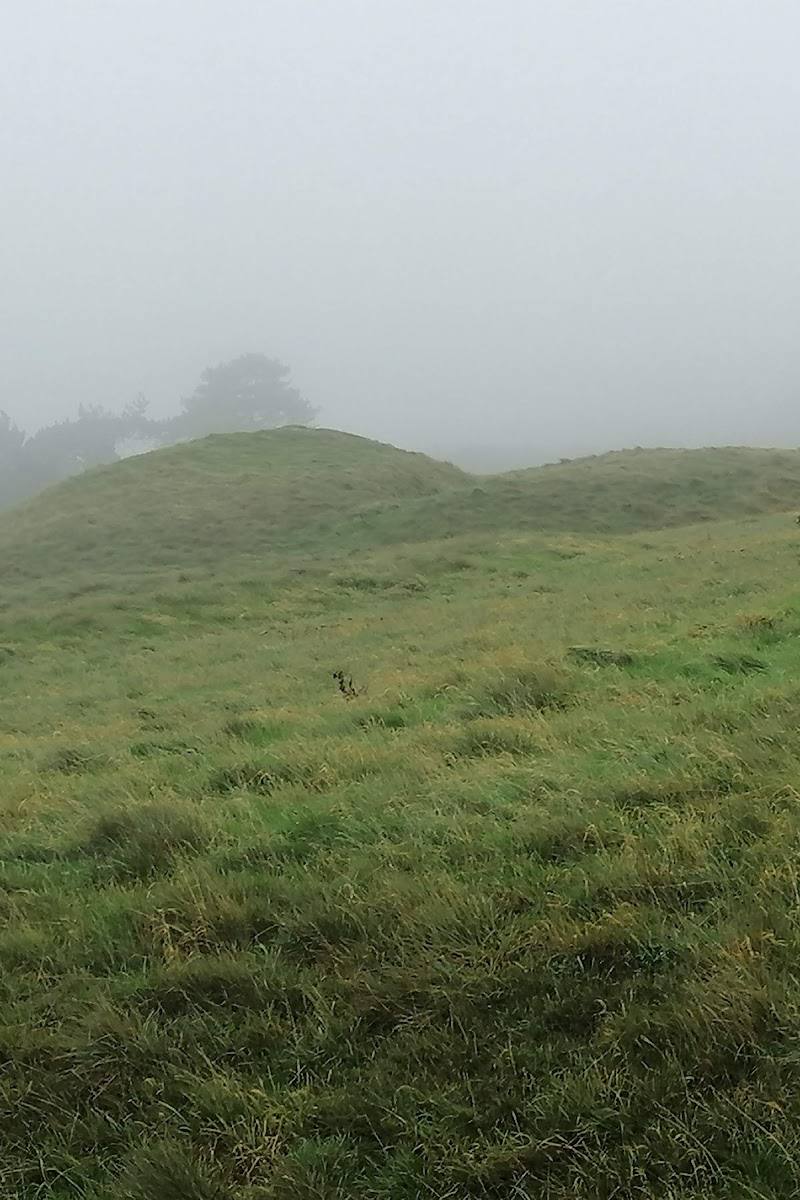
5.3A Bronze Age burial landscape of at least 44 barrows, with an unusual variety of mound types gathered in a valley setting beside the A35.
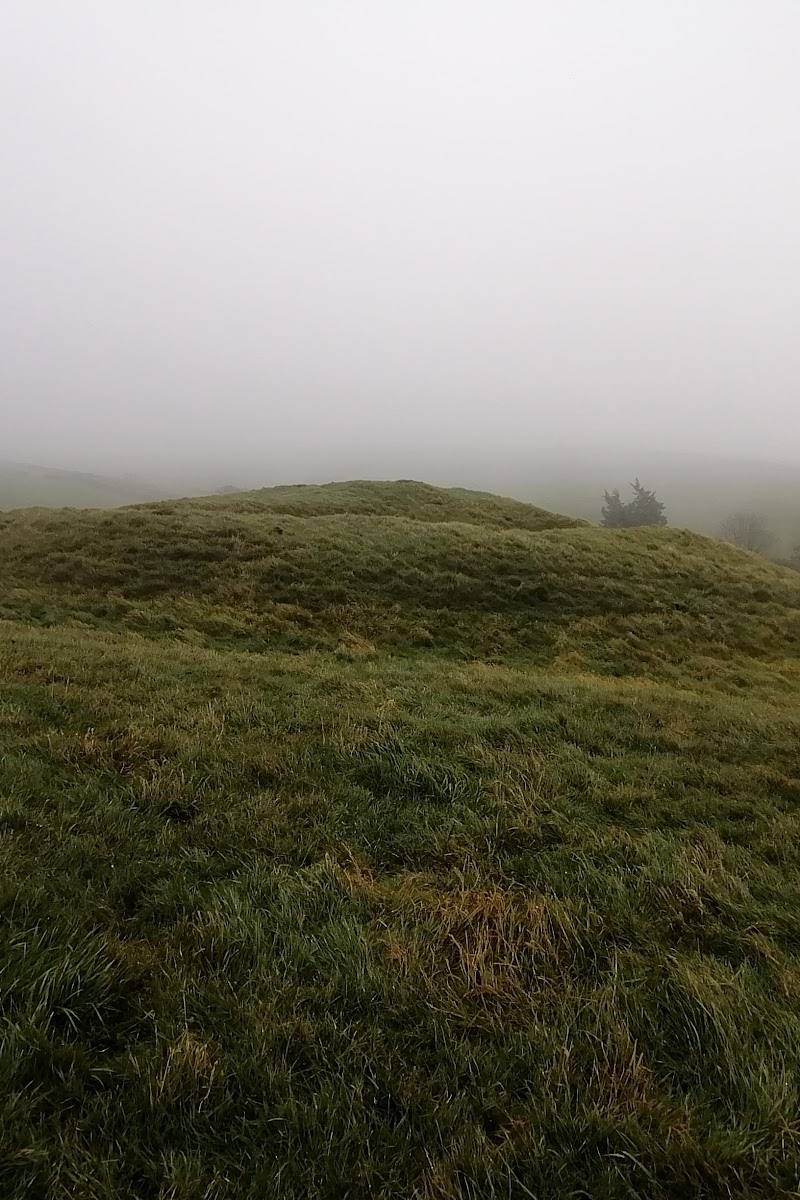
This is more than a scattering of ancient mounds: the cemetery brings together rare barrow forms in an unusually low-lying setting. Its scale and variety reward a slow walk and close attention to the shapes in the earth.
Ancient-feeling · Atmospheric
Find your way
Open mapNear Winterbourne Abbas, Dorset, DT2 9XD
Opening map…
Know this place a little better?
The experience
Follow the recommended footpath from Longland’s Lane, then take time to distinguish the mounds and their earthwork outlines. The site is a compact archaeological visit, best paired with another prehistoric stop if making a longer outing.
Things to do
Compare the barrow forms
Look for the cemetery’s range of forms, including bowl, disc and pond barrows. Historic England identifies the variety as a distinctive feature of the site.
Allow time to explore at your own pace
Find the large central bowl barrow
Historic England describes the largest mound as a bowl barrow, about 35 metres across and up to 2.5 metres high, with a surrounding ditch.
Trace the linear barrow group
At the western end of the scheduled group, look for the alignment described by Historic England: a disc barrow and seven bowl barrows.
Make a day of it
Quick escape · 1–2 hours
Quick Escape
- 01
Use the English Heritage directions to reach the recommended parking area from Longland’s Lane.
- 02
Follow the public footpath across farmland to the barrow field; allow for the approximately one-mile approach.
- 03
Walk slowly among the mounds, looking for the difference between the bowl, disc and pond barrow forms.
- 04
Return by the same route. Do not approach from the A35.
Verified history
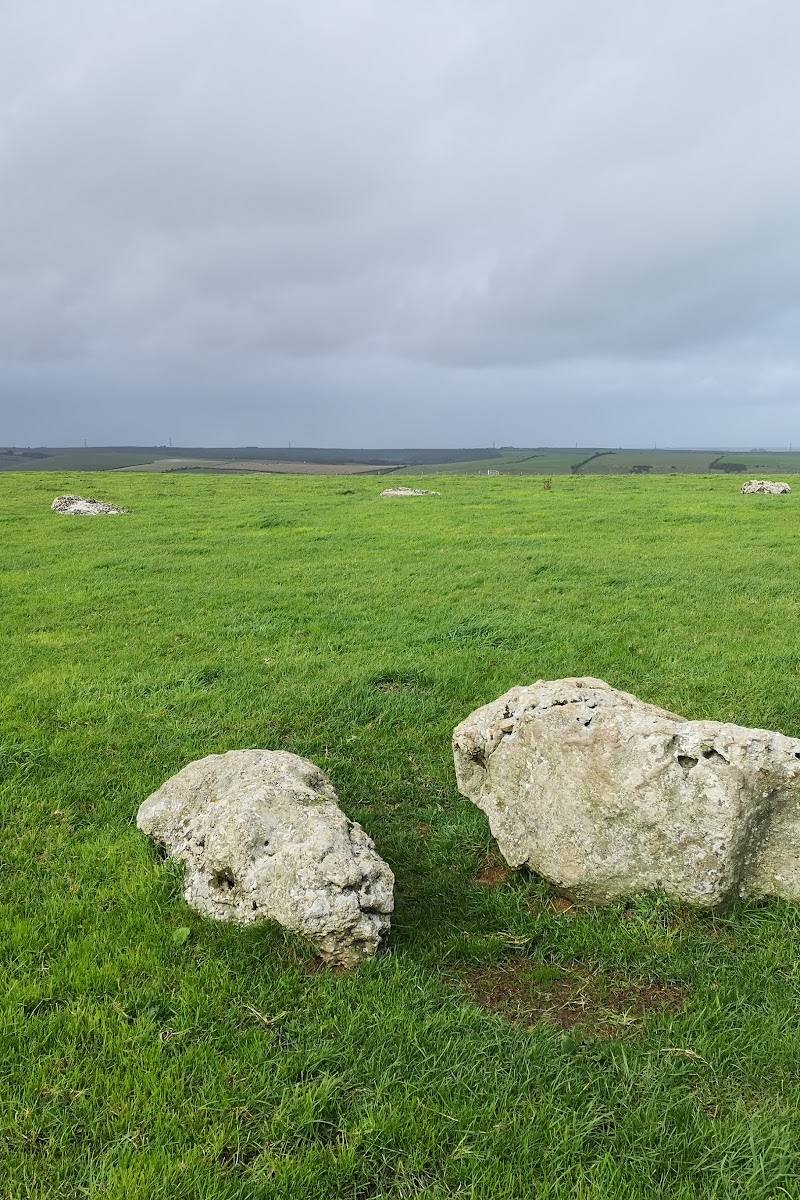
Winterbourne Poor Lot is a dispersed Bronze Age barrow cemetery containing at least 44 mounds. Historic England describes a core group of 21 barrows and notes that the wider cemetery includes a rare variety of forms, including disc and pond barrows. It is unusually situated in a valley bottom. The largest mound is a bowl barrow about 35 metres in diameter and up to 2.5 metres high. The scheduled monument was first listed in 1957.
Hidden details
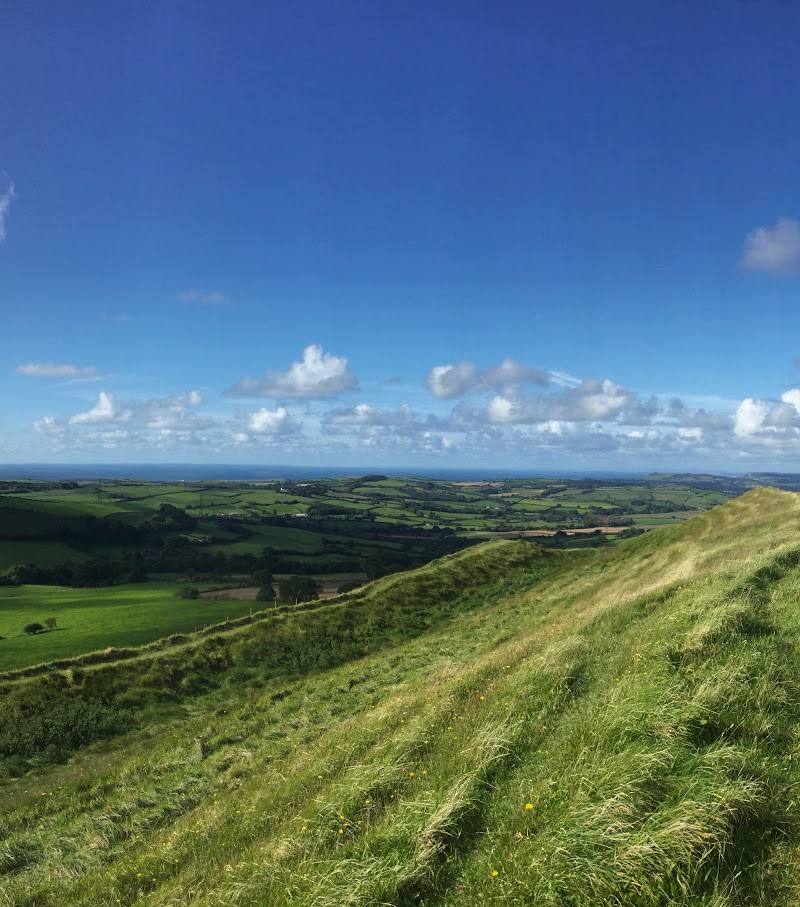
An unusual valley-bottom cemetery — The barrows are unusually situated within a valley bottom. Historic England notes that the mounds are inter-visible and that their settings appear carefully positioned to provide views towards neighbouring barrow groups.
A rare mix of mound types — This cemetery is identified by Historic England as one of few in Dorset with such a wide range of round barrow forms, including rare disc and pond barrows.
When to go
· Daylight hours
English Heritage advises visiting during daylight. No particular season is identified as best by the supplied sources.
The approach crosses farmland and includes moderate slopes. Wear suitable footwear and check conditions before setting out.
Worth pairing with
Kingston Russell Stone Circle
Another nearby prehistoric monument that English Heritage identifies as within easy driving distance.
Maiden Castle
An Iron Age hillfort near Dorchester, listed by English Heritage as another possible stop in the area.
What to look for
Look for the contrast between the different barrow forms, the broad central bowl barrow and the linear group of a disc barrow with seven bowl barrows. Some earthwork outlines may be difficult to distinguish.
The story
Archaeology
Best time to go
Any season; choose a clear daylight visit when the earthworks are easiest to make out.
Visit during daylight, as English Heritage advises. Clear light can help reveal the contours of the earthworks; avoid attempting to reach the site directly across or from the A35.
How long to spend
1–2 hours
Perfect for
History lovers · Walkers · Photographers
Before you go
Address
Phone
Website
Listed hours
- Monday: Open 24 hours
- Tuesday: Open 24 hours
- Wednesday: Open 24 hours
- Thursday: Open 24 hours
- Friday: Open 24 hours
- Saturday: Open 24 hours
- Sunday: Open 24 hours
Check before visiting.
Google rating
Practical information
Opening & access
Free entry, open during daylight hours. English Heritage describes access via a public footpath from Longland’s Lane, with an approximately one-mile walk over farmland and moderate slopes. Do not approach directly from the A35. Check conditions before visiting.
Check before visiting
Parking
English Heritage advises turning off the A35 onto Longland’s Lane and parking on the right-hand verge near the junction for Portesham. This is not a designated car park; check current guidance and park considerately.
Check before visiting
Toilets
Check before visiting.
Check before visiting
Food & drink
Check before visiting.
Check before visiting
Dogs
Keep dogs on leads: sheep may graze at the site and cattle may be present on the access route.
Accessibility
The approach includes an approximately one-mile walk over farmland and moderate slopes. Wheelchair access is not confirmed; check before visiting.
Check before visiting
Cost
Free
Gallery
Place photographsKeep exploring
Around Winterbourne Poor Lot Barrows
Within 50 km · approximate straight-line distances