New Tank Hill Road, Purfleet-on-Thames, near Rainham, Essex RM19 1SZ
Rainham Marshes Nature Reserve
Mixed-habitat reserve
Source image
6.0
Wildland
1–2 hours
Time
Check
Cost
Peaceful
Feel
Why it's Wildland
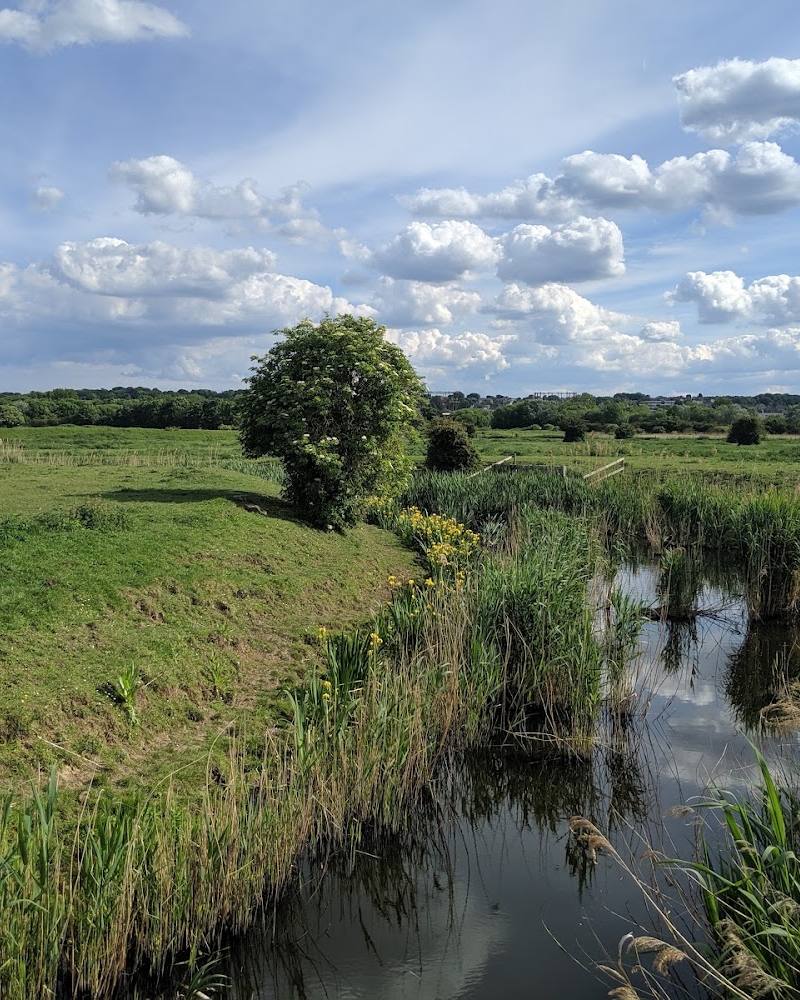
6.0A Thames Estuary wetland of grazing marsh, pools and ditches, where lapwings, water voles and wintering birds persist surprisingly close to London. Its former military use helped leave much of this marsh landscape undisturbed; today, careful habitat management supports an unusually varied mix of wildlife.
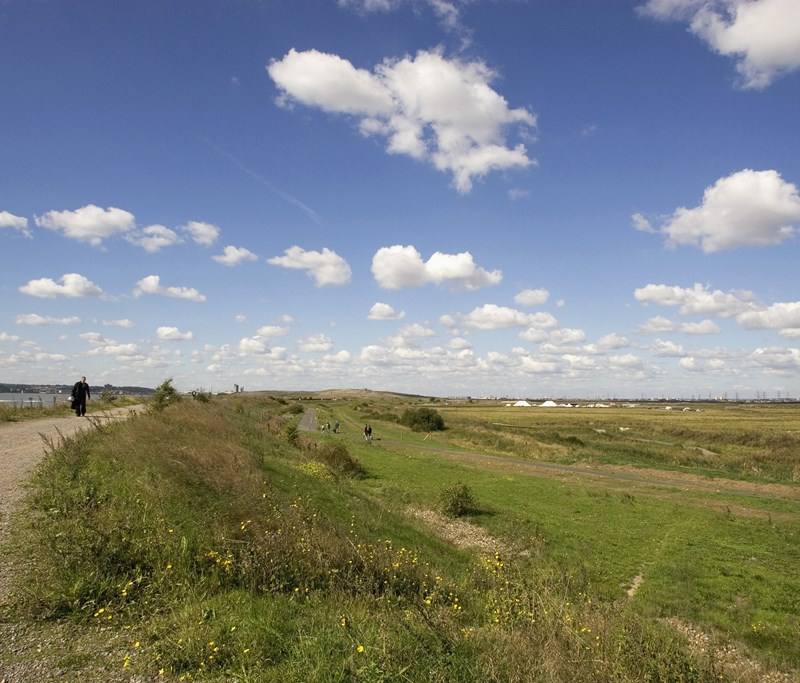
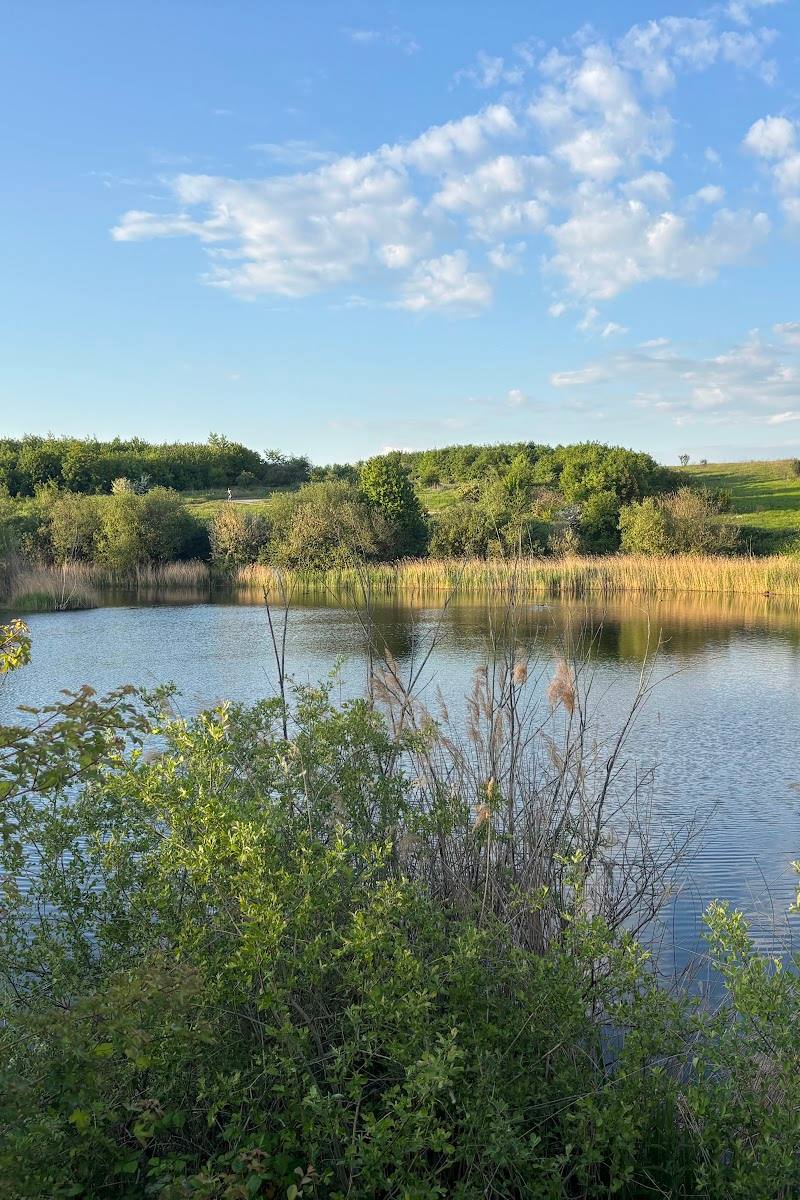
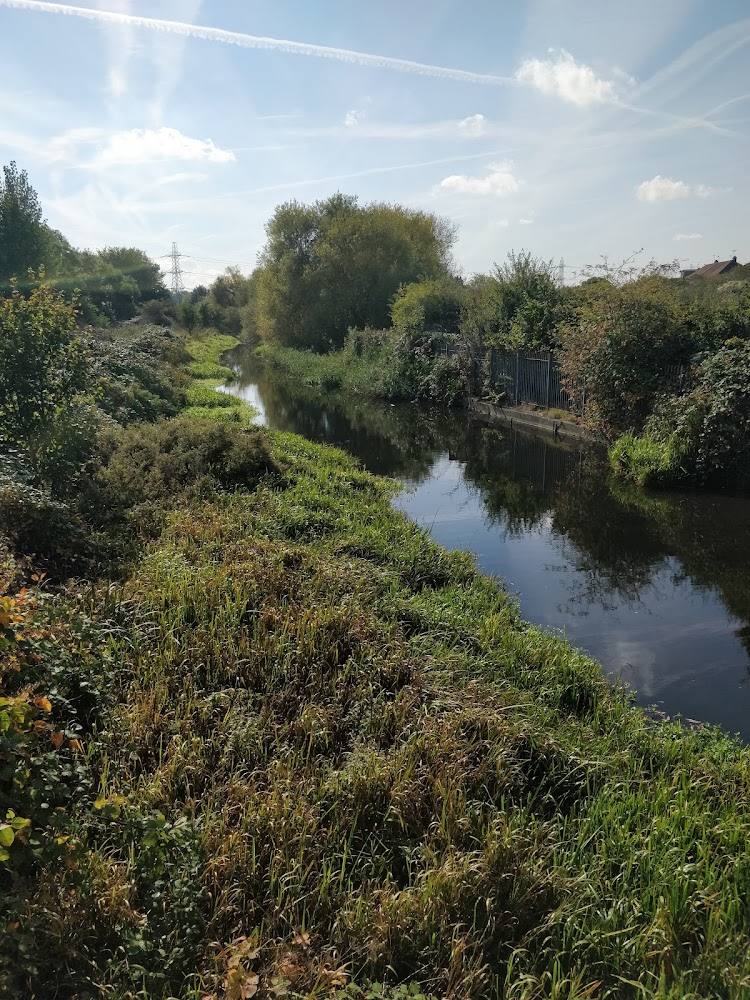
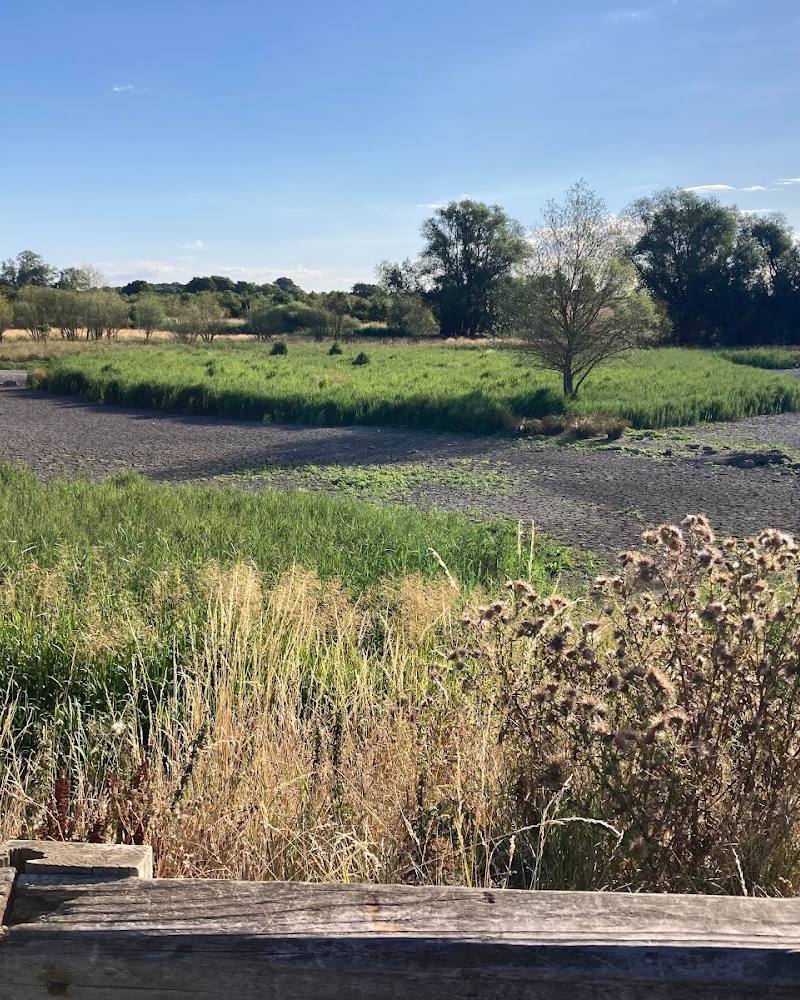
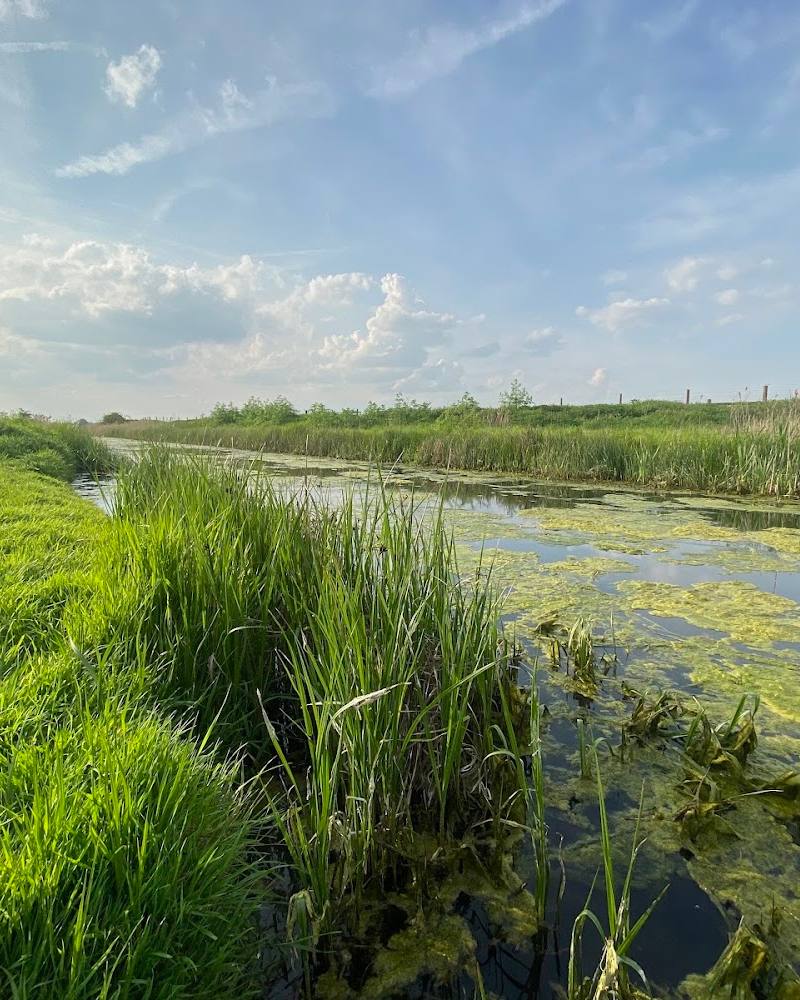
Rainham Marshes brings a substantial, wildlife-rich wetland into the orbit of London’s urban edge. Its shifting pools, grazed grassland, reedbeds and managed ditches reward slow looking, while boardwalks and hides make the landscape accessible without turning the visit into a strenuous expedition.
Peaceful · Wild · Big-sky
Find your way
Open mapNew Tank Hill Road, Purfleet-on-Thames, near Rainham, Essex RM19 1SZ
Opening map…
Know this place a little better?
The experience
Explore the wet grassland, pools and ditches on the reserve’s paths and boardwalks; pause at viewing hides and look for marshland birds and water voles. The RSPB notes that wildlife sightings vary with season, weather and rainfall.
Things to do
Watch the marsh from a hide
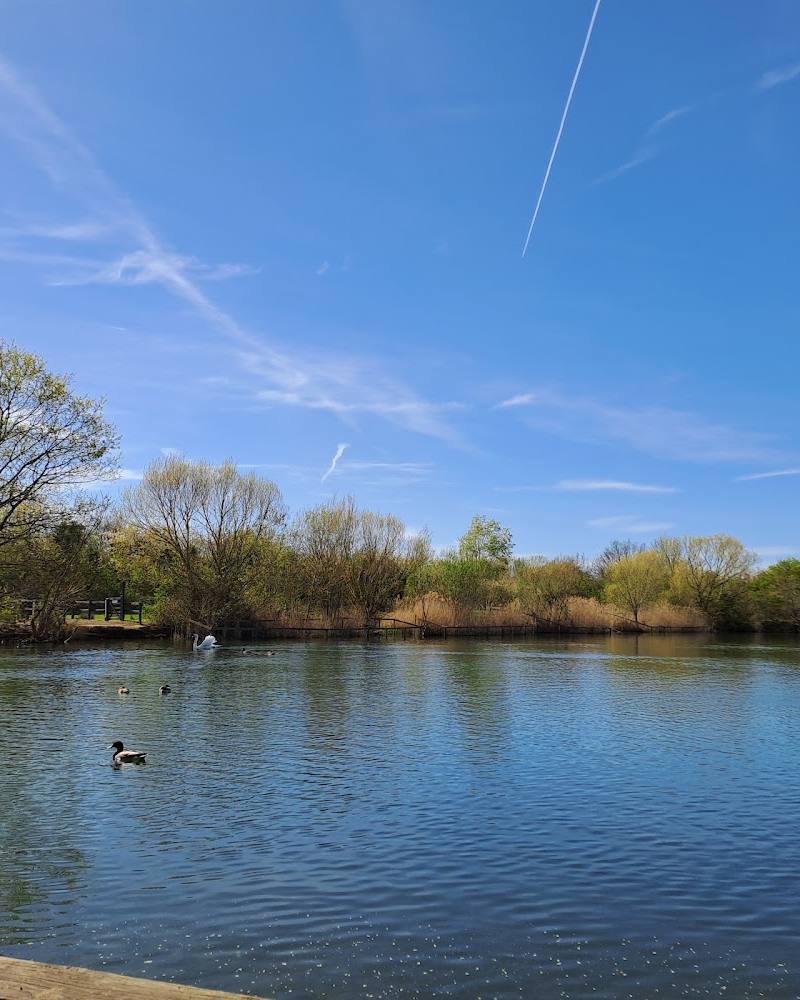
Settle at a reserve hide or viewing point and scan the pools and wet grassland for birds. The RSPB lists recent sightings including marsh harriers, lapwings, redshanks and wildfowl; sightings change with season and conditions.
Allow 20–45 minutes
Look for water voles
The RSPB says water voles may be seen from the Bus Stop and Shooting Butts Hide. Watch quietly along the ditches and banks; sightings are not guaranteed.
Allow 15–30 minutes
Explore the gravel paths and boardwalks
Follow the reserve’s paths through a managed patchwork of wet grassland, pools and ditches. Some areas may be less accessible in poor weather, so check with staff before setting out.
Allow 1–2 hours
Look for seasonal birdlife
Spring and summer bring breeding birds; autumn is a migration period, and winter brings wildfowl and birds gathering to feed or roost. Check recent reserve sightings for what is being seen now.
Allow 30 minutes or more
Walk the Thames riverside path
The public riverside path and cycleway runs adjacent to the reserve and offers a separate waterside extension to a visit. It is outside the reserve, where Thurrock Council says dogs are allowed on this path.
Make a day of it
Quick escape · 1–2 hours
Quick marshland wildlife visit
- 01
Check current reserve opening and access information before setting out.
- 02
Start from the visitor-centre trail area and take a short walk on the gravel paths or boardwalks.
- 03
Pause at a viewing point or hide and scan the pools, ditches and grassland for birds and other wildlife.
- 04
Return by the same route; ask staff which areas are accessible in current conditions.
Half day · Half day
Make a half day of the marshes
- 01
Check the RSPB’s current opening information, directions and facilities before travelling.
- 02
Allow time to explore the reserve paths and boardwalks at an unhurried pace.
- 03
Spend time at the hides and viewing areas, looking for marshland birds and water voles.
- 04
If you want a longer walk, consider the adjacent Thames riverside path; note that it is outside the reserve and has different dog rules.
- 05
Use the visitor centre facilities if open, and confirm café availability before relying on it.
Verified history
Rainham Marshes was previously used as a military firing range. Thurrock Council says the marshes opened to the public in 2000 after being closed to the public for more than a century. Today, the RSPB manages water levels and uses grazing to maintain varied wet grassland and other wildlife habitat.
Hidden details
A landscape with a military past — The reserve’s former use as a military firing range is part of the explanation for why this marsh landscape remained closed to the public for more than a century before opening in 2000.
Look beyond the birds — The RSPB describes management of ditches and wet areas to support water voles, reptiles, amphibians and minibeasts, alongside the more conspicuous marshland birds.
When to go
January · February · March · April · May · June · July · August · September · October · November · December · A calm morning is a good time to watch wildlife; check current sightings and weather before travelling.
The reserve has wildlife interest throughout the year, but the focus changes: breeding birds in spring and summer, migrating birds in autumn, and larger gatherings of wintering wildfowl and waders in winter.
Rain and wet conditions may affect access to some parts of the reserve. The RSPB advises checking with staff before visiting or on arrival if route accessibility is a concern.
Worth pairing with
Thames riverside path
A public footpath and cycleway runs alongside the reserve and can extend a visit with a waterside walk. It is separate from the reserve, with different dog access rules.
Purfleet railway station
The c2c visitor guide identifies Purfleet as the nearest station and describes a walking route to the reserve via the riverside path. Check current public transport and route details before travelling.
What to look for
Scan the marsh for lapwings and redshanks, and watch the pools and ditches for wildfowl. The RSPB identifies water voles at the Bus Stop and Shooting Butts Hide, and notes that marsh harriers can be seen on most days. Look for the patchwork of grazed wet grassland, semi-permanent pools, ditches, tall grass and scrub.
The story
Archaeology, Industry
Best time to go
Year-round; winter for gatherings of wildfowl and waders, spring and summer for breeding birds, and autumn for migrating birds.
Choose a calm morning and take time at the hides. Winter is particularly good for wildfowl and waders; spring and summer bring breeding birds, while autumn sees migrating birds pass through.
How long to spend
1–2 hours; allow longer for a slower wildlife visit.
Perfect for
Wildlife lovers · Birdwatchers · Walkers · Families · Photographers
Before you go
Address
Website
Listed hours
- Monday: Open 24 hours
- Tuesday: Open 24 hours
- Wednesday: Open 24 hours
- Thursday: Open 24 hours
- Friday: Open 24 hours
- Saturday: Open 24 hours
- Sunday: Open 24 hours
Check before visiting.
Google rating
Practical information
Opening & access
The RSPB and Thurrock Council provide visitor information for the reserve. The supplied Google pin is a main-place pin, not a verified entrance or parking point; use the RSPB’s current directions before travelling. Dogs are not allowed in the reserve except assistance dogs. Check current opening arrangements and access conditions before visiting.
Check before visiting
Parking
Car park reported by Thurrock Council. The RSPB lists parking charges of £3 for two hours and £5 all day from 1 May 2026; free for RSPB members and Blue Badge holders. Check current charges and payment arrangements before travelling.
Check before visiting
Toilets
Toilets, including accessible toilets, are listed at the visitor centre by Thurrock Council and the RSPB. Check current availability before visiting.
Check before visiting
Food & drink
A café is listed by Thurrock Council. Check whether it is open on the day; bring refreshments if needed.
Check before visiting
Dogs
Dogs are not permitted in most of the reserve, except assistance dogs. Thurrock Council says dogs may use the adjacent Thames riverside path.
Accessibility
The RSPB describes flat gravel paths and boardwalks, with a short steep section at the start. Some paths may be less accessible depending on weather. Thurrock Council says boardwalks provide wheelchair and pushchair access; check with reserve staff about current conditions and route suitability.
Check before visiting
Cost
Paid parking; the RSPB lists free parking for members and Blue Badge holders. Check current details.
Check before visiting
Water
Marsh pools, drainage ditches and the adjacent River Thames; no swimming or paddling permission is established.
Gallery
Place photographsKeep exploring
Around Rainham Marshes Nature Reserve
Within 50 km · approximate straight-line distances