New Tank Hill Road, Purfleet, Essex RM19 1SZ
RSPB Rainham Marshes
Mixed-habitat reserve
Source image
7.4
Wildland
Half day
Time
Paid parking
Cost
Wild
Feel
Why it's Wildland
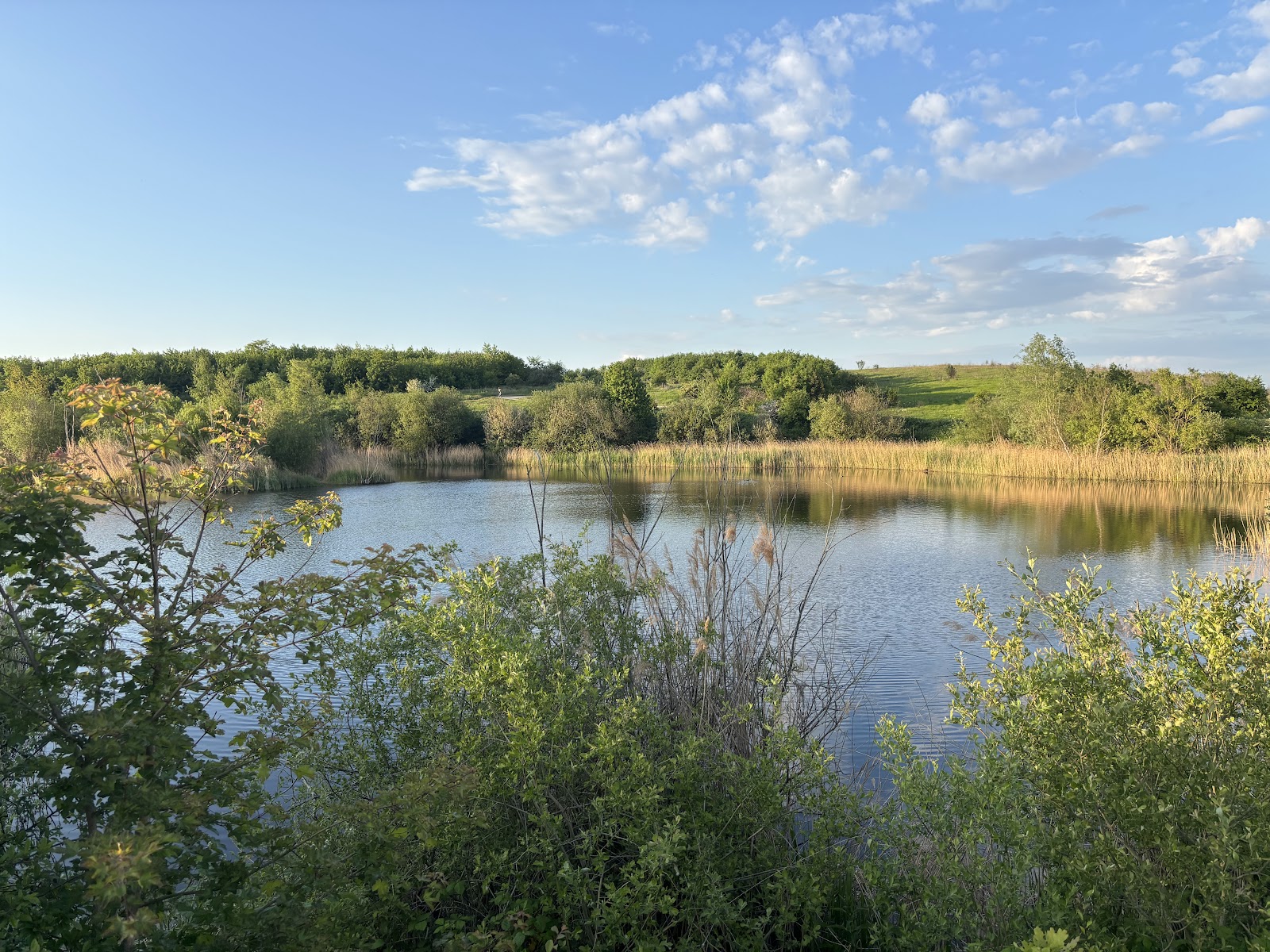
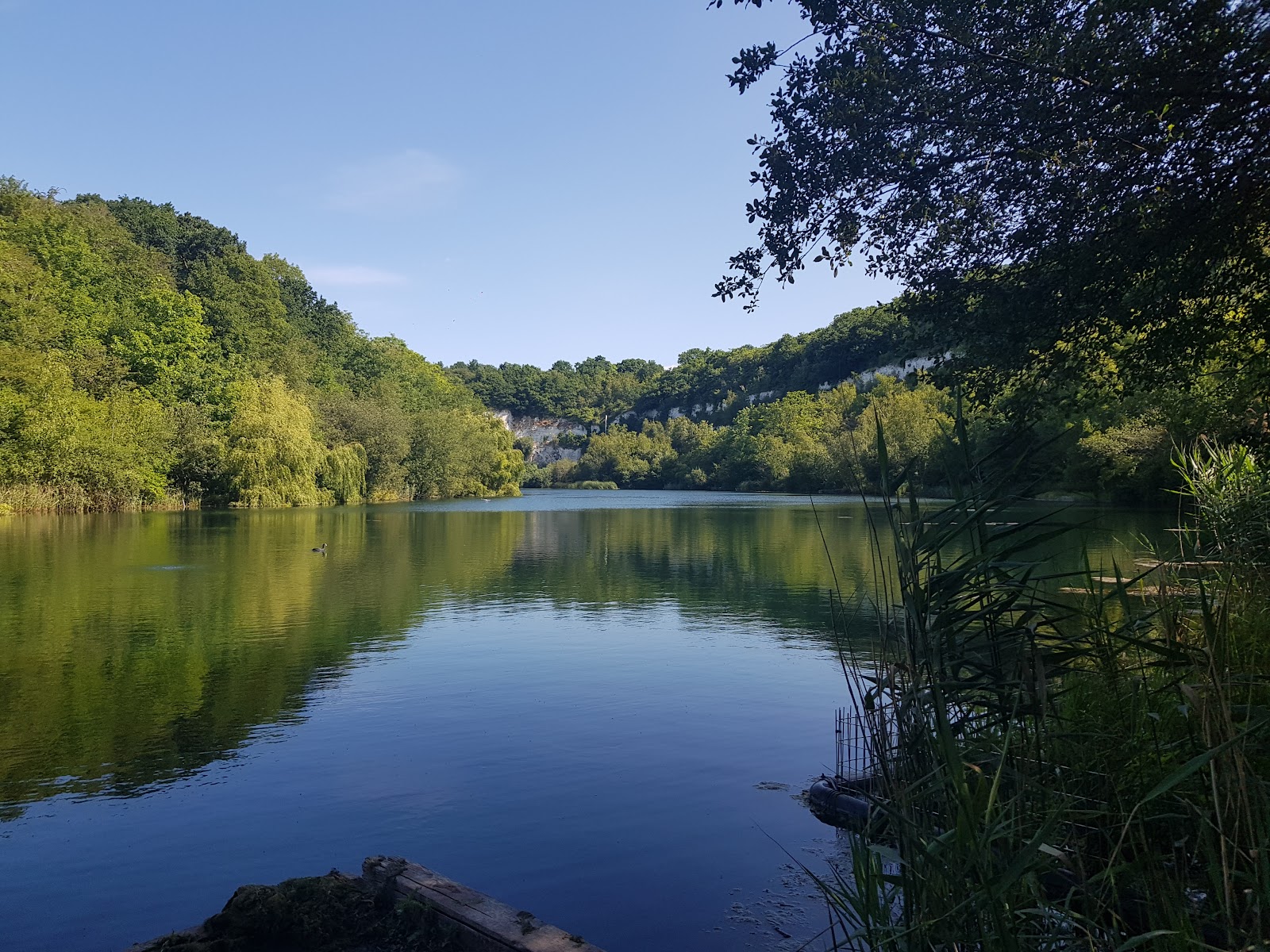
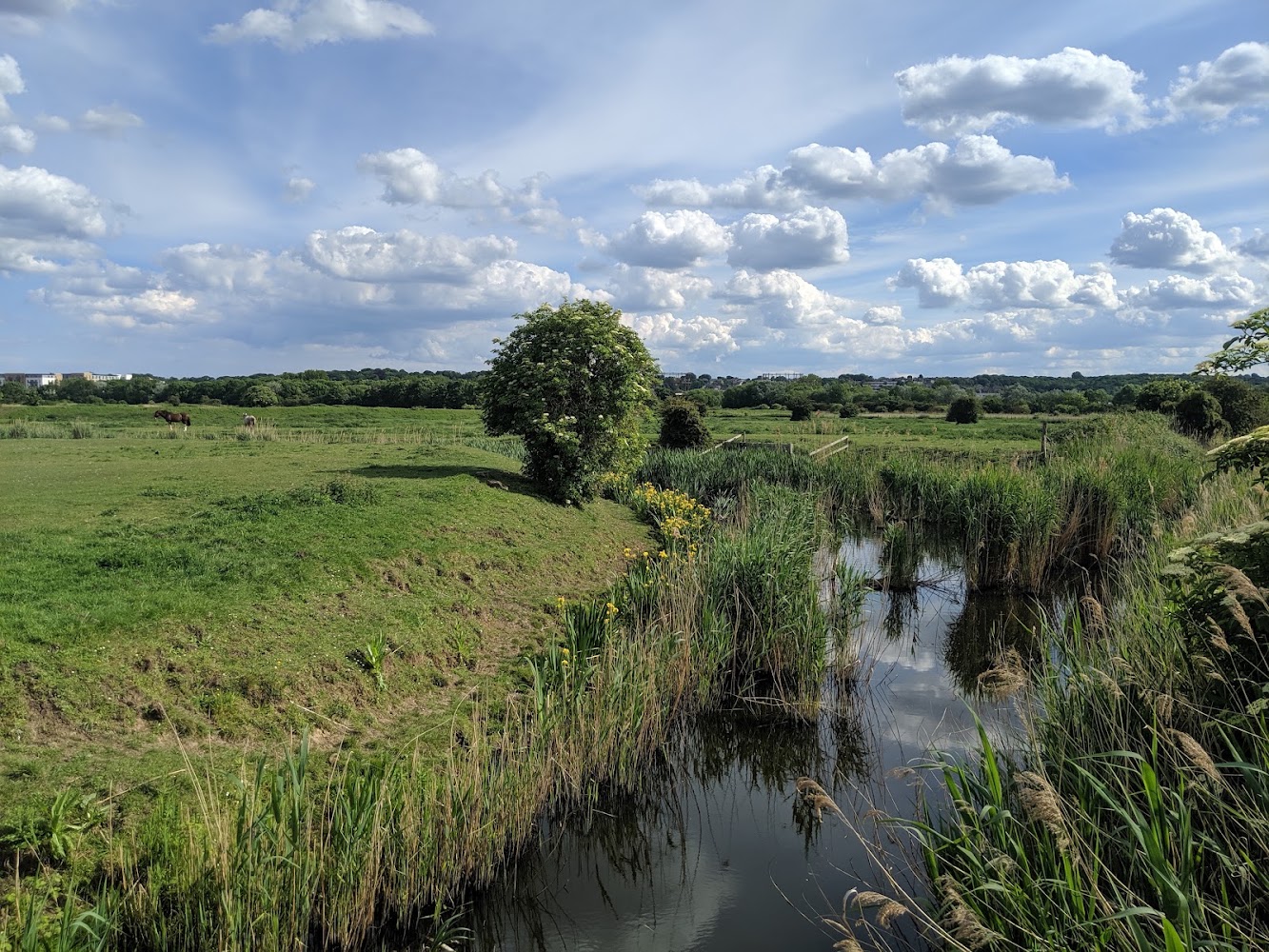
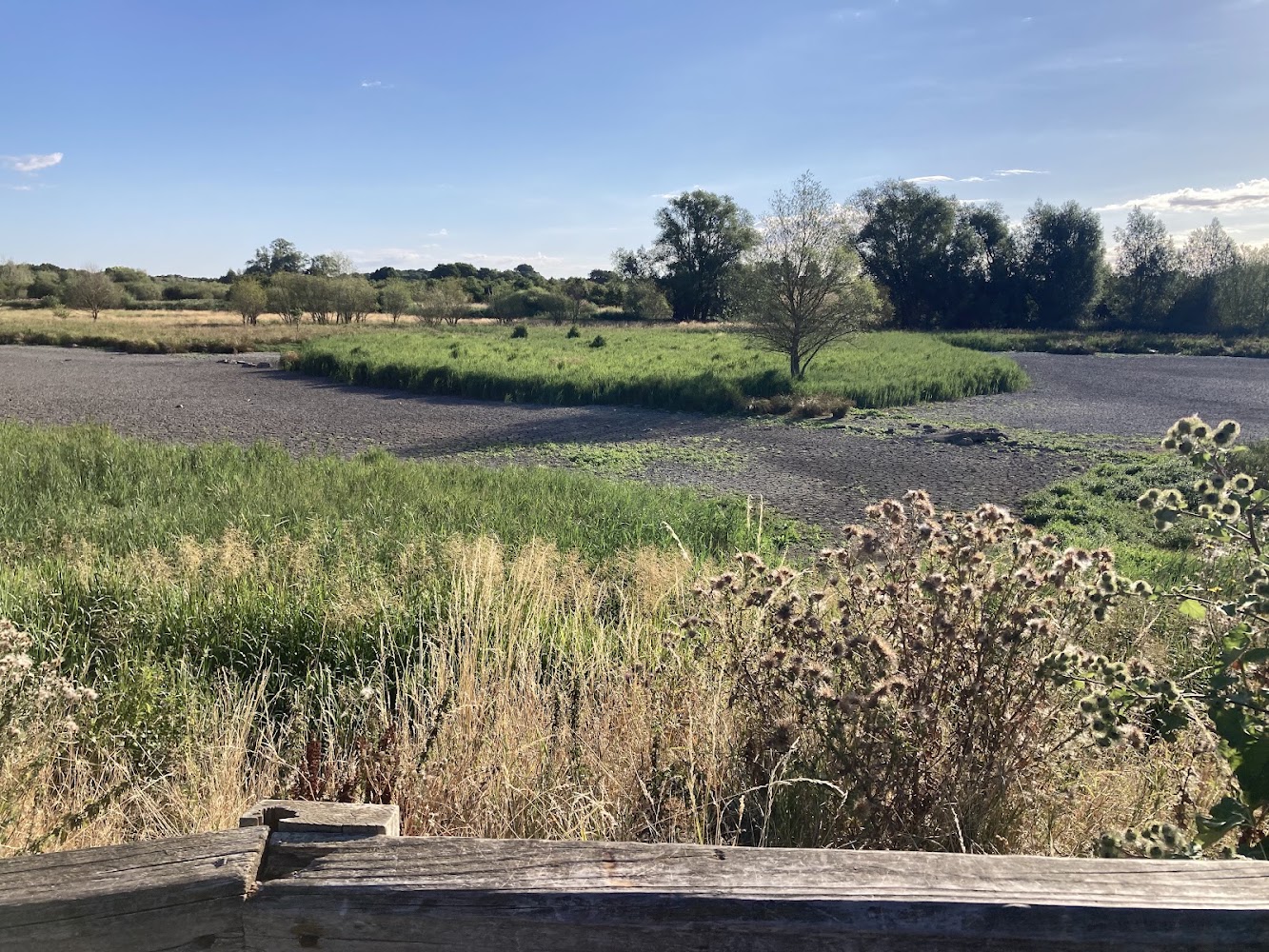
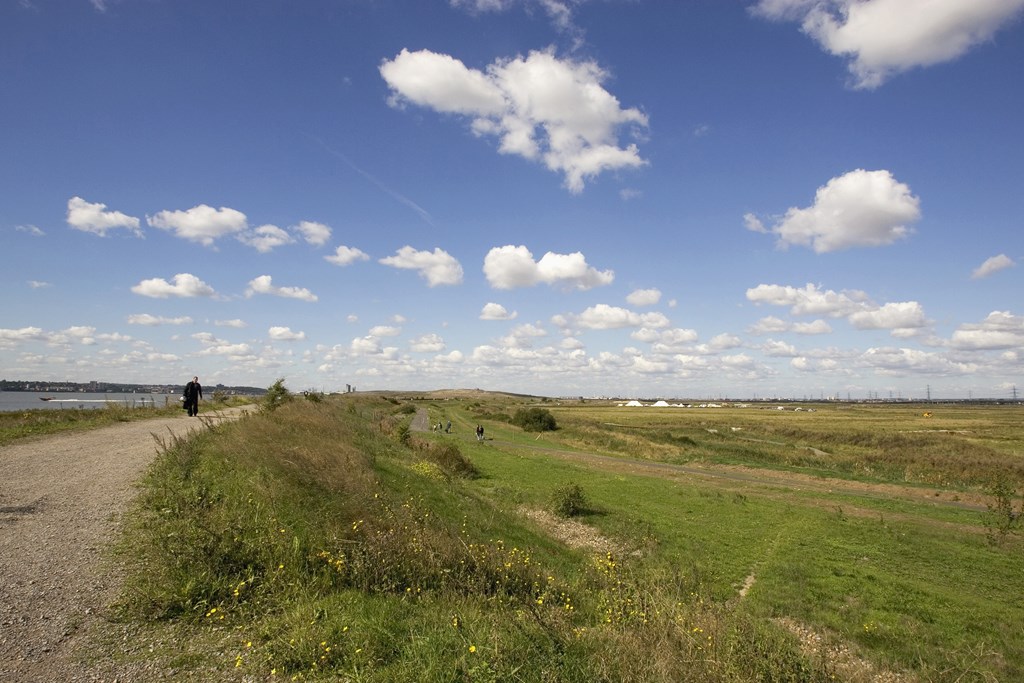
7.4On the Thames Estuary, grazing cattle, managed water levels and carefully maintained ditches shape a shifting mosaic of wet grassland, pools, scrub and sandy habitat.
Rainham is more than a walk beside wet fields: its managed marshes support wintering wildfowl and waders, hunting Short-eared Owls, Water Voles and specialist insects within reach of London. The flat gravel paths and boardwalks make it possible to explore the landscape at close quarters, though weather can affect access.
Wild · Big-sky · Peaceful
Find your way
Open mapNew Tank Hill Road, Purfleet, Essex RM19 1SZ
Opening map…
Know this place a little better?
The experience
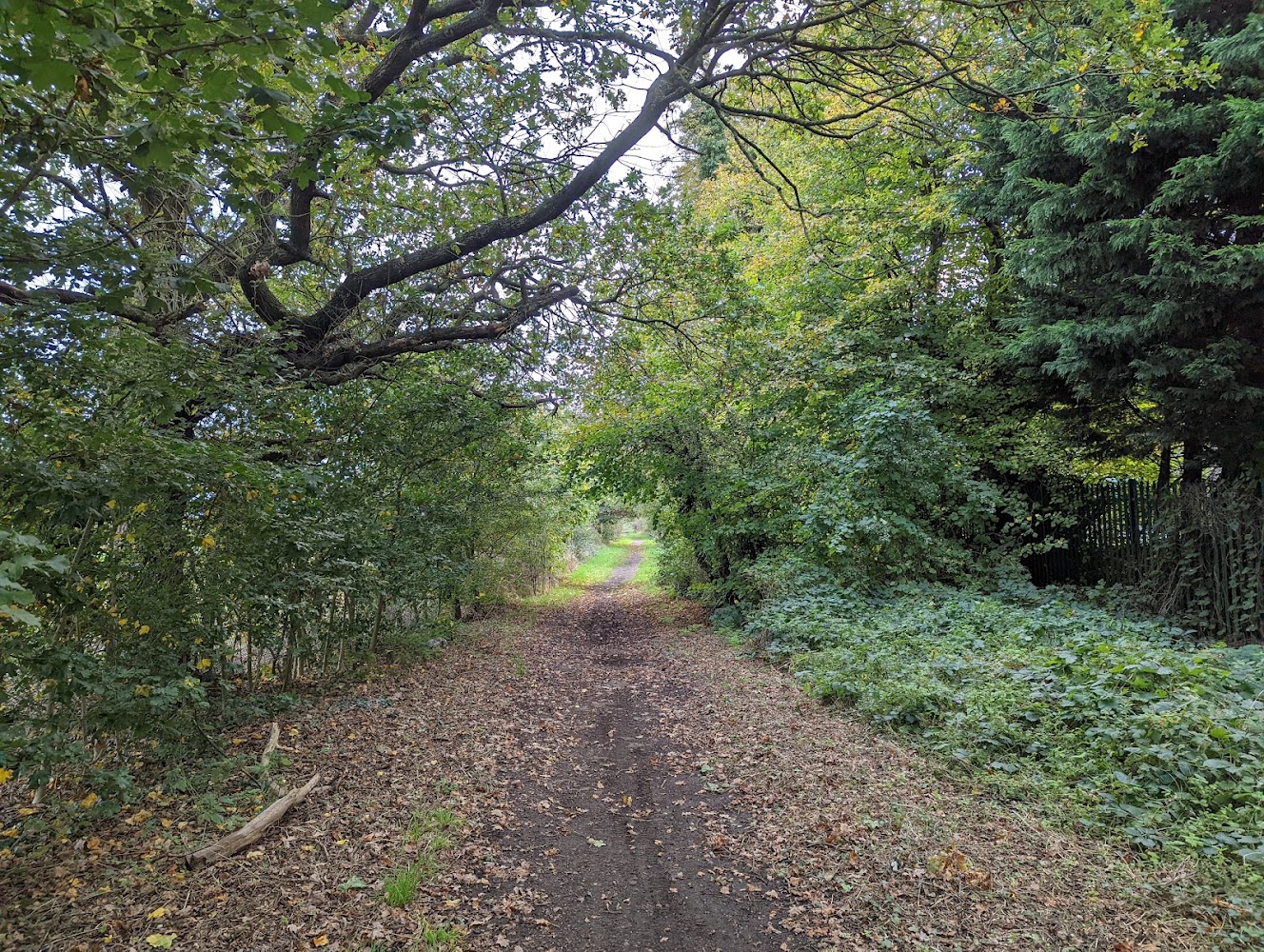
Follow the reserve trails from the visitor centre across flat gravel paths and boardwalks. Take time at the marsh viewpoints to scan pools, grassland and ditches; wildlife activity changes with season and conditions.
Things to do
Watch the wet grassland and pools
Scan the managed patchwork of wet grassland and semi-permanent pools for marshland birds, including Lapwings and Redshanks. Sightings vary with season and conditions.
Allow time to stop along the trails
Look for signs of Water Voles
Keep an eye on the reserve’s managed ditches, which are maintained as habitat for Water Voles, reptiles, amphibians and minibeasts.
Scan the scrub for winter wildlife
RSPB leaves areas of tall grass and scrub unmanaged to provide hunting habitat for wintering Short-eared Owls and nesting sites for Reed Buntings. Look carefully; sightings are not guaranteed.
Walk the boardwalks and gravel paths
Explore the reserve on a mixture of flat gravel paths and boardwalks. RSPB notes a short steep section near the visitor-centre trail start and warns that weather can affect access to some areas.
Make a day of it
Quick escape · About 1–2 hours
Quick marshland wildlife loop
- 01
Start at the visitor centre and check trail conditions with staff, especially after wet weather.
- 02
Follow a suitable open trail over the flat gravel paths and boardwalks.
- 03
Pause at viewpoints to scan pools and wet grassland for birds; avoid rushing between stops.
- 04
Return to the visitor centre.
Half day · Half day
Make a half day of the marshes
- 01
Check the reserve’s current opening information and trail conditions before travelling.
- 02
Take a longer unhurried walk from the visitor centre, using the gravel paths and boardwalks that are open that day.
- 03
Spend time looking across pools, wet grassland, ditches and scrub for different kinds of wildlife.
- 04
Bring a picnic if you want to eat on site; the supplied sources do not confirm current café provision.
Verified history
The supplied RSPB information identifies Rainham Marshes as a former marshland firing range. It does not provide dates or further historical detail, so no more specific account is included here.
Hidden details
A habitat made by active management — Grazing cattle and managed water levels create a patchwork of clumpy wet grassland and semi-permanent pools rather than a uniform marsh.
Unmanaged patches have a purpose — Some tall grass and scrub is deliberately left unmanaged: the RSPB identifies it as hunting habitat for wintering Short-eared Owls and nesting habitat for Reed Buntings.
Sandy patches support specialist insects — The reserve’s sandy areas receive particular management because they support specialist insect life.
When to go
December · January · February · March · April · May · June · July · August · September · October · November · A calm morning is a sensible time to watch wildlife; no specific peak hour is verified in the supplied sources.
The RSPB identifies wintering wildfowl, waders and Short-eared Owls, while the reserve’s pools, grassland, scrub and ditches support wildlife across the year. Exact sightings depend on conditions.
Some areas may be less accessible depending on weather. Check with reserve staff before visiting; paths include gravel and boardwalk, with a short steep section near the visitor-centre trail start.
What to look for
- 01
Scan wet grassland and pools for Lapwings, Redshanks and wintering wildfowl
- 02
look over tall grass and scrub for hunting Short-eared Owls in winter. Check ditches for signs of Water Voles, and watch sandy patches for insect life.
The story
Former marshland firing range; the supplied sources do not provide further verified historical detail.
Best time to go
Winter for wintering wildfowl, waders and the chance of Short-eared Owls; spring and summer for a broader mix of marsh wildlife. Species sightings are never guaranteed.
Choose a clear, calm morning in winter for a chance to see wintering wildfowl and waders. Allow time to pause at viewpoints rather than treating the trails as a quick through-walk.
How long to spend
Half day
Perfect for
Wildlife lovers · Walkers · Families · Photographers
Before you go
Address
Phone
Website
Listed hours
- Monday: 9am-4:30pm
- Tuesday: 9am-4:30pm
- Wednesday: 9am-4:30pm
- Thursday: 9am-4:30pm
- Friday: 9am-4:30pm
- Saturday: 9am-4:30pm
- Sunday: 9am-4:30pm
Check before visiting.
Google rating
Practical information
Opening & access
RSPB reserve with visitor trails starting at the visitor centre. The supplied RSPB information lists daily opening hours of 9am–4.30pm; check the official site before travelling for current hours and conditions.
Check before visiting
Parking
RSPB lists paid visitor parking: £3 for two hours and £5 for a day from 1 May 2026; free for RSPB members and Blue Badge holders. Confirm current charges before visiting.
Toilets
Accessible toilets are listed in the visitor centre, on the ground and first floors. Check current availability before travelling.
Check before visiting
Food & drink
Check before visiting. The supplied RSPB information mentions visitor-centre facilities but does not establish current café availability.
Check before visiting
Dogs
Dogs are not permitted on most of the reserve; assistance dogs are welcome throughout. Check current rules before visiting.
Check before visiting
Accessibility
RSPB describes flat gravel paths and boardwalks suitable for pushchairs, with a short steep section near the visitor-centre trail start. Weather can affect access to some areas; check with staff before setting out.
Check before visiting
Cost
Paid parking; entry charges not confirmed by the supplied official source
Water
Marsh pools and ditches; no water-based recreation permission established.
Gallery
Place photographsKeep exploring
Around RSPB Rainham Marshes
Within 50 km · approximate straight-line distances
 Place photograph6.4
Belhus Woods Country Park
Romford Road, Aveley, South Ockendon, Essex RM15 4XJ
4.0 km away
 Source image6.6
Belhus Woods Country Park
Romford Road, Aveley, South Ockendon, Essex RM15 4XJ
4.1 km away