St Cyrus, near Montrose, Aberdeenshire, Scotland
St Cyrus National Nature Reserve
Mixed-habitat reserve
Place photograph
6.5
Wildland
1–2 hours, Half day
Time
Check
Cost
Wild
Feel
Why it's Wildland
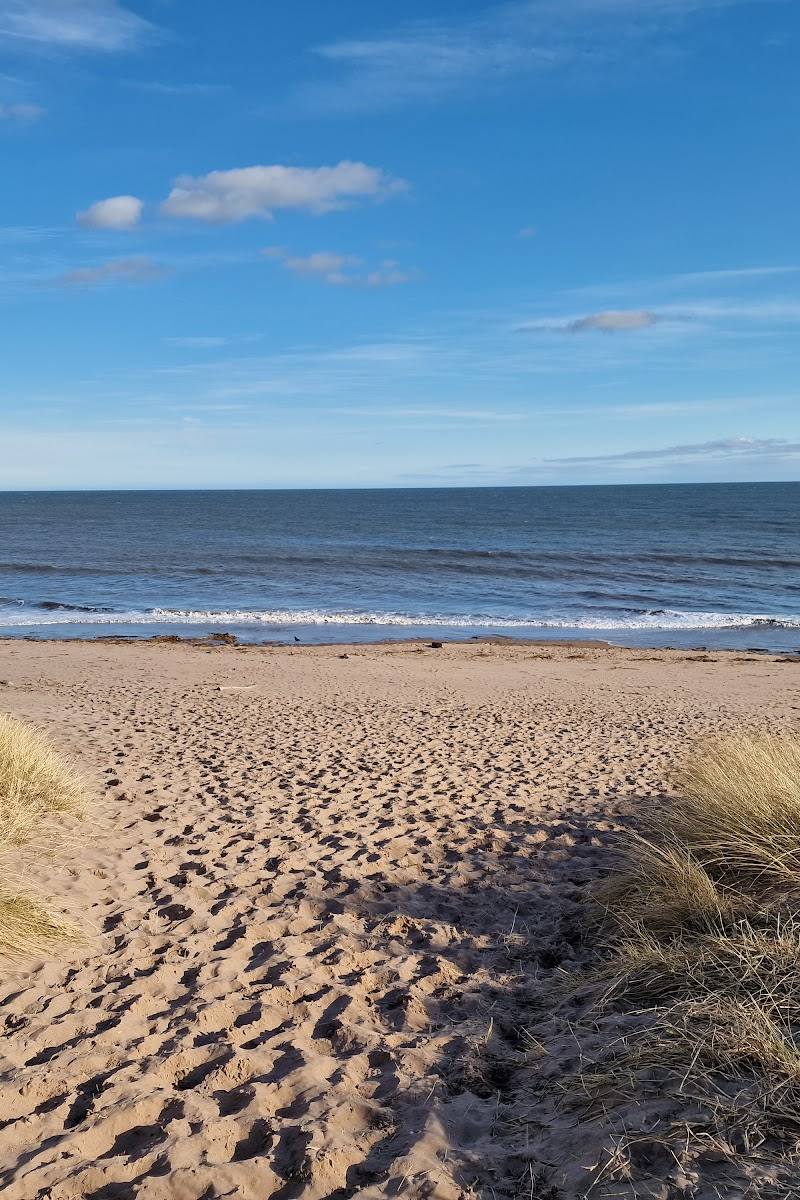
6.5A narrow coastal reserve where flower-rich grassland, dunes and cliffs meet a long sandy beach, with butterflies, birds and changing North Sea views.
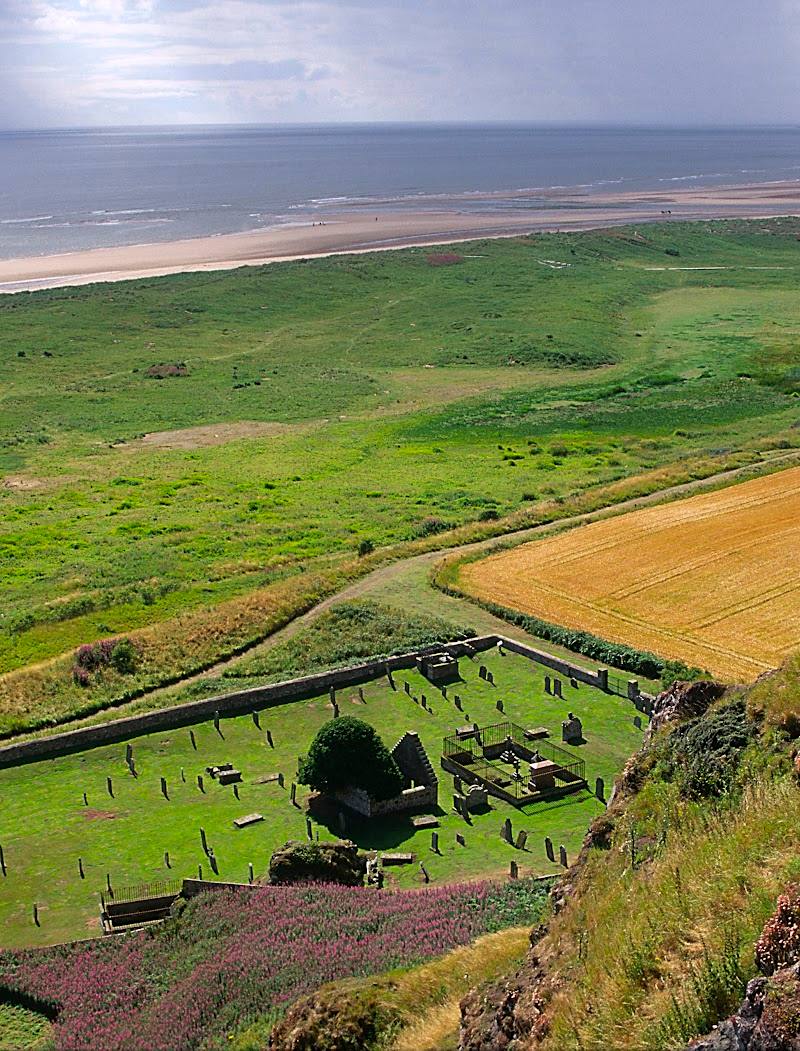
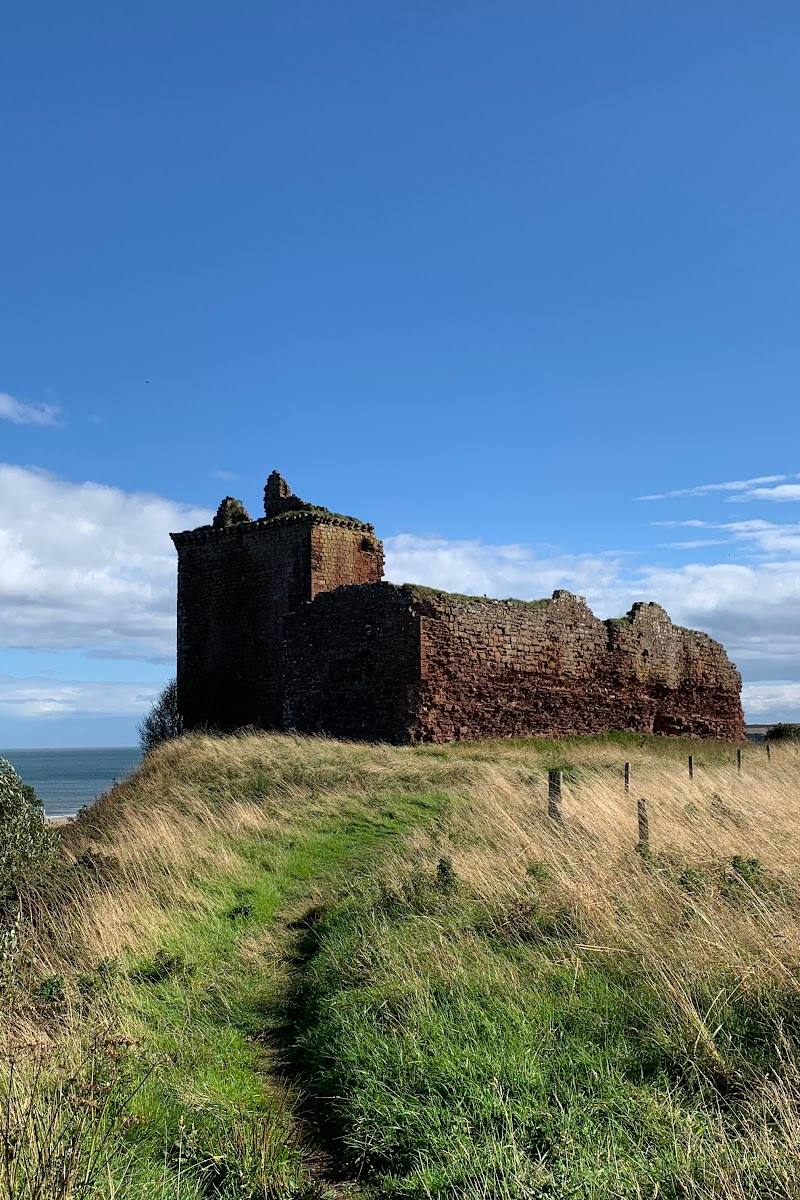
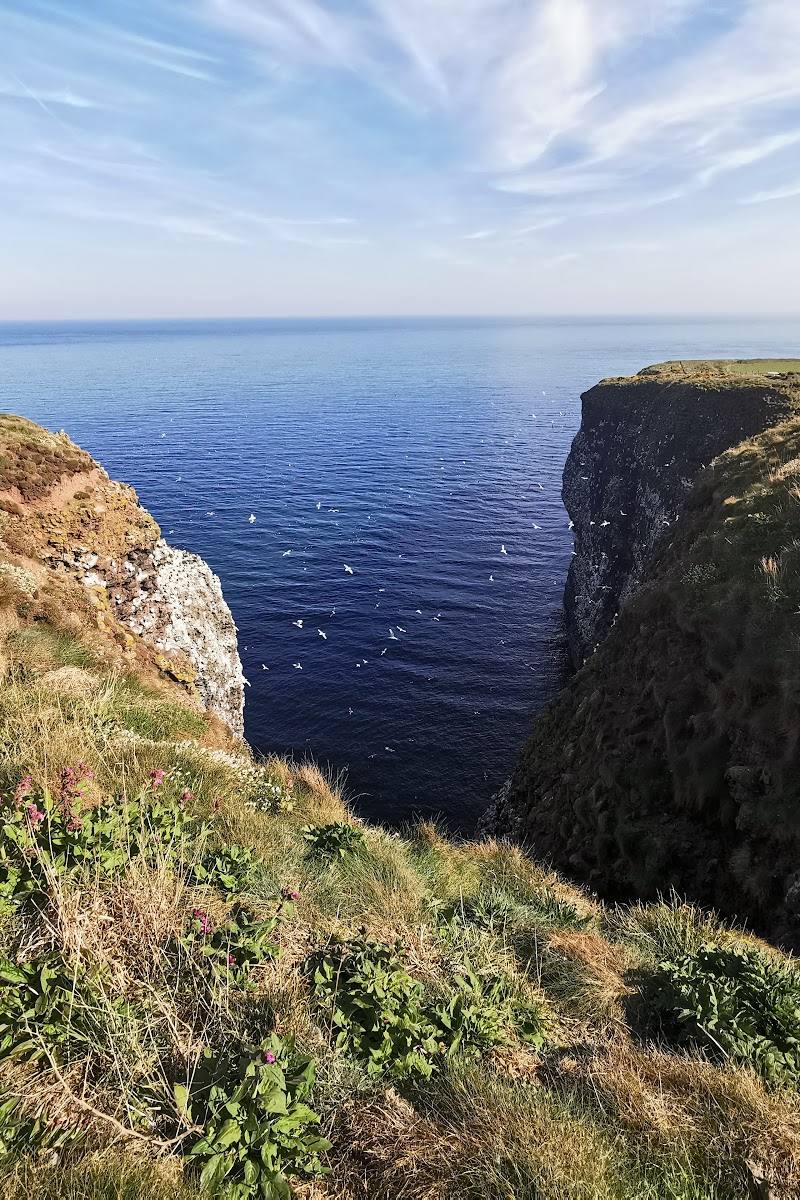
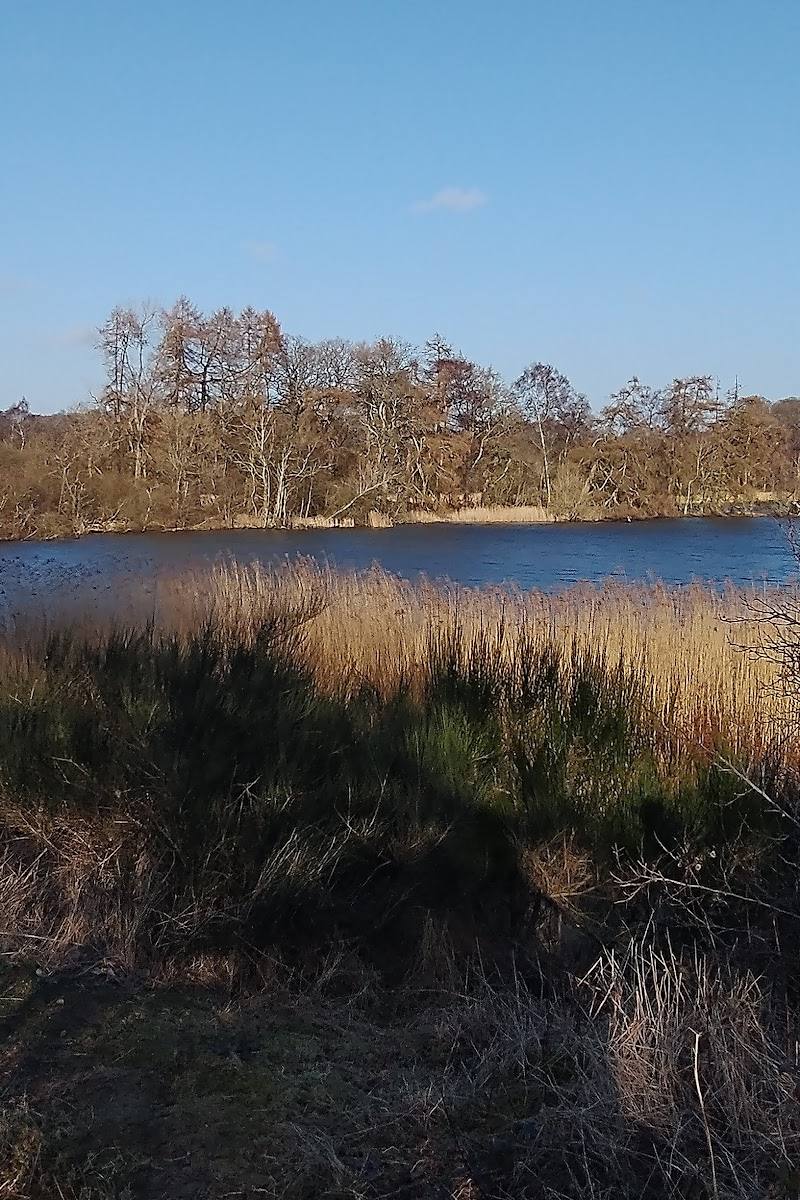
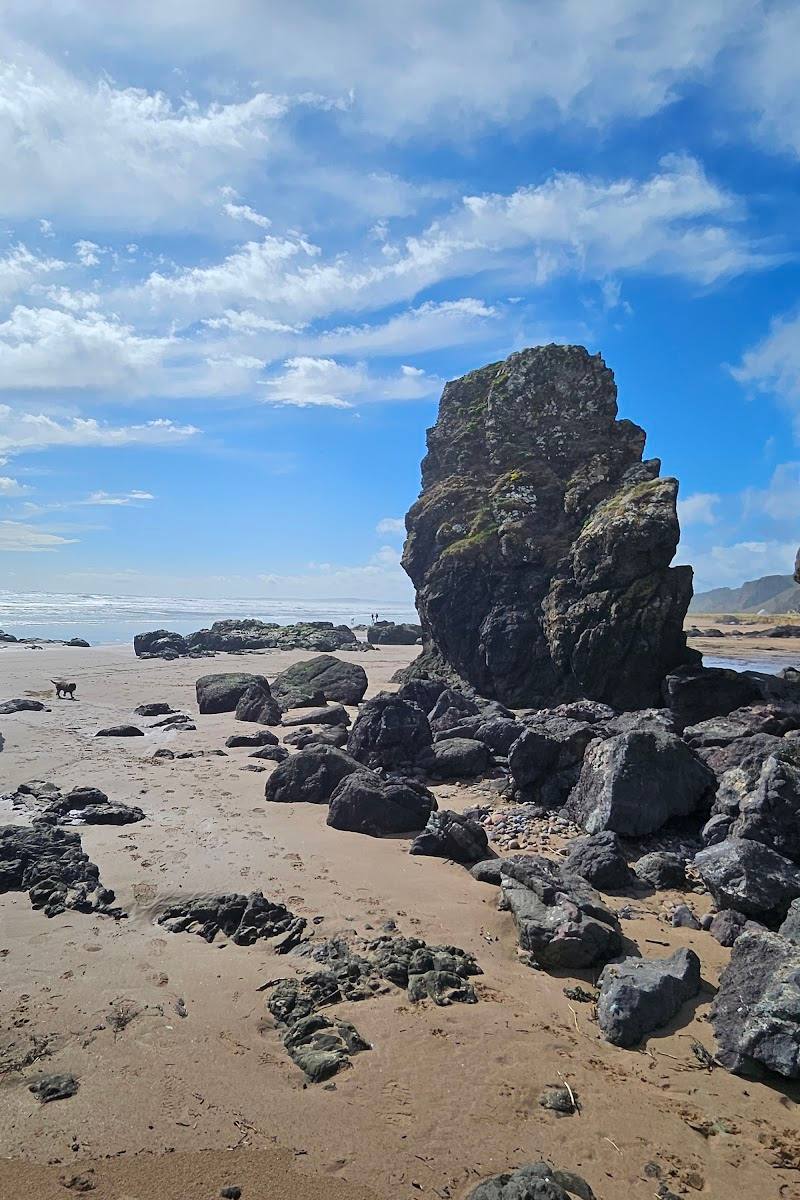
St Cyrus brings several distinct coastal habitats into one compact visit: dunes, cliffs, flowering grassland and beach. Its wildlife interest gives a walk here more to notice than scenery alone.
Wild · Peaceful
Find your way
Open mapSt Cyrus, near Montrose, Aberdeenshire, Scotland
Opening map…
Know this place a little better?
The experience
Explore the coastal reserve on its paths, visit the visitor centre when open, and look across the dunes and beach for seasonal flowers, butterflies and birds.
Things to do
Explore the coastal habitats
Use the reserve paths to experience the dunes, cliffs and flower-rich grassland. Confirm current path conditions before setting out.
Look for butterflies and moths
Watch the flower-rich grassland for insect life in warmer months. The reserve description reports more than 400 species of butterflies and moths.
Watch for coastal birds
Look for breeding birds such as meadow pipit, stonechat and skylark, or scan for wintering waders and wildfowl when conditions suit.
Visit the reserve visitor centre
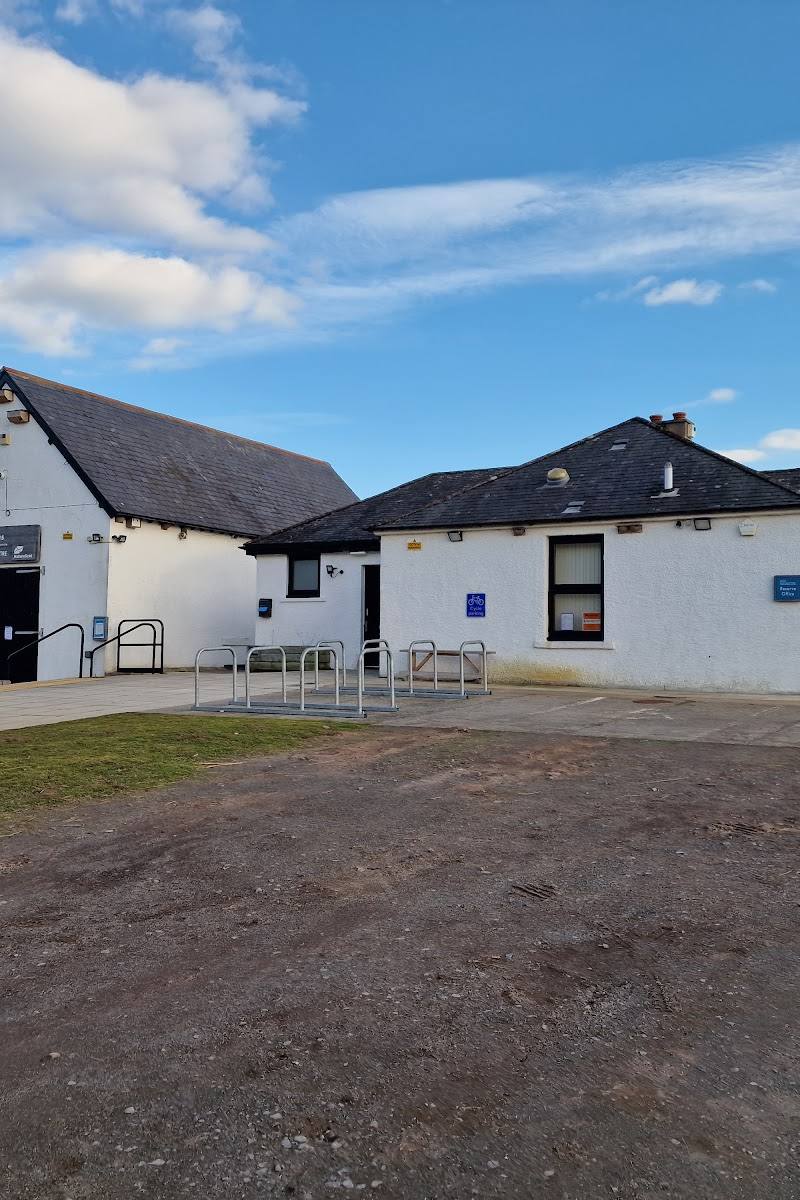
The centre is in the old lifeboat station. NatureScot lists seasonal opening hours and notes that winter opening can depend on weather and staff availability.
Make a day of it
Quick escape · 1–2 hours
Coastal reserve sampler
- 01
Start at the reserve car park and visitor centre.
- 02
Follow a reserve path to take in the coastal habitats and views.
- 03
Look for flowering grassland, butterflies and birds along the way.
- 04
Return to the start; check route conditions and visitor-centre opening before setting out.
Half day · Half day
Make a half day of the coast
- 01
Begin at the visitor centre, checking seasonal opening times.
- 02
Spend longer exploring the reserve paths and observing how the dunes, cliffs and flowering grassland meet the coast.
- 03
Continue to the long sandy beach described in the reserve information, taking care to check conditions and access locally.
- 04
Allow time to return to the car park and visit the public toilets if open.
Verified history
The visitor centre is housed in the old lifeboat station. The supplied sources do not provide further verified historical detail about the building or reserve.
Hidden details
A remarkable variety of small life — The supplied reserve description reports more than 400 species of butterflies and moths among the reserve’s wildlife, an easily overlooked reason to slow down in the grassland.
When to go
April · May · June · July · August · September · December · January · February · Choose a clear, calm period for the coastal walk; the supplied sources do not specify an optimal time of day.
Spring and summer are the season for flowering grassland and active insects; winter brings large flocks of waders and wildfowl, according to the supplied reserve description.
This is an exposed coastal setting. Check the forecast and current reserve conditions before visiting; winter facility opening may depend on weather and staff availability.
What to look for
Look for the contrast between dune, cliff and flower-rich grassland habitats, and watch for butterflies and coastal birds. The reserve is reported to support more than 300 plant species and over 400 species of butterflies and moths.
Best time to go
Spring to early autumn for flowering grassland and active insect life; winter can bring large flocks of waders and wildfowl.
Spring and summer are suited to looking for flowering grassland and insects. For wintering waders and wildfowl, choose a clear, calm day if conditions allow.
How long to spend
1–2 hours, Half day
Perfect for
Walkers · Wildlife lovers · Photographers · Families
Before you go
Address
Phone
Google rating
Practical information
Opening & access
The reserve has a visitor centre and public paths. Check current conditions and facility availability before visiting, particularly in winter.
Check before visiting
Parking
Car park at the reserve. Check current parking arrangements and restrictions before travelling.
Check before visiting
Toilets
Public toilets beside the visitor centre; seasonal opening varies. An accessible Changing Places toilet is available with a RADAR key; contact NatureScot in advance if access is needed.
Food & drink
Check before visiting.
Check before visiting
Dogs
Check current reserve guidance before visiting with a dog.
Check before visiting
Accessibility
The source row reports a wheelchair-accessible car park and entrance. Check with NatureScot about path conditions and route suitability before visiting.
Check before visiting
Cost
Check before visiting
Check before visiting
Water
Sea
Gallery
Place photographsKeep exploring
Around St Cyrus National Nature Reserve
Within 50 km · approximate straight-line distances