Rossie Braes, A92, Montrose DD10 9TA
Scottish Wildlife Trust, Montrose Basin Visitor Centre and Wildlife Reserve
Coastal reserve
Place photograph
7.2
Wildland
2–3 hours
Time
Check
Cost
Peaceful
Feel
Why it's Wildland
7.2Montrose Basin is a 750-hectare tidal estuary where the seasons bring strikingly different birdlife: more than 100,000 migratory birds are reported in autumn and winter, while breeding birds use the basin in spring and summer.
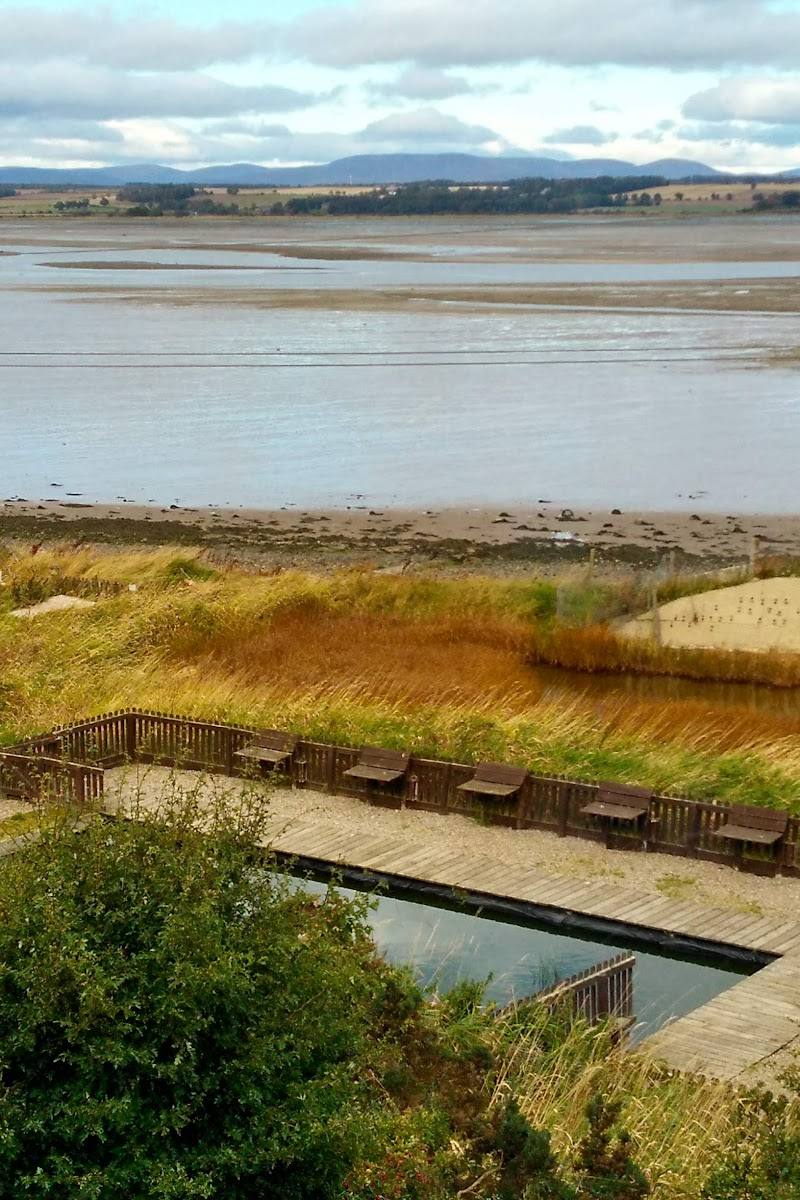
The basin’s huge tidal mudflats and seasonal bird movements give this reserve a sense of scale that a visitor centre alone cannot convey. Go for the wide estuary views and the chance to watch wildlife through the centre’s telescopes; autumn and winter are especially notable for migratory birds.
Peaceful · Big-sky · Wild
Find your way
Open mapRossie Braes, A92, Montrose DD10 9TA
Opening map…
Know this place a little better?
The experience
Start at the visitor centre for the panoramic basin view and wildlife displays, then use the telescopes to scan the mudflats. Allow around 2–3 hours, as indicated by the supplied Tripadvisor listing. Check current opening, access and visit information before setting out.
Things to do
Watch the tidal mudflats
Use the visitor centre’s viewing windows and telescopes to look across the enclosed estuary and its tidal mudflats.
Allow time to watch; exact duration not specified
Look for wintering waterbirds
In autumn and winter, scan for pink-footed geese, wigeon and other waterfowl and waders; the Trust reports more than 100,000 migratory birds using the basin in this period.
Look for breeding birds
In spring and summer, watch for breeding birds including common terns, eider and sand martins.
Explore the visitor-centre displays
The centre has interactive displays; a Trust news source also describes an exhibit about the centre’s milestones and memories. Check what is currently on display.
Make a day of it
Quick escape · About 1–2 hours
Quick escape: scan the basin
- 01
Start at the visitor centre and take in the panoramic view across the basin.
- 02
Use the viewing windows and telescopes to scan the tidal mudflats for birds.
- 03
Explore the centre’s interactive displays if available; check current opening information before visiting.
Half day · About 2–3 hours
Make a half day of it: follow the birdlife through the seasons
- 01
Begin at the visitor centre, using its viewing windows and telescopes to look across the estuary.
- 02
Spend time watching the mudflats; in autumn and winter, look for pink-footed geese, wigeon and waders.
- 03
In spring and summer, look for breeding birds including common terns, eider and sand martins.
- 04
Check the Scottish Wildlife Trust’s latest reserve updates before visiting.
Hidden details
The basin changes with the seasons — The same estuary supports large numbers of migratory birds in autumn and winter and breeding colonies in spring and summer. The Trust’s seasonal bird list gives visitors a reason to look differently on repeat visits.
Accessible wildlife viewing — The Trust reports wheelchair-accessible viewing windows and telescopes at the visitor centre, making it possible to watch the basin from indoors.
When to go
· Check current wildlife and tide conditions; no specific time of day is established by the supplied sources.
The Scottish Wildlife Trust identifies autumn and winter as the period when the basin hosts over 100,000 migratory birds, including pink-footed geese and wigeon. Spring and summer bring breeding birds such as common terns, eider and sand martins.
Check the local forecast before travelling; no specific weather guidance is given in the supplied sources.
What to look for
Scan the tidal mudflats for pink-footed geese, wigeon and waders in autumn and winter. In spring and summer, look for common terns, eider and sand martins. The visitor centre’s telescopes and viewing windows offer a way to watch without disturbing the wildlife.
Best time to go
Autumn and winter for large numbers of migratory birds; spring and summer for breeding birds.
Autumn and winter are the headline seasons for migratory birds. Spring and summer bring breeding birds; check current wildlife and centre information before visiting.
How long to spend
2–3 hours
Perfect for
Families · Young children · Photographers · Wildlife lovers
Before you go
Address
Phone
Website
Listed hours
- Monday: 10:30am-5pm
- Tuesday: 10:30am-5pm
- Wednesday: 10:30am-5pm
- Thursday: 10:30am-5pm
- Friday: 10:30am-5pm
- Saturday: 10:30am-5pm
- Sunday: 10:30am-5pm
Check before visiting.
Google rating
Practical information
Opening & access
A Scottish Wildlife Trust reserve centred on an enclosed tidal estuary. The visitor centre is wheelchair accessible; check current access information before travelling.
Check before visiting
Parking
Check before visiting
Check before visiting
Toilets
Check before visiting
Check before visiting
Food & drink
The visitor centre has Fairtrade tea and coffee, according to the supplied Tripadvisor source; check current availability before visiting.
Check before visiting
Dogs
Check before visiting
Check before visiting
Accessibility
The source row reports a wheelchair-accessible car park and entrance. The Scottish Wildlife Trust reports wheelchair-accessible viewing windows and telescopes at the centre.
Cost
Check before visiting
Check before visiting
Water
Estuary
Gallery
Place photographs
Keep exploring
Around Scottish Wildlife Trust, Montrose Basin Visitor Centre and Wildlife Reserve
Within 50 km · approximate straight-line distances

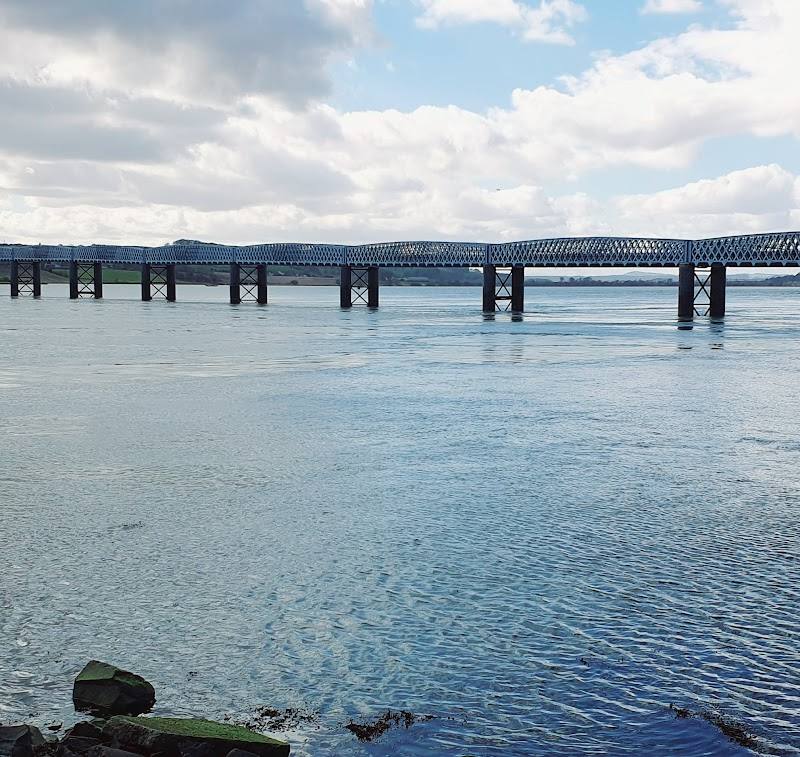
 Place photograph7.6
Montrose Air Station Museum
Broomfield Road, Montrose, Angus, Scotland, DD10 8SY
3.5 km away
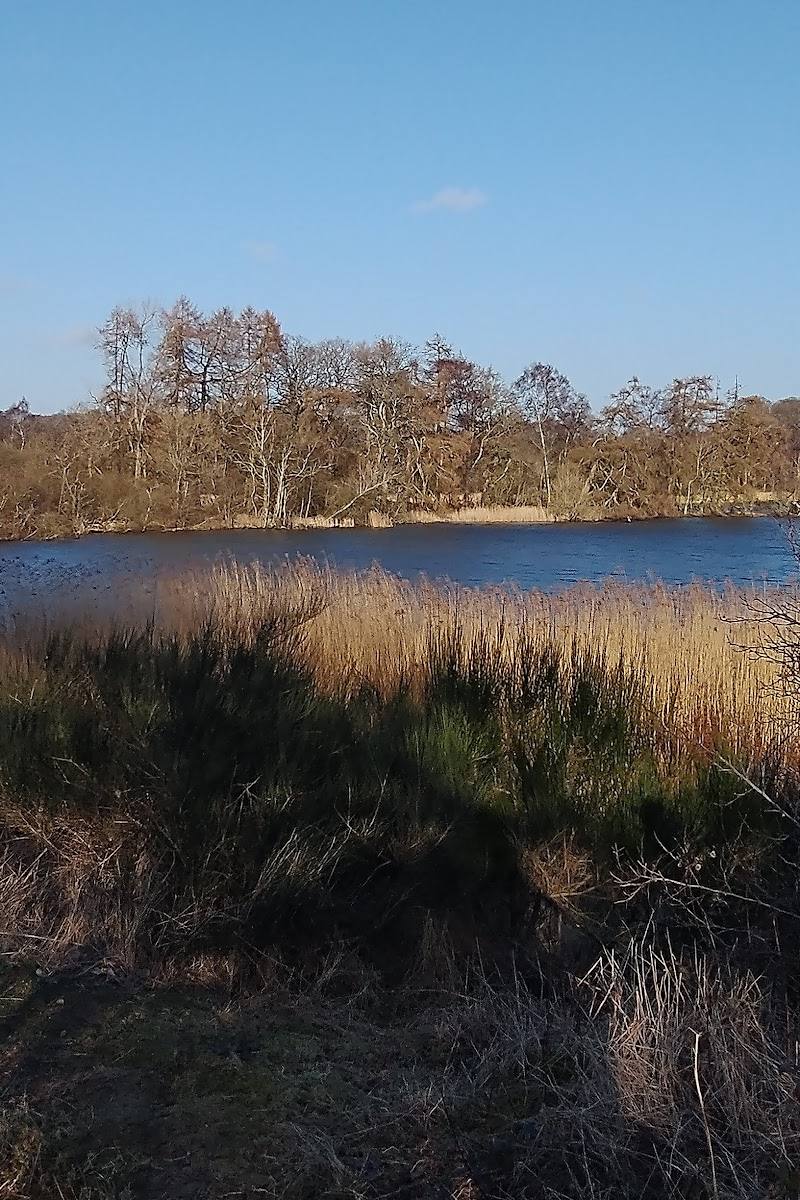 Place photograph6.8
Balgavies Loch
Balgavies Loch Nature Reserve, east of Forfar, Angus, Scotland
17.6 km away
 Place photograph6.2
Arbirlot Falls
Arbirlot, around 2 miles west of Arbroath, Angus, Scotland
18.7 km away