A935, Montrose, Angus DD10 9LF
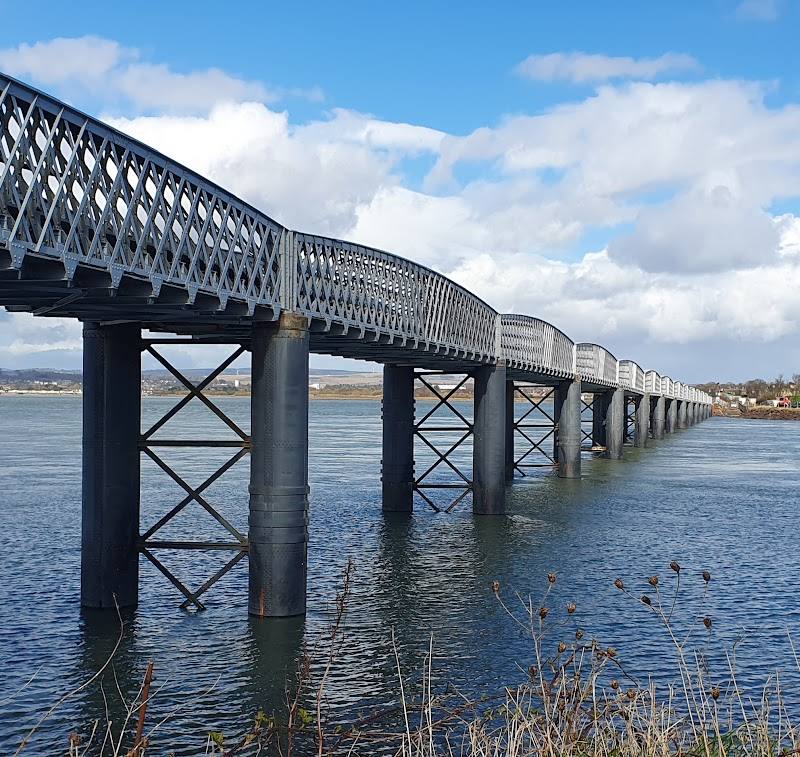
Montrose Basin, Wigeon Bird Hide
Mixed-habitat reserve
Place photograph
7.2
Wildland
1–2 hours
Time
Check
Cost
Peaceful
Feel
Why it's Wildland
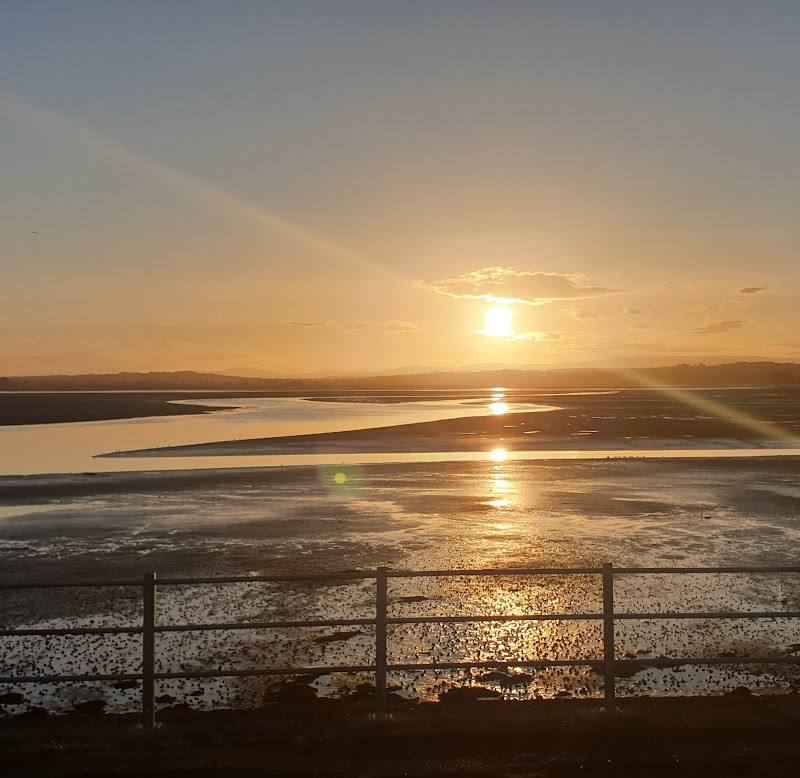
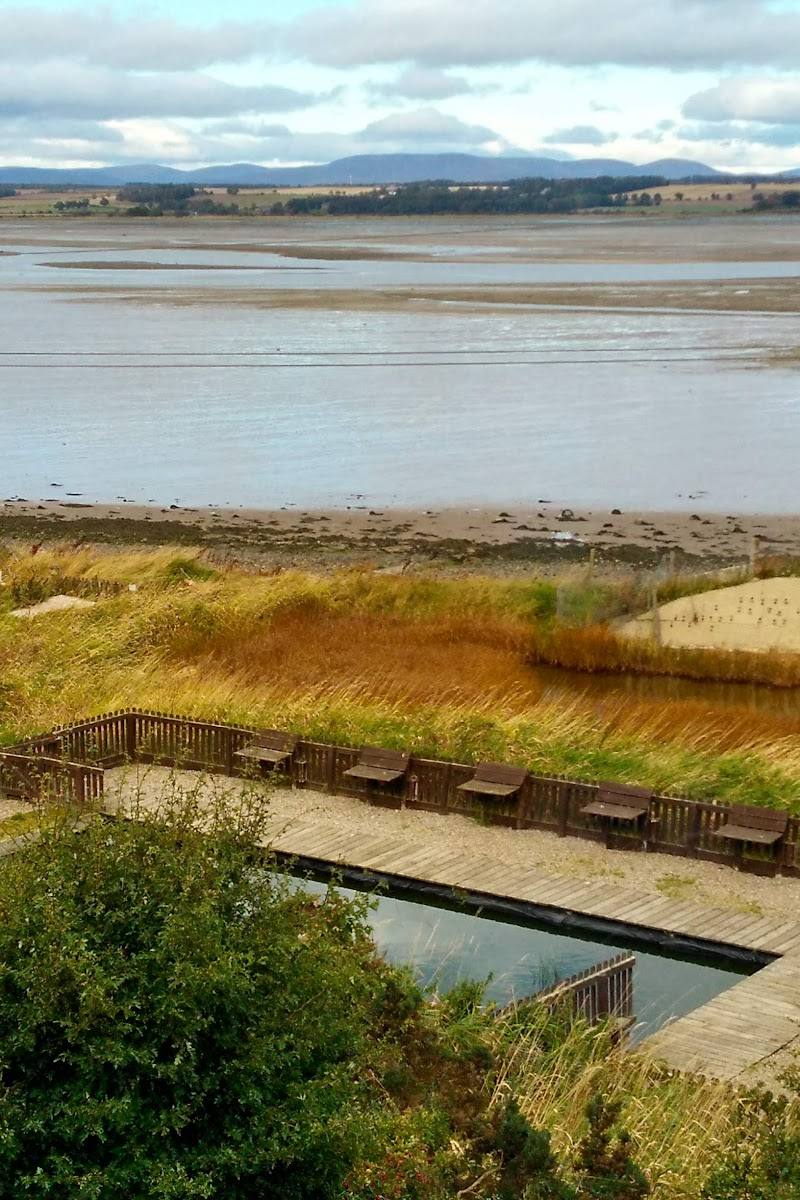
7.2Montrose Basin is a 750-hectare tidal estuary where mudflats draw large numbers of migratory birds. In autumn and winter, more than 100,000 birds—including pink-footed geese and wigeon—use the basin; spring and summer bring breeding birds such as common terns and sand martins.
The appeal is the changing scale of the birdlife: a tidal estuary that can fill with wintering geese and waders, then shift to breeding birds in warmer months. The hide offers a focused way to watch the basin, but check its current access before travelling.
Peaceful · Big-sky · Seasonal
Find your way
Open mapA935, Montrose, Angus DD10 9LF
Opening map…
Know this place a little better?
The experience
Allow around 1–2 hours for a birdwatching visit, subject to current access. Check the hide’s status and route before travelling; the reserve’s visitor centre and other hides offer a broader visit where open.
Things to do
Watch the seasonal birdlife
Look across the basin for migratory waterfowl and waders in autumn and winter, including pink-footed geese and wigeon. Spring and summer bring breeding birds including common terns and sand martins.
Look for kingfishers in winter
Visit Angus identifies winter as the best season for seeing the reserve’s resident kingfisher; sightings are not guaranteed.
Explore the visitor centre and reserve hides
The visitor centre source describes walks and hides around the basin, accessed from different car parks. Check current details before choosing a route.
2–3 hours
Make a day of it
Quick escape · Around 1–2 hours
A short birdwatching stop at the hide
- 01
Check that the Wigeon Bird Hide is accessible before travelling.
- 02
Spend time watching the tidal basin for birds in season: pink-footed geese and wigeon in autumn and winter, or breeding birds such as common terns and sand martins in spring and summer.
Half day · Half day
Add the visitor centre and reserve hides
- 01
Check the visitor centre’s current opening arrangements before setting out.
- 02
Visit the centre for its panoramic views across the basin, then explore a reserve walk or hide if current access information confirms it is open.
- 03
Allow time for birdwatching; the visitor centre source describes walks and hides accessed from different car parks.
Verified history
Montrose Basin is an enclosed estuary of the River South Esk, covering 750 hectares of tidal mudflats that provide feeding and roosting habitat for birds. The supplied sources do not provide a deeper historical account of the hide or reserve.
Hidden details
The basin changes character through the year — The same estuary supports large numbers of migratory birds in autumn and winter and breeding colonies in spring and summer. Time a return visit to see a different seasonal mix.
When to go
October · November · December · January · February · March · April · May · June · July · August · Dawn or dusk in autumn for pink-footed geese; winter is highlighted for kingfishers. Confirm hide access and seasonal conditions before visiting.
The reserve’s birdlife shifts markedly: more than 100,000 migratory birds are reported in autumn and winter, while spring and summer support breeding birds.
Check local weather and current reserve information before travelling; no specific weather guidance was supplied.
Worth pairing with
Montrose Basin Visitor Centre
Pair the hide with the Scottish Wildlife Trust visitor centre, which Visit Angus describes as having basin views, a small coffee shop, a gift shop and children’s activities. Check current opening arrangements.
What to look for
- 01
In autumn and winter, scan the basin for pink-footed geese, wigeon and other waterfowl and waders. In spring and summer, look for common terns and sand martins
- 02
kingfishers are noted as a winter highlight.
Best time to go
Autumn and winter for migratory birds, including pink-footed geese and wigeon; spring and summer for breeding birds.
Autumn dawn or dusk for the spectacle of pink-footed geese; Visit Angus also highlights winter for kingfishers. Check current conditions and access before travelling.
How long to spend
1–2 hours
Perfect for
Wildlife lovers · Photographers · Families
Before you go
Address
Website
Listed hours
- Monday: Open 24 hours
- Tuesday: Open 24 hours
- Wednesday: Open 24 hours
- Thursday: Open 24 hours
- Friday: Open 24 hours
- Saturday: Open 24 hours
- Sunday: Open 24 hours
Check before visiting.
Google rating
Practical information
Opening & access
The source identifies this as a bird hide at Montrose Basin. The Scottish Wildlife Trust describes the reserve’s visitor centre and four remote bird hides; check current access and route details before setting out.
Check before visiting
Parking
Check before visiting; the source gives no parking details for this hide. Reserve walks start from different car parks.
Check before visiting
Toilets
Check before visiting
Check before visiting
Food & drink
The visitor centre has a small coffee shop; confirm current opening before visiting.
Dogs
Check before visiting
Check before visiting
Accessibility
Check before visiting; consult the venue access guide for the visitor centre and wildlife reserve.
Check before visiting
Cost
Check before visiting
Check before visiting
Water
Estuary, Marsh
Gallery
Place photographs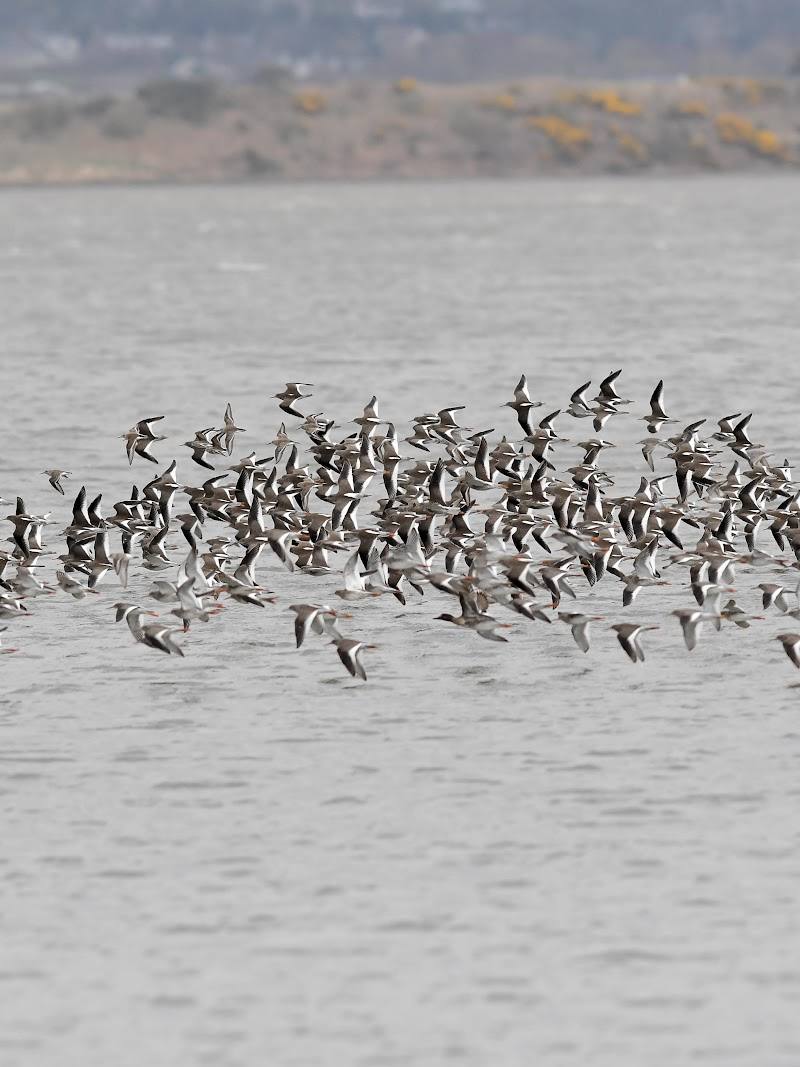
Keep exploring
Around Montrose Basin, Wigeon Bird Hide
Within 50 km · approximate straight-line distances
 Place photograph7.6
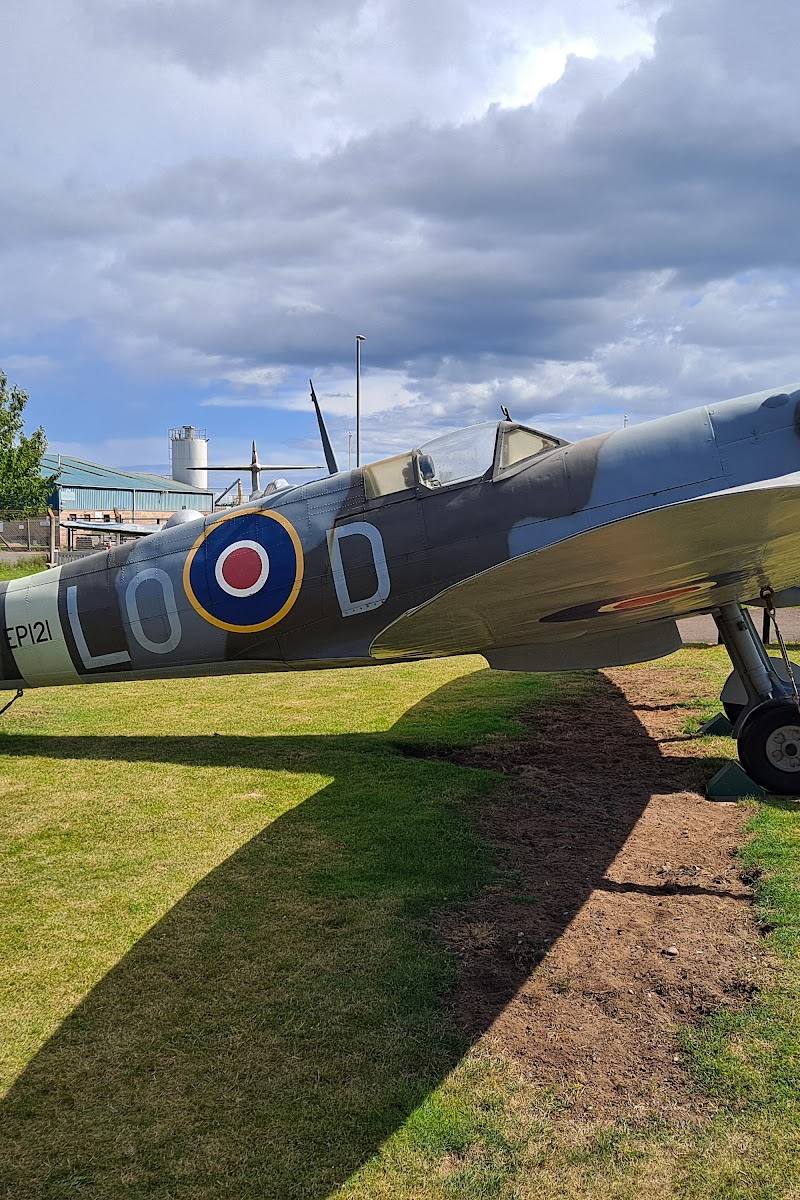
Montrose Air Station Museum
Broomfield Road, Montrose, Angus, Scotland, DD10 8SY
3.6 km away
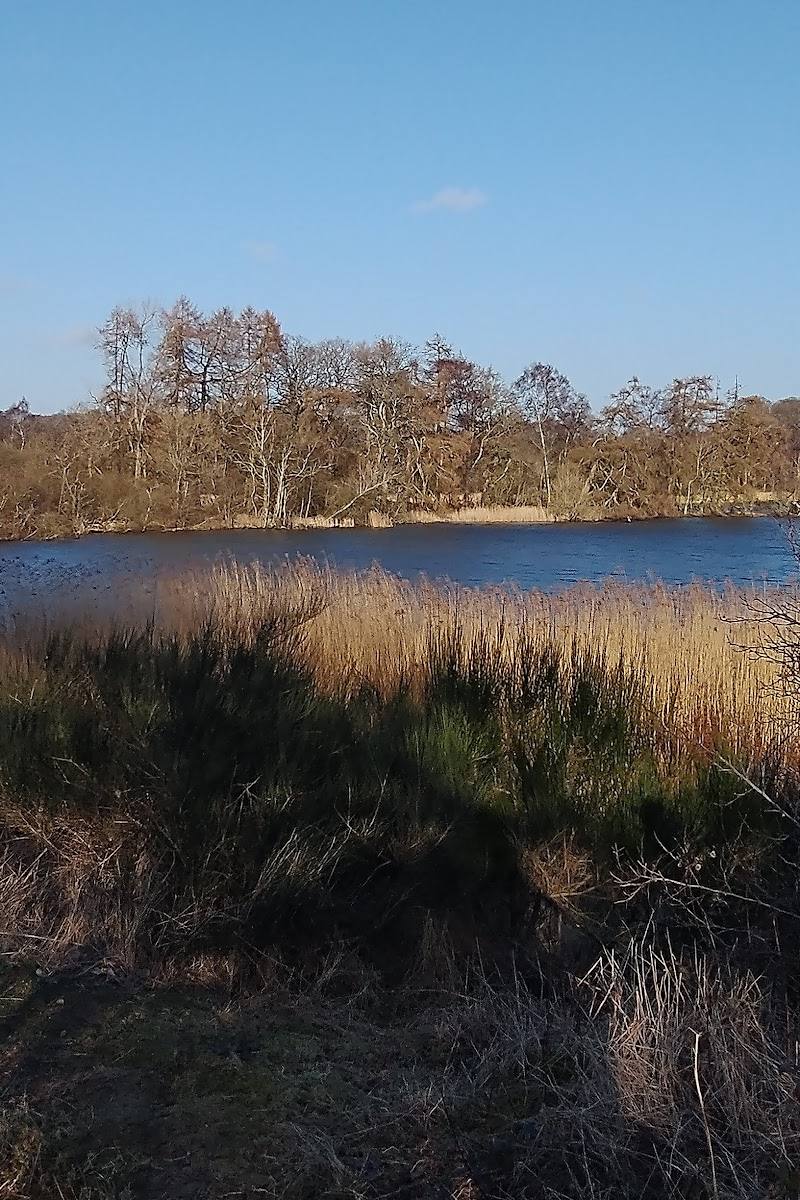 Place photograph6.8
Balgavies Loch
Balgavies Loch Nature Reserve, east of Forfar, Angus, Scotland
17.0 km away
 Place photograph6.2
Arbirlot Falls
Arbirlot, around 2 miles west of Arbroath, Angus, Scotland
20.1 km away