Woodwalton Lane, Sawtry, Huntingdon, Cambridgeshire PE28 5YJ
Sawtry Abbey
Monastic ruins
Place photograph
4.5
Wildland
Under 1 hour
Time
Check
Cost
Atmospheric
Feel
Why it's Wildland
4.5A Cistercian abbey whose vanished buildings are traced through field earthworks: its church once stretched 60 metres, and Catherine of Aragon’s funeral cortege stopped here in 1536.
Sawtry Abbey rewards visitors who can read a landscape rather than look for standing ruins. Earthworks, traces of the abbey precinct and a lost monastic waterway preserve the outline of a major medieval community in a quiet field setting. Access is unverified, so check before making a visit.
Atmospheric · Ancient-feeling
Find your way
Open mapWoodwalton Lane, Sawtry, Huntingdon, Cambridgeshire PE28 5YJ
Opening map…
Know this place a little better?
The experience
Sawtry Abbey is an archaeological landscape rather than a standing ruin. Its surviving earthworks and buried remains relate to a Cistercian house founded in 1147 and dissolved in 1536. Public access is unverified, so confirm access before setting out.
Things to do
Trace the abbey precinct in the earthworks
If access is confirmed, look for the low earthworks and ditch lines that help define the former monastic precinct. The source describes the earthworks as occupying pasture approximately 400 by 300 metres.
Check before visiting
Imagine the vanished church plan
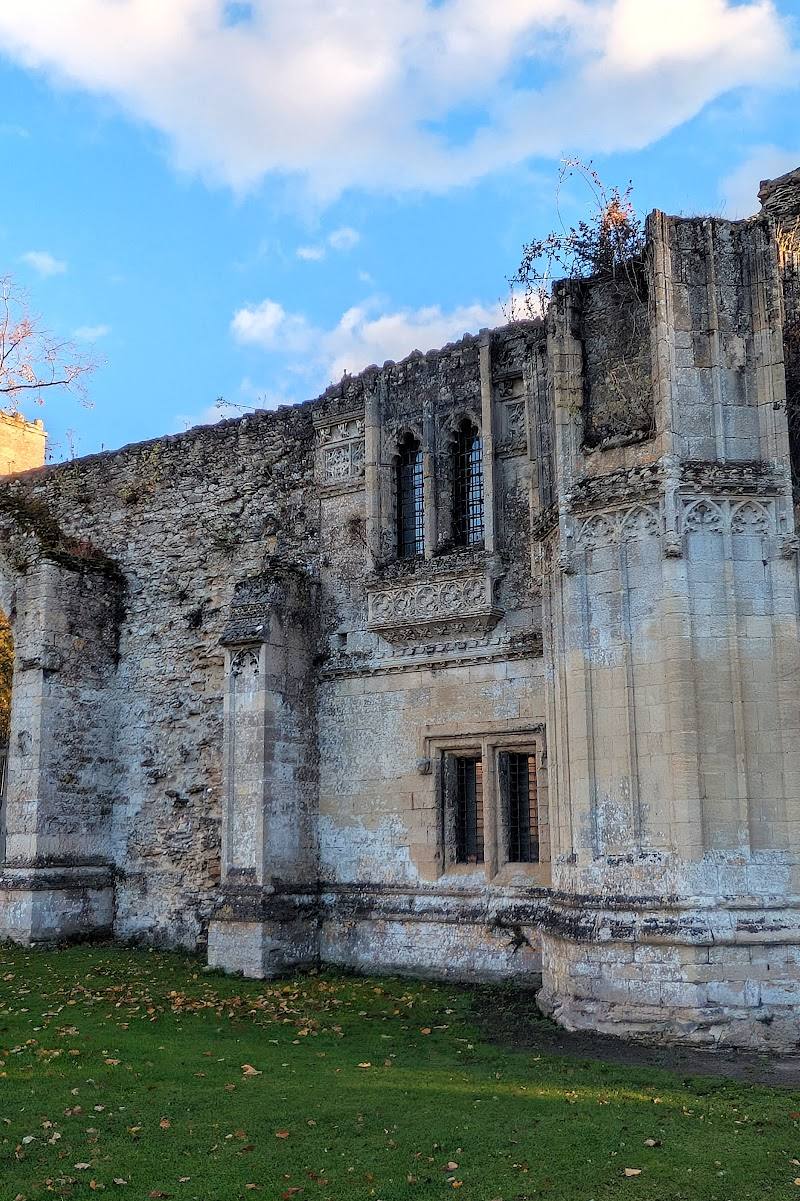
The excavations identified a cruciform church about 60 metres long, with short transepts and two rows of seven nave columns. The buildings were later demolished; this is an archaeological plan, not a standing ruin to explore.
Look for the story of the monks’ waterway
The modern drain to the north is linked by the source to Monks’ Lode, a waterway thought to have been made soon after the abbey’s foundation. Its former navigable link is described as running towards Whittlesey Mere and the River Nene.
Make a day of it
Quick escape · Under 1 hour, if access is confirmed
Read the Abbey’s Earthworks
- 01
Confirm that the site can be visited and identify an appropriate access point before travelling.
- 02
From an authorised viewpoint or route, look across the pasture for the low earthworks that mark elements of the monastic settlement.
- 03
Keep in mind that no abbey buildings remain standing above ground.
Verified history
Sawtry Abbey was founded in 1147 by Simon de Senlis, Earl of Huntingdon and Northampton. Monks came from Warden Abbey, and the Cistercian abbey took 91 years to build, using local Barnack stone. It was consecrated in 1238 and dissolved in 1536; its buildings were subsequently demolished, and stone was still being taken from the site in the mid-19th century. In 1536, Catherine of Aragon’s body rested at the abbey when her funeral cortege paused on its journey from Kimbolton Castle to Peterborough. Excavations between 1907 and 1912 identified the church, cloisters, infirmary and guest house. The site is a scheduled monument.
Hidden details
A 60-metre church beneath a vanished skyline — The excavated plan identified a cruciform church around 60 metres long. Its walls were robbed, but Historic England notes that buried floor surfaces and other features survive; earlier timber structures may also be present.
Monks’ Lode and the wider landscape — A modern drain north of the abbey is linked to Monks’ Lode, thought to have been constructed shortly after the abbey’s foundation. The source describes it as providing a navigable connection towards Whittlesey Mere and the River Nene.
Catherine of Aragon’s funeral cortege — The abbey was a stopping place in 1536 when Catherine of Aragon’s body was carried from Kimbolton Castle towards Peterborough for burial.
When to go
· No preferred time is established in the supplied sources.
The supplied sources do not identify a seasonal highlight. Confirm access and conditions before visiting.
The site is described as pasture with earthworks. Ground conditions and visitor access are not verified; check before visiting.
What to look for
- 01
If access is confirmed, look for the low earthworks that define parts of the monastic precinct and the field’s subtle changes in level. The church, cloisters, infirmary and guest house were identified through excavations
- 02
their above-ground buildings no longer survive.
The story
Cistercian monastic life, medieval archaeology and the Dissolution
Best time to go
Check access before visiting; no season-specific visitor information is supplied.
No best time is documented. Confirm access and site conditions before visiting.
How long to spend
Under 1 hour
Perfect for
History lovers · Photographers
Before you go
Address
Website
Listed hours
- Monday: Open 24 hours
- Tuesday: Open 24 hours
- Wednesday: Open 24 hours
- Thursday: Open 24 hours
- Friday: Open 24 hours
- Saturday: Open 24 hours
- Sunday: Open 24 hours
Check before visiting.
Google rating
Practical information
Opening & access
The abbey site is described as a field with earthworks and no remains standing above ground. Public access and visitor arrangements are unverified; check before visiting and do not enter private land or restricted areas. Access arrangements are unconfirmed. Check before visiting; do not enter private land or restricted structures.
Check before visiting
Parking
Check before visiting; parking information is not supplied.
Check before visiting
Toilets
Check before visiting
Check before visiting
Food & drink
Check before visiting
Check before visiting
Dogs
Check before visiting
Check before visiting
Accessibility
The site is described as pasture with earthworks; surfaces, routes and accessibility are not verified. Check before visiting.
Check before visiting
Cost
Check before visiting
Check before visiting
Gallery
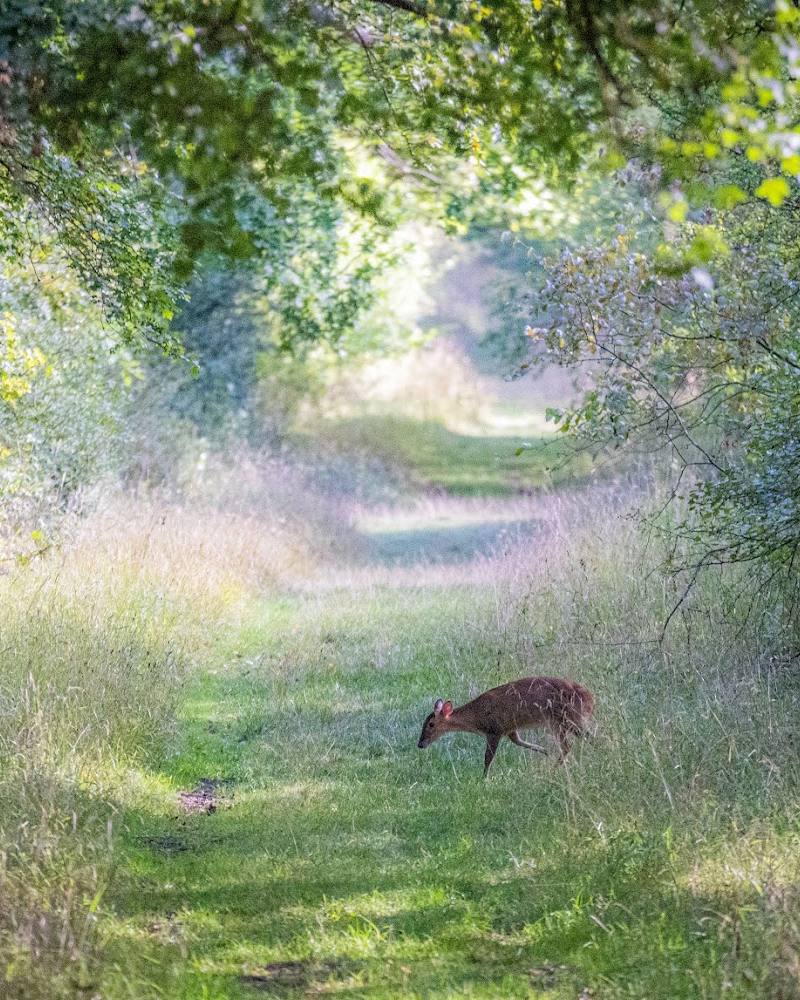
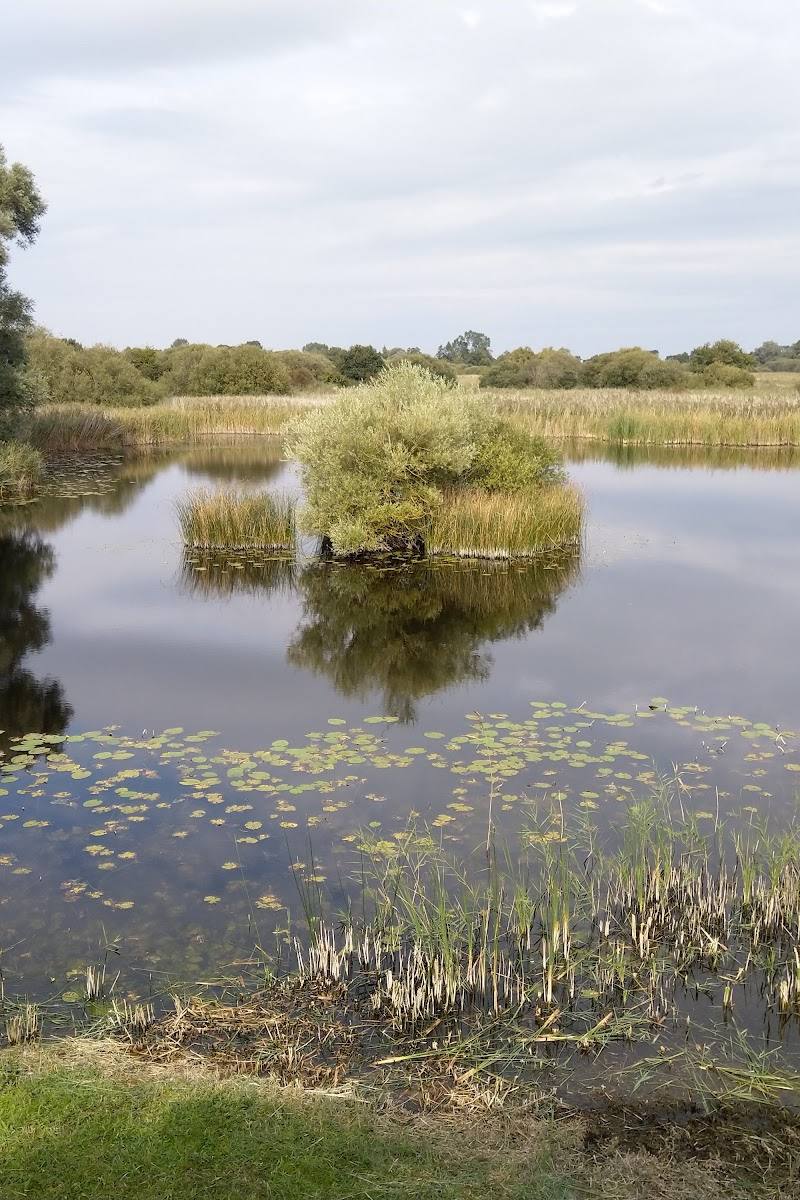
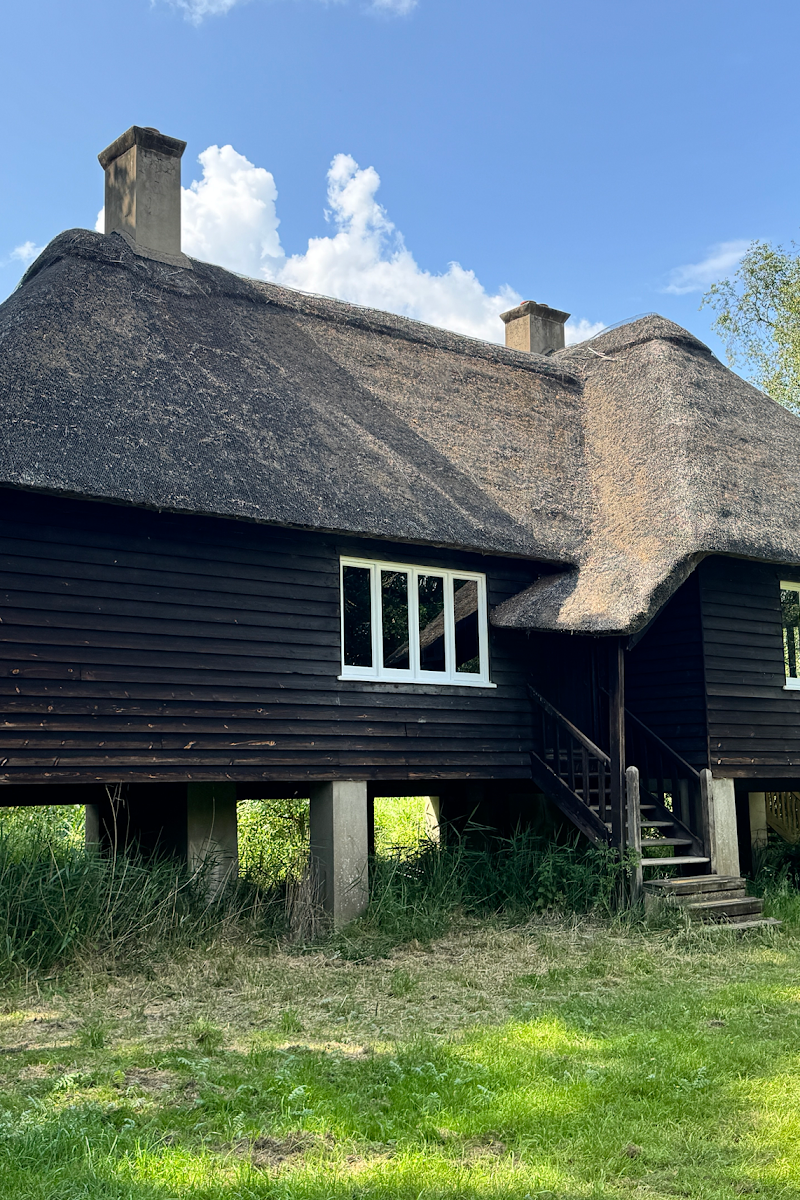
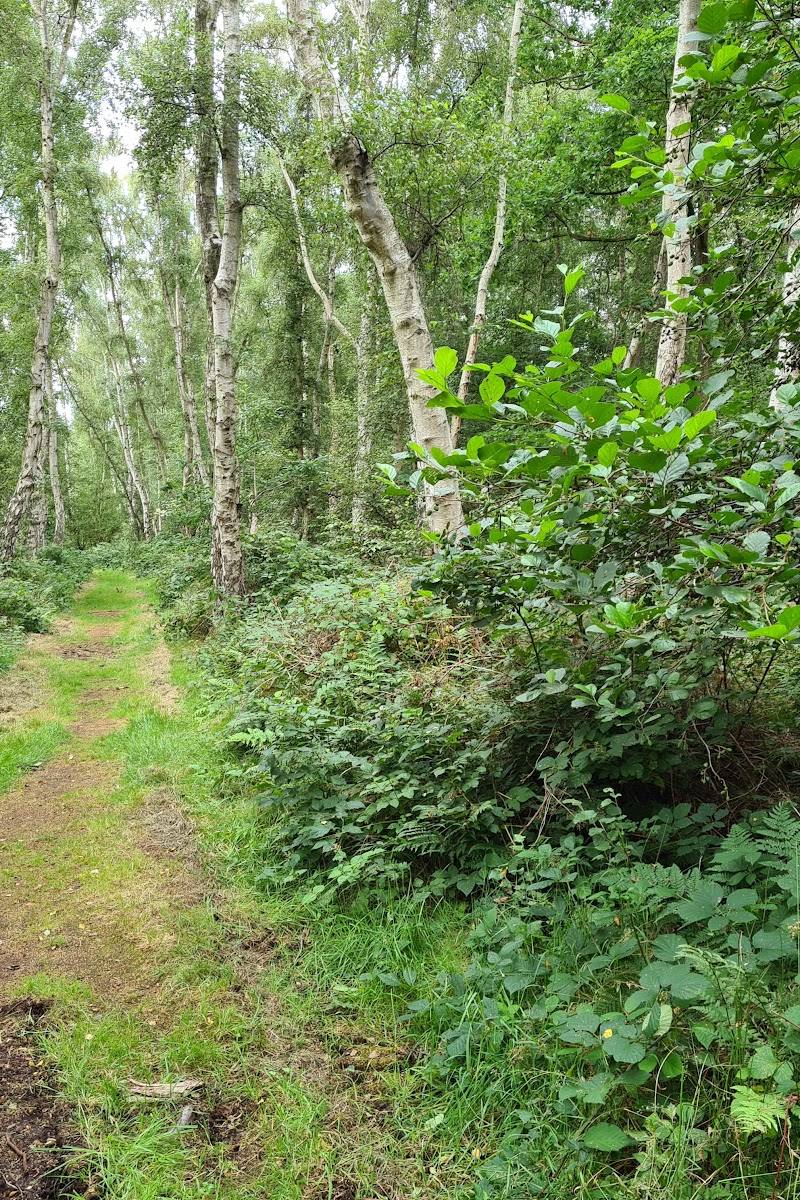
Place photographsKeep exploring
Around Sawtry Abbey
Within 50 km · approximate straight-line distances