Holme Fen, Cambridgeshire
Holme Fen National Nature Reserve
Bog
Source image
7.4
Wildland
1–2 hours
Time
Check
Cost
Peaceful
Feel
Why it's Wildland
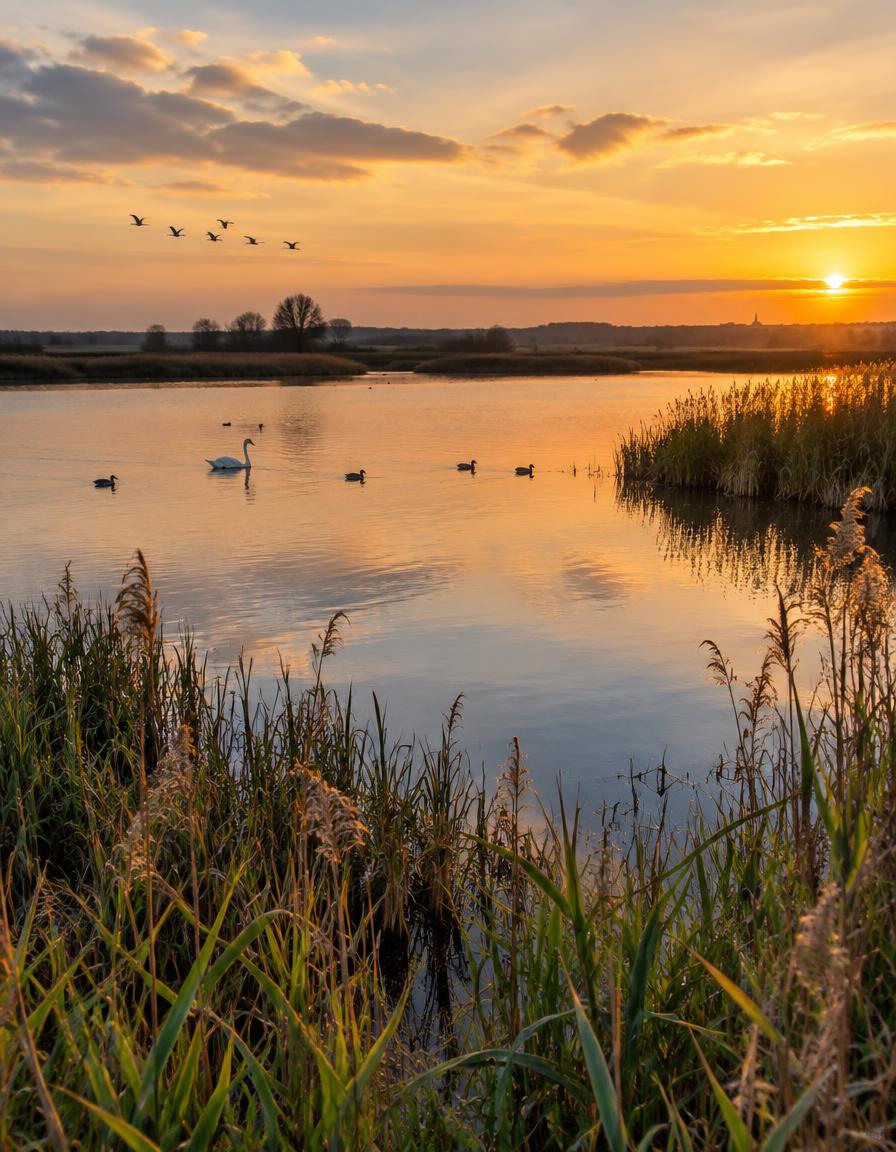
7.4Once part of Whittlesey Mere, a lake described as three miles across, Holme Fen now holds a strikingly different landscape: silver birch woodland, surviving fragments of wild fen and the Holme Post, marking land 2.75 metres below sea level.
Holme Fen earns its place for the unlikely meeting of fen, bog, heath and extensive silver birch woodland—and for the physical trace of a lost lake. The Holme Post gives the landscape a memorable sense of scale and geological change. Current wildfire closures mean visitors should check which sections are open before setting out.
Peaceful · Atmospheric · Wild
Find your way
Open mapHolme Fen, Cambridgeshire
Opening map…
The experience
A quiet fenland visit shaped by contrasts: silver birch woodland, surviving bog and heath, and the memory of Whittlesey Mere. Explore only sections confirmed open, and check the wildfire update before travelling.
Things to do
Walk an open section of the reserve
Explore only paths confirmed open in the north or south section. The reserve has a network of paths through its woodland and fenland habitats; closures currently affect the middle section.
Look for the Holme Post
The reserve’s famous Holme Post marks a point 2.75 metres below sea level. Check that the post and access route are open before setting out, as the supplied update reports a closure in the middle section.
Notice the fenland habitat contrasts
Look for the transitions between silver birch woodland, acid grassland, heath and small areas of raised bog on accessible open paths.
Watch for birds and dragonflies
The reserve page identifies birds and dragonflies among the wildlife associated with its meres and shallow banks. Sightings are not guaranteed.
Make a day of it
Quick escape · Around 1 hour; check which paths are open
A short look at the open fen
- 01
Check the latest reserve update and do not cross any closure barriers.
- 02
Use a currently open path in the north or south section.
- 03
Notice the change between silver birch woodland and the remaining fenland habitats.
- 04
Turn back if conditions or signage indicate the route is closed or unsafe.
Half day · Around 1–2 hours, if the relevant paths are open
The Lost Lake story
- 01
Check whether the Holme Post and Lost Lake discovery trail are accessible; the supplied update says the middle section is closed.
- 02
If open, follow the waymarked Lost Lake trail from the Holme Post; the reserve page describes it as approximately one mile and circular.
- 03
Look for the contrast between the present birch woodland and the landscape once occupied by Whittlesey Mere.
- 04
Do not enter closed or unstable areas.
Verified history
A few hundred years ago, the site looked out over Whittlesey Mere, described by the reserve as the largest lake in southern England and about three miles across. It was drained in the 1850s to create farmland. The reserve page says the large copper butterfly and other species disappeared locally after the drainage. Holme Fen survived because part of the Mere’s south-western shore remained too wet to farm. Drainage in the surrounding land later dried the reserve, contributing to its development as the largest silver birch woodland in lowland England. The Holme Post marks the low-lying ground at 2.75 metres below sea level.
Hidden details
The low-water mark of the landscape — If access allows, find the Holme Post: the reserve identifies it as marking land 2.75 metres below sea level. Check the current closure map or update before attempting to reach it.
A remnant that stayed too wet to farm — The reserve’s surviving wild-fen fragment occupies part of the old Mere’s south-western shore, where the ground remained too wet for agriculture after drainage.
When to go
April · May · September · October · No specific time of day is established by the supplied evidence. Check access conditions before visiting.
The source row describes spring as a time for wildflowers and wildlife activity, and autumn for foliage colour. The reserve page says wildlife is present throughout the year. Current closures may affect access in any season.
Paths may be muddy after rain, according to the source row. The current supplied reserve update warns that the closed middle section has unstable ground; obey barriers and check for updates before visiting.
What to look for
- 01
The Holme Post and its below-sea-level marker, if accessible
- 02
changes between silver birch woodland, acid grassland, heath and surviving raised bog
- 03
birds and dragonflies around the meres.
The story
Lost lake; drainage of Whittlesey Mere; fenland landscape change
Best time to go
Spring for wildflowers and active wildlife; autumn for foliage colour. The reserve’s current fire-related closure may affect where visitors can go.
Spring for wildflowers and wildlife activity; autumn for foliage colour. Check current access conditions before choosing a date.
How long to spend
1–2 hours
Perfect for
Walkers · Wildlife lovers · Photographers · Families
Practical information
Opening & access
Public nature reserve managed by Natural England. The latest supplied reserve update says the north and south sections are open, but the middle section remains closed following a wildfire because the ground is unstable and machinery is clearing fallen trees. Do not cross barriers; check the reserve update before travelling.
Check before visiting
Parking
The source row reports a small entrance parking area; the reserve information also lists lay-by parking. Confirm the current arrangement before visiting.
Toilets
Check before visiting; no on-site toilets are reported in the source row.
Check before visiting
Food & drink
Check before visiting; no on-site café is reported in the source row.
Check before visiting
Dogs
Suitable for dog walkers; check current reserve guidance and signage for rules.
Check before visiting
Accessibility
Paths are described as mostly level, but the source row warns that some are uneven or muddy after rain and may be challenging for wheelchairs or pushchairs. The current wildfire closure also affects access; check updates and follow barriers.
Check before visiting
Cost
Check before visiting
Check before visiting
Water
Meres and shallow banks; no swimming permission is evidenced. Swimming is not promoted.
Gallery
Place photographsKeep exploring
Around Holme Fen National Nature Reserve
Within 50 km · approximate straight-line distances