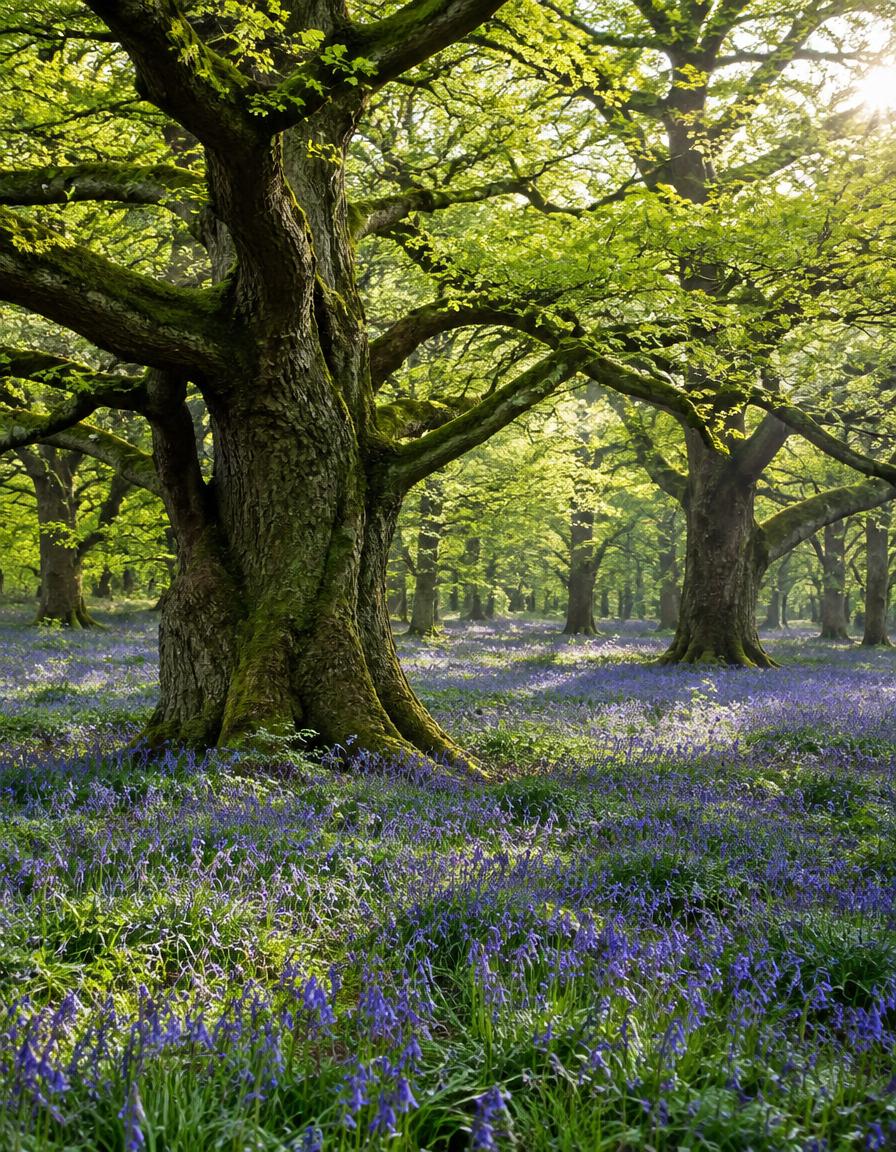
Stamford Road, near Collyweston and Easton on the Hill, Northamptonshire
Collyweston Quarries
Mixed-habitat reserve
Place photograph
7.6
Wildland
1–2 hours
Time
Free
Cost
Peaceful
Feel
Why it's Wildland
7.6A former stone-slate quarry where exposed limestone and grassland now support a distinctive wildflower reserve.
This is more than a walk through old workings: the quarry landscape has become a wildlife-rich grassland reserve, with a vivid June flower display and glow-worms reported in the longer grass at dusk. Its industrial past is still written into the stone.
Peaceful · Wild · Atmospheric
Find your way
Open mapStamford Road, near Collyweston and Easton on the Hill, Northamptonshire
Opening map…
The experience
Allow around 1–2 hours for a quiet visit. Follow the reserve’s walking trails over undulating grassland, taking time to notice the quarry stone and seasonal flowers. In June, consider returning at dusk for a chance of seeing glow-worms; sightings are not guaranteed.
Things to do
Walk the quarry grassland trails
Follow the reserve trails across firm grass paths and undulating ground, seeing the former quarry landscape as it is now.
About 1 hour
Look for the June wildflower display
In June, look for common rockrose, common bird’s-foot-trefoil and dyer’s greenweed, with further pink and purple flowers as the season progresses.
Watch for glow-worms at dusk
The reserve page reports glow-worms in longer grass at dusk or night in June. Sightings are not guaranteed; take care on uneven ground and do not disturb wildlife.
Make a day of it
Quick escape · About 1 hour
Quick quarry-and-wildflower visit
- 01
Park in the lay-by on Stamford Road, around 300 yards west of Easton on the Hill, and cross the road to the reserve entrance.
- 02
Follow the reserve trails across the undulating grassland, taking time to notice the quarry landscape and its flowers.
- 03
In June, look for the golden-yellow flowers described on the reserve page; return at dusk only if conditions and access make that appropriate.
Half day · Half day
Make a half day of it: reserve and Stamford
- 01
Explore the reserve trails and seasonal grassland flowers.
- 02
Continue to Stamford for its Georgian architecture and local markets, as suggested by the supplied nearby-places source.
- 03
Check opening times and market days directly before planning the visit.
Verified history
Collyweston Quarries were worked for Collyweston stone slate, a distinctive limestone roofing material. The supplied source describes a traditional method in which quarrymen worked the stone in winter and left it exposed to frost, which helped it split into thin layers. The reserve is now managed for its wildlife and wildflowers.
Hidden details
Dyer’s greenweed and its yellow dye — The reserve page notes that dyer’s greenweed was once gathered to produce a yellow dye—a small link between the grassland flora and traditional craft.
Female glow-worms in the long grass — In June, female glow-worms may glow green in longer grass to attract mates. This is a possible seasonal sighting, not a guarantee.
When to go
May · June · July · August · September · Daytime for flowers; dusk in June for a chance of seeing glow-worms.
The Wildlife Trust recommends May to September. June is highlighted for the grassland flower display and possible glow-worm sightings in longer grass.
Paths are firm grass over undulating ground. Conditions may affect footing; check before visiting.
Worth pairing with
Stamford
The supplied reserve information suggests combining the visit with Stamford’s Georgian architecture and local markets. Check market days and opening times before setting out.
Burghley House
The supplied nearby-places source identifies Burghley House as a possible history-and-gardens pairing. Check current visitor information before planning.
River Welland
A riverside walk is suggested by the supplied nearby-places source as a quieter way to extend a day in the area; verify a suitable public route before travelling.
What to look for
In June, look for common rockrose, common bird’s-foot-trefoil and dyer’s greenweed, followed by flowers including pyramidal orchid, greater knapweed, wild thyme and clustered bellflower. At dusk or night in June, look in longer grass for the green glow of female glow-worms. Notice the exposed stone that recalls the site’s quarrying past.
The story
Traditional Collyweston stone-slate quarrying and industrial heritage.
Best time to go
May to September; June is especially rewarding for the flower display and possible glow-worm sightings.
May to September for the reserve’s main flowering season. June brings a particularly colourful display; dusk in June is the time to look for glow-worms.
How long to spend
1–2 hours
Perfect for
Walkers · Wildlife lovers · Photographers · History lovers
Practical information
Opening & access
Wildlife Trust reserve, open at all times with no entry fee. The entrance is reached from a lay-by on Stamford Road (A43), about 300 yards west of Easton on the Hill; visitors must cross the road. Check current conditions before travelling.
Check before visiting
Parking
Lay-by on Stamford Road (A43), about 300 yards west of Easton on the Hill; cross the road to the reserve entrance.
Toilets
No on-site toilets are listed; check before visiting.
Check before visiting
Food & drink
No on-site café is listed. Bring refreshments or check local options before visiting.
Check before visiting
Dogs
Dogs on a lead.
Accessibility
Firm grass paths on undulating ground, but the reserve is unsuitable for wheelchairs. Check conditions before visiting.
Check before visiting
Cost
Free
Gallery
Place photographsKeep exploring
Around Collyweston Quarries
Within 50 km · approximate straight-line distances
Horn Mill Trout Farm Osprey Hide
Tickencote Road, Exton, Oakham, Rutland LE15 8BA
8.5 km away
Glapthorn Cow Pastures
Glapthorn, 2.5 miles from Oundle, Northamptonshire
13.3 km away