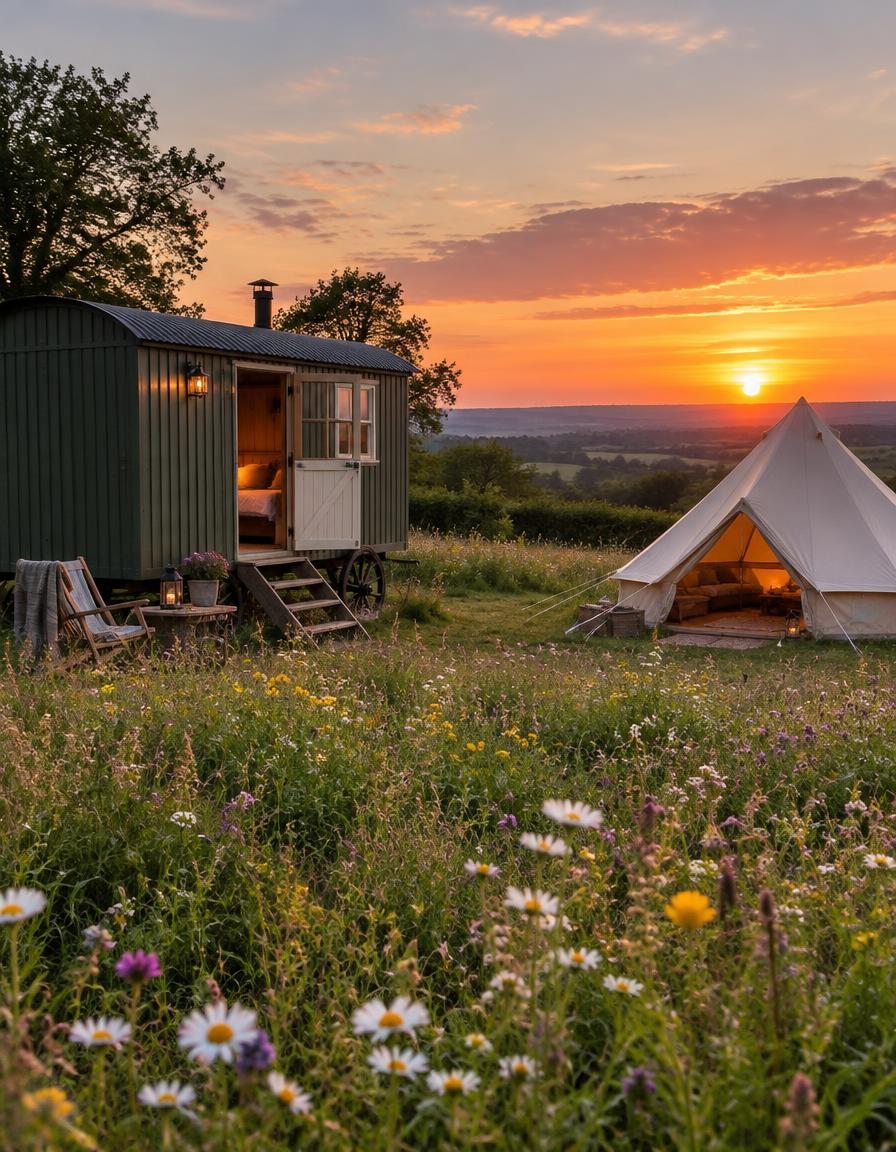
Glapthorn, 2.5 miles from Oundle, Northamptonshire
Glapthorn Cow Pastures
Mixed-habitat reserve
Place photograph
7.6
Wildland
1–2 hours
Time
Free
Cost
Peaceful
Feel
Why it's Wildland
7.6A 28-hectare Site of Special Scientific Interest where mature ash woodland meets blackthorn scrub—and where the rare black hairstreak butterfly depends on carefully managed blackthorn habitat.
Glapthorn Cow Pastures earns its place for a specific, fragile natural story: protected coppiced blackthorn supports one of Britain’s rarest butterflies, while spring flowers, woodland birds and a nesting population of nightingales reward a slow walk. It is modest in scale, but unusually rich in detail.
Peaceful · Secluded · Ancient-feeling
Find your way
Open mapGlapthorn, 2.5 miles from Oundle, Northamptonshire
Opening map…
The experience
Take a short, unhurried circuit through mature woodland and blackthorn scrub. In spring, notice the primroses, bluebells and orchids; in summer, look for the black hairstreak around flowering brambles without disturbing the protected habitat. Keep dogs on leads and expect muddy rides in winter.
Things to do
Walk the woodland rides
Explore the reserve’s generally wide, level rides through mature woodland and blackthorn scrub. They can become wet and muddy in winter.
About 30 minutes to 1 hour for the short circular route listed by AllTrails; allow longer to stop and observe nature.
Look for spring woodland flowers
The Wildlife Trust notes primroses followed by bluebells, early-purple orchids and common-spotted orchids. Do not pick flowers.
Watch for the black hairstreak
In summer, look around flowering brambles for the rare black hairstreak butterfly. Its caterpillars feed on blackthorn; the reserve’s fenced coppiced blackthorn areas help maintain its habitat.
Listen for woodland birds
Nuthatches and warblers are noted at the reserve, which is also a nesting site for nightingales. Look and listen without approaching nesting birds.
Make a day of it
Quick escape · About 30 minutes to 1 hour
Quick escape: woodland and butterfly habitat
- 01
Enter the reserve and follow a short section of the wide rides through woodland and blackthorn scrub.
- 02
In spring, look for primroses, bluebells and orchids; in summer, watch for black hairstreak butterflies near flowering brambles.
- 03
Return by the same route, taking care on wet or muddy ground.
Half day · Half day
Make a half day of it: reserve and Oundle
- 01
Spend time on the reserve’s woodland rides and look for seasonal flowers, birds and butterfly habitat.
- 02
Continue to Oundle, 2.5 miles from the reserve, for a town visit; the supplied local guide describes historic architecture, shops and cafés.
- 03
Check current access, parking and business opening details before setting out.
Verified history
The Wildlife Trust describes a reserve managed for its varied habitats and wildlife. Mature ash woodland occupies the northern half, while the southern part is mainly blackthorn with some oak. Management includes protected fenced areas of coppiced blackthorn for black hairstreak habitat, thinning trees to maintain an open woodland structure, and managing grassy glades and rides. The supplied sources do not establish a more detailed human history for the site.
Hidden details
Protected coppiced blackthorn — The fenced coppiced-blackthorn areas are not incidental scrub: the Wildlife Trust says they were created to provide suitable habitat for the rare black hairstreak, whose caterpillars feed on blackthorn.
A woodland sequence in flower — The reserve’s flower season progresses from primroses to bluebells and then early-purple and common-spotted orchids.
When to go
March · April · May · June · July · August · No source specifies a best time of day. Visit during daylight and check current conditions before travelling.
The Wildlife Trust lists March to June and July to September as visiting periods. Spring brings primroses, bluebells and orchids; summer offers a chance to see black hairstreak butterflies around flowering brambles. Rides can be wet and muddy in winter.
Rides can become wet and muddy in winter. No further weather-specific guidance is supplied; check conditions before visiting.
Worth pairing with
Oundle
A nearby market town described by the supplied local guide as having historic architecture, shops and cafés; a practical place to extend a reserve visit. Verify current opening details before travelling.
Lyveden New Bield
The supplied local guide suggests this National Trust site, described there as an unfinished Elizabethan lodge with gardens and orchards, as a possible nearby history pairing. Check current access and opening arrangements.
What to look for
- 01
Primroses, bluebells, early-purple and common-spotted orchids
- 02
nuthatches and warblers
- 03
nightingales in the nesting season
- 04
and, in summer, black hairstreak butterflies around flowering brambles. The fenced coppiced blackthorn areas are part of the conservation work supporting the butterfly.
The story
Nature conservation and management of blackthorn habitat for the rare black hairstreak butterfly.
Best time to go
March to June for spring flowers; summer for the black hairstreak butterfly. The reserve is open all year, though rides may be wet and muddy in winter.
March to June for the sequence of spring flowers. In summer, look for black hairstreak butterflies around flowering brambles; the supplied sources give no exact peak dates or time of day.
How long to spend
1–2 hours
Perfect for
Walkers · Wildlife lovers · Photographers · Families
Practical information
Opening & access
Wildlife Trust reserve, open at all times with no entry fee. The rides are generally wide and level but can be wet and muddy in winter; unsuitable for wheelchairs. Dogs must be kept on a lead.
Parking
The Wildlife Trust page does not specify parking. A local accommodation guide advises considerate parking on the broad grassy lane opposite the woodland entrance; leave room for farm machinery and check current conditions.
Check before visiting
Toilets
No public toilets listed in the supplied sources; check before visiting.
Check before visiting
Food & drink
No café or food facilities listed at the reserve; check before visiting. Oundle is suggested for cafés and shops by the supplied local guide.
Check before visiting
Dogs
Dogs must be kept on a lead.
Accessibility
Unsuitable for wheelchairs. Rides are generally wide and level but can become wet and muddy in winter.
Cost
Free
Gallery
Place photographsKeep exploring
Around Glapthorn Cow Pastures
Within 50 km · approximate straight-line distances