8.3
Wildland
1–2 hours
Time
Check
Cost
Peaceful
Feel
Why it's Wildland
8.3Bought by conservation pioneer Charles Rothschild in 1910, Woodwalton Fen protects one of the last fragments of the vast wild fenland that once covered much of East Anglia.
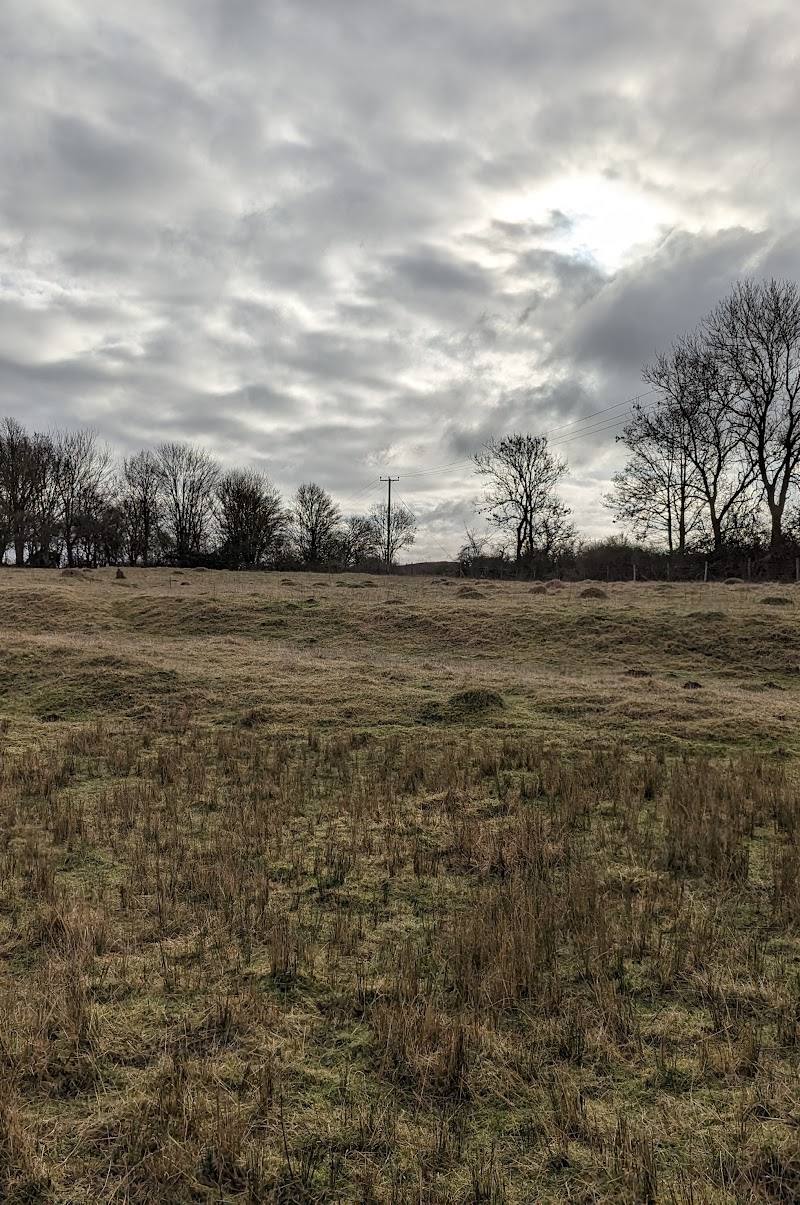
This is a rare chance to experience a surviving piece of ancient fenland: 500 acres of reeds, meres and other wetland habitat, internationally important for wildlife. Its conservation story is unusually tangible, but check current path diversions and hide closures before setting out.
Peaceful · Wild · Atmospheric
Find your way
Open mapHuntingdon, Cambridgeshire
Opening map…
Know this place a little better?
The experience
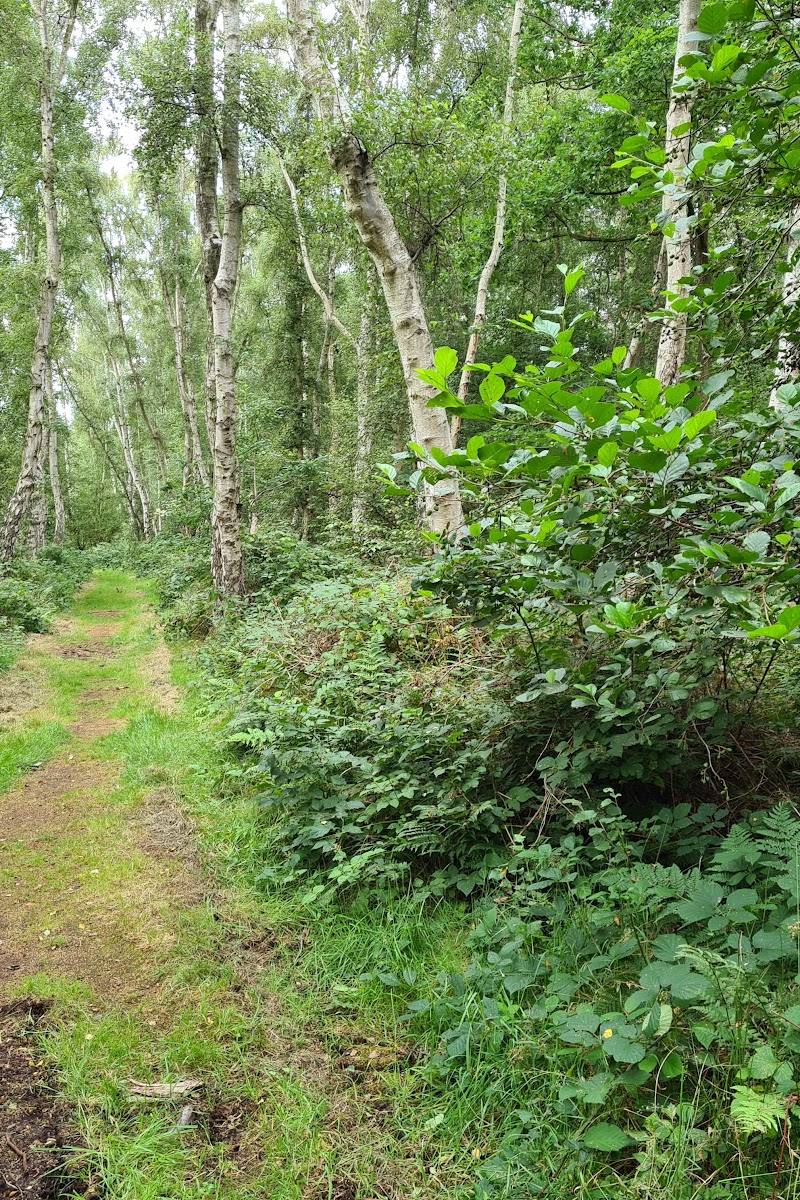
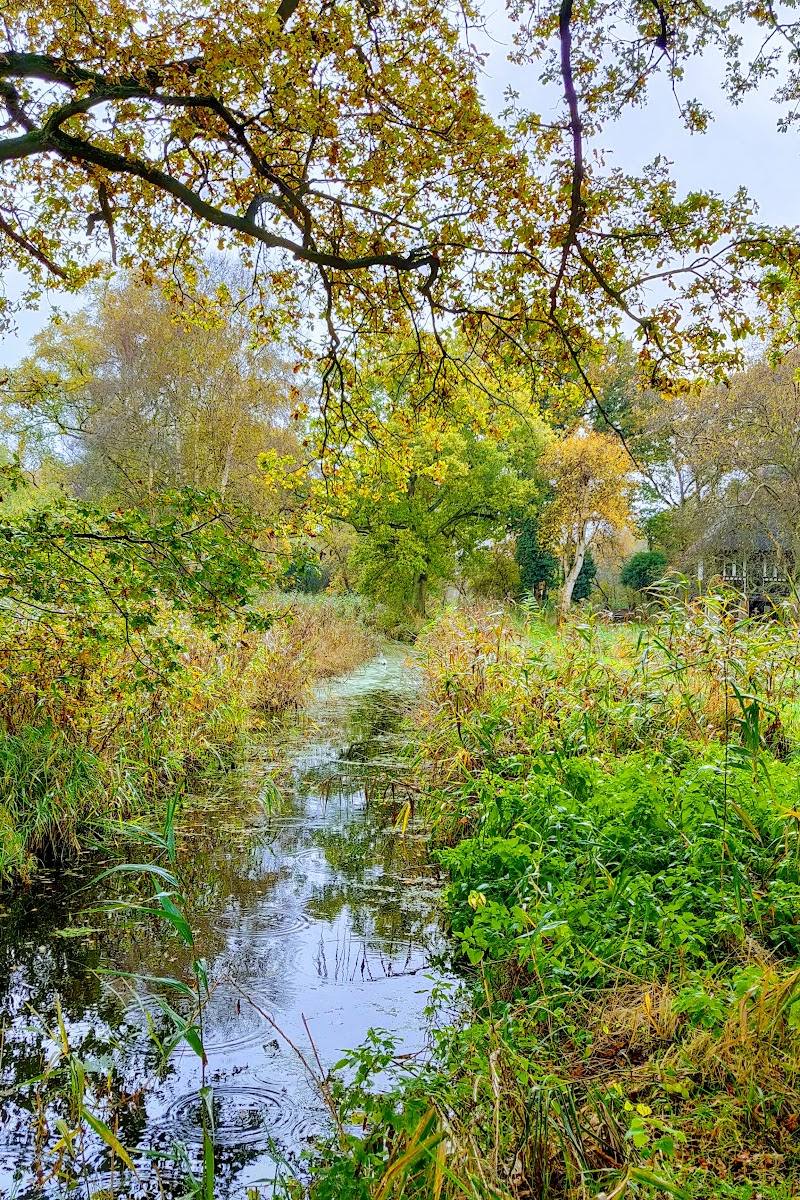
Follow the reserve’s peaceful paths through reeds and fen habitats, watching for birds and dragonflies. Allow around 1–2 hours for a visit; check current path diversions and hide access before travelling.
Things to do
Walk the peaceful fen paths
Explore the open paths through the reeds and wetland landscape. Check on-site diversions because paths may close when water levels are high.
1–2 hours
Watch birds across the reedbeds and meres
Take time to scan the reeds and open water for birds. The reserve information describes birdwatching facilities; individual species sightings are not guaranteed.
Watch for dragonflies at the water’s edge
Pause beside the water and look for dragonflies darting along the edge, as highlighted by the reserve’s visitor information.
Notice the Rothschild conservation story
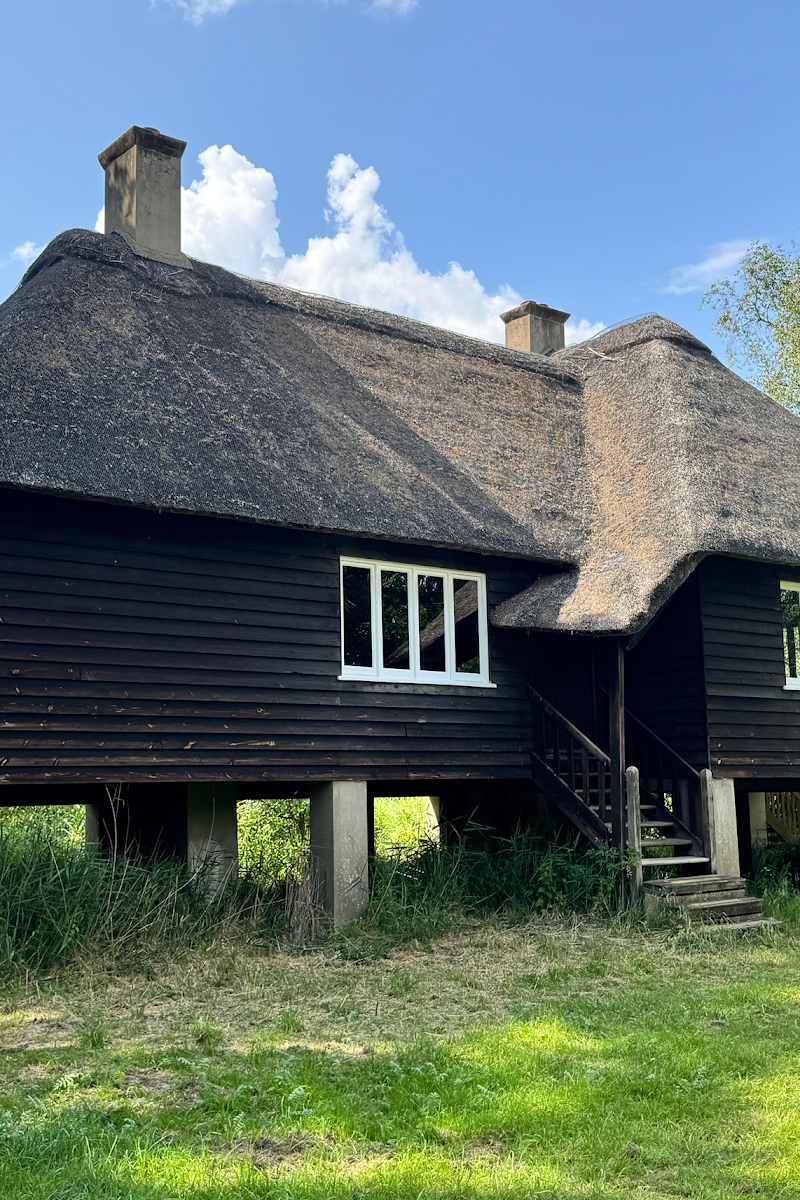
The reserve’s history is tied to Charles Rothschild, who bought Woodwalton Fen in 1910 to protect a remnant of the ancient fens. Check current access information before planning to visit the bungalow or hides.
Make a day of it
Quick escape · 1–2 hours
Quick Escape: a fenland wander
- 01
Check current reserve notices for access changes and path diversions before travelling.
- 02
Follow the open paths through the reeds and pause to watch and listen for birds and dragonflies.
- 03
Look across the reserve’s wetland habitats and learn about the conservation story behind Rothschild’s bungalow.
Half day · Half day
Make a half day of it: explore the fen and its wildlife
- 01
Check current access notices, especially for path closures and hide access.
- 02
Spend time on the open reserve paths, taking in the reeds, water’s edge and the variety of fen habitats.
- 03
Bring binoculars if you have them and allow time to watch for birds; look for dragonflies along the water’s edge.
- 04
Use the reserve map and on-site information to choose an accessible route for the day.
Verified history
Charles Rothschild bought Woodwalton Fen in 1910 to protect a surviving part of the ancient fenland. The reserve source describes him as a wildlife enthusiast and a pioneer of modern conservation. It also identifies the Rothschild Bungalow as a feature to discover at the reserve; access conditions for nearby hides may change, so check current notices.
Hidden details
A remnant of the ancient wild fens — The reserve is one of only four remaining fragments of the ancient wild fens described by the reserve source, which says the original fen landscape once stretched across 1,350 square miles.
The bungalow and the conservation story — Look for the Rothschild Bungalow, associated with Charles Rothschild’s efforts to protect the fen. Confirm current access and visibility before making it the focus of a visit.
When to go
April · May · June · July · August · September · A calm, clear morning is a sensible choice for watching wildlife; no specific opening or wildlife-viewing hours are supplied.
The reserve source highlights dragonflies along the water’s edge and birds calling from the reeds; the birding source describes spring and summer reedbed activity and winter visiting waterfowl. These are seasonal opportunities, not guaranteed sightings.
The approach track was reported very uneven, with large holes, in the supplied reserve information. Wetland paths may be diverted or closed in winter because of water levels. Check current conditions and wear footwear suitable for potentially wet paths.
What to look for
- 01
Listen for birds in the reeds and watch the water’s edge for dragonflies. Look for the contrast between reedbeds, open water, wet woodland and fen meadow
- 02
Rothschild’s bungalow is a reminder of the reserve’s conservation history.
The story
Ancient fenland; conservation history
Best time to go
Spring and summer for active reedbed wildlife and fen flowers; winter can be rewarding for visiting birds, subject to path conditions and closures.
Spring and summer bring fen flowers and busy reedbeds; choose a calm, clear morning for wildlife watching. Winter visits may be affected by water-level closures.
How long to spend
1–2 hours
Perfect for
Walkers · Wildlife lovers · Photographers · Solo
Before you go
Address
Google rating
Practical information
Opening & access
A National Nature Reserve with paths through reeds and fen habitats. Check current access information before visiting: some paths may be diverted or closed due to winter water levels, and Rothschild’s hide is reported closed because its access bridge is unsafe.
Check before visiting
Parking
Check before visiting
Check before visiting
Toilets
Check before visiting
Check before visiting
Food & drink
Check before visiting
Check before visiting
Dogs
No dogs.
Accessibility
Check before visiting. Paths may be affected by water levels; the approach track was reported very uneven in the supplied reserve information.
Check before visiting
Cost
Check before visiting
Check before visiting
Water
Meres, ditches and wetland water; swimming permission is not evidenced.
Gallery
Place photographs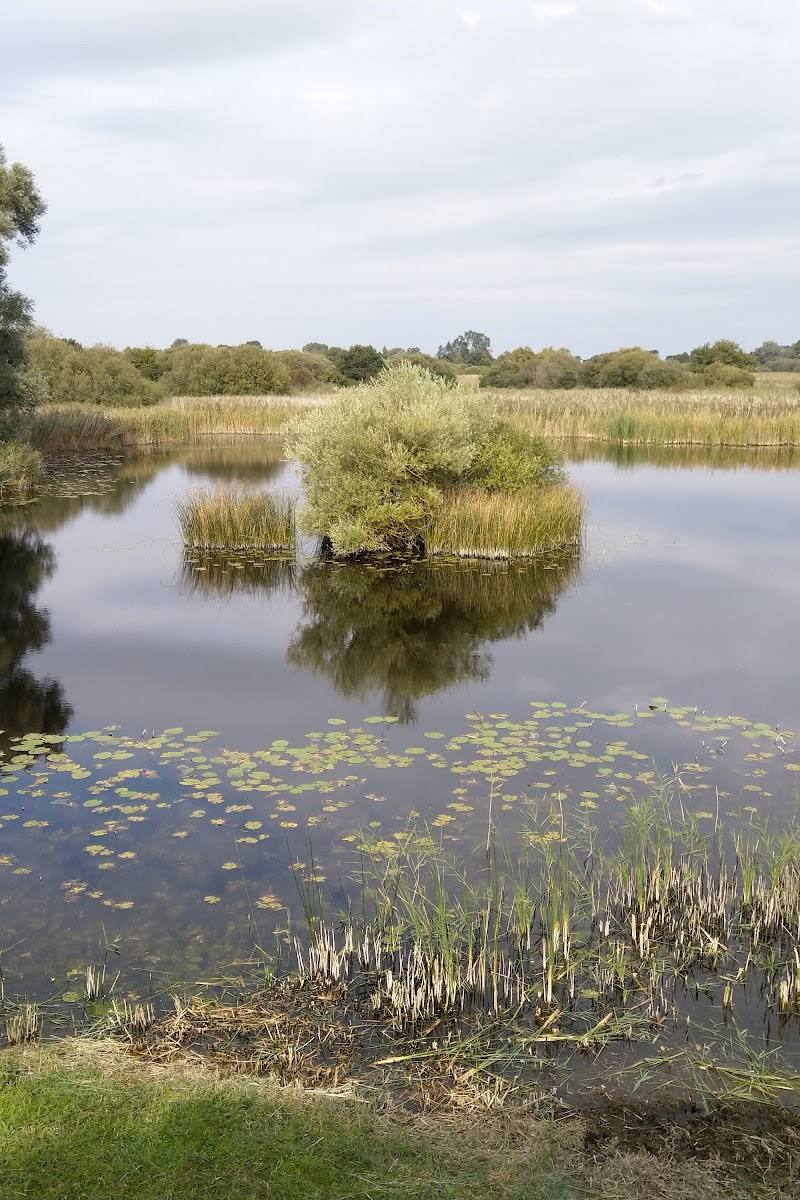

Keep exploring
Around Woodwalton Fen
Within 50 km · approximate straight-line distances
 Source image5.5
Monks Wood National Nature Reserve
Sawtry, near Huntingdon, Cambridgeshire PE28 2LR
4.5 km away
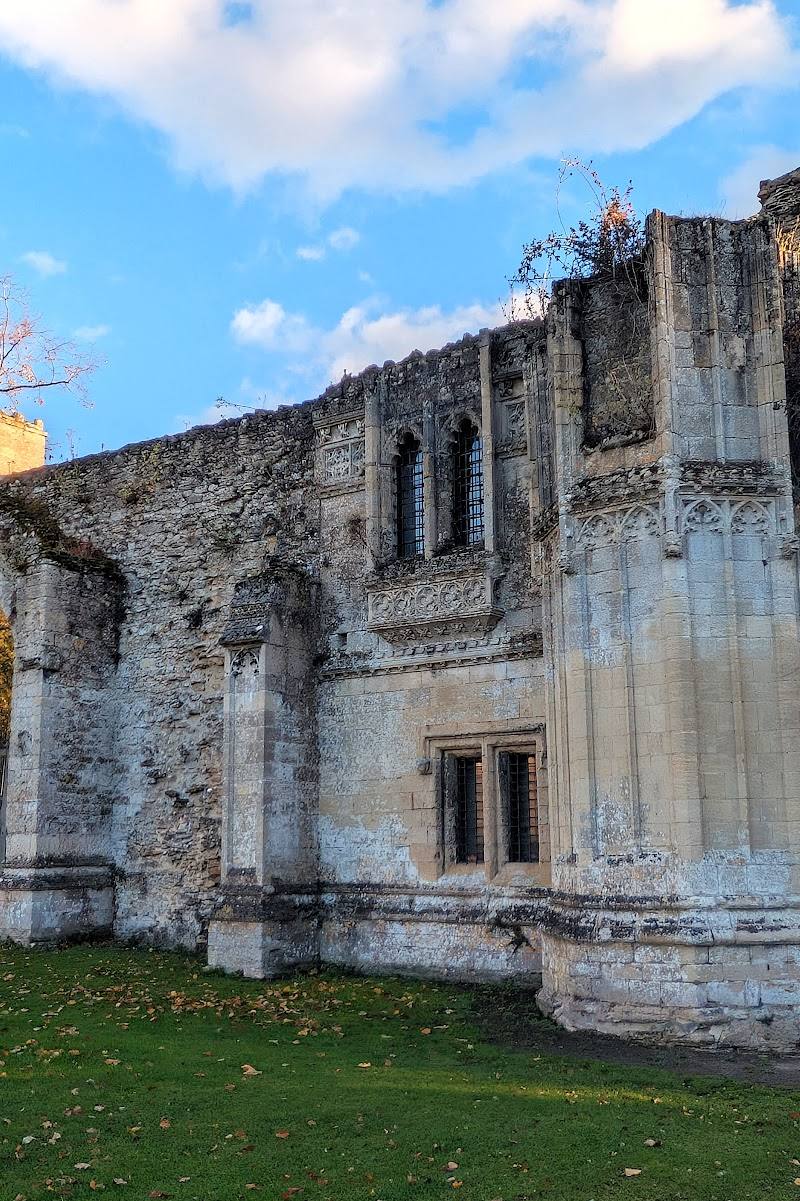 Place photograph6.4
Ramsey Abbey Gatehouse
Abbey School, Ramsey, Huntingdon, Cambridgeshire PE26 1DH
6.0 km away