Near Rhos Goch, Powys, Wales
Rhos Goch National Nature Reserve
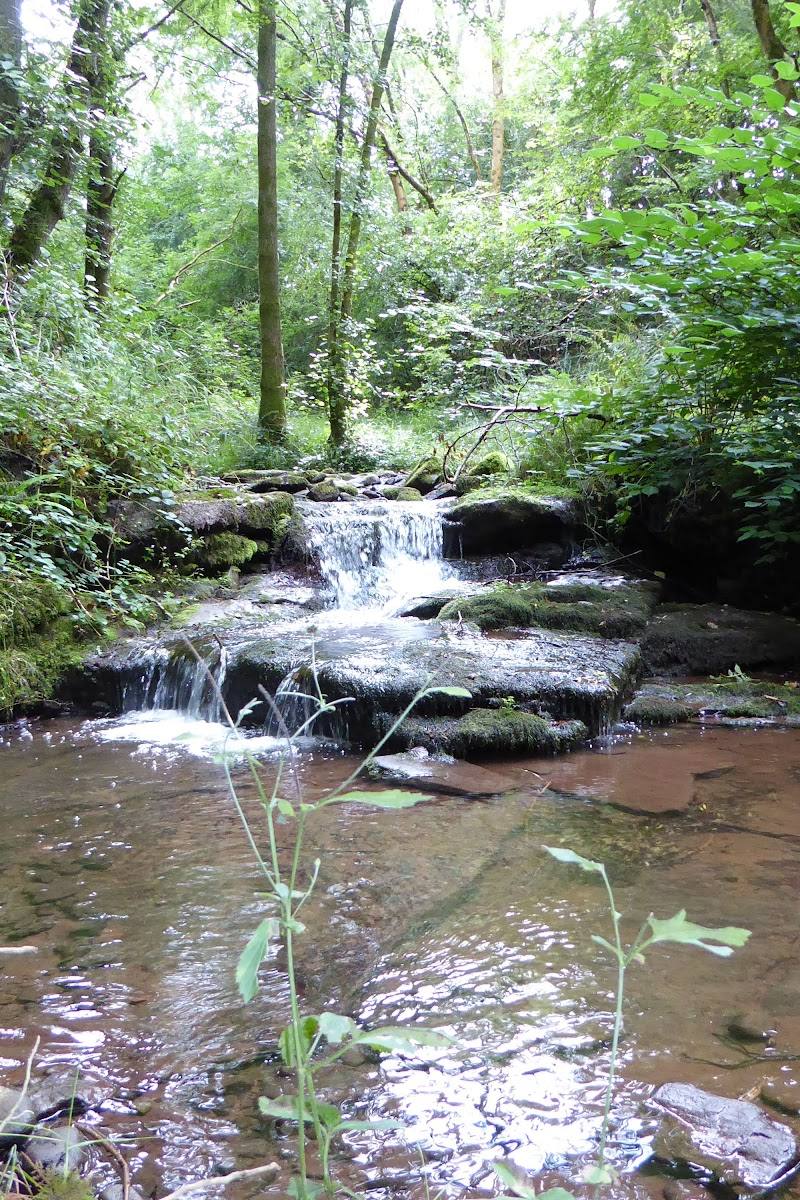
Peat bog
Source image
5.5
Wildland
Check before visiting
Time
Check
Cost
Wild
Feel
Why it's Wildland
5.5A remote-feeling Welsh bog where raised peat, transition mire and quaking bog shelter specialist wetland plants and wildlife. Its fragile ground is part of the experience—and a reason to approach cautiously rather than treating it as an ordinary walking trail.
Rhos Goch stands out for its rare, living bog habitats and specialist wetland flora, not for a ready-made visitor circuit. The same saturated ground that makes it ecologically distinctive can make visiting difficult and dangerous, so this is a place to research carefully and keep wildlife and personal safety ahead of exploration.
Wild · Secluded · Atmospheric
Find your way
Open mapNear Rhos Goch, Powys, Wales
Opening map…
Know this place a little better?
The experience
This is a nature-focused reserve where the defining experience is understanding a rare bog landscape and its plants, rather than following a confirmed visitor trail. Access conditions are a significant consideration. Verify the approach and current advice before travelling, and do not venture into unsafe or restricted ground.
Things to do
Notice the bog’s waterlogged character
The reserve is described as containing raised bog, transition mire and quaking bog. Observe only from safe, permitted ground; do not cross bog or open water.
Look for specialist bog plants
The site account records bog mosses, bogbean, marsh cinquefoil, bladderwort, royal fern and pillwort. These are wildlife details, not a guarantee of sightings; avoid leaving safe ground to search for them.
Make a day of it
Quick escape · Allow time to check access and conditions; no reliable visit duration is established.
A cautious first look at the bog
- 01
Check current access advice before travelling.
- 02
Use only a confirmed lawful approach and stay on safe, permitted ground.
- 03
Observe the bog landscape from a safe position; turn back if the ground is wet or unstable.
Verified history
The site account reports that peat was dug around the edge of the raised bog and that the reserve has evidence of past fire damage. It also describes management by scrub cutting and cattle grazing. The available material does not provide dates for these events.
Hidden details
Pillwort’s unexpected namesake — Pillwort is described as a fern with bright green, hair-like leaves; its name refers to a hard, pill-like swelling on its rhizome.
A sequence of rare wetland habitats — The reserve account describes a transition from raised bog through other wetland habitats, including transition mire and quaking bog—habitats that are increasingly rare.
When to go
June · July · August · September · Check before visiting; no time-of-day guidance is verified.
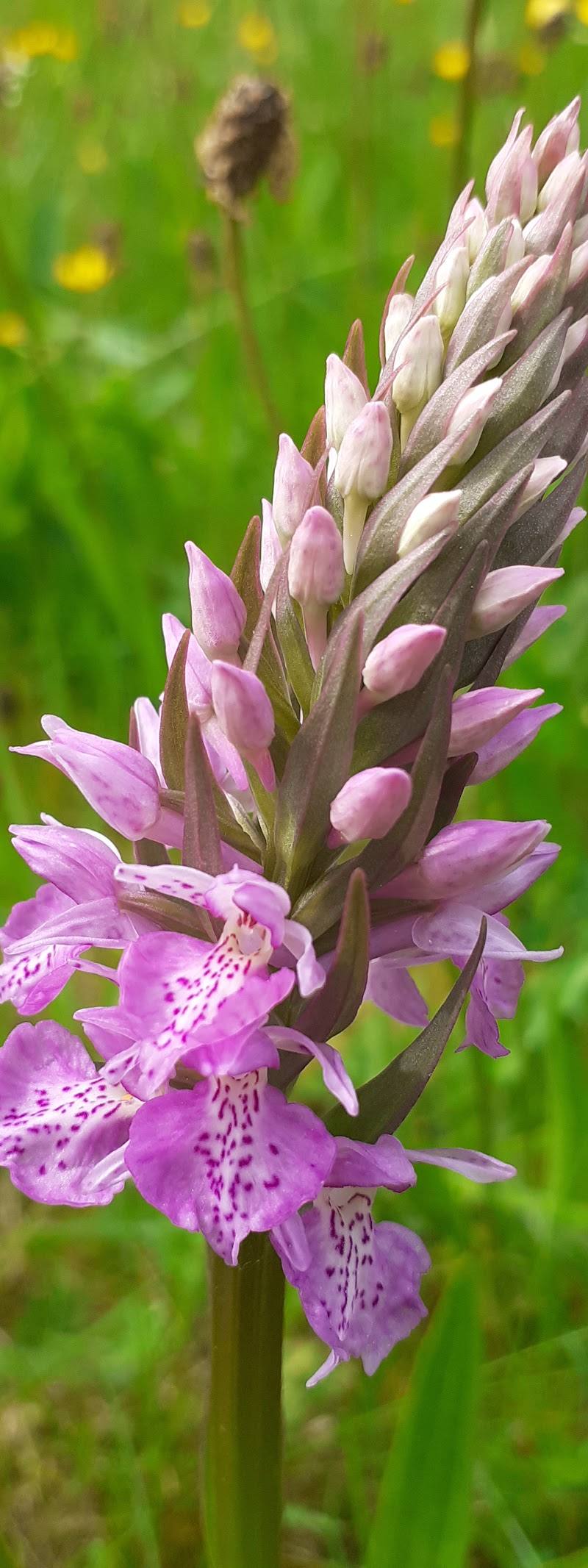
A source identifies June to September as the comparatively drier period. Heath spotted-orchid and marsh orchids are reported flowering towards the end of May and through June, but the bog may remain difficult to cross.
Wet ground can make access very difficult; winter is described as dangerous. Check the forecast and current access advice, and do not continue into boggy or unsafe ground.
What to look for
- 01
From safe, permitted ground, look for the raised bog, water-filled hollows and bog mosses described for the site. Reported plants include bogbean, marsh cinquefoil, bladderwort, royal fern, pillwort and heath spotted-orchid
- 02
do not leave safe routes or trample fragile habitat to find them.
The story
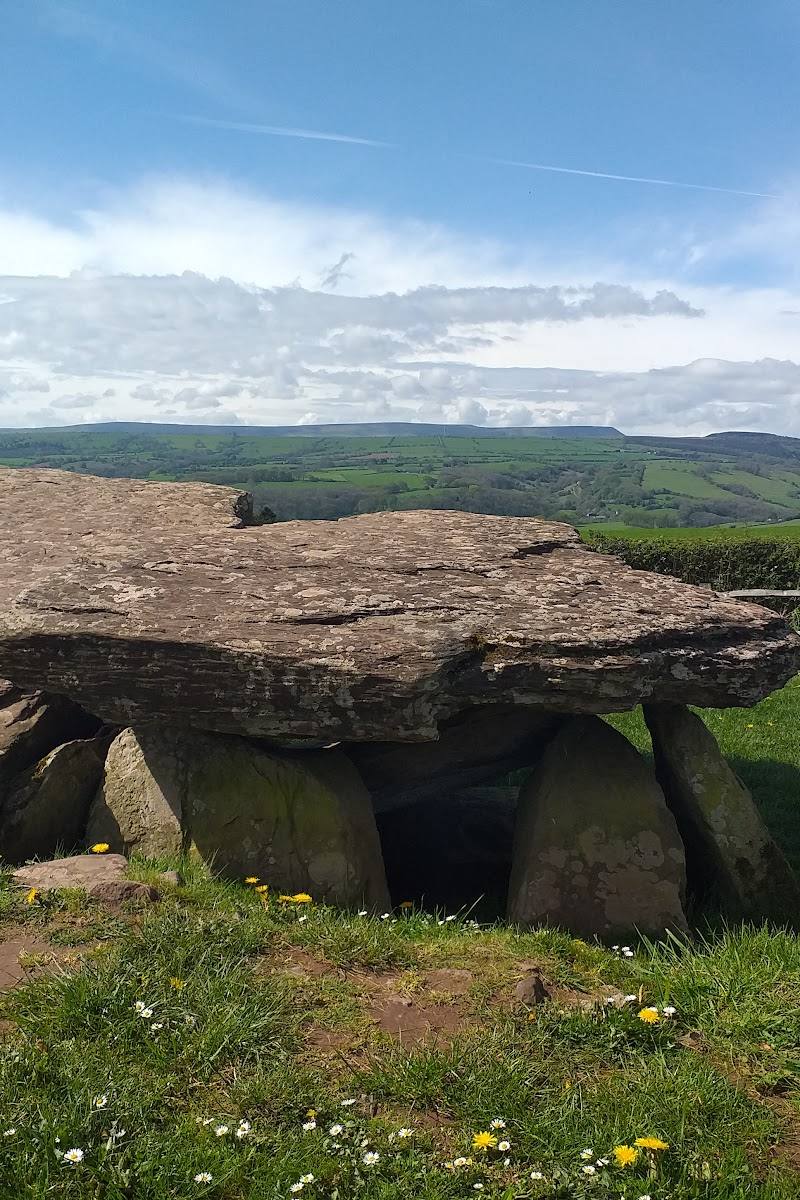
Archaeology; historic peat cutting and fire damage are reported, but should be treated as site history rather than a visitor attraction.
Best time to go
June–September is described as the comparatively drier period; conditions can still be very boggy. Check current local advice before visiting.
June to September is identified by one source as the period when the ground may have dried somewhat. Even then, expect very wet conditions and check current advice. Winter access is described as dangerous.
How long to spend
Check before visiting; allow time to assess conditions and do not assume a walkable route.
Perfect for
Wildlife lovers · Photographers · Walkers
Practical information
Opening & access
The reserve is described as open all year, but access across the wet ground can be very difficult and hazardous, particularly in winter. One source says there are no paths through the reserve; do not assume the routes described for nearby areas apply here. Check current access advice before setting out and do not enter private land or proceed into boggy areas. Access arrangements are unconfirmed. Check before visiting; do not enter private land or restricted structures.
Check before visiting
Parking
No parking at the reserve is reported. One source advises parking on the main road in Rhos Goch village and walking from there; verify current arrangements and do not drive down the wet access track.
Check before visiting
Toilets
No facilities at the reserve; check before visiting.
Check before visiting
Food & drink
No facilities at the reserve; check before visiting.
Check before visiting
Dogs
Check before visiting. The supplied sources do not confirm current dog rules for this reserve.
Check before visiting
Accessibility
Not suitable for assuming wheelchair access. The ground is very wet, access is difficult, and a source reports no formal paths through the reserve. Conditions can be hazardous; check before visiting.
Check before visiting
Cost
Check before visiting
Check before visiting
Water
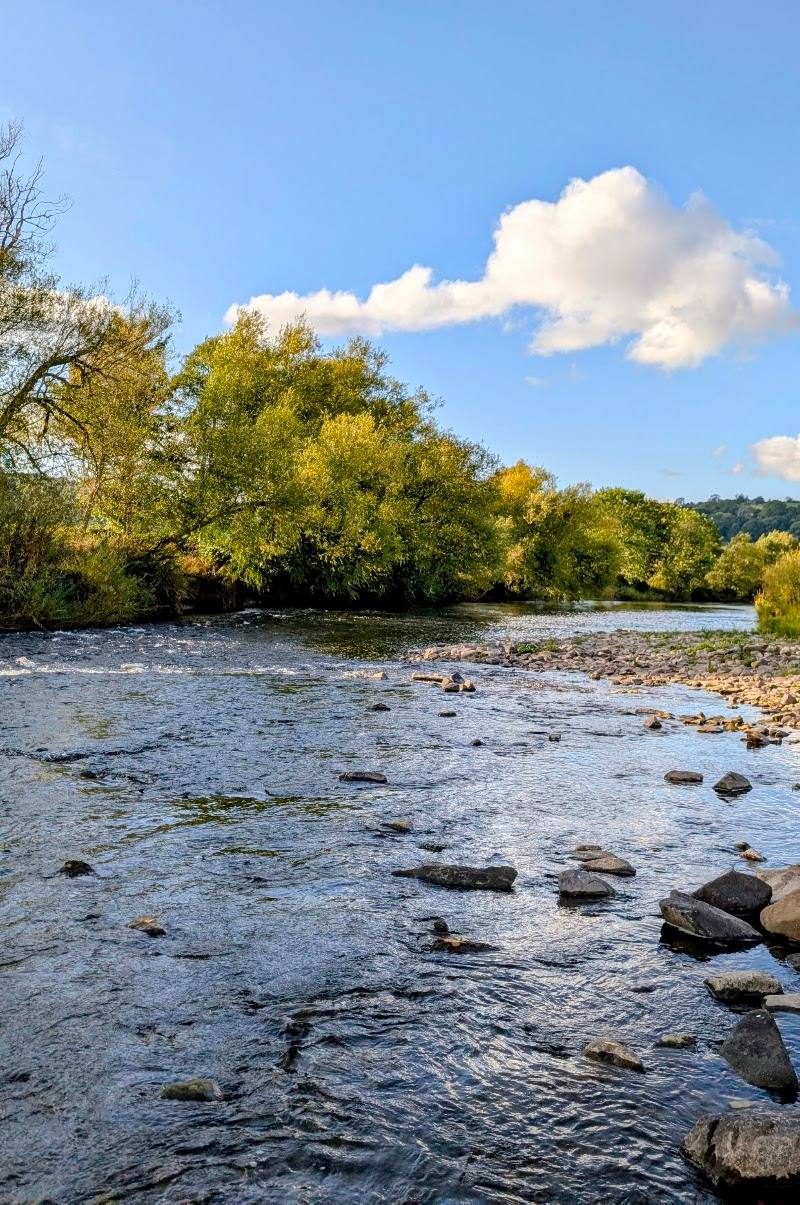
Bog and wetland; open water may be present in boggy ground. No water activities are evidenced or implied.
Gallery
Place photographsKeep exploring
Around Rhos Goch National Nature Reserve
Within 50 km · approximate straight-line distances