Parks Road, Oxford OX1 3PW
Oxford University Museum of Natural History
Museum & collection
Source image
7.4
Wildland
1–2 hours
Time
Check
Cost
Atmospheric
Feel
Why it's Wildland
7.4Opened in 1860, this Victorian neo-Gothic museum brings Oxford’s natural-history collections into a building as striking as its specimens. Its highlights include the world-famous Oxford Dodo and Megalosaurus bucklandii, described by the museum as the world’s first scientifically described dinosaur.
The rare appeal here is the combination of a landmark Victorian neo-Gothic building and collection objects with genuinely unusual scientific stories: the Oxford Dodo’s soft-tissue remains and the first scientifically described dinosaur. It earns a place for its strong sense of character and discovery, rather than for a claim to wilderness.
Atmospheric · Grand · Quirky
Find your way
Open mapParks Road, Oxford OX1 3PW
Opening map…
Know this place a little better?
The experience
Explore the museum’s natural-history collections and look closely at the Oxford Dodo and Megalosaurus bucklandii. The Victorian neo-Gothic building is part of the experience; the adjoining Pitt Rivers Museum offers a well-sourced extension to the visit.
Things to do
See the Oxford Dodo
Look for the world-famous Oxford Dodo, highlighted by the supplied source as the only soft-tissue remains of the extinct dodo.
Find Megalosaurus bucklandii
Look for the specimen identified by the supplied source as the world’s first scientifically described dinosaur.
Take in the neo-Gothic building
Notice the Victorian neo-Gothic architecture, which the supplied source says was strongly influenced by the ideas of art critic John Ruskin.
Make a day of it
Quick escape · About 1–2 hours
Quick escape: meet the Dodo and the dinosaur
- 01
Visit the natural-history museum and spend time with the Oxford Dodo and Megalosaurus bucklandii.
- 02
Look up from the displays to take in the museum’s Victorian neo-Gothic architecture.
- 03
Check the museum’s current visitor information before travelling.
Half day · Check before visiting
Pair the natural-history collections with Pitt Rivers
- 01
Explore the natural-history museum’s collections and building.
- 02
Continue to the adjoining Pitt Rivers Museum, which the supplied regional tourism source says can be enjoyed on the same trip.
- 03
Check current visitor information for both museums before setting out.
Verified history
The museum was established in 1860 to bring together scientific studies from across the University of Oxford. It remains a place of scientific research, collecting and fieldwork. The supplied source describes its building as Victorian neo-Gothic and says it was strongly influenced by the ideas of 19th-century art critic John Ruskin.
Hidden details
The Oxford Dodo’s rare remains — The supplied source identifies the Oxford Dodo as the only soft-tissue remains of the extinct dodo—a detail worth seeking out beyond the familiar image of the bird.
A landmark in dinosaur science — Megalosaurus bucklandii is highlighted as the world’s first scientifically described dinosaur.
When to go
· Check current visitor information; no preferred time of day is established by the supplied sources.
The principal experience is indoors, so the supplied evidence does not indicate a seasonal advantage.
Indoor destination; check travel conditions and current visitor information before setting out.
Worth pairing with
Pitt Rivers Museum
The supplied regional tourism source says the anthropology and archaeology museum adjoins the Natural History Museum building and that both can be enjoyed in one trip.
What to look for
- 01
The Oxford Dodo, described by the museum’s regional tourism listing as the only soft-tissue remains of the extinct dodo
- 02
Megalosaurus bucklandii, identified there as the world’s first scientifically described dinosaur
- 03
and the Victorian neo-Gothic architecture influenced by John Ruskin’s ideas.
The story
History of natural science; Victorian museum architecture
Best time to go
Suitable year-round; check current opening and visitor information before travelling.
An indoor visit works in any season. Check current opening information before setting out.
How long to spend
1–2 hours
Perfect for
Families · Young children · History lovers
Before you go
Address
Phone
Website
Listed hours
- Monday: 10am-5pm
- Tuesday: 10am-5pm
- Wednesday: 10am-5pm
- Thursday: 10am-5pm
- Friday: 10am-5pm
- Saturday: 10am-5pm
- Sunday: 10am-5pm
Check before visiting.
Google rating
Practical information
Opening & access
A public-facing university museum with visitor information on its official website. Check current access arrangements before visiting.
Check before visiting
Parking
Check before visiting
Check before visiting
Toilets
Check before visiting
Check before visiting
Food & drink
The supplied source describes an on-site café; check current details before visiting.
Check before visiting
Dogs
Check before visiting
Check before visiting
Accessibility
The source row reports wheelchair-accessible entrance, seating, toilet and car park. Check the museum’s current accessibility information before travel.
Check before visiting
Cost
Check before visiting
Check before visiting
Gallery
Place photographsKeep exploring
Around Oxford University Museum of Natural History
Within 50 km · approximate straight-line distances
 Place photograph8.5
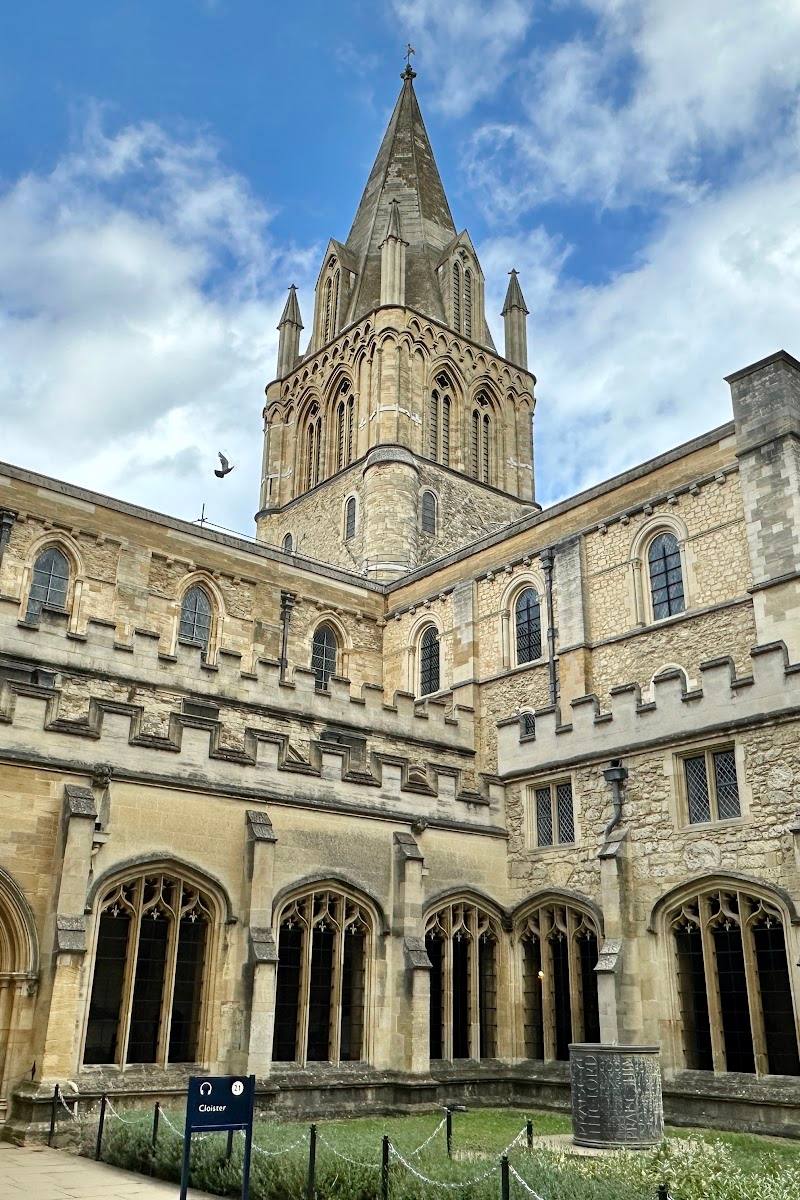
Blenheim Palace Lodge Retreat
Bladon Road, near Woodstock, Oxfordshire OX20 1PT
10.6 km away
 Source image7.3
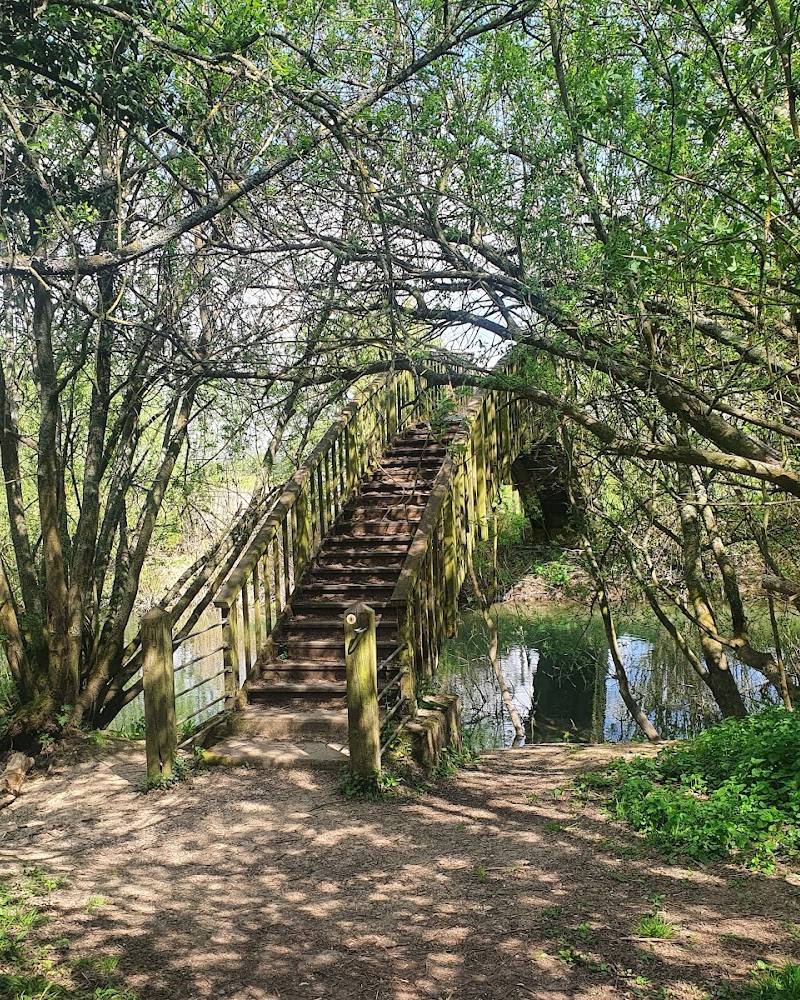
Chimney Meadows National Nature Reserve
Chimney, near Bampton, Oxfordshire
16.6 km away
 Place photograph7.2
Cotswold Wildlife Park & Gardens
Bradwell Grove, near Burford, Oxfordshire
27.1 km away